1.The Allure of the Frontier
The novel begins with Miss Nita Hess, who gazes out at the plains for the first time, filled with wonder and excitement. Her naivety contrasts sharply with the reality of the harsh environment that the plains represent. This juxtaposition reflects the romanticized vision of the frontier that many had during this era, as well as the disillusionment that often followed. For Nita, the plains are a canvas of adventure, painted by her youthful imagination and the stories she has absorbed through literature. Yet, the stark emptiness of the land soon reveals itself as a battleground of survival, where dreams of prosperity clash with the unforgiving nature of the environment. Through Nita's character, Chisholm highlights how the allure of adventure can lead individuals into situations fraught with danger and complexity, while simultaneously showcasing the illusions that often accompany such journeys.
2.Boredom and Duty in Society
Clyde Burnaby's sense of duty to her family, particularly her Uncle Jim, drives her to accompany Nita on this journey. Initially bored and disinterested, Clyde's character evolves throughout the narrative as she confronts the challenges of the frontier life. Her reluctance to embrace the adventure highlights the tension between societal expectations and personal desires. Clyde's inner conflict reflects a broader commentary on women's roles during this period, showcasing how duty often stifled individual ambition and exploration. As she grapples with her feelings, readers witness her transformation from a passive observer to an active participant in the unfolding drama. This evolution signifies the potential for personal growth through facing external challenges, urging readers to consider how societal roles can shape individual destinies.
3.The Power Dynamics of Business
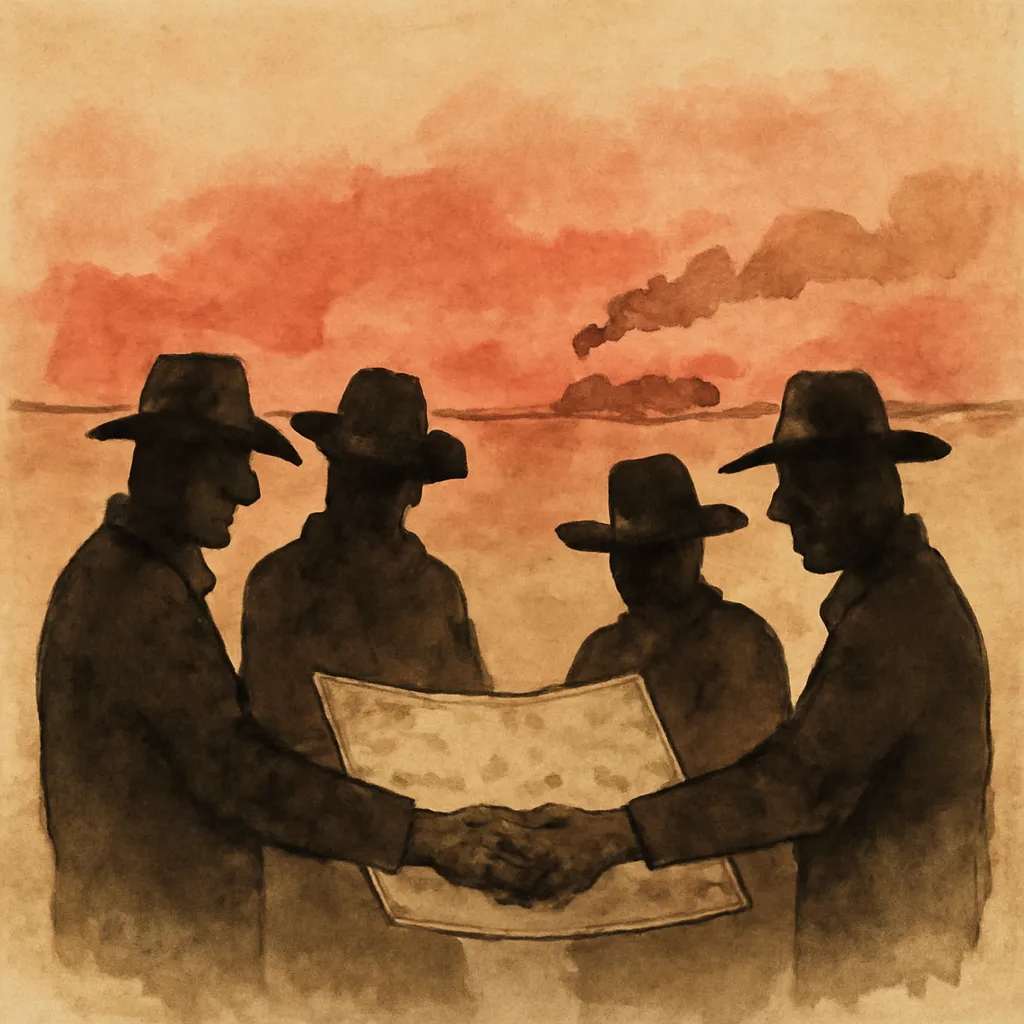
The interactions between William Bates Rapp and Cromwell York in the billiard room reveal the cutthroat nature of business during this time. Their discussions about bond issues and corporate strategies serve as a microcosm of the larger conflicts in the novel, where the struggle for power and resources takes precedence. Rapp's legal expertise and York's relentless ambition illustrate the lengths to which individuals will go to secure dominance in the railway industry. York’s dogged determination to expand his empire by acquiring the Prairie Southern line underscores the ruthless competition present in the business landscape of the West. This dynamic between characters not only illuminates the intricacies of corporate maneuvering and manipulation but also serves as a backdrop to the moral complexities faced by individuals as they navigate the treacherous waters of corporate greed and personal integrity.
4.The Importance of Water Rights
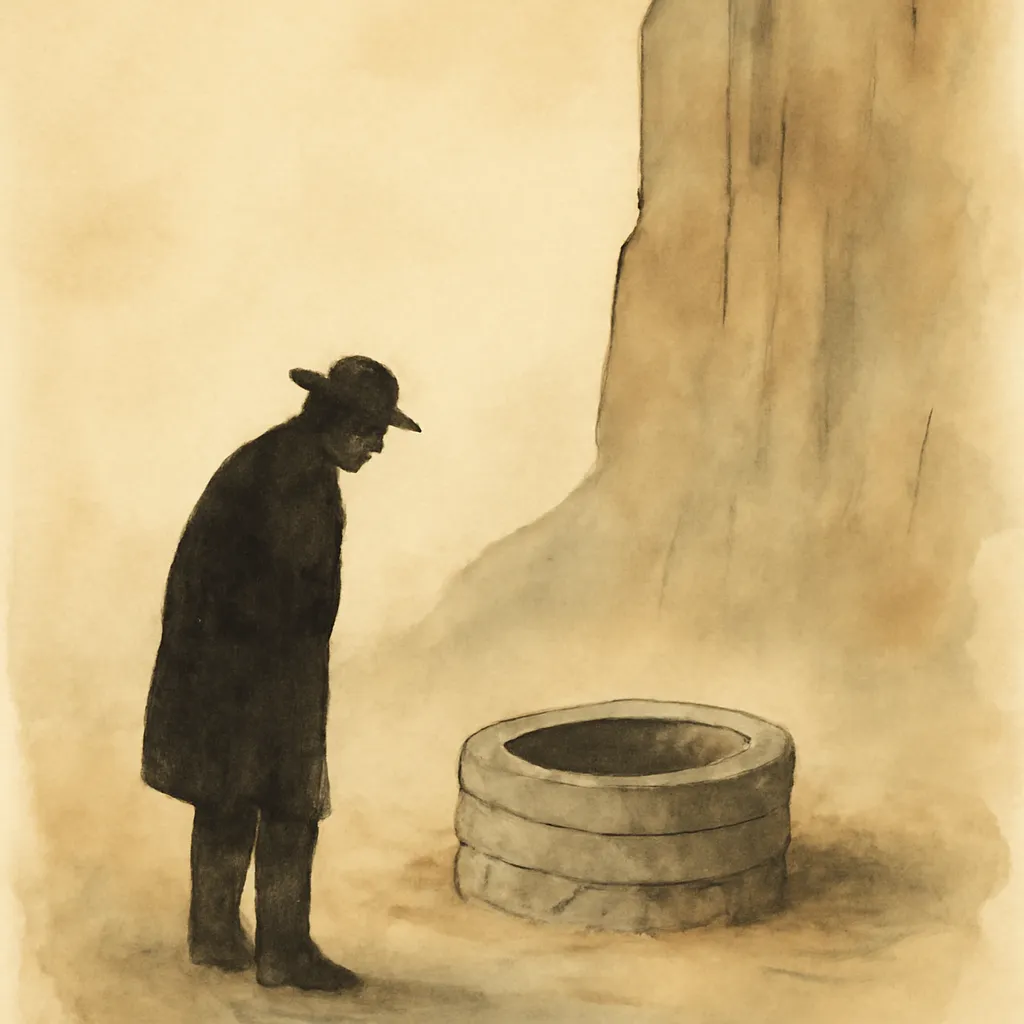
Water emerges as a central motif in 'Desert Conquest', symbolizing both life and conflict. The ranchers’ desperate need for irrigation and the ensuing battles over water rights highlight the harsh realities of life in the arid West. Through Casey Dunne and his fellow ranchers, the novel explores the intricate relationships between land, water, and survival. Dunne's determination to protect his ranch from York's encroachment encapsulates the struggle for existence in a resource-scarce environment. The stakes are high, as the ability to irrigate land directly correlates to prosperity and survival, making water not just a commodity but a lifeline for the characters. This battle for water rights showcases the broader themes of power and necessity, revealing how the need for survival can lead to deep-seated conflicts among individuals and communities.
5.The Role of Women in a Male-Dominated Society
Women in 'Desert Conquest' navigate a world largely dominated by men, yet they exhibit strength and resilience in their own right. Characters like Clyde and Sheila McCrae challenge traditional gender roles, exhibiting agency in their choices. Clyde's initial reluctance gives way to a burgeoning sense of independence as she becomes embroiled in the conflicts surrounding her. Sheila, on the other hand, embodies the practical skills necessary for survival on the ranch, defying the notion that women should be relegated to supportive roles. Their experiences reflect the shifting perceptions of women's capabilities during this era, as they assert their presence in a landscape that often seeks to marginalize them. Through their struggles and triumphs, Chisholm highlights the essential contributions of women in shaping the narrative and underscores the complexities of their roles within the context of societal expectations.
6.Conflict and Community
The tension between ranchers and the railway company serves as a backdrop for exploring community dynamics in the novel. As rumors of conflict spread, the solidarity among ranchers emerges in stark contrast to the corporate interests represented by York. The ranchers begin to unite in their struggle against the encroaching threats to their livelihood, emphasizing the importance of community support in times of crisis. Chisholm illustrates how shared struggles can unite individuals, fostering a sense of community that transcends personal ambitions. The ranchers' collective response to external threats highlights the importance of solidarity in facing challenges, suggesting that true strength lies in unity. As tensions escalate, the bonds forged between the ranchers become a crucial narrative element that showcases the power of community in confronting adversity.
7.The Burden of Ambition
York's character embodies the relentless pursuit of ambition, often at the expense of others. His willingness to exploit the ranchers’ vulnerabilities for personal gain underscores the darker aspects of ambition. Chisholm paints a complex portrait of a man driven by a desire for power, blurring the lines between villain and victim. York's actions prompt readers to consider the ethical implications of ambition as his quest for control leads to devastating consequences for those around him. The novel raises questions about the moral costs associated with unchecked ambition, as characters navigate the delicate balance between personal aspirations and the well-being of their community. This exploration of ambition serves as a cautionary tale, reminding readers that the pursuit of success can come with a heavy price.
8.Nature's Indifference
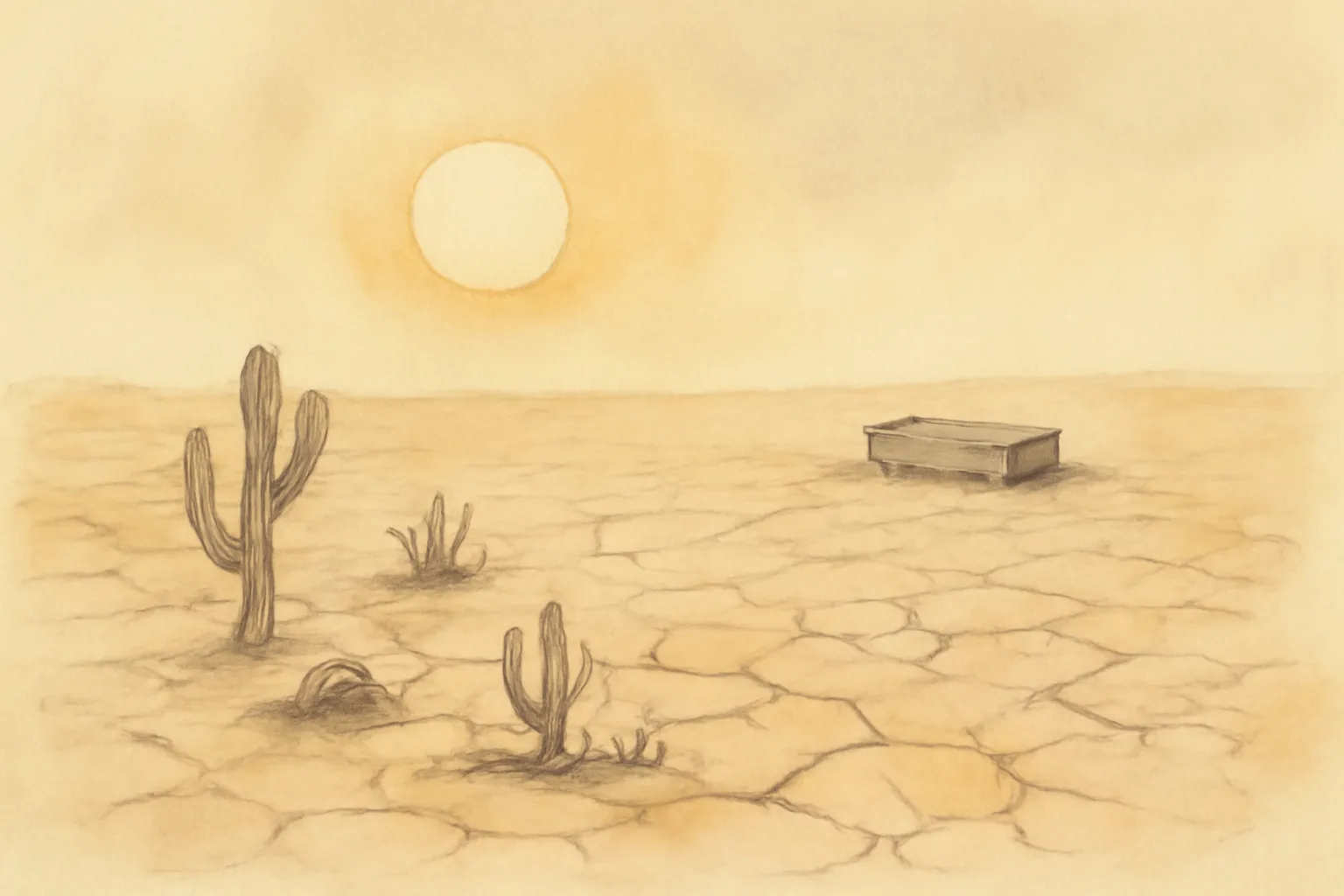
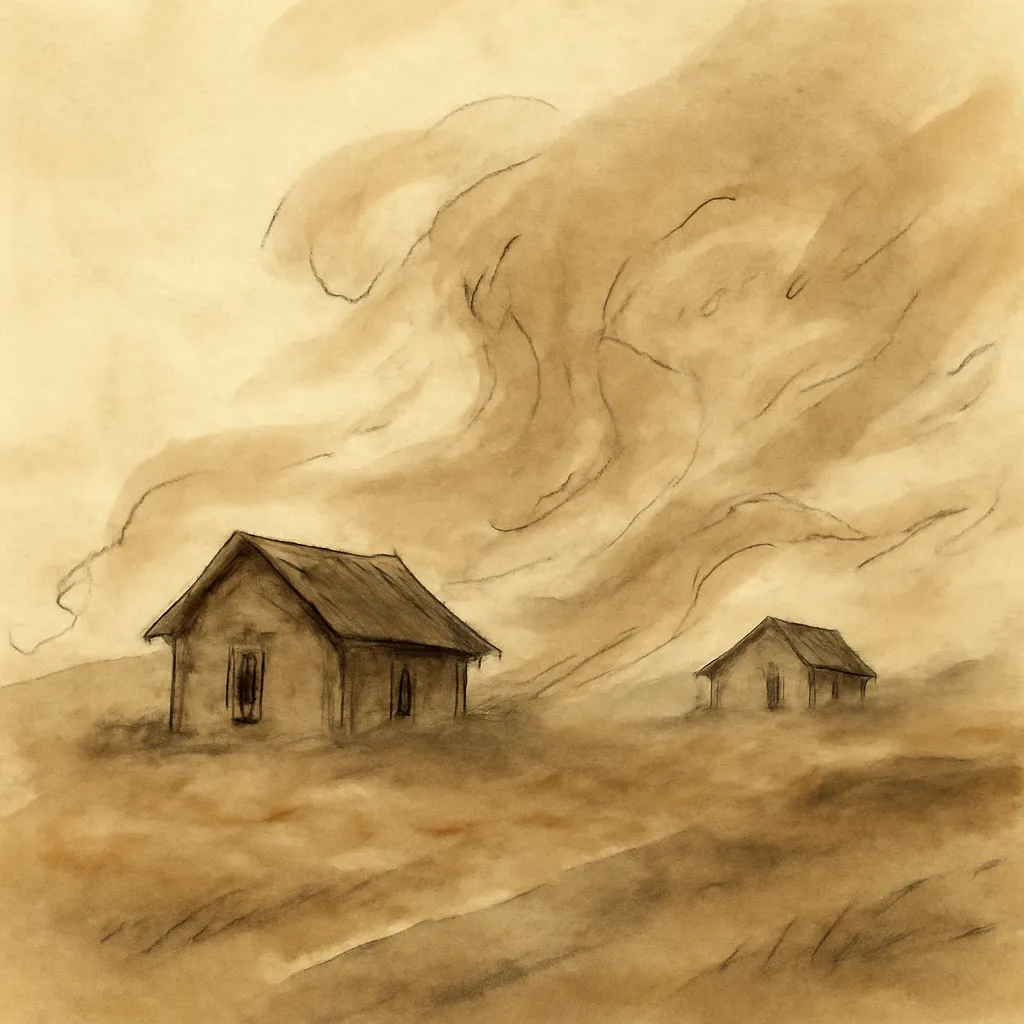
The harsh landscape of the American West acts as both a setting and a character in 'Desert Conquest'. Chisholm vividly describes the unforgiving environment, emphasizing nature's indifference to human struggles. The droughts, dust storms, and unpredictable weather patterns symbolize the constant challenges faced by the characters. Through this portrayal, the land itself becomes a formidable opponent. The ranchers’ efforts to cultivate the land and secure water resources are met with resistance from the very environment they depend on. This backdrop serves to heighten the stakes of their conflicts, as the land itself becomes an adversary. Chisholm's depiction of nature’s indifference serves as a reminder that while humans may strive for control over their destinies, they remain at the mercy of nature's whims, highlighting the fragility of life in such an unforgiving terrain.
9.The Consequences of Violence
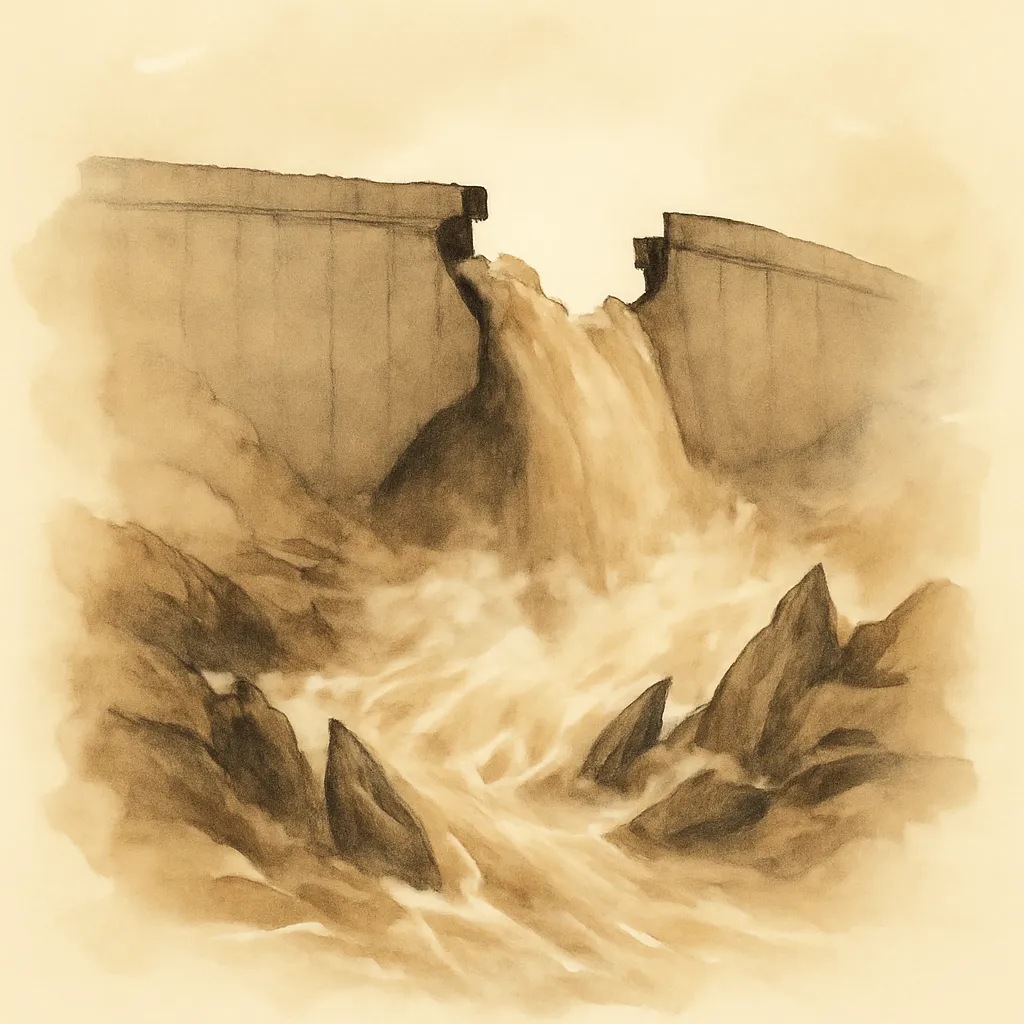
Violence emerges as a recurring theme in the narrative, illustrating the lengths to which characters will go to protect their interests. The explosion at the dam serves as a pivotal moment, marking a shift from conflict to outright violence. This escalation reflects the desperation of the ranchers as they confront the encroaching threat posed by York and his associates. Chisholm does not shy away from depicting the brutality of these confrontations, forcing readers to grapple with the moral implications of violence in the pursuit of justice. The aftermath of these violent acts serves as a stark reminder of the costs associated with such choices, leaving the characters to confront the consequences of their actions. This theme challenges readers to consider the fine line between self-defense and aggression, and the impact of violence on communities.
10.Redemption and Transformation
As the story unfolds, characters such as Clyde Burnaby experience profound transformations, leading to moments of personal redemption. Clyde's journey from a bored, duty-bound young woman to an active participant in the struggle for water rights exemplifies the potential for growth and change. Her experiences on the frontier force her to confront her values and beliefs, ultimately leading her to embrace a more independent identity. This theme of redemption resonates throughout the novel, suggesting that even in the face of adversity, individuals possess the capacity for change. Chisholm crafts a narrative that emphasizes the importance of resilience and the possibility of finding purpose amidst chaos. Clyde's evolution serves as a testament to the human spirit's ability to adapt and thrive, even in the most challenging circumstances.