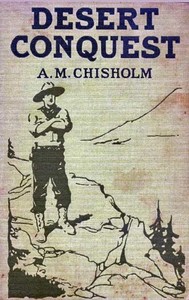

A gripping tale of ambition, conflict, and the struggle for precious resources in the unforgiving desert landscape
Read full overviewShow less›
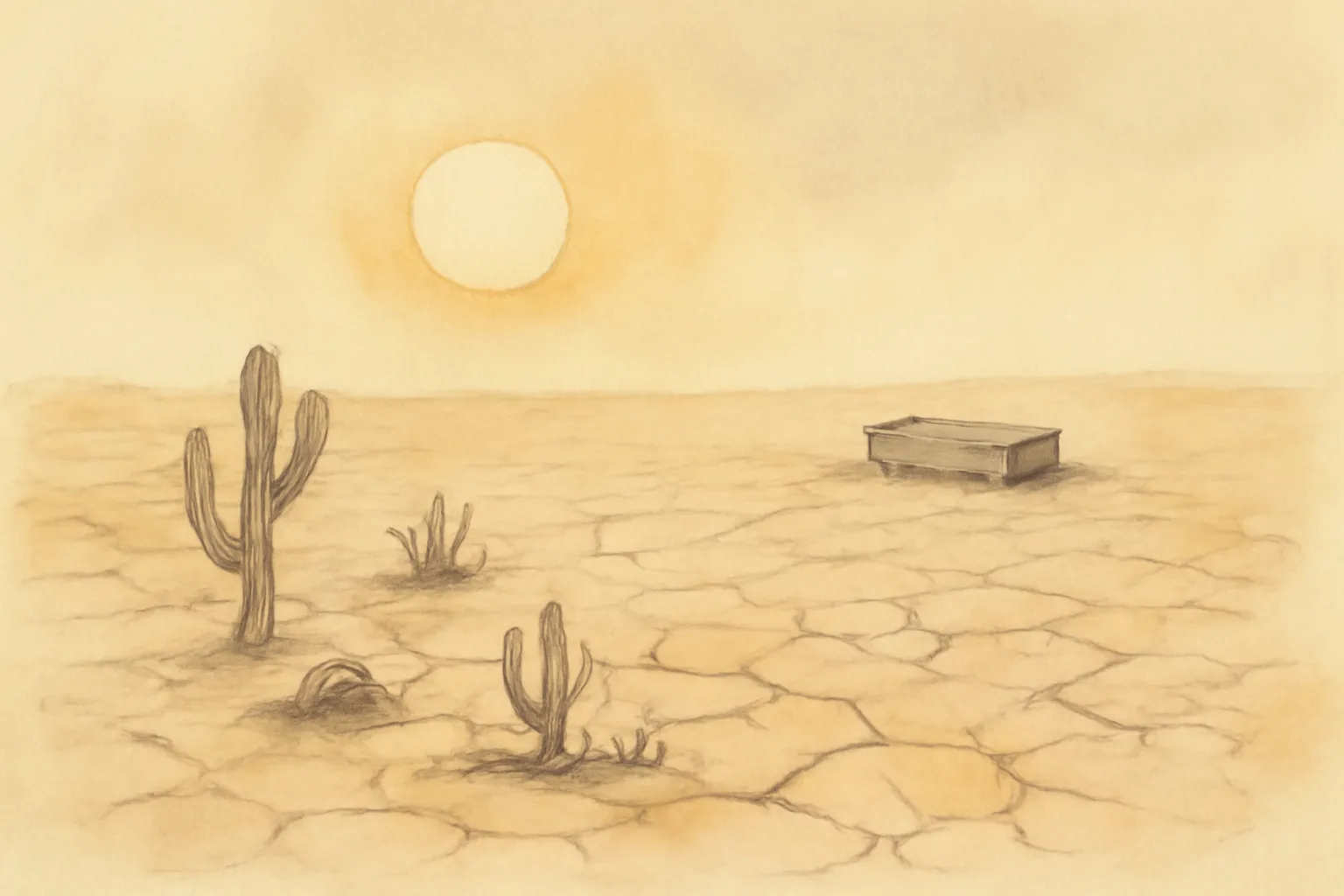
In 'Desert Conquest; or, Precious Waters', A. M. Chisholm weaves a captivating narrative that explores the intricate dynamics of power, survival, and human ambition against the backdrop of the American West. The story centers around the battle for water rights, a resource as precious as gold in the arid landscape, and the complex relationships between characters driven by their desires and the harsh realities of life on the frontier. Readers will be drawn into a world where ranchers, railway magnates, and resilient individuals confront their destinies, revealing the lengths to which people will go for control over land and water. With rich descriptions and vivid characters, the novel serves as both a thrilling adventure and a profound commentary on human nature and societal conflicts.
In 'Desert Conquest; or, Precious Waters', A. M. Chisholm crafts a rich tapestry of ambition, conflict, and the human spirit's resilience in the face of adversity. The characters' struggles for water rights serve as a powerful metaphor for the broader themes of survival and morality in a rapidly changing world. As they navigate the complexities of their relationships and the unforgiving landscape, readers are invited to reflect on the nature of ambition, community, and the consequences of their choices. The novel ultimately underscores the importance of resilience and solidarity in the pursuit of one's dreams, offering a timeless commentary on the human condition.
- 1The Allure of the Frontier
- 2Boredom and Duty in Society
- 3The Power Dynamics of Business
- 4The Importance of Water Rights
- 5The Role of Women in a Male-Dominated Society
Notable quotes
“I told you so, said Casey. No sympathy, Miss Burnaby.”
A glimpse inside

The novel begins with Miss Nita Hess, who gazes out at the plains for the first time, filled with wonder and excitement. Her naivety contrasts sharply with the reality of… Read moreThe novel begins with Miss Nita Hess, who gazes out at the plains for the first time, filled with wonder and excitement. Her naivety contrasts sharply with the reality of the harsh environment that the plains represent. This juxtaposition reflects the romanticized vision of the frontier that many had during this era, as well as the disillusionment that often followed. For Nita, the plains are a canvas of adventure, painted by her youthful imagination and the stories she has absorbed through literature. Yet, the stark emptiness of the land soon reveals itself as a battleground of survival, where dreams of prosperity clash with the unforgiving nature of the environment. Through Nita's character, Chisholm highlights how the allure of adventure can lead individuals into situations fraught with danger and complexity, while simultaneously showcasing the illusions that often accompany such journeys. Show less
Clyde Burnaby's sense of duty to her family, particularly her Uncle Jim, drives her to accompany Nita on this journey. Initially bored and disinterested, Clyde's characte… Read moreClyde Burnaby's sense of duty to her family, particularly her Uncle Jim, drives her to accompany Nita on this journey. Initially bored and disinterested, Clyde's character evolves throughout the narrative as she confronts the challenges of the frontier life. Her reluctance to embrace the adventure highlights the tension between societal expectations and personal desires. Clyde's inner conflict reflects a broader commentary on women's roles during this period, showcasing how duty often stifled individual ambition and exploration. As she grapples with her feelings, readers witness her transformation from a passive observer to an active participant in the unfolding drama. This evolution signifies the potential for personal growth through facing external challenges, urging readers to consider how societal roles can shape individual destinies. Show less
Read the full text — free
About the author
Read A. M. Chisholm's work free on Lumina — the complete text plus an 8-minute summary and key ideas, no account needed