1.The Nature of Love
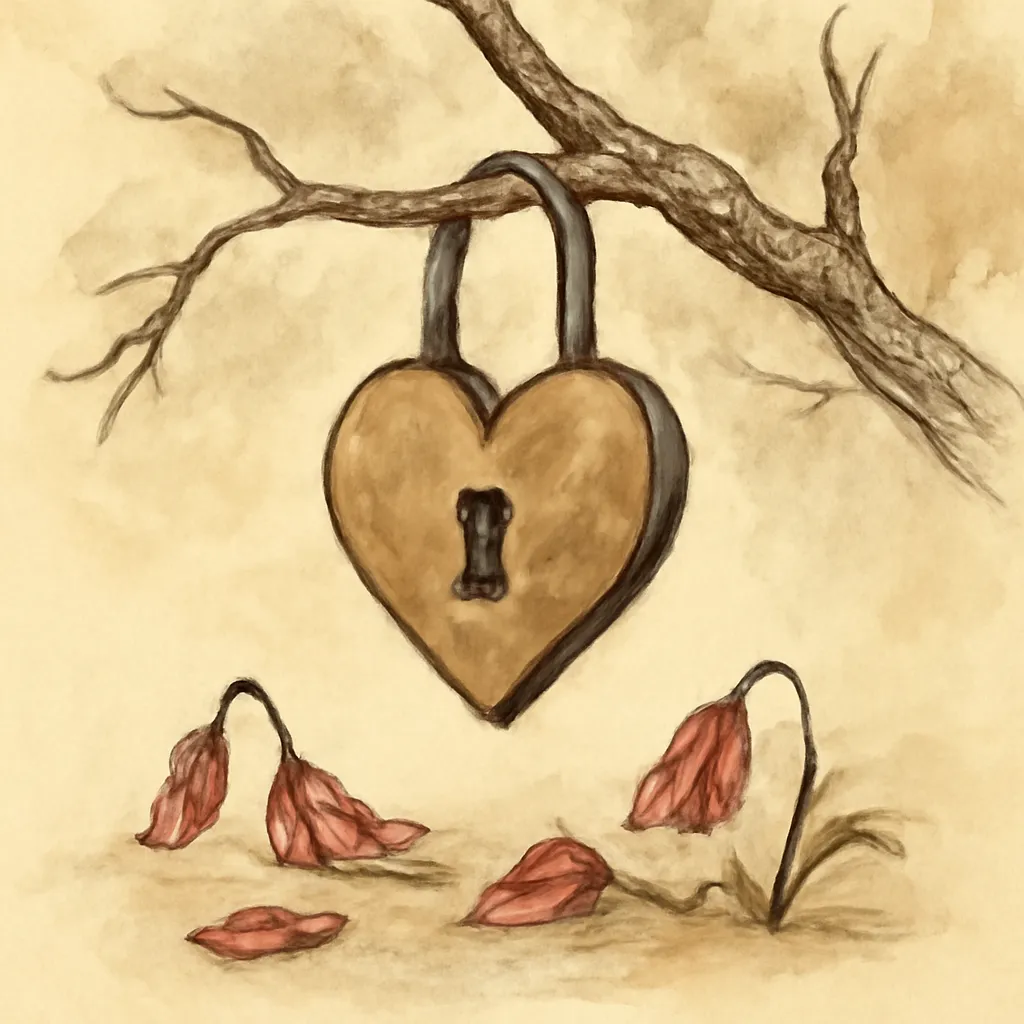
At its core, 'Don Juan' is an exploration of love in its many forms—romantic, platonic, and even tragic. Byron presents love as a powerful yet unpredictable force that can elevate or destroy individuals. Through Juan's experiences, the poem showcases how love can be both enchanting and perilous, demonstrating that passion often leads to unforeseen consequences. For instance, Juan's innocent charm attracts various women, but it also incites jealousy and rage among men, illustrating love's inherent complexity. Byron's treatment of love is not just romantic; it examines the societal expectations that accompany it, revealing how these pressures can distort genuine feelings. The character of Julia embodies this complexity; her seduction of Juan leads to guilt and societal judgment, showcasing the battle between personal desires and societal norms. Ultimately, love in 'Don Juan' is a double-edged sword, capable of both profound joy and deep sorrow, reflecting the tumultuous nature of human emotions.
2.Satire and Social Critique
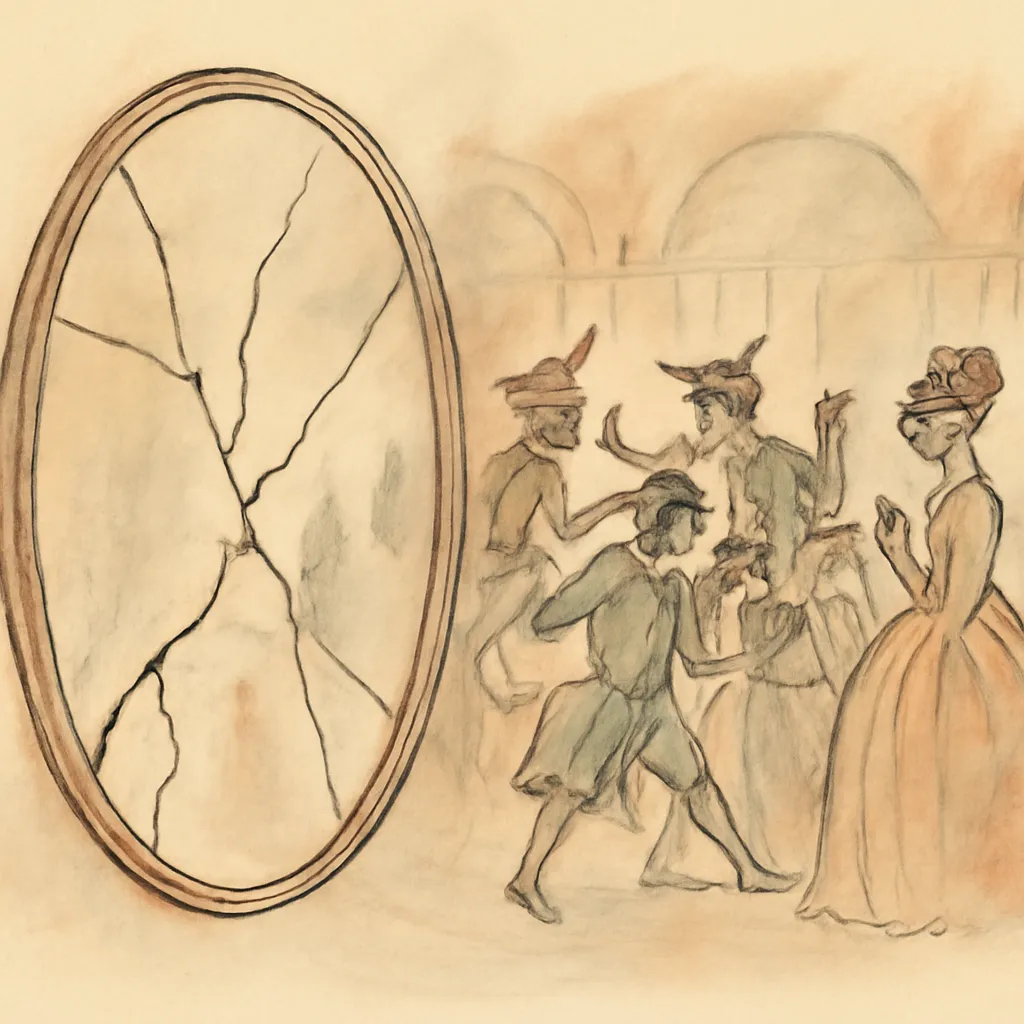
Byron employs satire as a tool to critique the moral and social norms of his time. The poem's humor often exposes the hypocrisy of societal standards, particularly regarding gender roles and sexual morality. Characters like Don Alfonso, who embodies possessive masculinity and jealousy, serve as foils to Juan's more carefree and innocent nature. Through their interactions, Byron highlights the absurdity of societal expectations placed on both men and women. The poem's tone oscillates between lightheartedness and sharp criticism, inviting readers to reflect on the contradictions within society. Byron's wit is particularly evident in his depiction of poets and literary figures, where he questions the authenticity of their art and the motives behind their works. This satirical lens allows Byron to dissect the pretensions of the literary elite, suggesting that much of what is deemed noble is often tainted by self-interest and hypocrisy. The reader is left to ponder the authentic nature of their own desires and the societal constructs that shape them.
3.The Quest for Identity
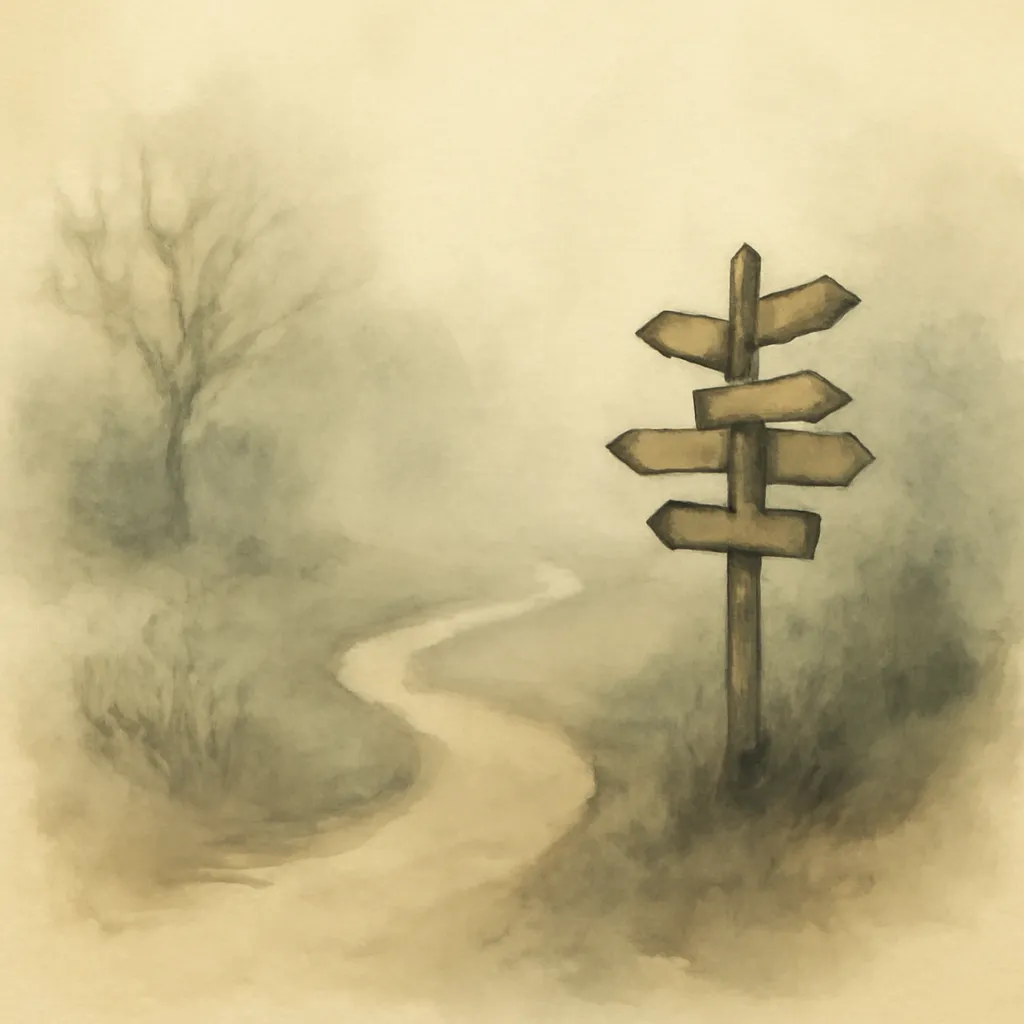
Juan's journey can be seen as a quest for identity, as he navigates a world filled with conflicting values and expectations. Throughout the poem, Juan grapples with his sense of self in relation to the people he encounters. His upbringing is steeped in strict moral teachings, yet his experiences force him to confront the limitations of these ideals. For instance, his relationship with women challenges the notion of purity and virtue that his mother instilled in him. As he interacts with various characters—each representing different facets of society—Juan's identity evolves, revealing the fluid nature of self-perception. This fluidity is a reflection of the Romantic ideal that identity is not fixed but rather shaped by experiences and relationships. Byron’s exploration of Juan’s character reveals the struggles many face in reconciling personal desires with societal expectations, prompting readers to reflect on their own journeys of self-discovery. Through Juan, Byron suggests that true identity often emerges from navigating the complexities of love, society, and personal conviction.
4.The Role of Fate and Chance
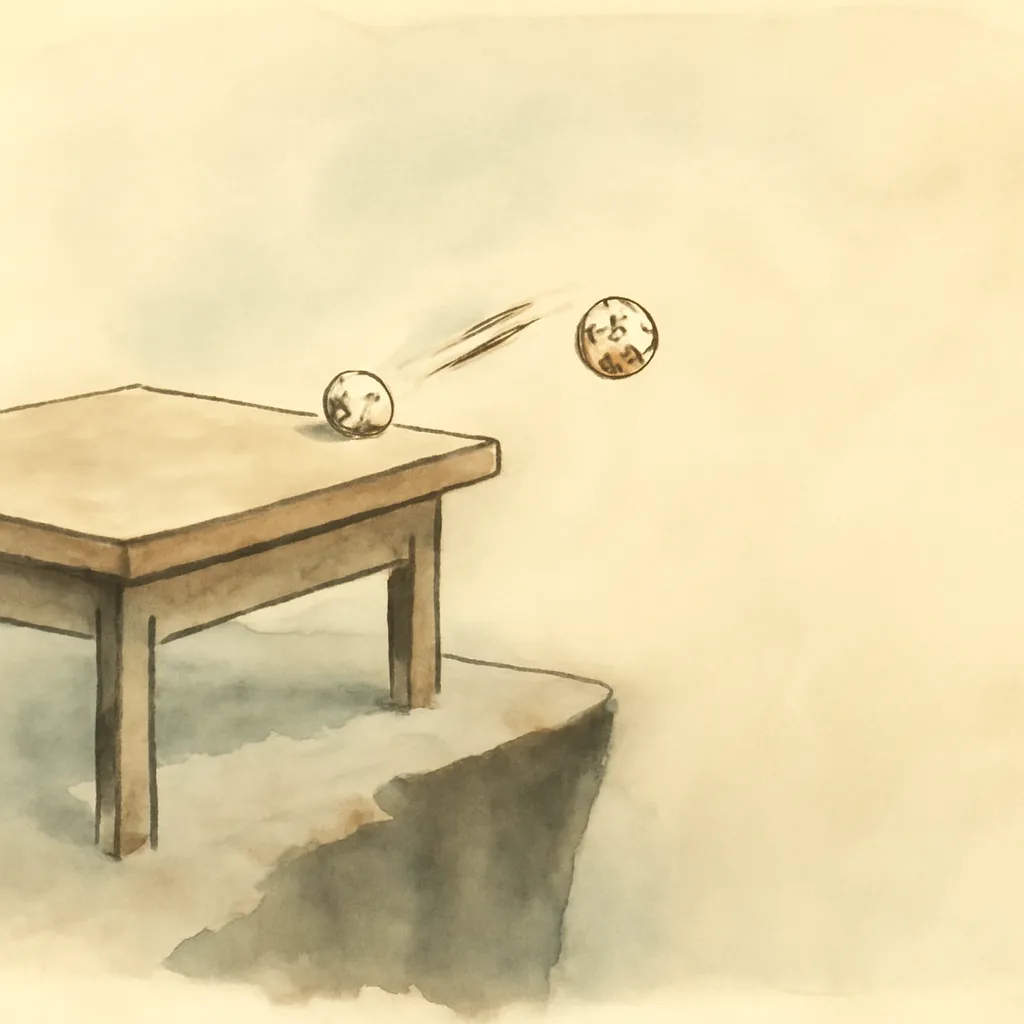
Fate and chance play significant roles in 'Don Juan,' often dictating the course of events in unpredictable ways. Byron presents a world where characters are frequently at the mercy of external forces, underscoring the randomness of life. Juan's adventures are marked by a series of fortunate and unfortunate events that seem to stem from luck rather than his own actions. For example, his survival in dire situations often appears miraculous, prompting reflections on the nature of destiny and the extent to which individuals can control their fates. This theme resonates with readers as it mirrors the unpredictability of human existence. Byron's portrayal of fate invites contemplation on how much control individuals truly have over their lives, suggesting that surrendering to the whims of chance can lead to both serendipity and disaster. The balance between agency and destiny is a central concern in the poem, as it raises questions about the nature of human experience and the forces that shape our paths.
5.Gender Dynamics and Power
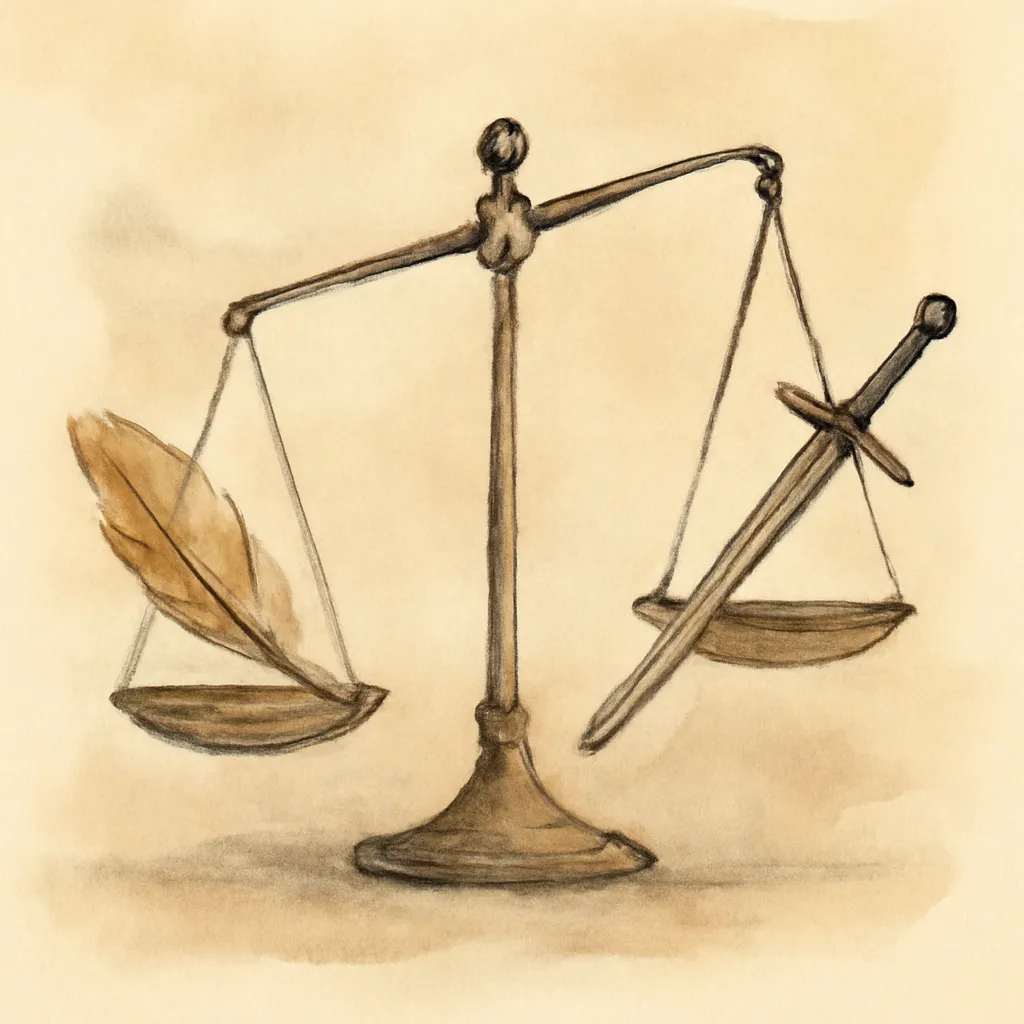
Byron's depiction of gender dynamics in 'Don Juan' reveals the power struggles inherent in romantic relationships. The poem features a range of female characters, each representing different facets of womanhood and societal expectations. Juan's interactions with women such as Julia and Haidee illustrate the complexities of desire, agency, and manipulation. For instance, Julia's initial seduction of Juan is contrasted with her later feelings of guilt and shame, reflecting the societal pressures placed on women to conform to ideals of chastity. Byron critiques these gender norms by showcasing the consequences of rigid roles, suggesting that both men and women suffer under the weight of societal expectations. The power dynamics between genders are further complicated by the influence of wealth, status, and sexuality, prompting readers to reconsider traditional notions of love and power. Byron's exploration of these dynamics serves as a commentary on the societal constructs that both empower and constrain individuals, ultimately advocating for a more nuanced understanding of gender relations.
6.The Absurdity of War
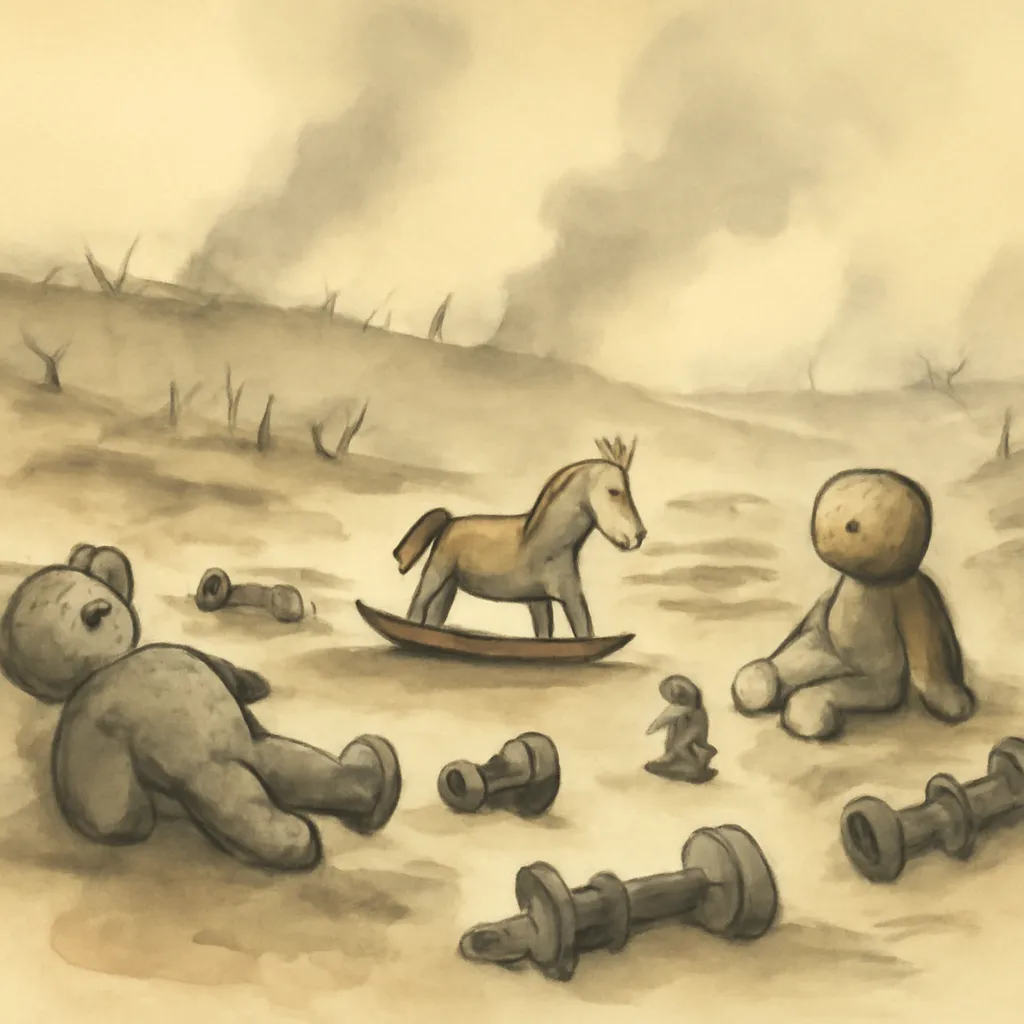
In 'Don Juan,' Byron critiques the absurdity of war and its impact on human lives. The poem features vivid depictions of conflict, illustrating the chaos and destruction that accompany battles. Byron's portrayal of soldiers as pawns in a larger game underscores the senselessness of war, as individuals are often sacrificed for the ambitions of others. Through Juan's experiences, readers witness the brutality of warfare and its dehumanizing effects. The absurdity of war is further emphasized by the juxtaposition of grand ideals with the grim realities faced by those on the front lines, revealing a stark contrast between romanticized notions of glory and the harshness of human suffering. Byron's reflections on war serve as a poignant reminder of the futility of violence, urging readers to question the motives behind conflicts. This critique resonates deeply, highlighting the moral ambiguities that often accompany warfare and the toll it takes on humanity. Through his exploration, Byron advocates for a more compassionate understanding of those affected by the ravages of war.
7.The Search for Freedom
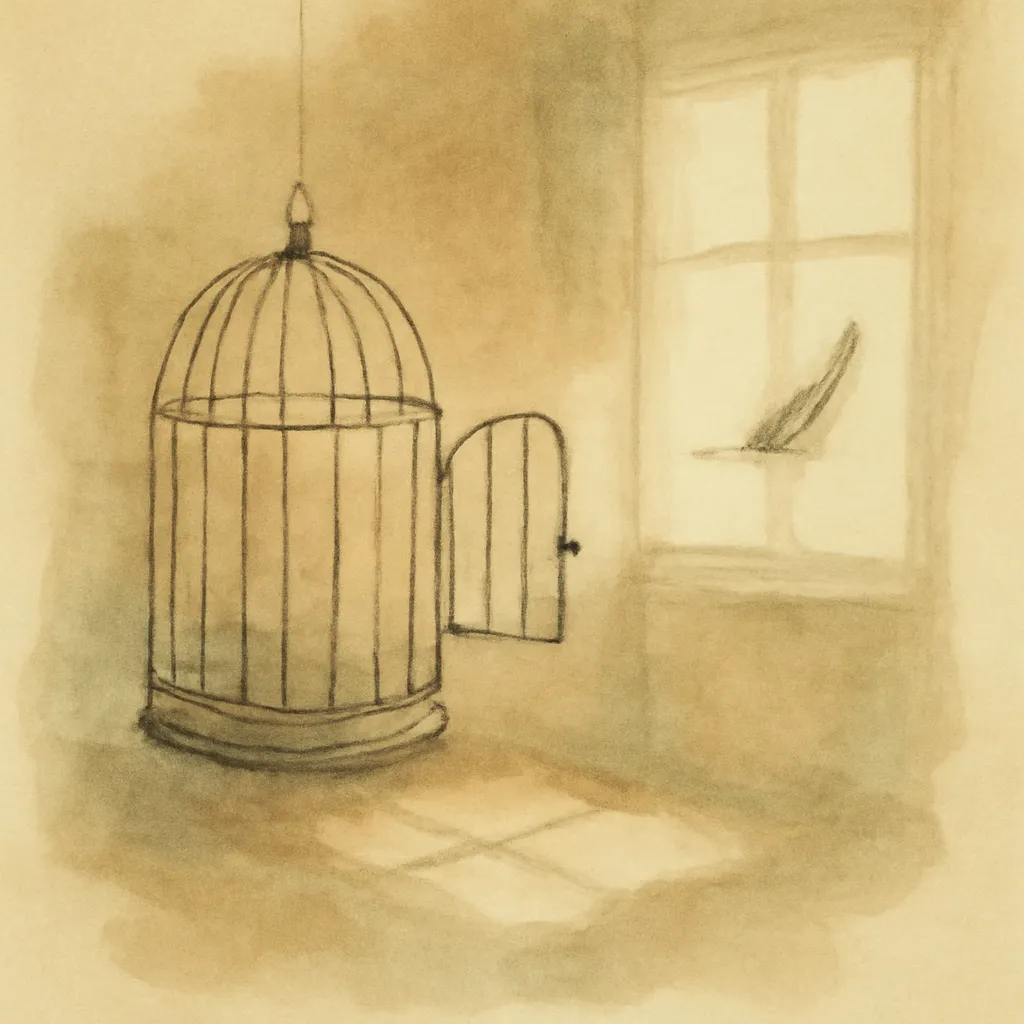
Juan's journey in 'Don Juan' is also a quest for freedom—freedom from societal constraints, moral expectations, and personal limitations. Throughout the poem, Juan strives to break free from the conventions that bind him, seeking autonomy in a world that often seeks to control individual desires. His escapades reflect a desire to explore life on his own terms, unencumbered by the judgments of others. Byron's portrayal of Juan's adventures highlights the tension between personal freedom and societal norms, inviting readers to consider the cost of true liberation. The pursuit of freedom is fraught with challenges, as Juan discovers that the very quest for autonomy can lead to unforeseen consequences. Byron suggests that while the desire for freedom is intrinsic to the human experience, it often comes with a price. This theme resonates with readers, prompting them to reflect on their own struggles for independence and the societal barriers that impede personal growth. Ultimately, Byron's exploration of freedom encourages a deeper understanding of what it means to live authentically in a constrained world.
8.Philosophical Reflections
Byron weaves philosophical reflections throughout 'Don Juan,' questioning the nature of existence, morality, and the human condition. The poem invites readers to ponder profound questions about life, love, and the pursuit of happiness. Byron's musings often take the form of digressions, where he explores themes such as the transience of fame, the illusion of control, and the complexities of human emotions. His reflections challenge readers to confront their own beliefs and values, prompting introspection about the essence of life. By framing these philosophical inquiries within the context of Juan's adventures, Byron creates a rich tapestry of thought that resonates with readers on multiple levels. The poem ultimately serves as a philosophical exploration of what it means to be human, navigating the joys and sorrows that accompany existence. Byron's insights urge readers to seek meaning in the chaos of life, emphasizing the importance of individual experience and personal reflection.
9.A Playful Narrative Style
Byron's playful narrative style in 'Don Juan' is characterized by wit, humor, and a conversational tone that draws readers in. The poem employs a mix of heroic couplets and varied rhythms, creating a dynamic reading experience. Byron's use of irony and satire adds layers of meaning to the text, inviting readers to engage critically with the themes presented. The conversational asides and direct addresses to the reader create an intimate connection, making the poem feel alive and relevant. This playful approach allows Byron to tackle serious subjects while maintaining a light-hearted tone, balancing humor with depth. The result is a work that entertains while provoking thought, showcasing Byron's masterful command of language and form. Readers are not merely passive observers but active participants in the unfolding narrative, encouraged to reflect on their own lives through Juan's journey. Byron's narrative style enhances the poem's themes and invites exploration of the human experience through a lens of both levity and gravity.