1.The Birth of a Knight-Errant
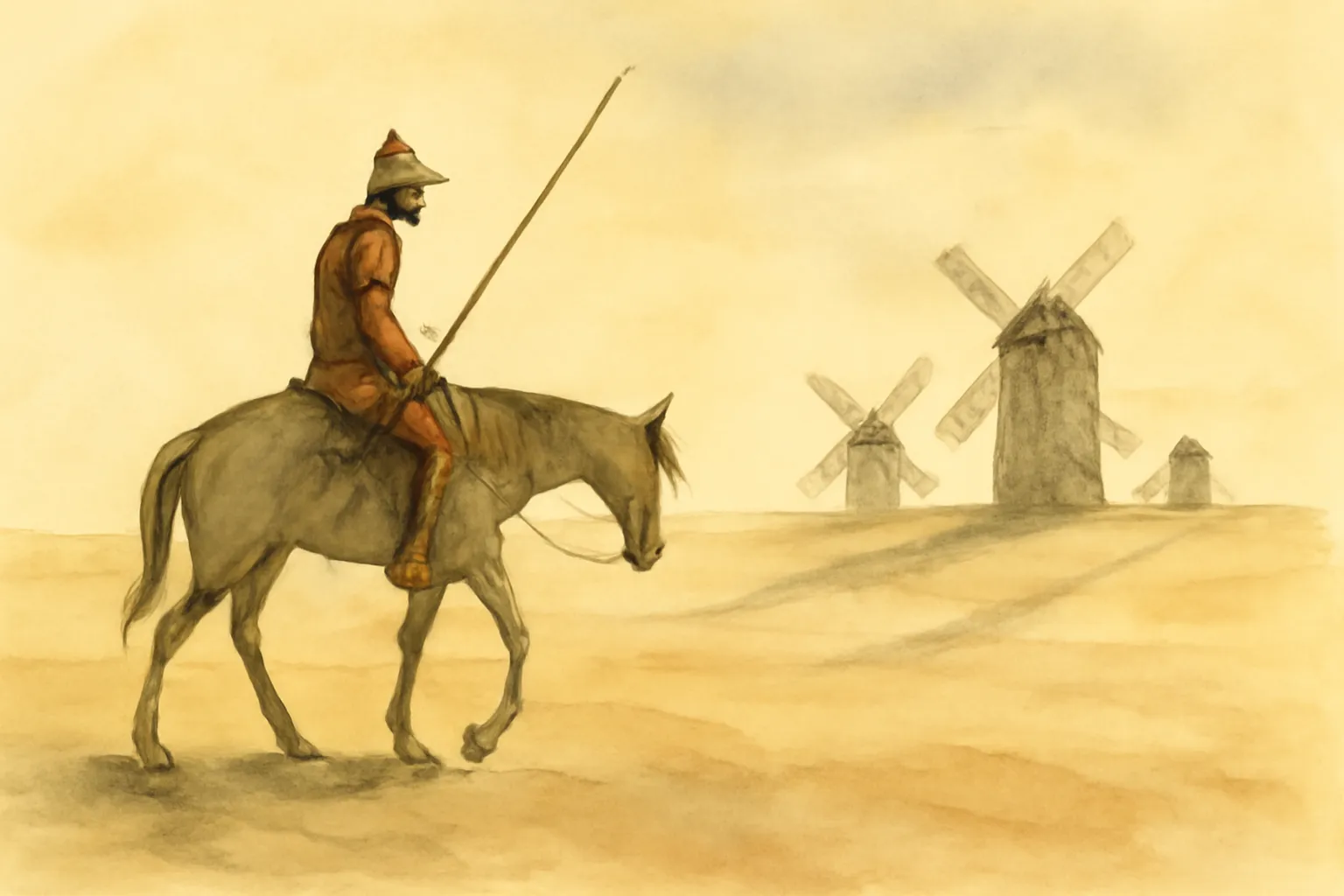
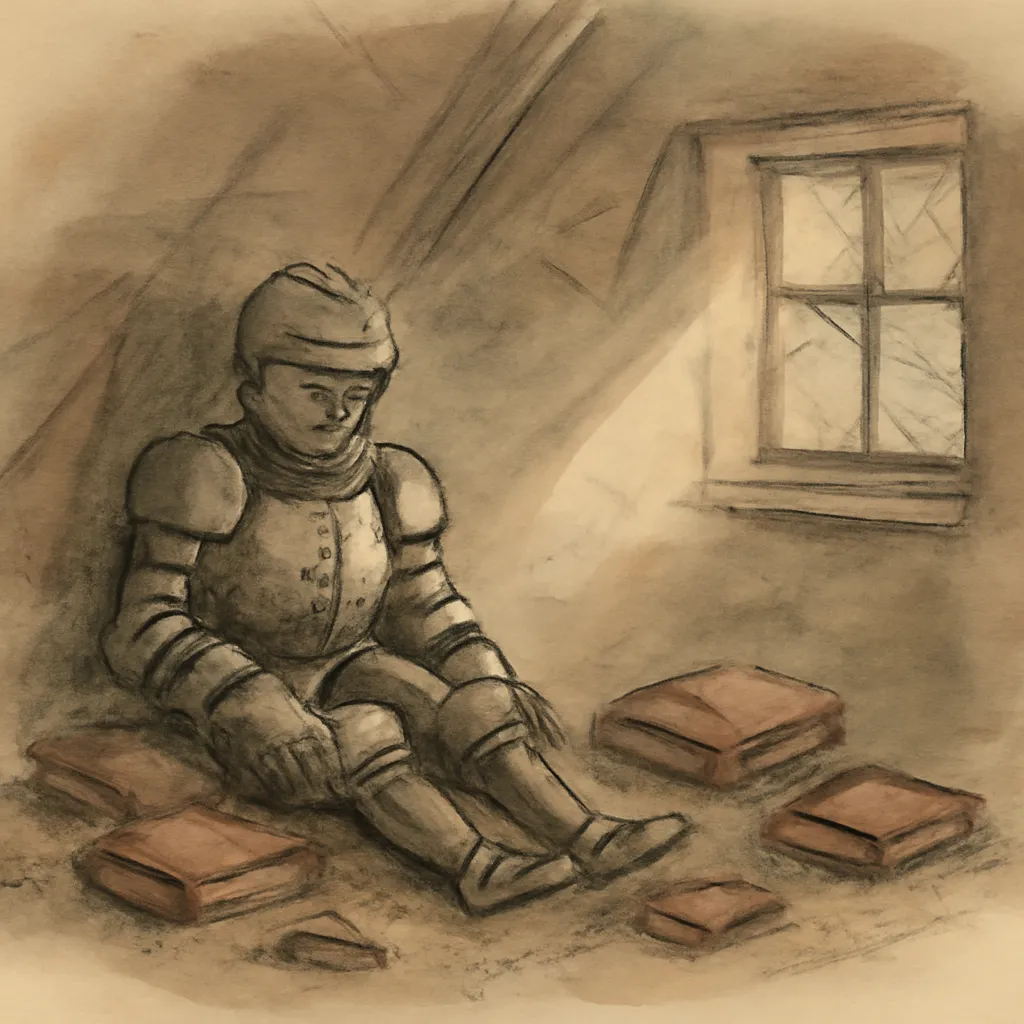
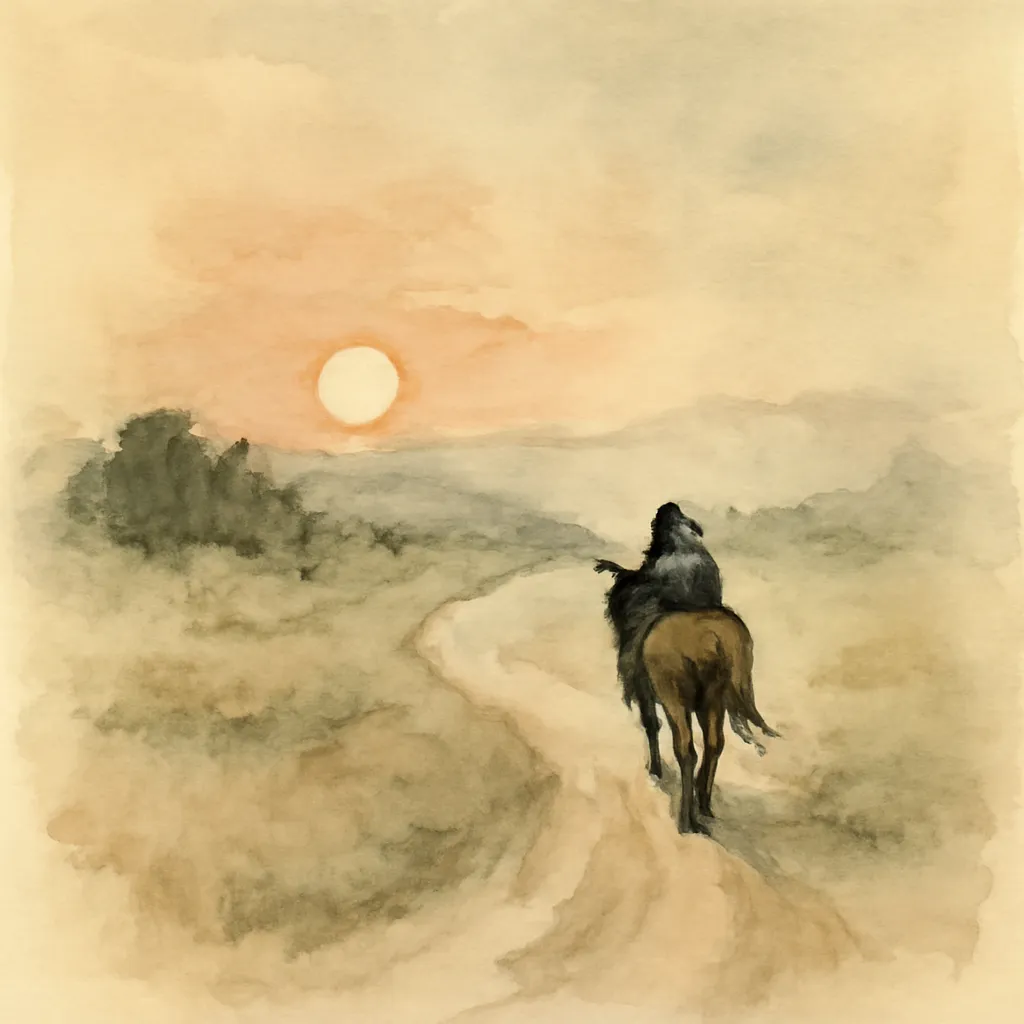
Don Quixote, an aging gentleman from La Mancha, becomes obsessed with chivalric romances, leading him to abandon his mundane life to become a knight-errant. He dons an old suit of armor and sets out on his horse, Rocinante, believing he is destined to revive chivalry. This transformation is not just a quest for adventure; it embodies a deep yearning for purpose and meaning in a changing world. His delusions are rooted in a desire to right wrongs and defend the helpless, showcasing the noble intentions that often accompany madness. The irony lies in his inability to distinguish between the fantasy of knighthood and the harsh realities he encounters, setting the stage for a rich exploration of human folly.
2.Sancho Panza: The Pragmatic Squire
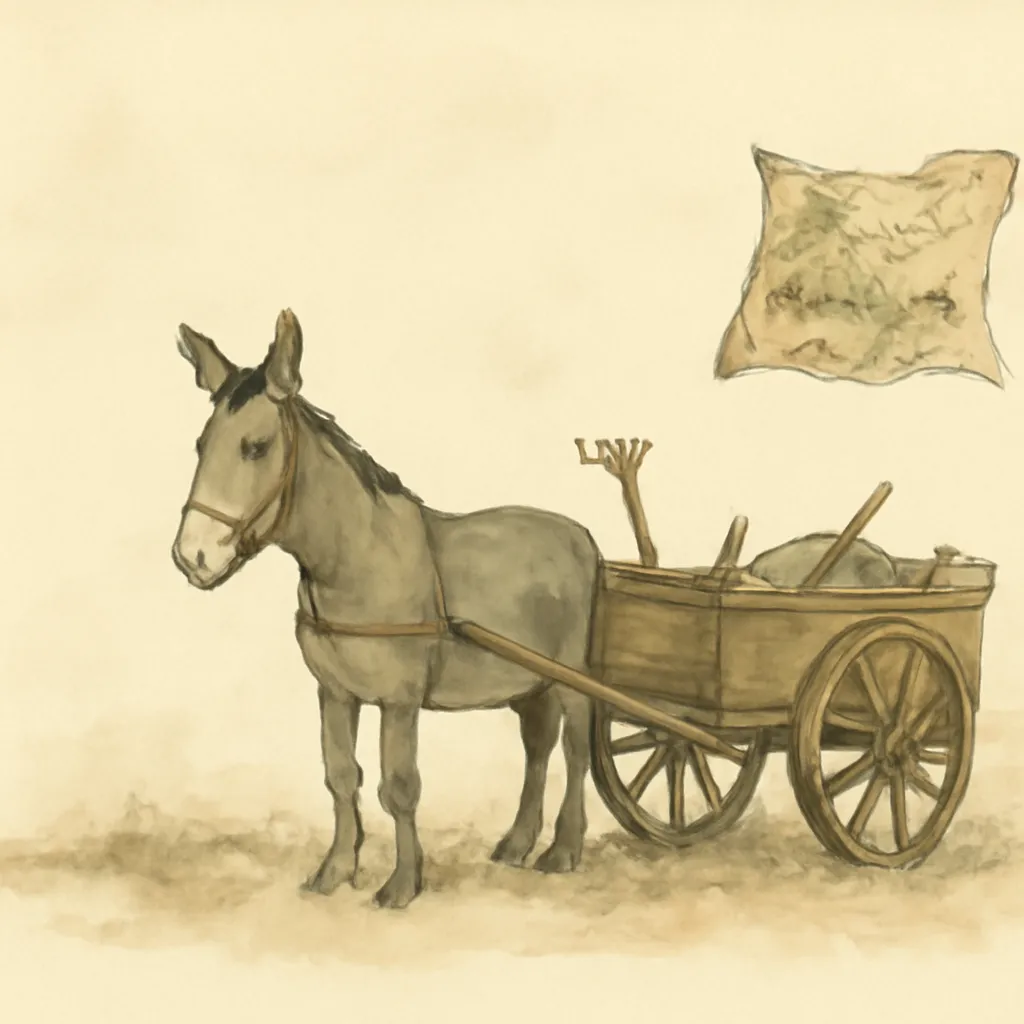
Sancho Panza serves as the perfect foil to Don Quixote's idealism, providing a grounded perspective on the events that unfold. He is a simple farmer who becomes Don Quixote's loyal squire, driven by the hope of gaining wealth and status. Sancho's practical wisdom often contrasts with Don Quixote's lofty aspirations, creating a dynamic interplay between dream and reality. His humorous observations and pragmatic approach to their adventures highlight the absurdity of Don Quixote's quests. For instance, while Don Quixote sees giants in windmills, Sancho recognizes them for what they are, underscoring the theme of misperception that permeates the narrative. Sancho's loyalty and his own small dreams add depth to the story, making him a relatable character that resonates with readers.
3.Chivalry vs. Reality
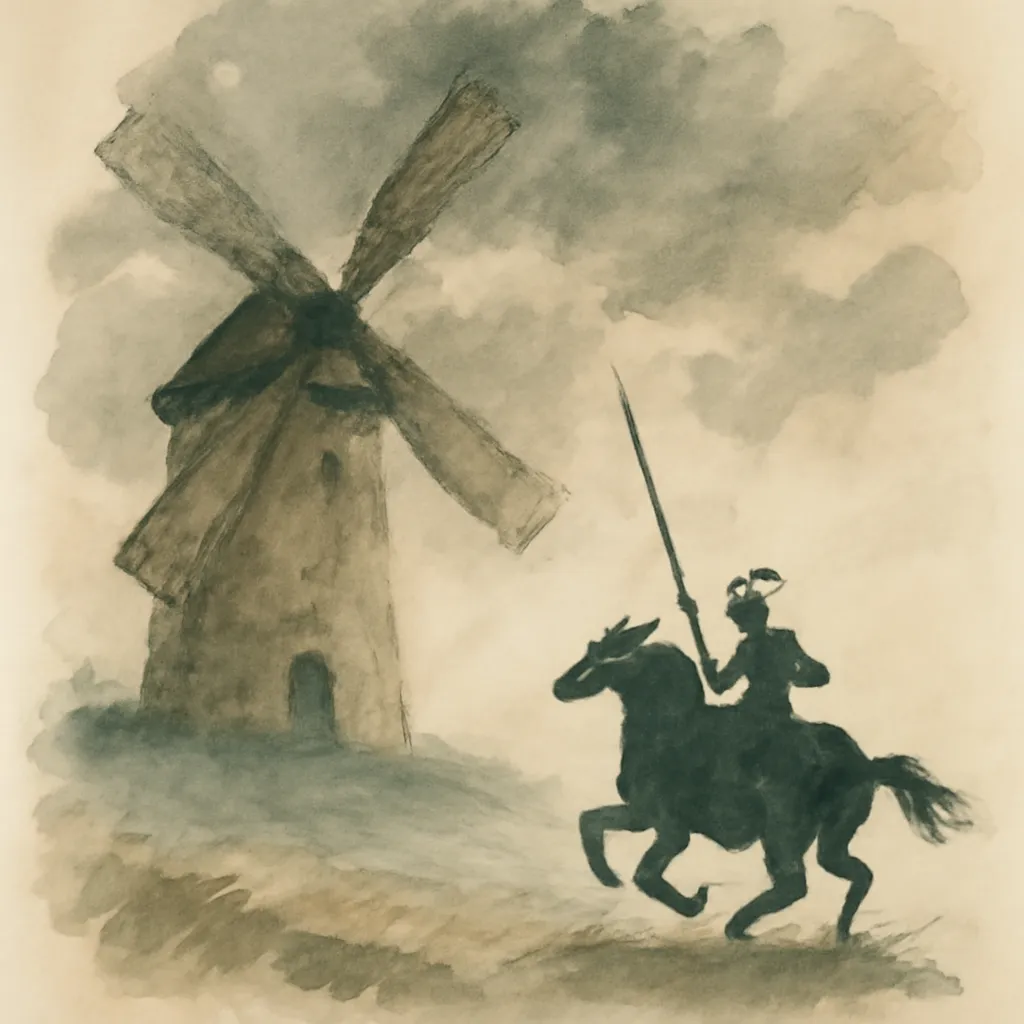
The central conflict of 'Don Quixote' revolves around the clash between chivalric ideals and the realities of the world. Don Quixote's delusions lead him to engage in battles against imagined foes, such as windmills, which he believes to be giants. This absurdity highlights the folly of his quest, as he attempts to impose a romanticized view of knighthood onto a world that no longer values such ideals. Cervantes uses this contrast to critique the outdated notions of honor and bravery that Don Quixote embodies. The character's unwavering commitment to his chivalric code, despite the ridicule and danger it brings him, raises questions about the nature of heroism and the human desire to find meaning in life, even when it is rooted in illusion.
4.The Power of Literature
Literature plays a crucial role in shaping Don Quixote's identity and actions, as his obsession with chivalric romances leads him to reject his reality. The books he reads fill him with noble aspirations, but they also distort his perception of the world. Cervantes intricately weaves the theme of literature's influence throughout the narrative, illustrating how storytelling can inspire both greatness and folly. Don Quixote's misguided quests serve as a commentary on the impact of literature on society, questioning whether stories should be revered or critiqued. His adventures expose the potential consequences of immersing oneself too deeply in fiction, blurring the lines between reality and imagination, and prompting readers to reflect on their own relationship with narratives.
5.The Role of Women
Women in 'Don Quixote' are portrayed through various lenses, reflecting the complexities of gender dynamics in Cervantes' time. Characters like Dulcinea del Toboso, the imagined lady love of Don Quixote, embody the idealized, unattainable woman that fuels his chivalric fantasies. However, the reality of women like Marcela, a shepherdess who defies social norms, presents a more nuanced view of femininity. Through these characters, Cervantes explores themes of desire, virtue, and autonomy, ultimately questioning the societal expectations placed on women. The contrast between Don Quixote's romanticized view of women and the realities of their lives serves to highlight the absurdities of his quests and the limitations of his understanding, enriching the narrative's exploration of gender.
6.Madness and Sanity
The theme of madness is intricately woven into the fabric of 'Don Quixote,' as the protagonist's delusions blur the line between sanity and insanity. Don Quixote's unwavering belief in his knightly identity raises questions about what constitutes true madness. Is it his delusion or the world's rejection of his ideals that truly defines insanity? Cervantes plays with this theme, suggesting that perhaps it is the rigid adherence to societal norms that is more insane than the pursuit of one's dreams. This exploration of madness invites readers to consider the nature of reality and the ways in which individuals construct their identities, often at odds with societal expectations. The duality of Don Quixote's madness and Sancho's grounded perspective creates a rich dialogue about the human experience.
7.The Nature of Adventure
Don Quixote's adventures serve as a vehicle for exploring the nature of heroism and the significance of the quest. Each encounter, from battling windmills to confronting bandits, reflects his commitment to the chivalric code despite the absurdity of his actions. These adventures, while often comedic, reveal deeper insights into the human condition and the universal quest for purpose. Cervantes uses Don Quixote's misadventures to illustrate the idea that the journey is often more significant than the destination. The narrative invites readers to reflect on their own pursuits, suggesting that the act of striving for one's ideals, no matter how misguided, is a fundamental aspect of the human experience that deserves recognition.
8.The Influence of Social Class
Social class plays a significant role in 'Don Quixote,' influencing character interactions and the perception of chivalry. Don Quixote, as a gentleman of modest means, embodies the complexities of social mobility and the aspirations of the lower nobility. His quest for knighthood reflects a desire to transcend his social status and gain recognition in a society that values honor and valor. In contrast, characters like Sancho Panza represent the lower classes, whose practical concerns often clash with Don Quixote's lofty ideals. Through their relationship, Cervantes critiques the rigid social hierarchies of his time, suggesting that true nobility lies not in titles but in one's actions and intentions. This exploration of class dynamics adds depth to the narrative, inviting readers to consider the societal structures that shape individual identities.
9.The Journey Home
The conclusion of 'Don Quixote' sees the protagonist's return to reality, embodying the journey from illusion to acceptance. After a series of misadventures, Don Quixote ultimately recognizes the futility of his quests and the absurdity of his dreams. This return home serves as a poignant reflection on the nature of personal growth and the acceptance of one's limitations. Cervantes masterfully navigates this transition, illustrating how the journey transforms Don Quixote, leading him to a deeper understanding of himself and the world around him. The ending invites readers to confront their own illusions and embrace the complexities of reality, emphasizing that the pursuit of dreams is valuable, but so is the wisdom gained from facing the truth.
10.Legacy of Don Quixote
The legacy of 'Don Quixote' extends far beyond its narrative, influencing literature and culture for centuries. Cervantes' exploration of themes such as identity, reality, and the nature of heroism has resonated with readers and writers alike. The character of Don Quixote has become a symbol of the idealist who dares to dream, even in the face of overwhelming odds. This enduring influence is evident in countless adaptations and reinterpretations, showcasing the timeless relevance of Cervantes' work. As readers engage with 'Don Quixote,' they are invited to reflect on their own aspirations and the absurdities of life, ensuring that the spirit of adventure and the quest for meaning continue to inspire generations.