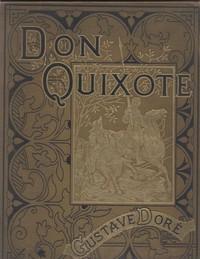

A would-be knight tilts at windmills — the first modern novel, comic and profound.
Read full overviewShow less›
At its heart, 'Don Quixote' is a tale of dreams, delusions, and the pursuit of chivalric ideals in a world that has moved on from such notions. Miguel de Cervantes crafts a rich narrative that explores the nature of reality through the eyes of an aging gentleman who becomes so enamored with the tales of knightly adventures that he sets out to revive the age of chivalry. The journey of Don Quixote, accompanied by his pragmatic squire Sancho Panza, serves as a mirror reflecting both the nobility and folly of humanity. This summary will delve into the key themes, characters, and events that make 'Don Quixote' a timeless exploration of ambition, identity, and the human spirit.
'Don Quixote' is not merely a story of a misguided knight; it is a profound exploration of the human condition that resonates with readers across generations. Cervantes invites us to reflect on our own dreams and the absurdities of life, challenging us to confront the illusions that shape our identities. The interplay between Don Quixote's idealism and Sancho Panza's pragmatism serves as a reminder that the pursuit of meaning is a universal endeavor, even when it leads to folly. Ultimately, the legacy of 'Don Quixote' lies in its ability to inspire introspection and empathy, encouraging us to embrace both the dreams we chase and the realities we face.
- 1The Birth of a Knight-Errant
- 2Sancho Panza: The Pragmatic Squire
- 3Chivalry vs. Reality
- 4The Power of Literature
- 5The Role of Women
A glimpse inside

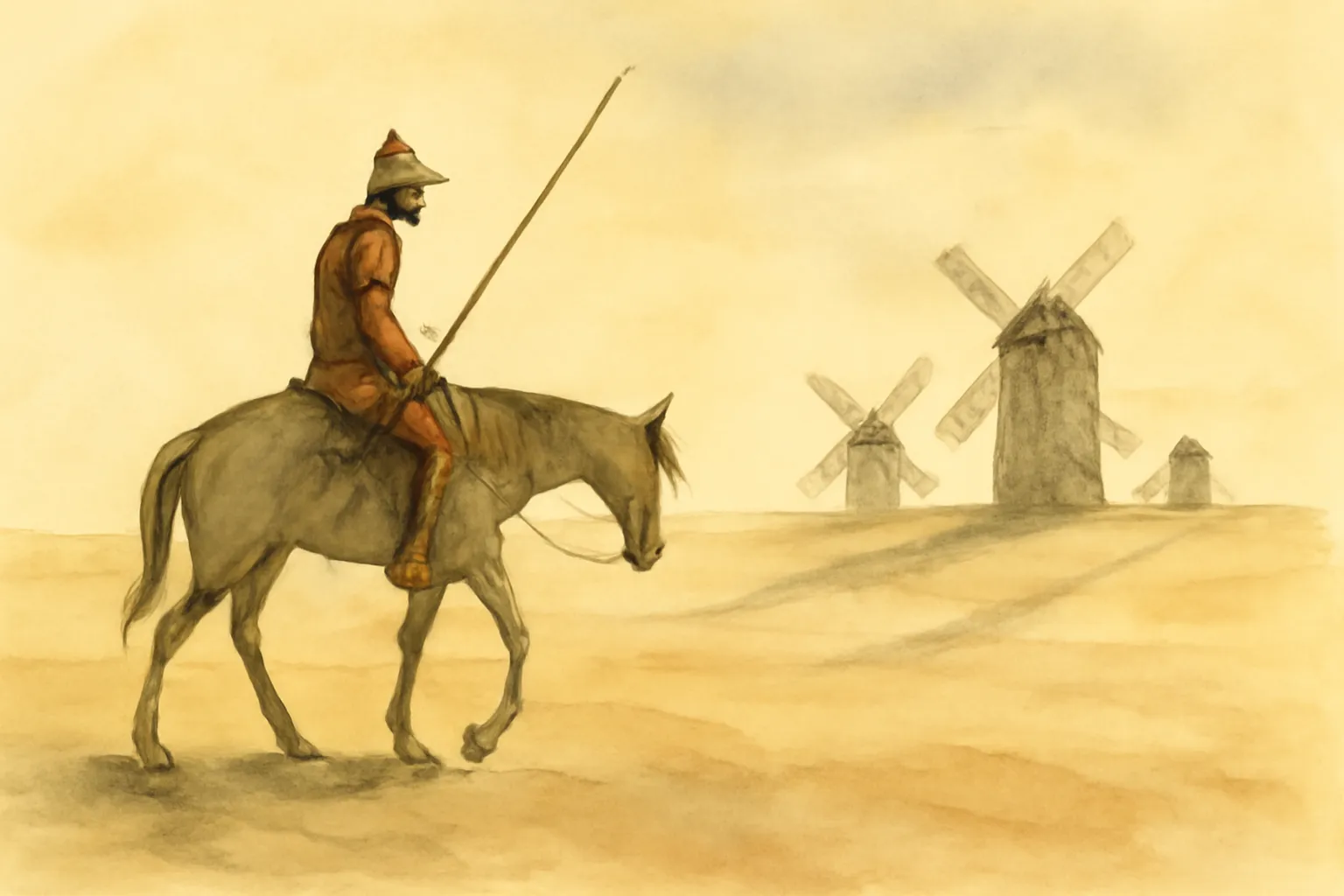
Don Quixote, an aging gentleman from La Mancha, becomes obsessed with chivalric romances, leading him to abandon his mundane life to become a knight-errant. Read moreDon Quixote, an aging gentleman from La Mancha, becomes obsessed with chivalric romances, leading him to abandon his mundane life to become a knight-errant. He dons an old suit of armor and sets out on his horse, Rocinante, believing he is destined to revive chivalry. This transformation is not just a quest for adventure; it embodies a deep yearning for purpose and meaning in a changing world. His delusions are rooted in a desire to right wrongs and defend the helpless, showcasing the noble intentions that often accompany madness. The irony lies in his inability to distinguish between the fantasy of knighthood and the harsh realities he encounters, setting the stage for a rich exploration of human folly. Show less
Sancho Panza serves as the perfect foil to Don Quixote's idealism, providing a grounded perspective on the events that unfold. Read moreSancho Panza serves as the perfect foil to Don Quixote's idealism, providing a grounded perspective on the events that unfold. He is a simple farmer who becomes Don Quixote's loyal squire, driven by the hope of gaining wealth and status. Sancho's practical wisdom often contrasts with Don Quixote's lofty aspirations, creating a dynamic interplay between dream and reality. His humorous observations and pragmatic approach to their adventures highlight the absurdity of Don Quixote's quests. For instance, while Don Quixote sees giants in windmills, Sancho recognizes them for what they are, underscoring the theme of misperception that permeates the narrative. Sancho's loyalty and his own small dreams add depth to the story, making him a relatable character that resonates with readers. Show less
Read the full text — free
About the author
Read Miguel de Cervantes's work free on Lumina — the complete text plus an 8-minute summary and key ideas, no account needed.
Frequently asked
Worlds to get lost in
Take Lumina everywhere
Read offline, listen to AI summaries, speed-read, and sync your progress across devices — free on iPhone.
Download for iPhone