1.The Journey into Darkness
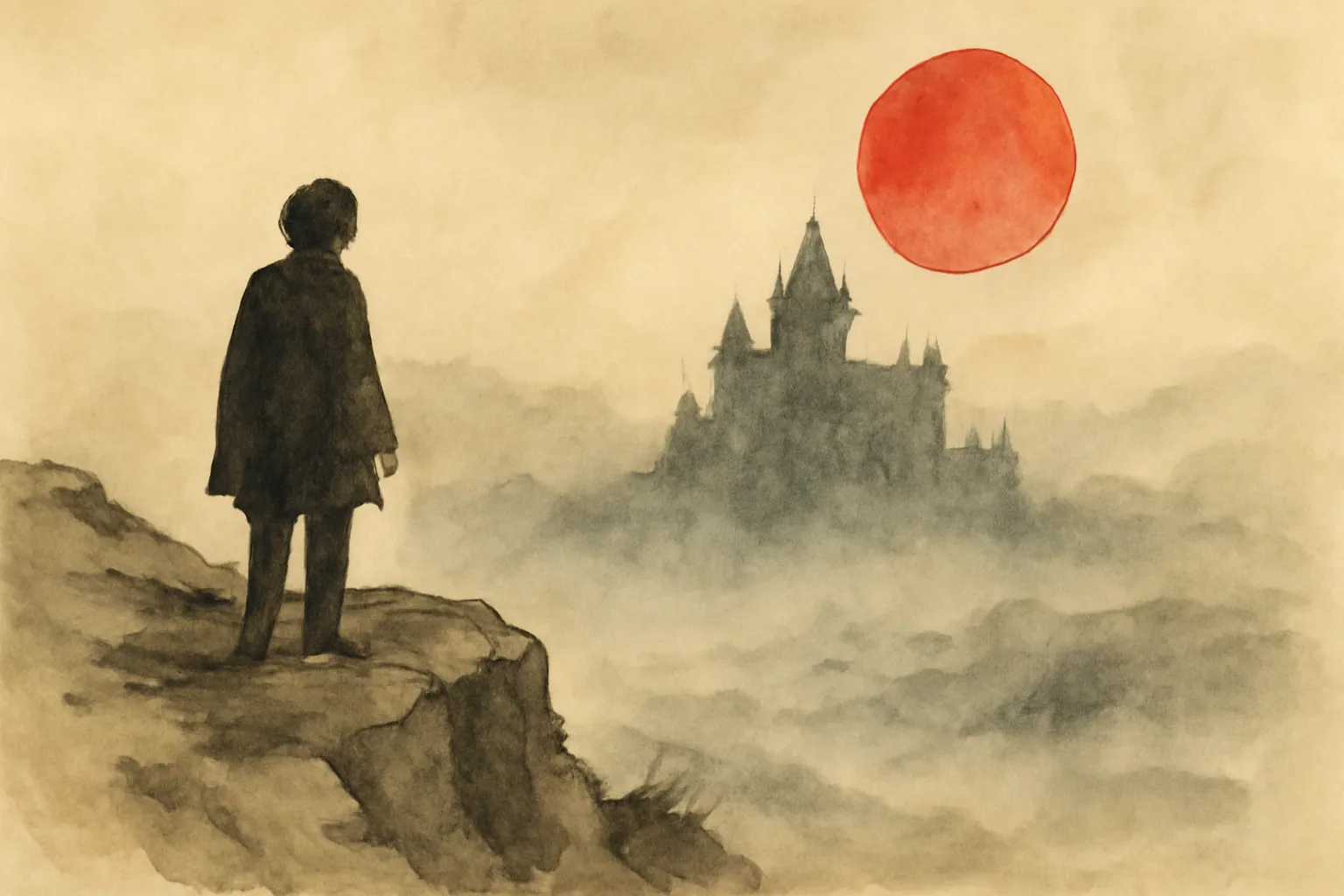
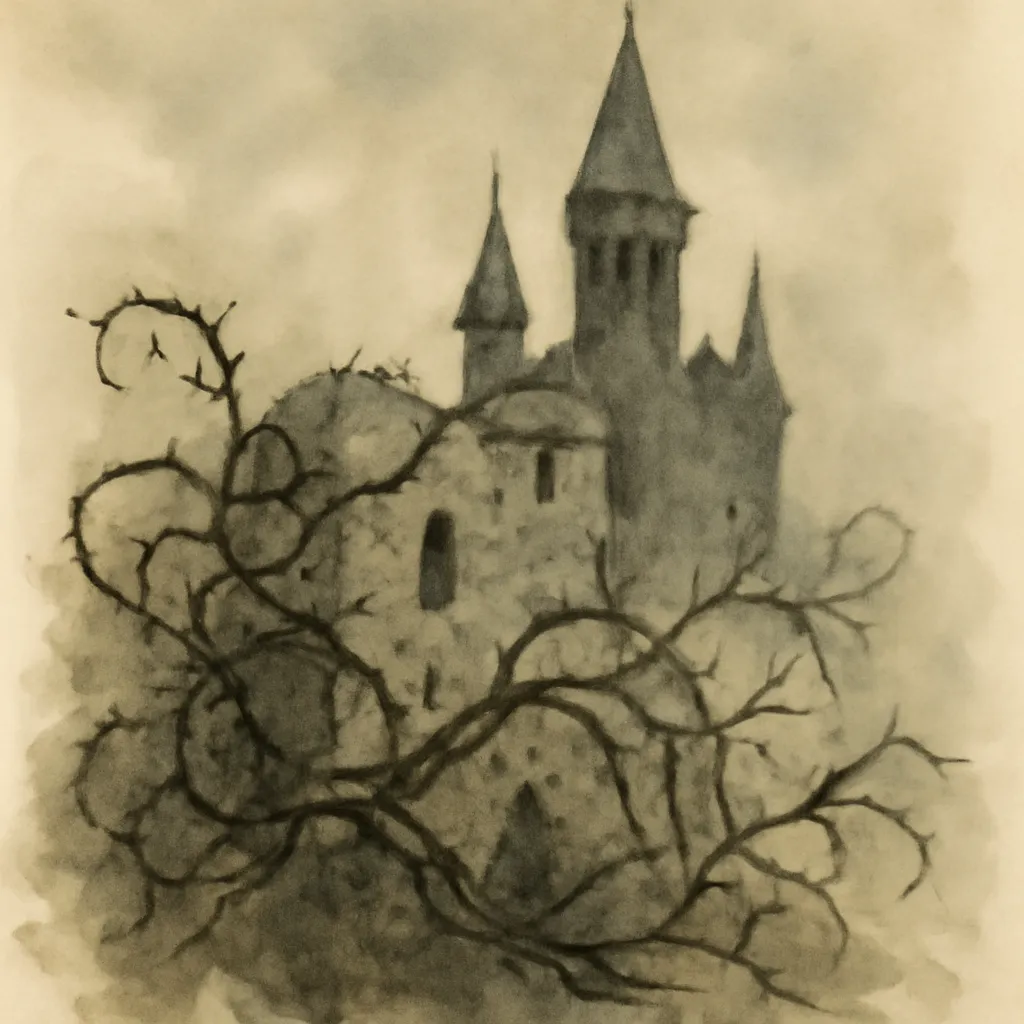
Jonathan Harker's journey begins in the bustling cities of Europe, but it quickly transitions into the eerie and foreboding landscapes of Transylvania. His travel journal details his experiences, including his initial impressions of Bistritz and the ominous Castle Dracula. Stoker vividly describes the contrast between the civilized West and the mysterious East, setting the stage for Harker's psychological descent into fear and isolation. As he arrives at the castle, the atmosphere shifts from curiosity to dread, emphasizing the theme of the unknown. Harker's experiences serve as a metaphor for the broader societal fears of the time, where the encroaching modern world is juxtaposed against ancient, primal forces.
2.The Nature of Evil
Count Dracula embodies the archetype of the charismatic yet malevolent villain, representing the fear of the 'other' in Victorian society. His ability to seduce and manipulate those around him highlights the complexities of evil, which is not merely a force to be vanquished but one that can allure and captivate. Stoker's portrayal of Dracula is multifaceted; he is both a predator and a tragic figure, cursed to wander the earth in search of life and connection. This duality raises questions about the nature of evil itself: is it inherent, or is it a result of circumstance? Dracula's interactions with characters like Mina and Lucy illustrate how easily one can fall prey to darkness, suggesting that evil can flourish in the most unsuspecting places.
3.Victorian Gender Dynamics
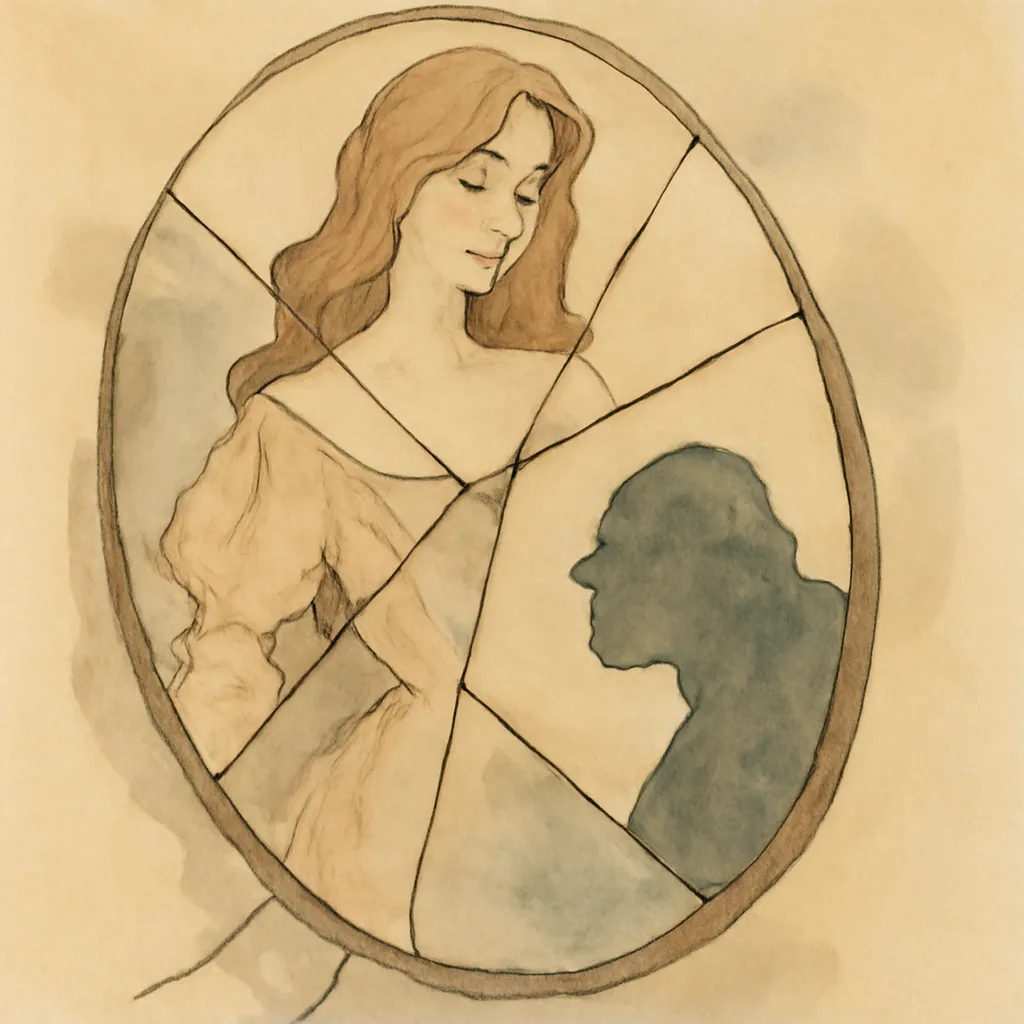
The relationships between the male and female characters in 'Dracula' reflect the rigid gender roles of the Victorian era. Mina Harker and Lucy Westenra serve as representations of idealized femininity, embodying both innocence and purity. However, their encounters with Dracula challenge these ideals, as they are both subjected to his predatory desires. Lucy's transformation into a vampire after her death symbolizes the fear of female sexuality and autonomy, as her rebirth into a creature of the night strips her of her humanity. Stoker critiques the societal expectations placed on women, revealing the tension between the desire for independence and the constraints imposed by patriarchal norms. The struggle for control over their bodies and destinies becomes a central conflict in the narrative.
4.The Power of Friendship and Unity
As the characters band together to combat Dracula, the theme of friendship and collective strength emerges. Dr. Seward, Quincy Morris, Arthur Holmwood, and Van Helsing represent a diverse group united by a common purpose: to save Lucy and ultimately stop Dracula. Their camaraderie is essential in overcoming the threats posed by the Count, highlighting the importance of loyalty and collaboration in the face of adversity. Stoker emphasizes that individual strength is not enough; it is through their shared experiences and sacrifices that they find the courage to confront the darkness. The bond they forge serves as a testament to the power of human connection, suggesting that together, they can triumph over evil.
5.The Role of Science and Rationality
The clash between science and superstition is a recurring theme in 'Dracula', reflecting the anxieties of a society undergoing rapid modernization. Characters like Dr. Seward and Van Helsing represent the scientific approach to understanding and combating Dracula's supernatural powers. Their reliance on empirical evidence and medical knowledge contrasts sharply with the ancient folklore surrounding vampires. However, as the events unfold, it becomes clear that reason alone is insufficient to explain the horrors they face. The novel suggests that while science can offer explanations, it cannot fully grasp the complexities of human experience or the supernatural. This tension between rationality and the inexplicable underscores the limitations of modernity in the face of ancient evil.
6.Fear of the Unknown
Stoker skillfully invokes a sense of dread throughout 'Dracula' by exploring the fear of the unknown. The characters are constantly confronted with mysteries that defy explanation, from the inexplicable behavior of Renfield to the ominous presence of the Count. This fear permeates the narrative, manifesting in various forms: fear of death, fear of the supernatural, and fear of losing one's identity. The unknown becomes a character in its own right, lurking in the shadows and instilling paranoia in the characters. As they grapple with their fears, the novel reveals the fragility of sanity and the human psyche when faced with forces beyond comprehension. This theme resonates deeply with readers, tapping into universal anxieties about the limits of knowledge and control.
7.The Symbolism of Blood
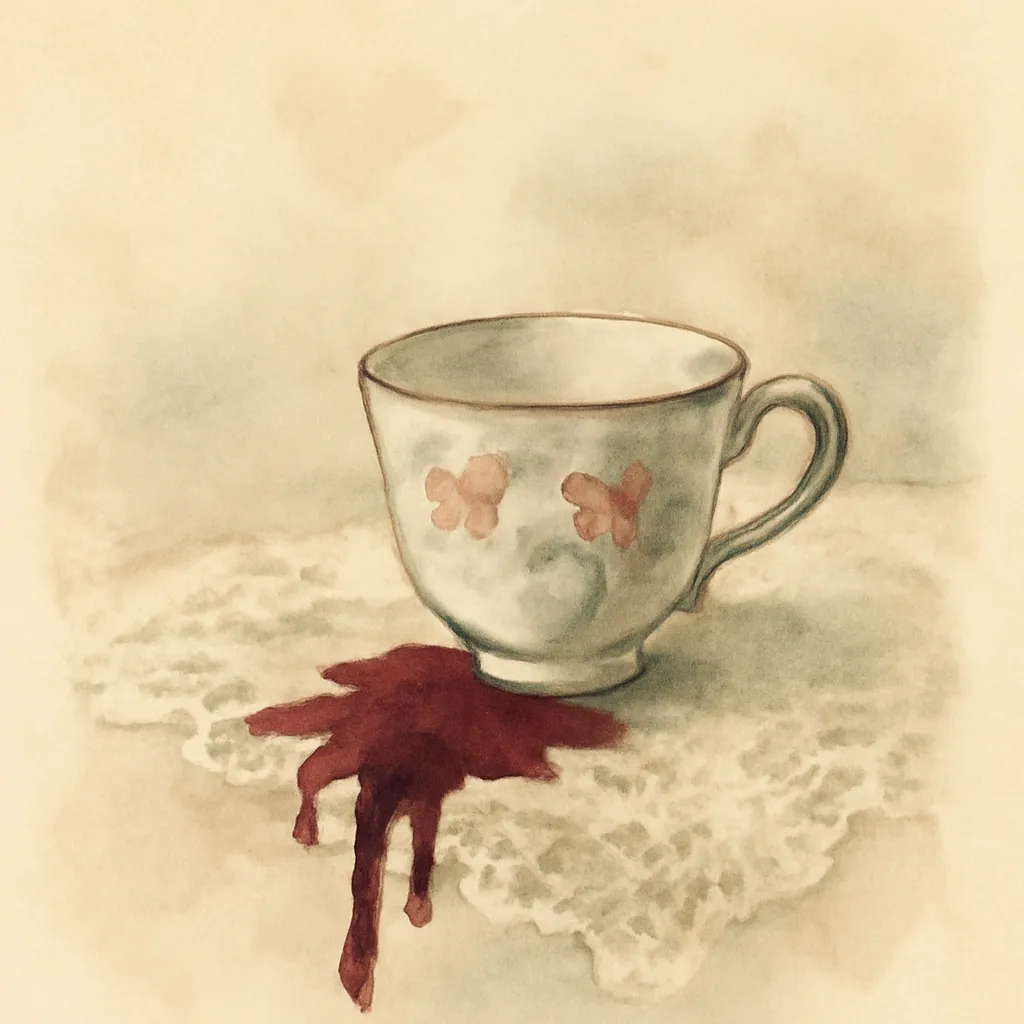
Blood is a powerful symbol in 'Dracula', representing life, death, and the connection between the characters. For Dracula, blood is the source of his immortality, while for his victims, it signifies both a loss of life and a transformation into something monstrous. The act of blood-drinking transcends mere physicality; it becomes an intimate exchange that binds the vampire and the victim in a grotesque union. Stoker uses blood to explore themes of desire and domination, where the act of feeding becomes a metaphor for control and submission. The characters' relationships with blood reveal their inner struggles, as they confront the dualities of life and death, love and fear. In this way, blood serves as a conduit for the exploration of deeper existential questions.
8.The Gothic Atmosphere
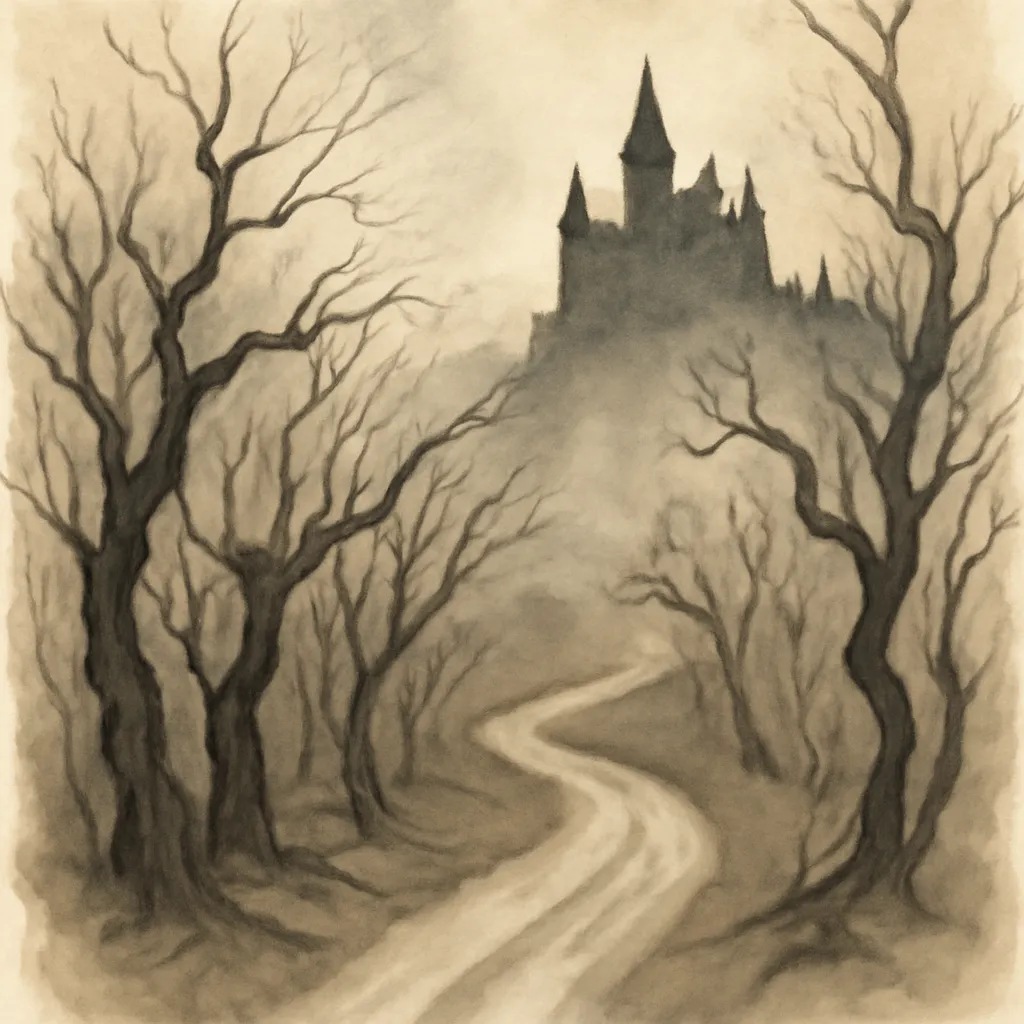
Stoker's use of Gothic elements creates an oppressive atmosphere that enhances the novel's sense of dread. The settings, from the gloomy castle in Transylvania to the fog-laden streets of London, contribute to the overall tone of the story. Stoker employs vivid imagery and sensory details to immerse readers in these environments, evoking feelings of claustrophobia and unease. The presence of ancient ruins, dark forests, and decaying landscapes serves as a constant reminder of the past's influence on the present. This Gothic atmosphere not only heightens the tension but also reflects the characters' internal struggles as they navigate their fears and confront the monstrous forces at play. The landscape becomes a character in its own right, mirroring the emotional turmoil of the protagonists.
9.The Consequences of Repression
The characters in 'Dracula' grapple with their inner desires and fears, often leading to tragic consequences. The repression of emotions, particularly in the case of Mina and Lucy, manifests in their encounters with Dracula, who exploits their vulnerabilities. Lucy's struggle against her own desires ultimately leads to her transformation into a vampire, symbolizing the dangers of societal repression regarding female sexuality. Mina's eventual submission to Dracula's influence highlights the precariousness of her autonomy and the consequences of ignoring one's inner self. Stoker critiques the Victorian ideals that suppress natural instincts, suggesting that such repression can lead to destructive outcomes. The characters' journeys serve as cautionary tales about the importance of embracing one's true nature rather than succumbing to societal expectations.
10.The Quest for Redemption
Throughout 'Dracula', characters seek redemption in various forms, whether through love, sacrifice, or the pursuit of justice. Jonathan Harker's return to confront Dracula represents a personal quest for redemption, as he seeks to reclaim his agency and protect Mina. Van Helsing embodies the archetype of the savior, dedicating himself to the fight against evil and the protection of the innocent. Their journeys highlight the theme of redemption as a driving force in the narrative, suggesting that the struggle against darkness is not just external but also internal. Each character's quest for redemption is intertwined with their relationships, emphasizing the importance of human connection in overcoming personal demons. The novel ultimately suggests that redemption is possible, but it requires courage, sacrifice, and a willingness to confront one's fears.