Fiction · Adventure
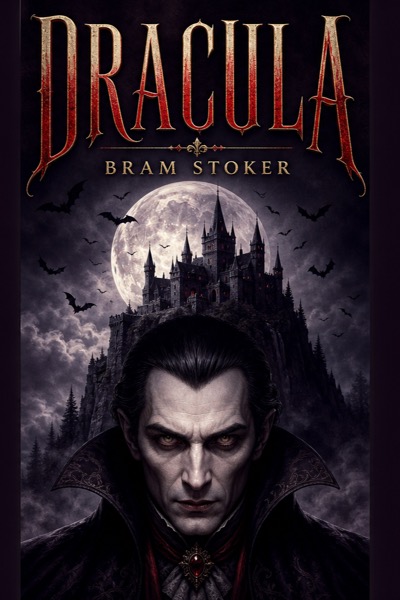
Dracula by Bram Stoker — Summary, Key Ideas & Full Text
532 pages27 chapters10h 41m read7h 35m speed read✦ 8-min Big ideas★ 4.0 (238)Free · no account
Rate it
Bram Stoker's 'Dracula' explores the clash between modernity and ancient evil through a gripping tale of a vampire's pursuit of power and love
In 'Dracula', Bram Stoker weaves a haunting narrative that combines elements of horror, romance, and adventure, ultimately questioning the nature of good and evil. Set against the backdrop of Victorian England and the mysterious landscapes of Transylvania, the story follows a group of individuals whose lives become intertwined with the dark figure of Count Dracula. As they grapple with the supernatural forces at play, themes of fear, desire, and the struggle for control emerge, inviting readers to reflect on the boundaries between civilization and savagery. This summary delves into the key ideas and memorable moments of the novel, providing insights into its characters, themes, and lasting impact on literature and popular culture.
Bram Stoker's 'Dracula' remains a timeless exploration of the battle between good and evil, the complexities of human desire, and the societal fears that shape our understanding of the unknown. Through its richly developed characters and atmospheric settings, the novel delves into the darker aspects of human nature, inviting readers to confront their own fears and desires. The themes of friendship, redemption, and the clash between modernity and ancient evil resonate across generations, making 'Dracula' not only a foundational work of horror literature but also a profound commentary on the human experience. As we reflect on the novel's enduring impact, we are reminded of the power of storytelling to illuminate the complexities of life and the eternal struggle between light and darkness.
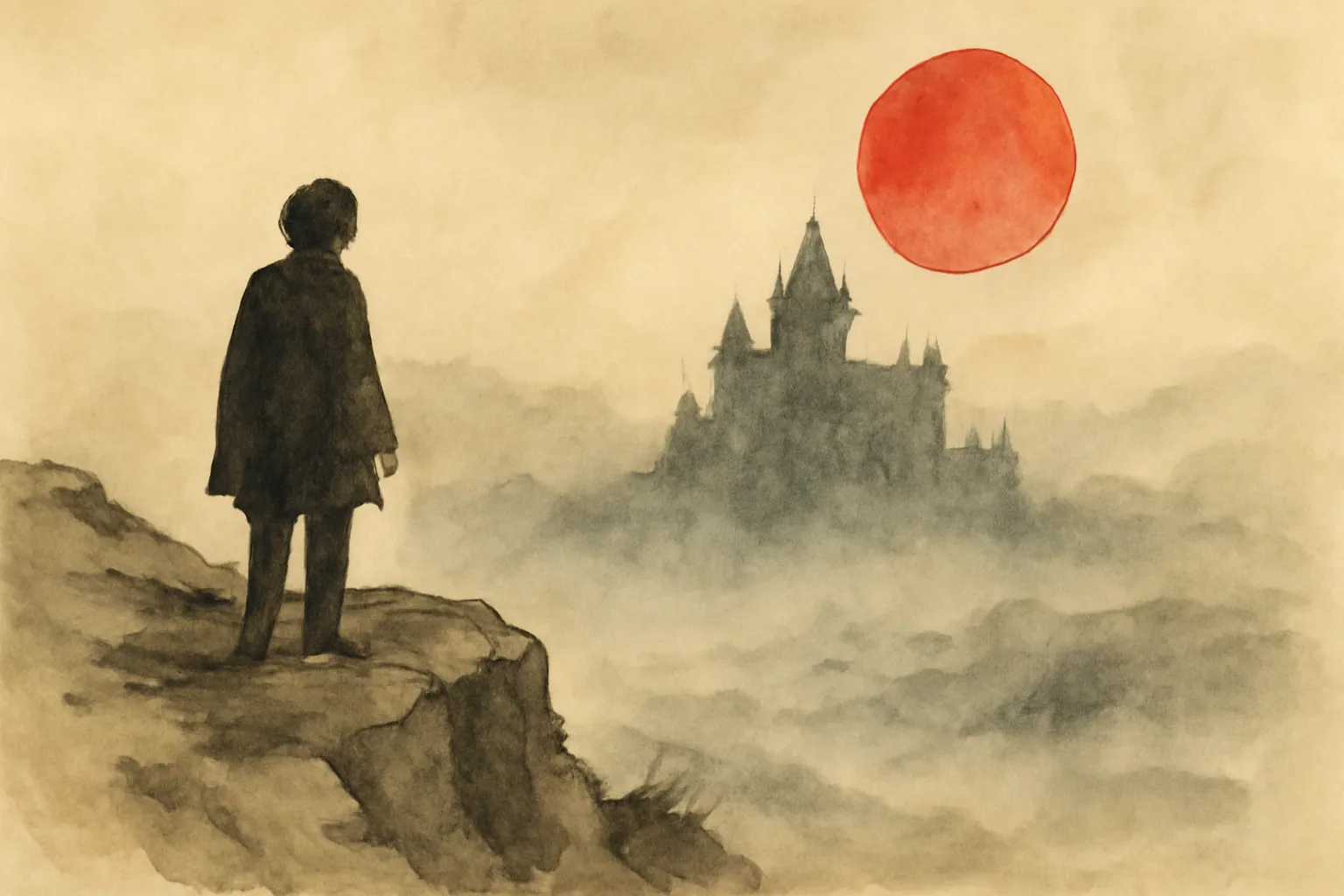
Read Bram Stoker's work free on Lumina — the complete text plus an 8-minute summary and key ideas, no account needed