1.Multiplicity of Time
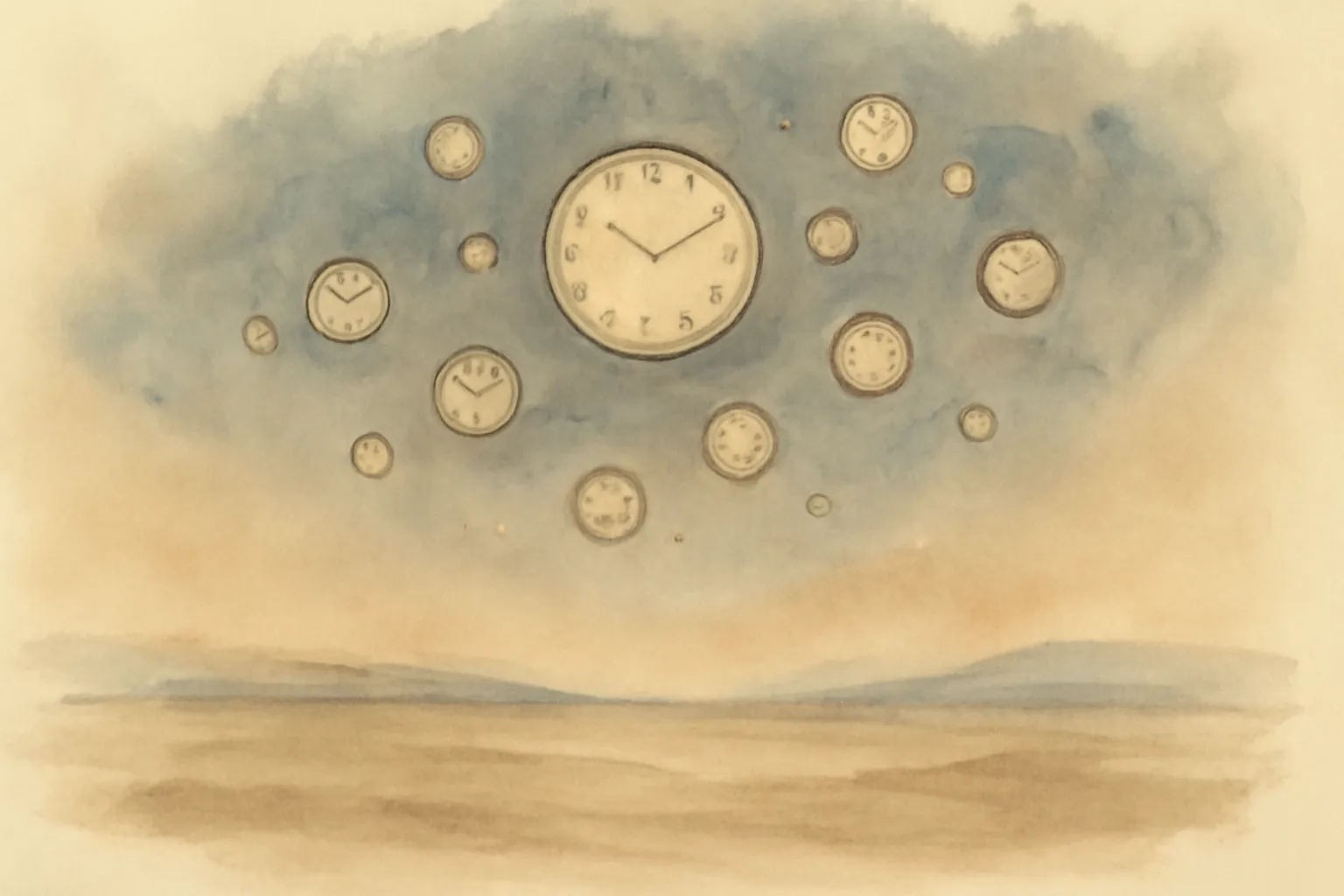
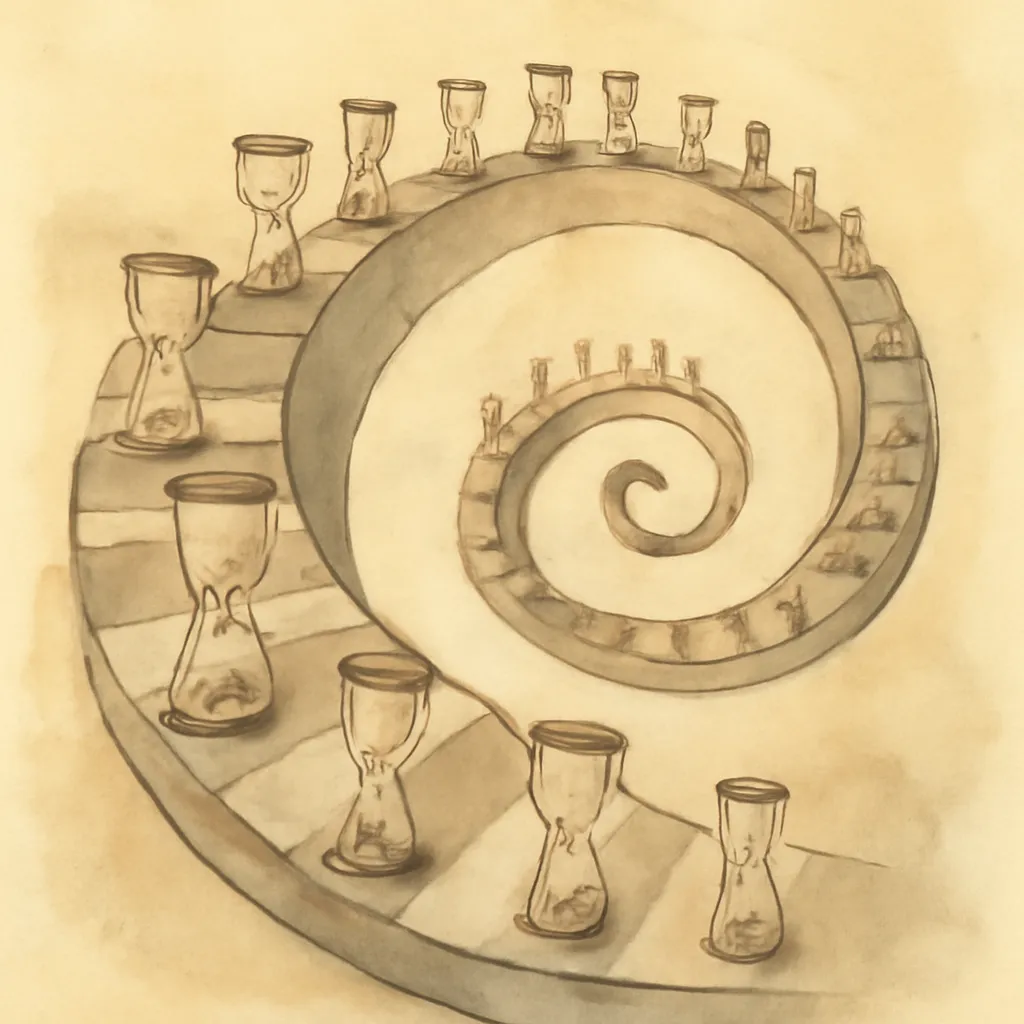
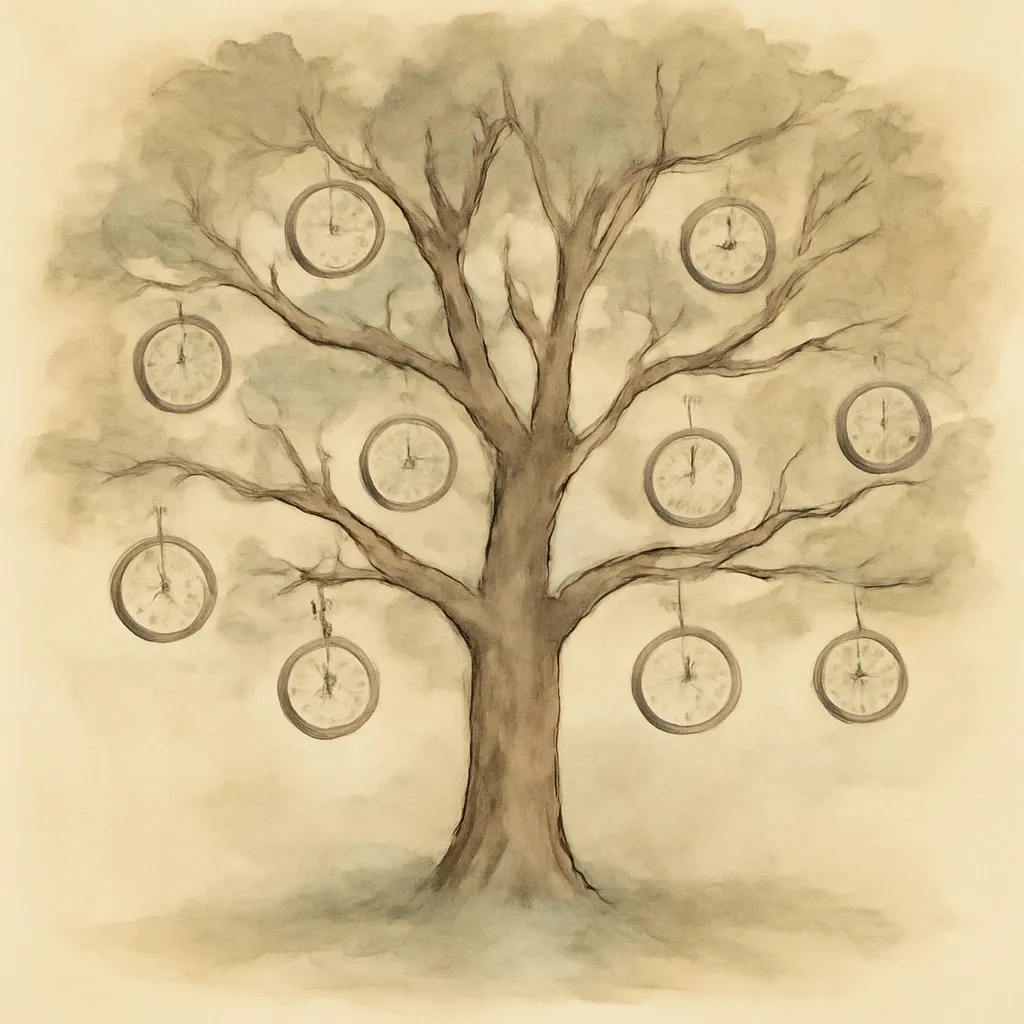
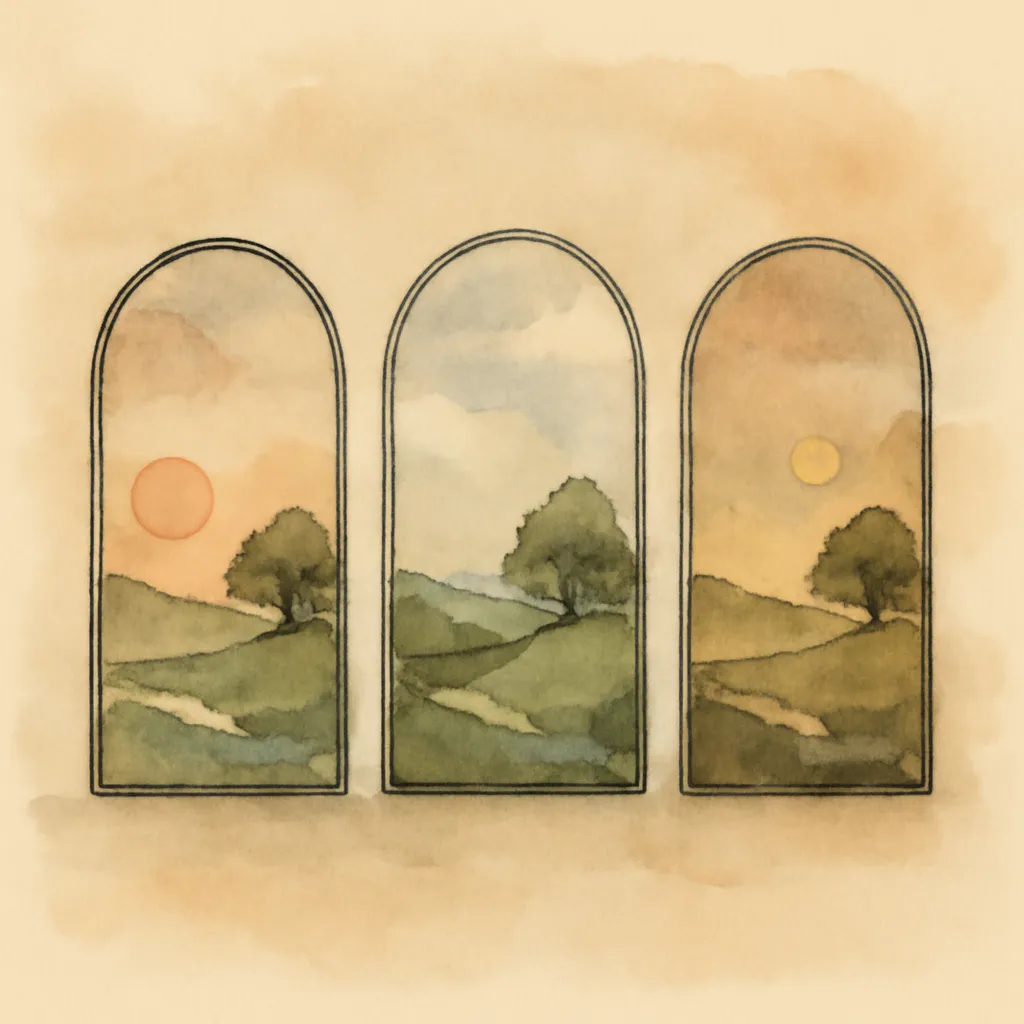
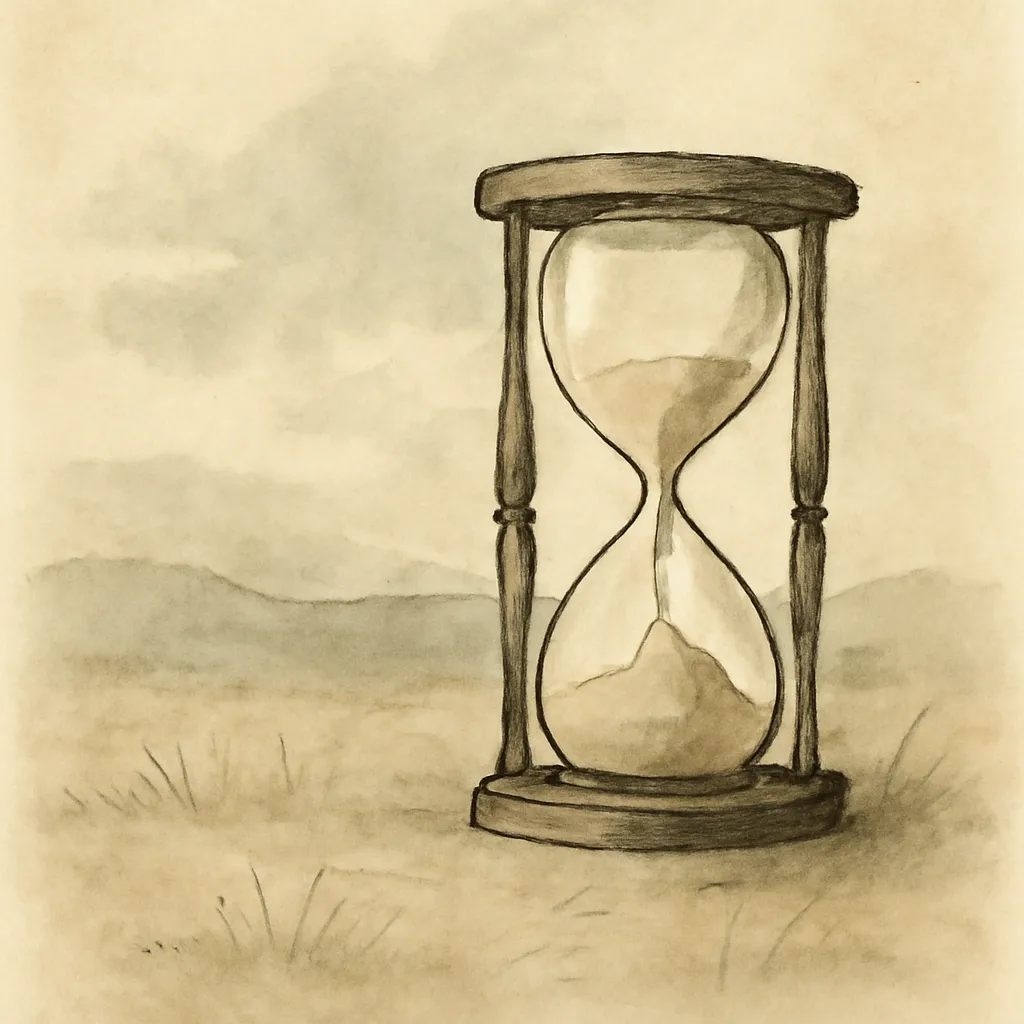
Each chapter presents a different world with its own rules of time—some where time is circular, others where it stands still, or moves in fits and starts. Through these vignettes, Lightman explores how our experience of time shapes our values, relationships, and sense of self. The book suggests that time is not merely a physical phenomenon but a lens through which we interpret existence.
2.Human Response to Time’s Nature
The inhabitants of each imagined world adapt their lives to the peculiarities of time, revealing how deeply our behaviors and emotions are tied to temporal assumptions. Whether people live for the moment, cling to the past, or fear the future, Lightman shows that our understanding of time governs our joys, regrets, and anxieties.
3.Relativity and Subjectivity
Beyond literal physics, the book uses relativity as a metaphor for the subjectivity of human experience. Time is felt differently by each character, echoing how individuals in our world perceive the passage of time based on memory, anticipation, and emotional state. Lightman blurs the line between scientific theory and personal reality.
4.The Cost of Immortality and Timelessness
Some dreams imagine worlds where people are immortal or time is frozen. These scenarios probe the consequences of escaping time’s flow—often revealing stagnation, loss of meaning, or emotional paralysis. The book suggests that mortality and change, though painful, give life its urgency and depth.
5.The Search for Meaning
Amid the fantastical premises, a recurring theme is humanity’s quest for meaning within the constraints of time. Whether time is infinite, cyclical, or fragmented, people seek connection, purpose, and understanding. Lightman invites readers to reflect on how we might live more fully by reimagining our relationship with time.
6.Science and Imagination Intertwined
Einstein's Dreams bridges the gap between scientific inquiry and artistic creativity. By fictionalizing Einstein’s thought process, Lightman illustrates how scientific breakthroughs often begin with imaginative leaps, and how art and science both strive to make sense of the universe’s mysteries.