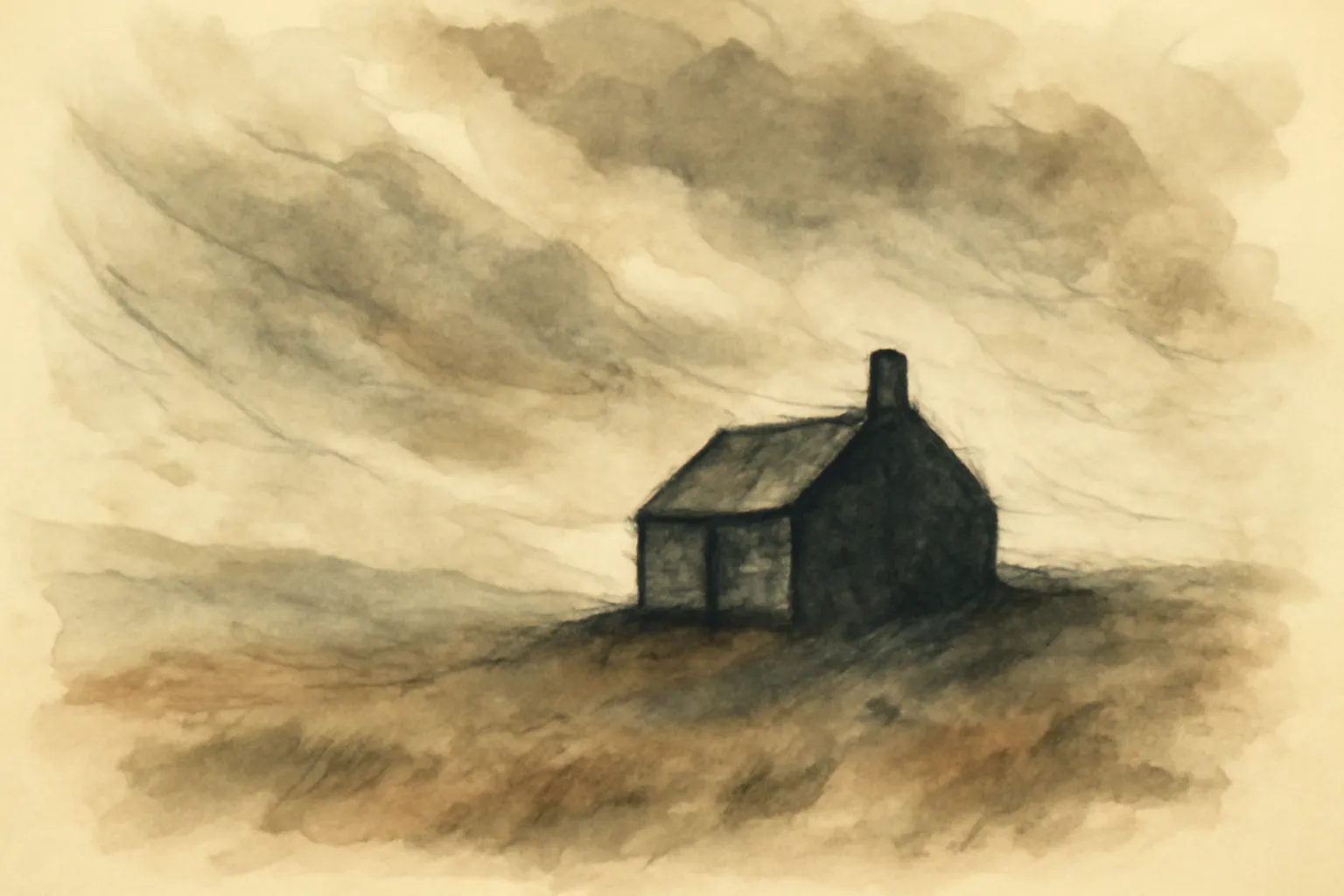
1.The Origins of Genius
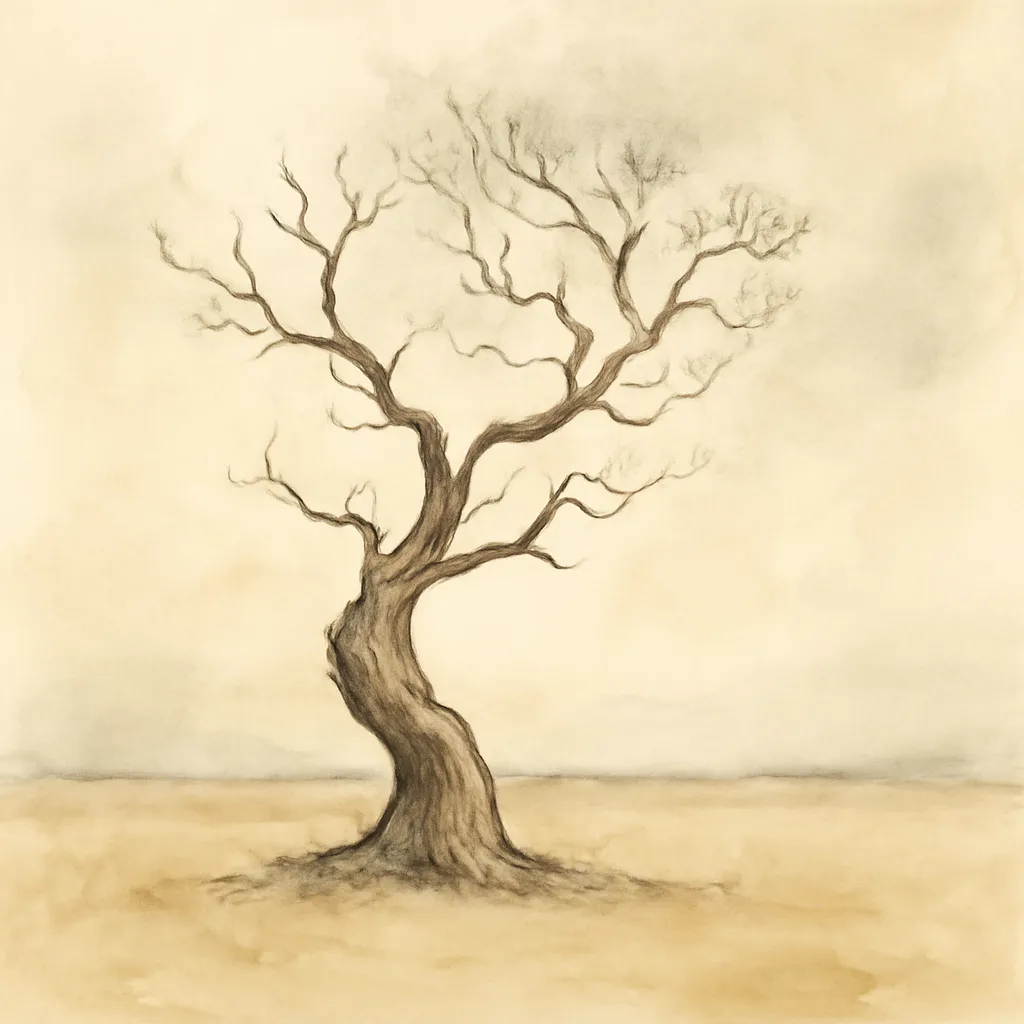
Emily Brontë was born into a family with no notable literary background, yet she and her siblings displayed extraordinary creative talents. This phenomenon raises intriguing questions about the nature of genius and inheritance. While her parents lacked literary endowments, the Brontë children inherited a strong will from their father and a fragile constitution from their mother. This combination suggests that genius can arise independently of parental talent, similar to how two different air currents can merge to create a new entity. In this case, the Brontë family's brilliance is a testament to the idea that creativity can emerge from unexpected origins, shaped by an interplay of genetic predispositions and environmental influences. This unique blend of characteristics not only set the stage for Emily's literary pursuits but also provided a foundation for understanding the complexities of her emotional life and the challenges she faced as a woman writer in a male-dominated society.
2.A Motherless Childhood

Emily's early years were marked by the absence of maternal care, which left a profound impact on her emotional landscape. After the death of her mother, the Brontë children were largely left to their own devices, leading to a deep bond among them. Their father, while proud of their cleverness, was emotionally distant and often preoccupied with his own struggles. Emily’s childhood home was not a nurturing environment; rather, it was a place filled with the sounds of the passing bell and the constant reminder of mortality. This atmosphere of loss and isolation fostered a sense of resilience and independence in Emily, as she turned to the moors for solace and inspiration, developing a passionate love for the wild landscapes that surrounded her. These formative experiences shaped her worldview, fostering a deep understanding of sorrow and longing that would later permeate her writing. The sense of alienation that accompanied her mother’s death instilled in her a profound awareness of the transience of life, a theme that would echo throughout her literary work.
3.Education and Isolation
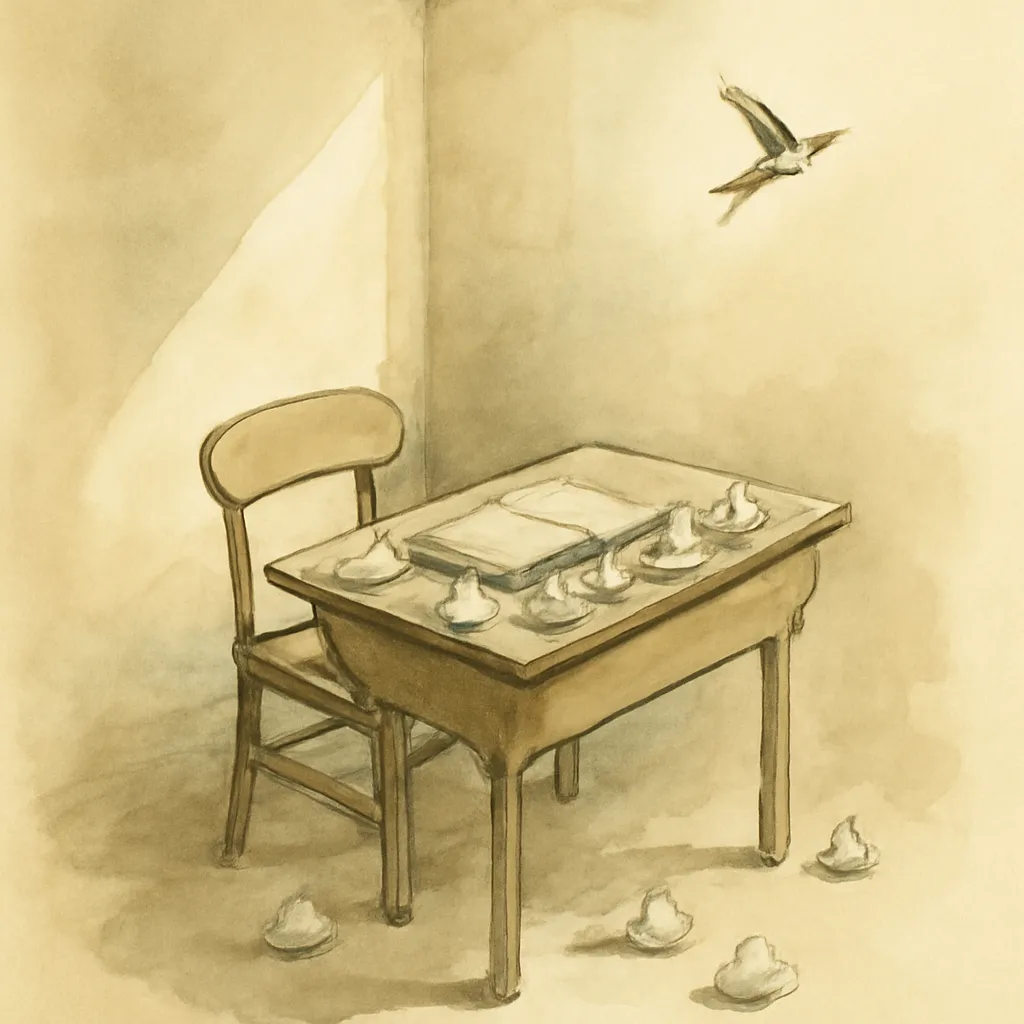
Emily's education was unconventional, marked by a mixture of home schooling and brief stints at boarding school. Her time at Cowan's Bridge, a school for clergymen's daughters, exposed her to a more structured education but also highlighted her discomfort with authority and social interactions. The rigid environment clashed with her wild spirit, leading to her eventual withdrawal from formal education. While her sisters found ways to thrive and adapt, Emily's experience was characterized by a profound sense of disconnection. This isolation cultivated her introspective nature, allowing her imagination to flourish in the solitude of the moors. The contrast between her intellectual capabilities and her reluctance to engage with society underscores the complexity of her character, revealing a tension between her talents and her inclinations. It raises critical questions about the societal expectations of women in her time and how these limitations shaped her identity and creative expression. Ultimately, the interplay of her education and her isolation contributed significantly to her development as a writer.
4.The Influence of Place
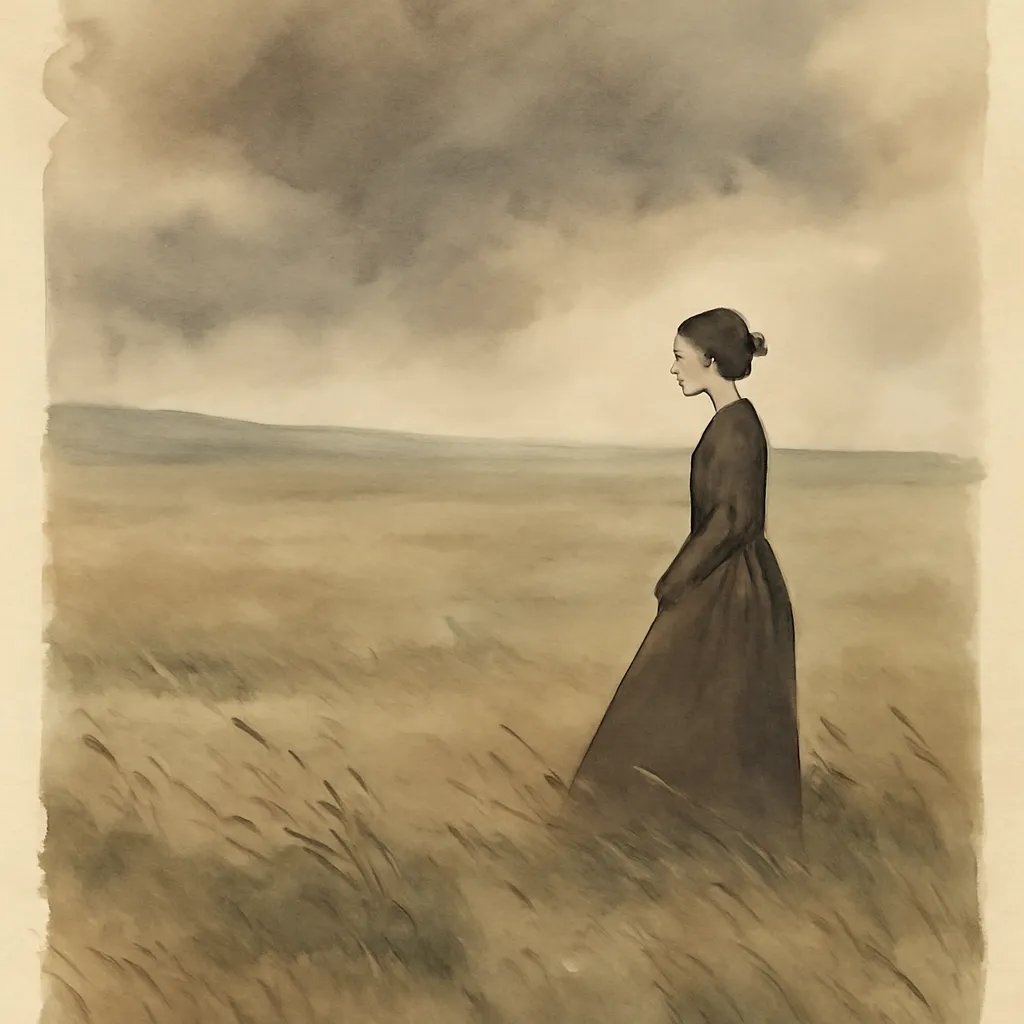
The moors served as both a physical and emotional backdrop for Emily's life and work. Described as 'wild, barren, treeless moors,' this environment became a source of inspiration for her writing, particularly in 'Wuthering Heights.' The isolation of the moors mirrored her own feelings of alienation and provided a canvas upon which she could project her inner turmoil and complex emotions. It was in this stark, untamed landscape that Emily's imagination thrived, leading to the creation of characters and stories that resonate with the themes of passion, revenge, and the supernatural. The moors are not just a setting; they are a character in their own right, shaping the narrative and the psyche of its inhabitants. Emily's deep connection to this rugged terrain reflects her understanding of nature as a powerful force that can both inspire and torment, echoing the tumultuous emotional landscape of her characters. This relationship with the moors illustrates how one's environment can profoundly influence artistic expression and serve as a muse for creativity.
5.The Burden of Family
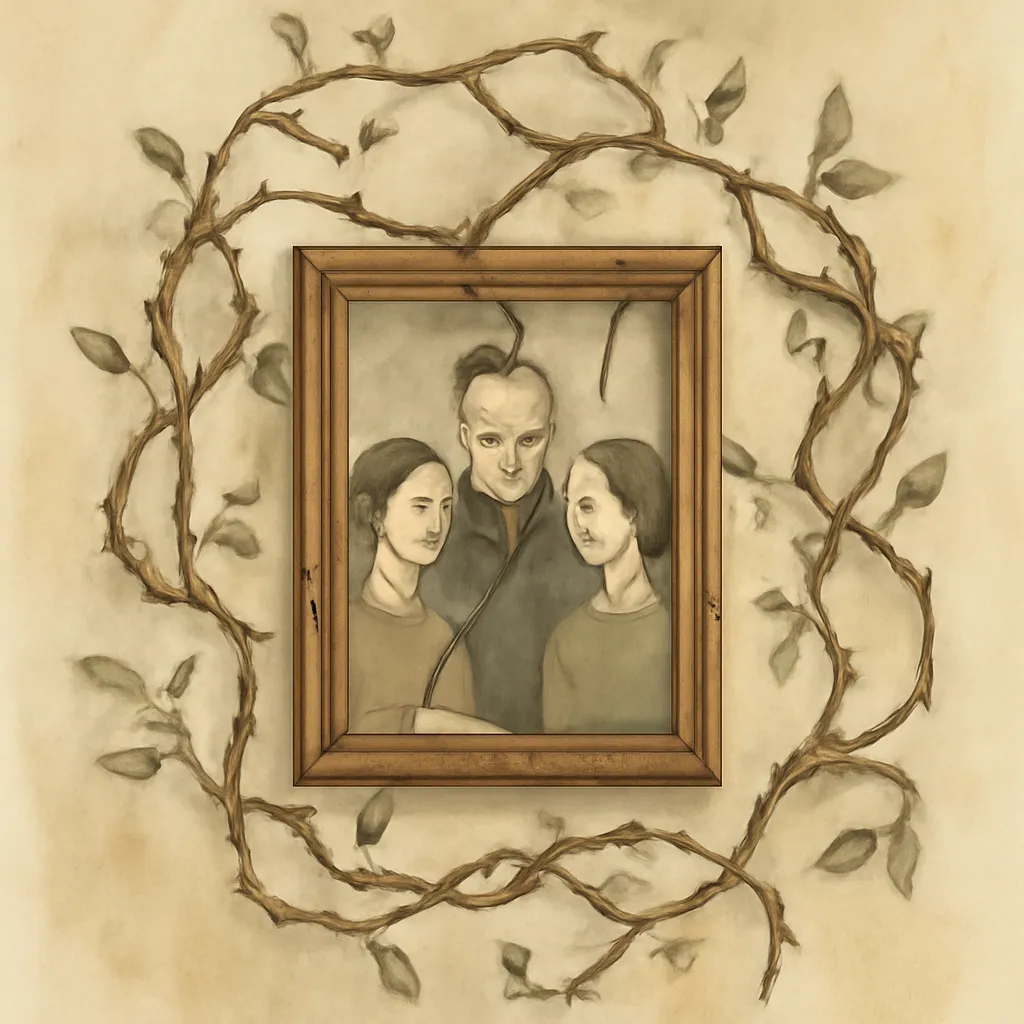
The Brontë family dynamics were fraught with challenges, particularly as Branwell's struggles with addiction and mental health weighed heavily on Emily and her sisters. The complex interplay of love, duty, and despair created a household atmosphere that was both supportive and suffocating. Emily took on the role of caretaker, balancing her responsibilities towards her ailing siblings while grappling with her own artistic ambitions. This burden of familial loyalty often conflicted with her desire for solitude and creative expression. The emotional toll of Branwell's decline and the pressures of maintaining family unity profoundly influenced her writing, infusing her characters with depth and realism. The tension between personal desires and familial obligations is a recurring theme in Emily's work, manifesting in characters who are often torn between their passions and their duties. This dynamic adds layers to her narrative, illustrating how familial relationships can shape one’s identity and creative output.
6.The Creative Process
Emily Brontë's writing process was deeply intertwined with her emotional and psychological state. During the period leading up to the publication of 'Wuthering Heights,' she experienced profound personal turmoil, particularly following Branwell's death. Her poetry and prose reflect a raw, unfiltered exploration of grief, longing, and the struggle for identity. The act of writing became both a refuge and an outlet for her intense feelings, allowing her to channel her experiences into her art. The duality of her life—marked by domestic responsibilities and creative aspirations—highlights the tension many artists face between personal duty and the pursuit of their passions. Emily's commitment to her craft, despite the chaos surrounding her, underscores her resilience and dedication to her artistic vision. Her ability to articulate complex emotions through her characters and narratives speaks to her skill as a writer and her deep understanding of the human experience. In this way, her writing can be seen as both a personal catharsis and a universal reflection of human struggles, connecting her to readers across generations.
7.'Wuthering Heights': An Unconventional Masterpiece
'Wuthering Heights' stands as a testament to Emily's unique voice and perspective in literature. The novel's complex characters and nonlinear narrative structure defy conventional storytelling norms of the time. Heathcliff, as an antihero, embodies the darker aspects of human nature, challenging readers to confront themes of love, vengeance, and the consequences of obsession. Emily's portrayal of passion and its destructive potential resonates with the tumultuous emotional landscape she navigated in her own life. The novel's initial reception was mixed, with some critics struggling to understand its raw intensity and moral ambiguity. Over time, however, it has come to be celebrated as a groundbreaking work that explores the depths of human emotion and the complexities of relationships. This evolution in perception highlights the challenges faced by innovative writers who push against societal norms, illustrating how true artistic vision can take time to be recognized and appreciated. 'Wuthering Heights' ultimately serves not only as a literary achievement but also as a reflection of Emily's own struggles with identity, love, and loss.
8.The Impact of Tragedy
The Brontë family's tragedies—particularly the deaths of Branwell and Anne—had a profound effect on Emily's psyche and her creative output. The emotional weight of these losses contributed to the themes of mortality and despair present in her work. Emily's response to these tragedies was not one of retreat but rather an embrace of her creative impulses, allowing her grief to inform her writing. This ability to transform personal pain into art speaks to the resilience of her spirit and the cathartic power of creativity. The intertwining of life and art in Emily's experience highlights the notion that profound sorrow can lead to profound artistic expression, making her work all the more poignant and relevant. Emily's exploration of grief in her writing serves as a means of processing her own experiences, demonstrating how art can provide solace and understanding in the face of overwhelming loss. This theme resonates strongly with readers, offering a shared sense of empathy and connection through the universal experience of mourning.
9.Legacy and Recognition

Despite her relatively short life and limited body of work, Emily Brontë's legacy endures through her profound influence on literature and the arts. Initially overshadowed by her sisters, it was only later that her contributions were recognized and celebrated. Critics and readers alike have come to appreciate the depth and complexity of her writing, particularly in 'Wuthering Heights.' The novel's exploration of human emotions and relationships continues to resonate with audiences, ensuring Emily's place in the literary canon. Her story is a reminder of the struggles faced by female writers in a patriarchal society and the importance of recognizing and valuing diverse voices in literature. Emily's legacy invites ongoing discussion about the barriers women faced in gaining recognition for their work and the necessity of championing underrepresented narratives. Her life and writing serve as an inspiration for new generations of writers, urging them to embrace their unique perspectives and experiences.
10.The Interplay of Insanity and Genius
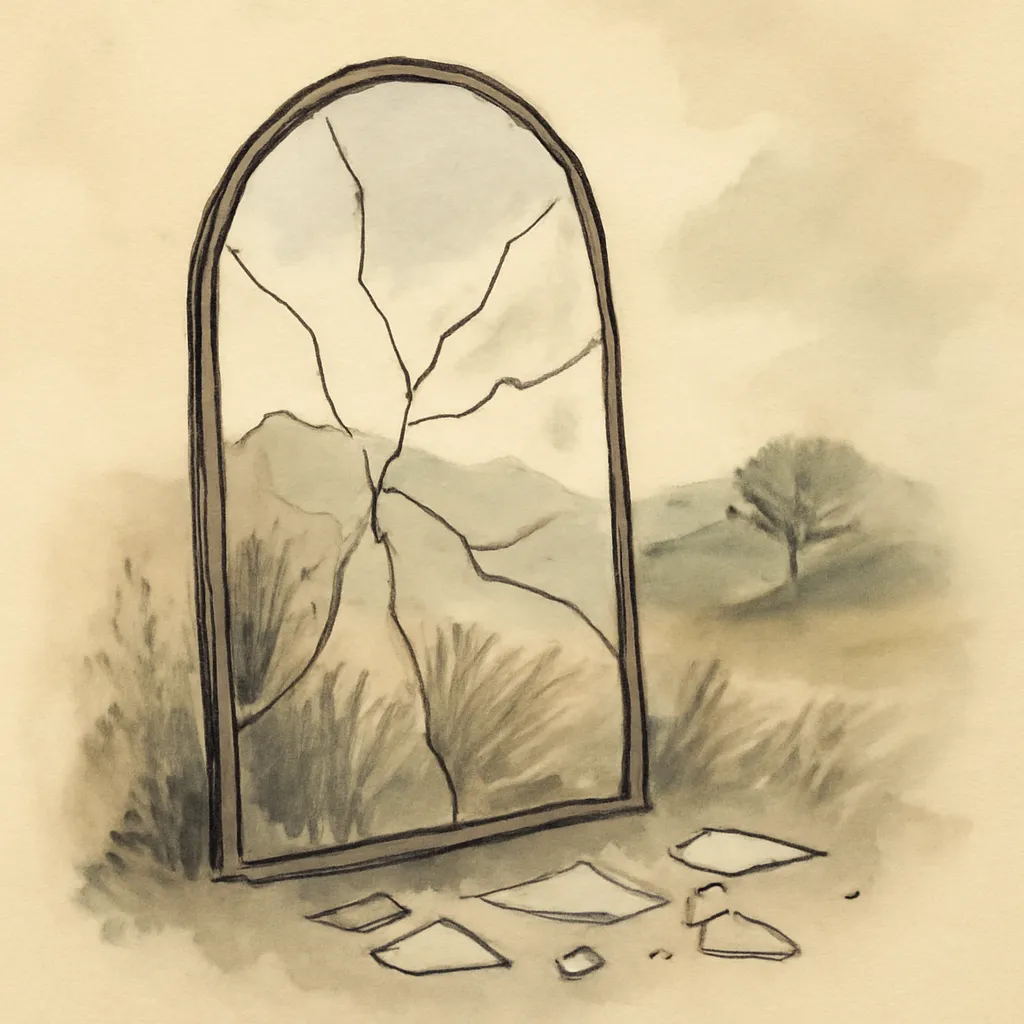
The relationship between mental illness and creativity is a recurring theme in discussions of the Brontë family, particularly in the context of Branwell's struggles. The notion that insanity and genius coexist has been explored in various artistic circles, and Emily's life exemplifies this interplay. While her brother succumbed to his demons, Emily channeled her emotional turmoil into her writing, suggesting that her experiences may have contributed to her artistic depth. This complex dynamic invites a deeper examination of how personal struggles can shape creative expression, often leading to powerful and transformative works of art. Emily's ability to navigate her own challenges while producing such impactful literature speaks to the resilience of the human spirit. This theme raises important questions about the cost of creativity and how artists can use their personal experiences—both joyful and painful—to inform their work and connect with others on a deeper level.