
In the exploration of Emily Brontë's life, A. Mary F. Robinson delves into the intricate tapestry of family dynamics, personal struggles, and the social context that shaped one of literature's most en…
Read full overviewShow less›
In the exploration of Emily Brontë's life, A. Mary F. Robinson delves into the intricate tapestry of family dynamics, personal struggles, and the social context that shaped one of literature's most enigmatic figures. This biography not only provides a detailed account of Emily's upbringing and influences but also critically examines her creative processes and the societal constraints she faced as a woman in the 19th century. Readers will gain insight into the forces that forged her character, her passionate connection to the moors, and the emotional landscapes that inform her writing. Through this lens, the book elevates Emily Brontë from a mere literary figure to a symbol of artistic integrity and resilience against the backdrop of personal and familial turmoil.
Emily Brontë's life and work reflect the intricate dance between genius, isolation, and the emotional landscape of the human experience. Her ability to transform personal struggles into literary masterpieces has left an indelible mark on literature, inviting readers to explore the depths of passion, despair, and resilience. By examining her life through the lens of her creative output, we gain valuable insights into the challenges faced by artists and the profound impact of their environments on their work. Emily's legacy continues to inspire and resonate, reminding us of the power of storytelling to transcend time and connect with the human condition.
- 1The Origins of Genius
- 2A Motherless Childhood
- 3Education and Isolation
- 4The Influence of Place
- 5The Burden of Family
Notable quotes
“Conquered good and conquering ill.”
“He had a mass of red hair, which he”
“It was my purpose to send you a yarn as soon as I could find materials to spin one with.”
A glimpse inside

Emily Brontë was born into a family with no notable literary background, yet she and her siblings displayed extraordinary creative talents. Read moreEmily Brontë was born into a family with no notable literary background, yet she and her siblings displayed extraordinary creative talents. This phenomenon raises intriguing questions about the nature of genius and inheritance. While her parents lacked literary endowments, the Brontë children inherited a strong will from their father and a fragile constitution from their mother. This combination suggests that genius can arise independently of parental talent, similar to how two different air currents can merge to create a new entity. In this case, the Brontë family's brilliance is a testament to the idea that creativity can emerge from unexpected origins, shaped by an interplay of genetic predispositions and environmental influences. This unique blend of characteristics not only set the stage for Emily's literary pursuits but also provided a foundation for understanding the complexities of her emotional life and the challenges she faced as a woman writer in a male-dominated society. Show less
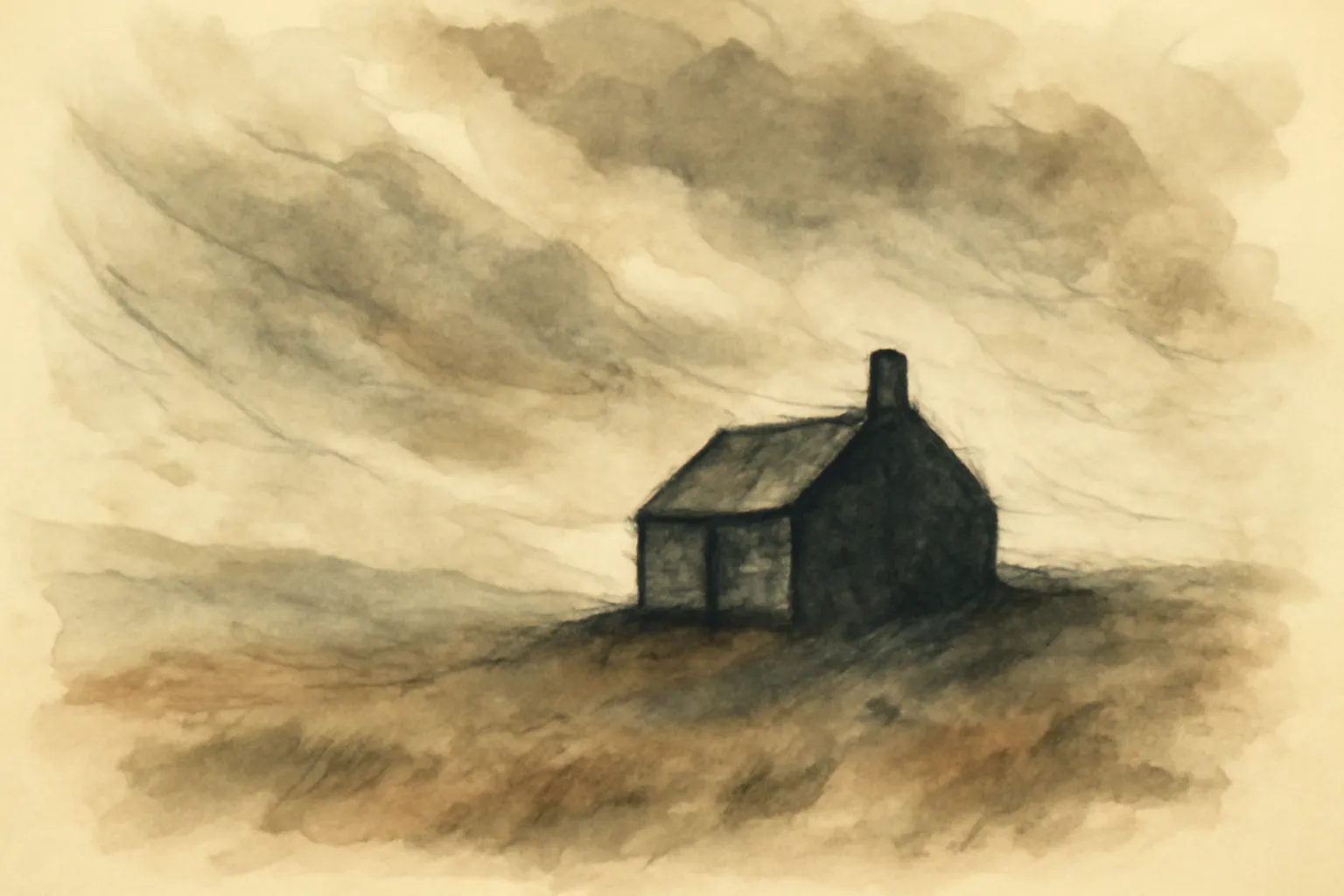
Emily's early years were marked by the absence of maternal care, which left a profound impact on her emotional landscape. After the death of her mother, the Brontë childr… Read moreEmily's early years were marked by the absence of maternal care, which left a profound impact on her emotional landscape. After the death of her mother, the Brontë children were largely left to their own devices, leading to a deep bond among them. Their father, while proud of their cleverness, was emotionally distant and often preoccupied with his own struggles. Emily’s childhood home was not a nurturing environment; rather, it was a place filled with the sounds of the passing bell and the constant reminder of mortality. This atmosphere of loss and isolation fostered a sense of resilience and independence in Emily, as she turned to the moors for solace and inspiration, developing a passionate love for the wild landscapes that surrounded her. These formative experiences shaped her worldview, fostering a deep understanding of sorrow and longing that would later permeate her writing. The sense of alienation that accompanied her mother’s death instilled in her a profound awareness of the transience of life, a theme that would echo throughout her literary work. Show less
Read the full text — free
About the author
Read A. Mary F. Robinson's work free on Lumina — the complete text plus an 8-minute summary and key ideas, no account needed.
Frequently asked
Worlds to get lost in
Take Lumina everywhere
Read offline, listen to AI summaries, speed-read, and sync your progress across devices — free on iPhone.
Download for iPhone