1.The Weight of Existence
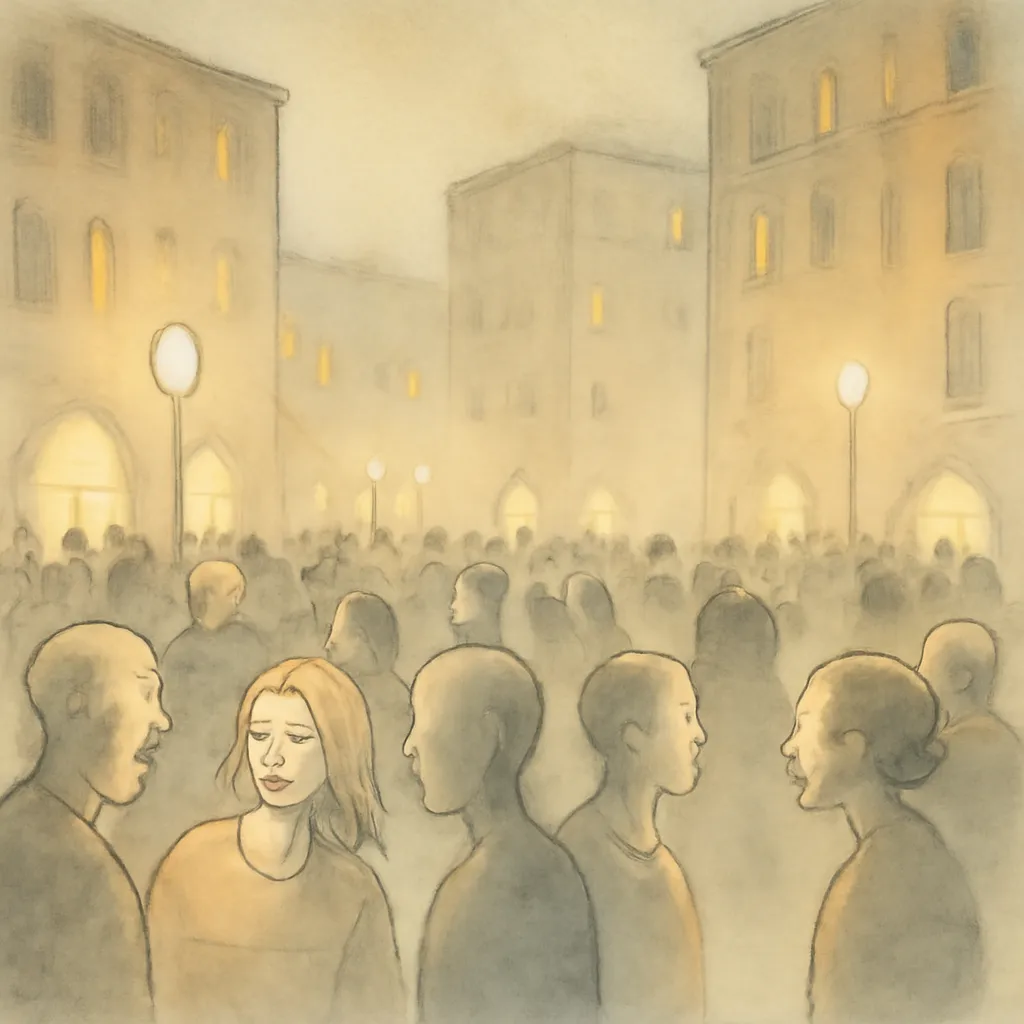
Erik Dorn's life is marked by a profound sense of alienation, which is vividly illustrated through his observations of the city around him. As he navigates through the bustling streets, he perceives himself as part of a vast, indifferent crowd, where individual identities blur into a collective anonymity. This sense of detachment is palpable; he views the city as a geometric pattern, observing the chaotic rhythm of life but feeling no emotional connection to it. Hecht captures this existential weight through Dorn's interactions, where he remains an observer rather than a participant, emphasizing the theme of isolation in a crowded world. This notion of being surrounded yet fundamentally alone resonates deeply, reflecting the modern human experience of feeling lost amid societal noise.
2.The Illusion of Connection
Throughout the narrative, the characters are embroiled in relationships that highlight the illusion of genuine connection. Erik's relationship with Rachel, a woman who admires him deeply, reveals the complexities of love tainted by emotional distance. Rachel’s yearning for a deeper bond contrasts sharply with Erik’s cynicism and detachment. Hecht illustrates their interactions as a dance of words and perceptions, where true feelings are often masked by superficial exchanges. This dynamic speaks to the broader human experience, where individuals often project their desires and insecurities onto others, leading to a profound sense of misunderstanding and emotional disconnect. The irony lies in their attempts to connect while remaining fundamentally estranged, showcasing the fragility of human relationships.
3.Art as a Reflection of Life
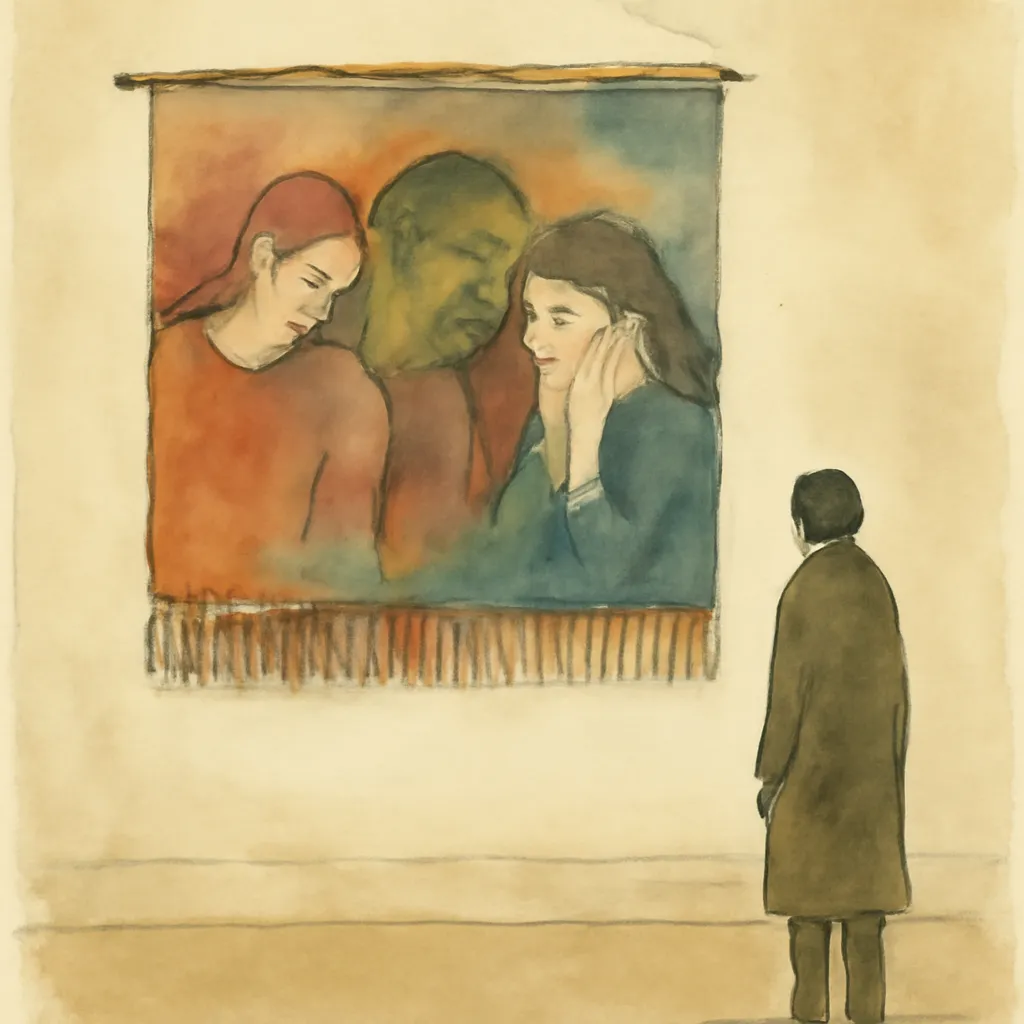
Art and creativity serve as vital themes in 'Erik Dorn,' acting as both a refuge and a source of conflict for the characters. Erik's appreciation for artistic expression is evident in his observations of the world, where he sees beauty in the chaotic patterns of life. However, his disdain for commercial art and the superficiality of societal expectations creates a tension between his artistic ideals and the reality he inhabits. Rachel, an aspiring artist herself, struggles with her identity as she attempts to navigate the expectations placed upon her. Hecht uses their artistic pursuits to explore themes of authenticity, questioning what it means to create in a world that often commodifies art. The characters’ artistic endeavors become a means of grappling with their existential dilemmas, reflecting the broader struggle for meaning in a world that often feels devoid of it.
4.The Paradox of Love
Love in 'Erik Dorn' is depicted as both a source of joy and a catalyst for pain, embodying a paradox that the characters grapple with throughout the novel. Erik's relationship with Anna, his wife, is marked by a deep-seated indifference, wherein he oscillates between affection and emotional withdrawal. This dynamic creates a sense of longing and despair, as both characters yearn for a connection that remains just out of reach. In contrast, Rachel's infatuation with Erik is tinged with a sense of desperation, as she seeks validation and love from a man who is emotionally unavailable. Hecht poignantly captures the complexities of love, illustrating how it can elevate one’s spirit while simultaneously leading to profound heartache. This paradox serves as a reminder that love, in all its forms, is fraught with challenges that often mirror the broader human condition.
5.The Burden of Memory
Memory plays a crucial role in shaping the identities of the characters in 'Erik Dorn.' The old man, Isaac Dorn, embodies the weight of memory as he reflects on his life with a sense of nostalgia and regret. His memories are not mere recollections; they are imbued with emotion, representing lost opportunities and the passage of time. Hecht illustrates how memories can haunt individuals, creating a sense of longing for a past that can never be reclaimed. This theme resonates with Erik, who grapples with his own memories and the choices he has made, leading to introspection about his current existence. The burden of memory serves as a poignant reminder of the impact of the past on the present, influencing how characters navigate their relationships and sense of self.
6.The Search for Meaning
At its core, 'Erik Dorn' is a meditation on the search for meaning in a chaotic world. Erik's journey is marked by a series of existential questions that resonate with the human experience. He finds himself wrestling with the futility of life and the desire for purpose in an indifferent universe. As he interacts with various characters, each grappling with their own existential dilemmas, Hecht emphasizes the universal quest for understanding and significance. The narrative invites readers to reflect on their own lives, prompting questions about what it means to truly live and connect with others. Through Erik's introspection and the experiences of those around him, the novel becomes a poignant exploration of the human condition and the intrinsic desire for meaning in a seemingly chaotic existence.
7.Society's Facade
Hecht skillfully critiques the societal norms and expectations that shape the lives of his characters. The bustling city serves as a backdrop for this critique, representing both the vibrancy and the hollowness of modern life. Erik observes the superficiality of social interactions, where individuals are often more concerned with appearances than with genuine connections. This societal facade becomes a source of frustration for him, as he yearns for authenticity in a world that values conformity. The characters’ struggles against societal expectations highlight the tension between individuality and societal norms, prompting readers to consider the impact of external pressures on personal identity. Hecht's incisive commentary serves as a reminder of the importance of authenticity in a world that often prioritizes facades over substance.
8.The Complexity of Human Emotion
Emotions in 'Erik Dorn' are portrayed as multifaceted and often contradictory, reflecting the complexity of the human experience. Hecht delves into the inner lives of his characters, revealing the tumultuous nature of their feelings as they navigate love, despair, and longing. Erik's emotional landscape is particularly rich, as he oscillates between moments of joy and profound sadness, struggling to reconcile his desires with the reality of his relationships. Rachel's emotional journey is equally complex, as she grapples with her feelings for Erik and her longing for a deeper connection. Hecht's exploration of human emotion underscores the idea that feelings are not always straightforward; they are layered, influenced by past experiences and current circumstances. This complexity adds depth to the narrative, allowing readers to engage with the characters on a profound emotional level.
9.The Influence of War
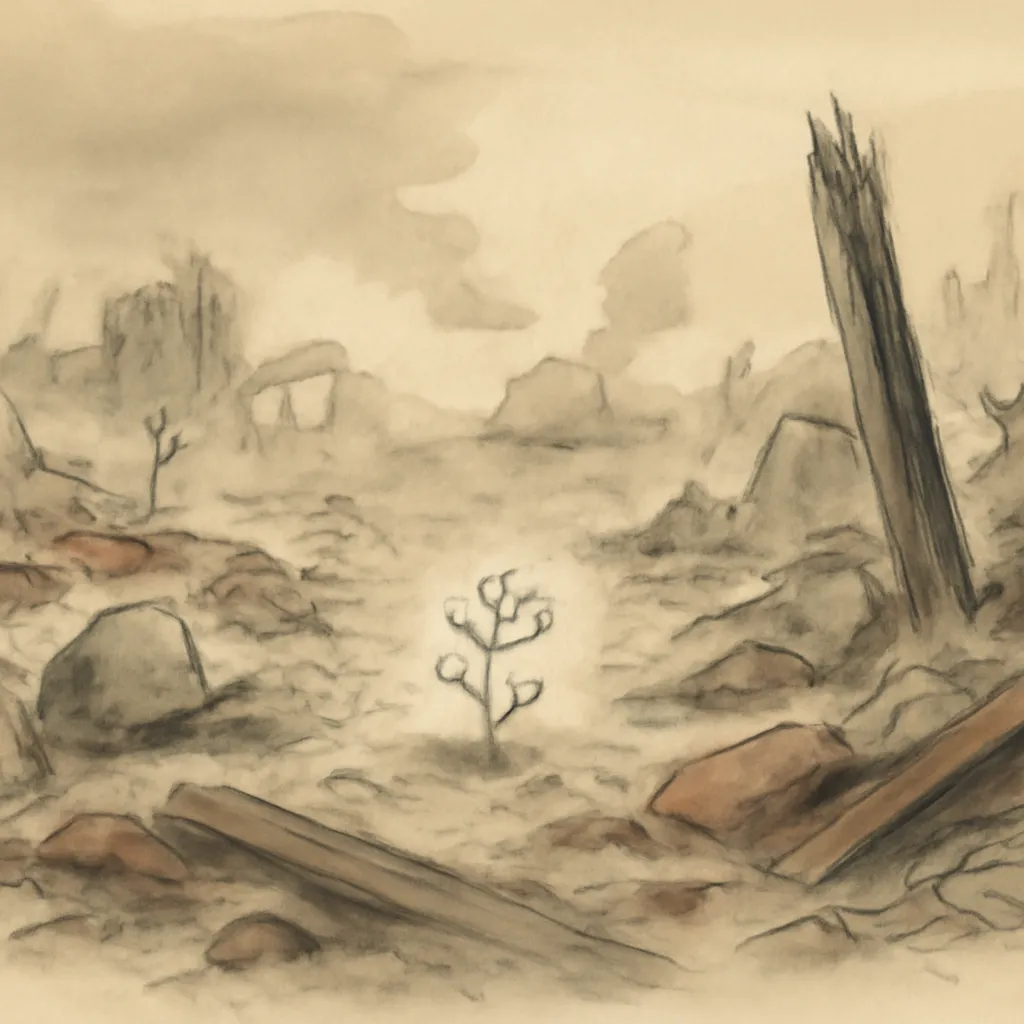
The backdrop of war looms large in 'Erik Dorn,' shaping the characters' experiences and perspectives. The chaos and destruction of war serve as a metaphor for the internal conflicts faced by the characters, reflecting the broader societal turmoil of the time. Hecht uses the war as a catalyst for change, prompting characters to confront their values and beliefs. Erik's journey through war-torn landscapes mirrors his internal struggle, as he grapples with the futility of conflict and its impact on humanity. The war serves as a stark reminder of the fragility of life and the often arbitrary nature of existence, prompting characters to question their priorities and the meaning of sacrifice. This thematic exploration of war adds a layer of complexity to the narrative, highlighting the interplay between external conflict and internal turmoil.
10.The Nature of Identity
Identity in 'Erik Dorn' is depicted as fluid and often elusive, shaped by the characters' experiences and relationships. Erik's sense of self is deeply intertwined with his interactions with others, as he navigates the expectations placed upon him by society and those he loves. Hecht illustrates how identity is not static but rather a dynamic construct influenced by external factors. Rachel's struggle for identity as an artist reflects this theme, as she grapples with societal expectations and her desire for authenticity. The characters' journeys highlight the complexities of self-discovery, emphasizing that identity is often a negotiation between personal desires and societal pressures. Hecht's exploration of identity invites readers to reflect on their own sense of self in relation to the world around them.