Fiction
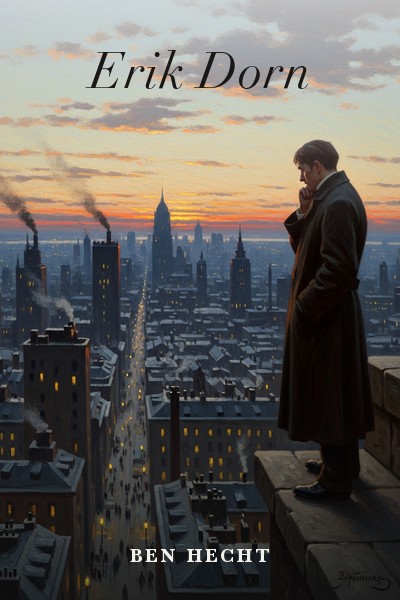
Erik Dorn by Ben Hecht — Summary, Key Ideas & Full Text
288 pages36 chapters5h 47m read4h 6m speed read✦ 9-min Big ideasFree · no account
Rate it
Erik Dorn explores the intricate tapestry of human existence, love, and the existential void amidst the bustling chaos of city life
In the novel 'Erik Dorn' by Ben Hecht, readers are taken on a journey through the life of Erik Dorn, a man caught between the vibrant pulse of urban existence and the haunting void of personal disconnection. Set against the backdrop of a bustling city, Hecht intricately weaves the themes of love, alienation, and the search for meaning into a narrative that resonates with the complexities of modern life. Through vivid imagery and poignant character reflections, the book delves into the inner struggles of its protagonist and those around him, revealing a deep exploration of human emotions and relationships. This summary encapsulates the essence of Dorn's journey, offering insights into the human condition and the intricate dance between connection and solitude.
In 'Erik Dorn,' Ben Hecht masterfully captures the intricate complexities of human existence, weaving together themes of love, alienation, and the search for meaning within the chaotic backdrop of urban life. The characters' struggles with identity, emotional turmoil, and societal expectations resonate deeply, prompting readers to reflect on their own experiences and relationships. Hecht's poignant exploration of the human condition serves as a reminder of the inherent contradictions of life, where joy and sorrow often coexist. Ultimately, the novel invites readers to embrace the complexities of their own journeys, fostering a greater understanding of the shared human experience.
“Men and women, mixed up in the night ... mixed up.”
“Poems in shoe craft, tragedies in ankles and melodramas in legs.”
“What is there ... I would like something ... what?”
Read Ben Hecht's work free on Lumina — the complete text plus an 8-minute summary and key ideas, no account needed