1.The Birth of Naval Warfare at Salamis
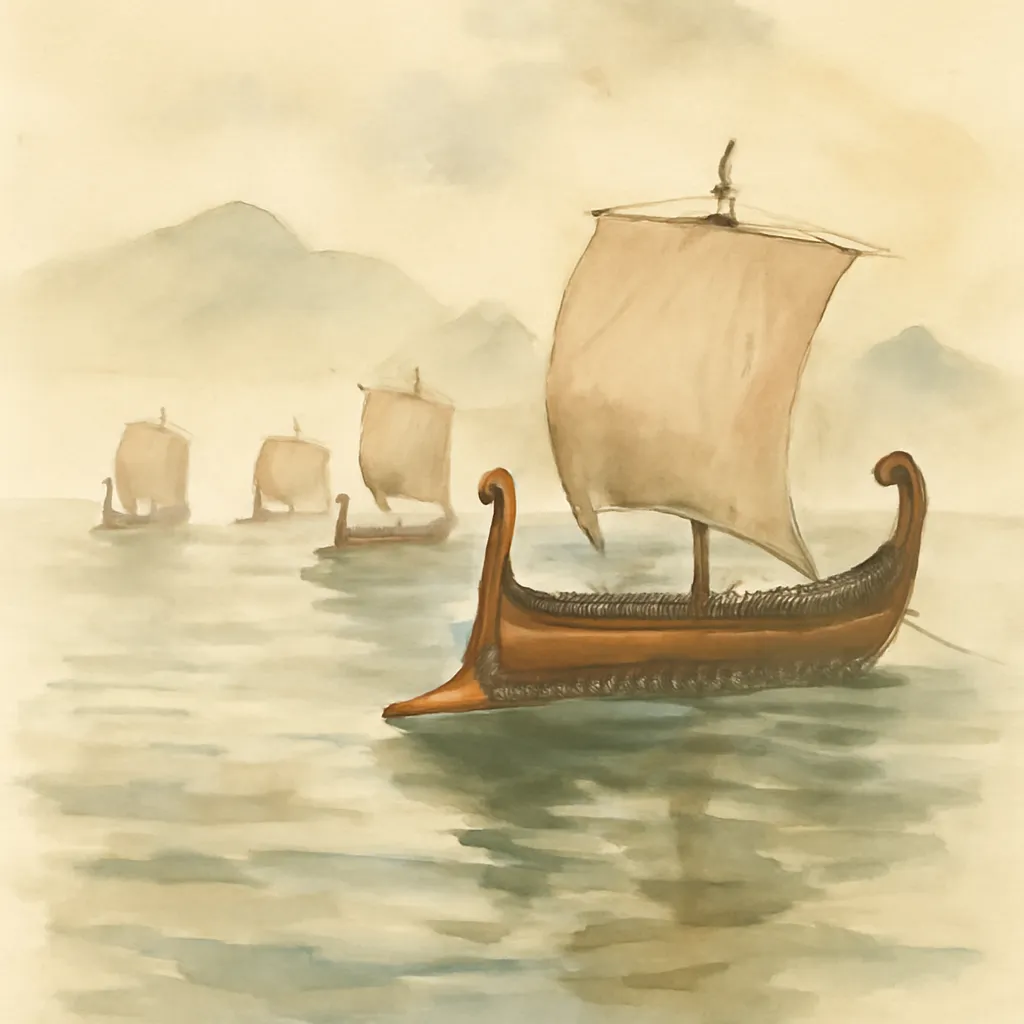
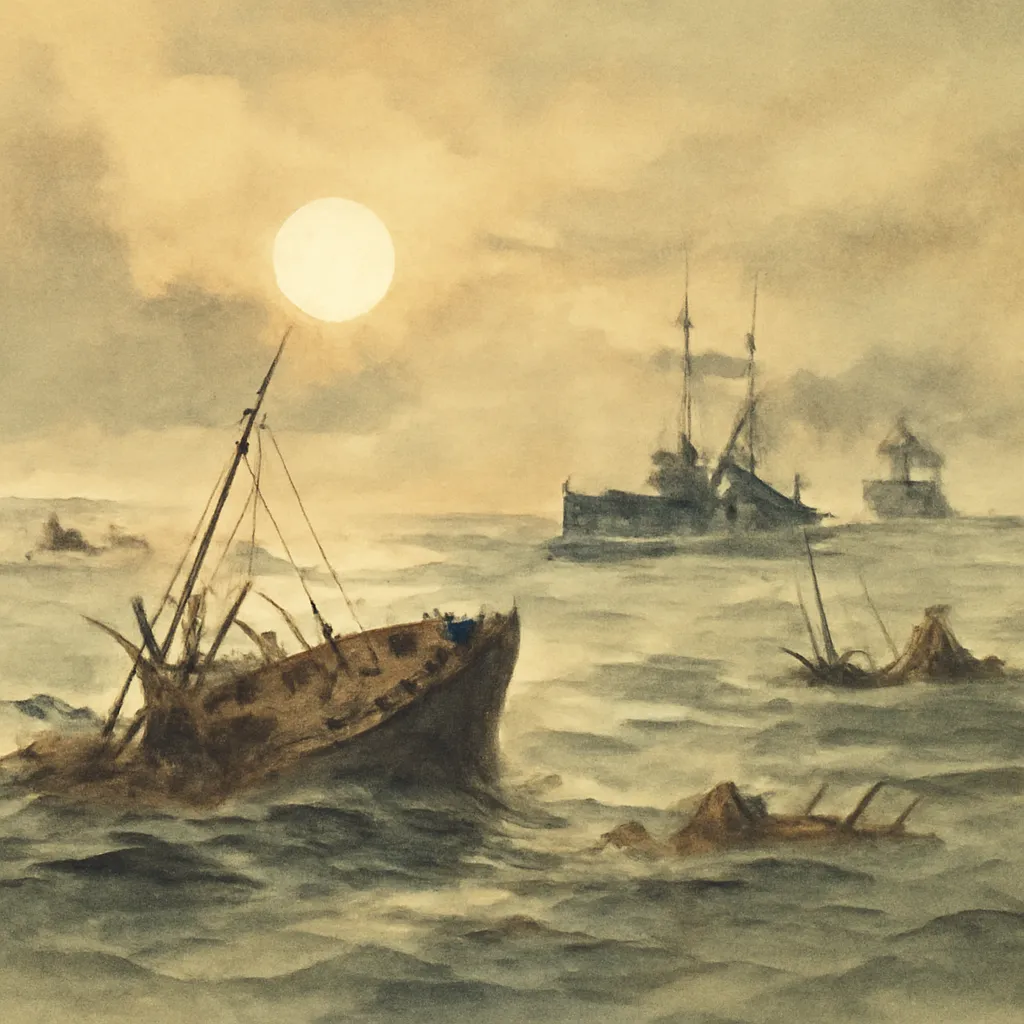
The Battle of Salamis in 480 BC marks a pivotal moment in maritime history, as it was the first recorded naval battle with detailed accounts. Themistocles, the Athenian general, showcased strategic brilliance that would define naval warfare for centuries. His assertion that 'he who commands the sea commands all' underscores the battle's significance. The Greek fleet, primarily composed of triremes, utilized agility and superior tactics to outmaneuver the larger Persian ships. This victory not only preserved Greek independence but also initiated the decline of Persian naval dominance. Salamis set a precedent for future naval engagements, demonstrating the importance of strategy, speed, and the ability to leverage one’s unique strengths against a more formidable foe.
2.Actium: A Turning Point for the Roman Empire
The naval confrontation at Actium in 31 BC was not just a battle for supremacy between Octavian and Mark Antony; it was a decisive moment that altered the course of the Roman Empire. The conflict was steeped in political intrigue, with Antony's ties to Cleopatra symbolizing a clash of Eastern and Western influences. Octavian's victory paved the way for his rise as Augustus, the first Roman Emperor. This battle exemplified how naval power was essential in determining political outcomes and consolidating control over vast territories. The strategic deployment of ships and the ability to maneuver in the face of enemy tactics were critical aspects that led to Octavian's success. Actium serves as a reminder of how naval engagements can influence not just military, but also political landscapes.
3.The Viking Age and the Evolution of Naval Tactics
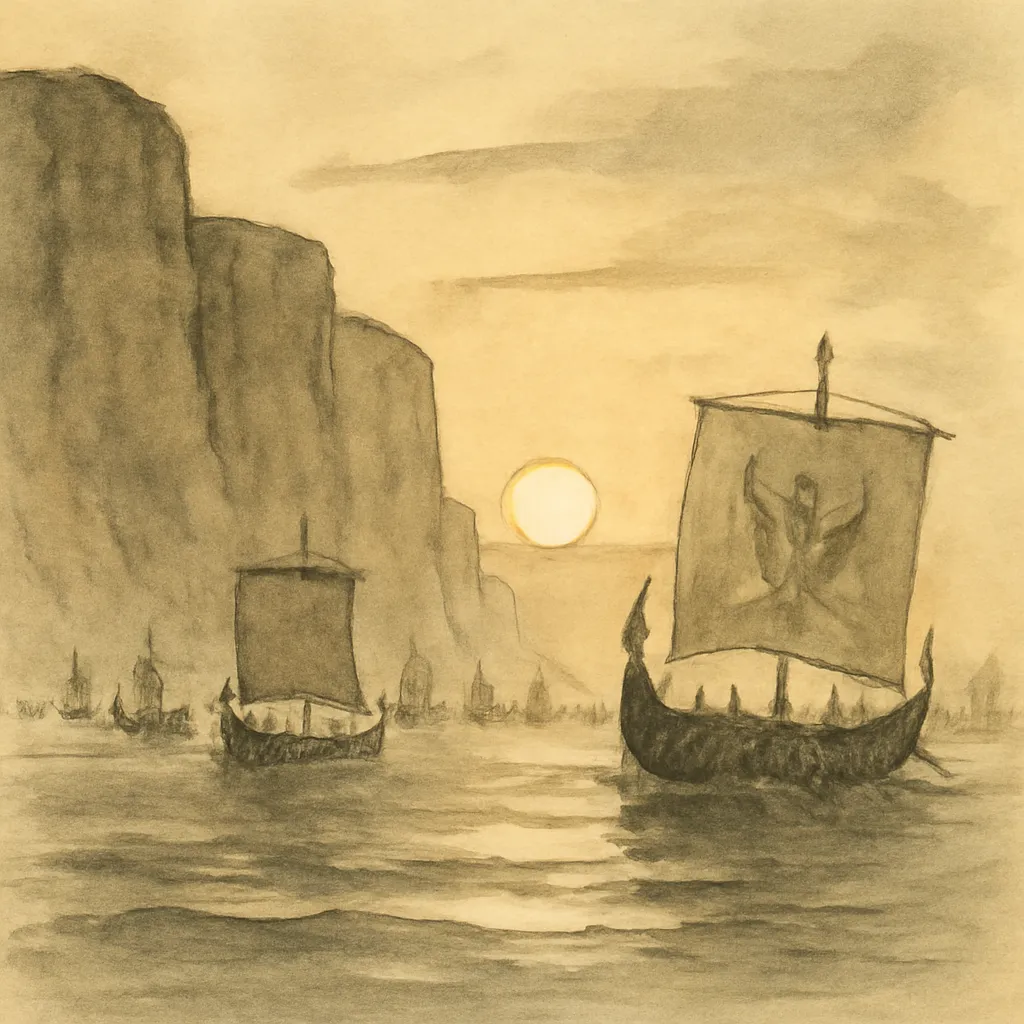
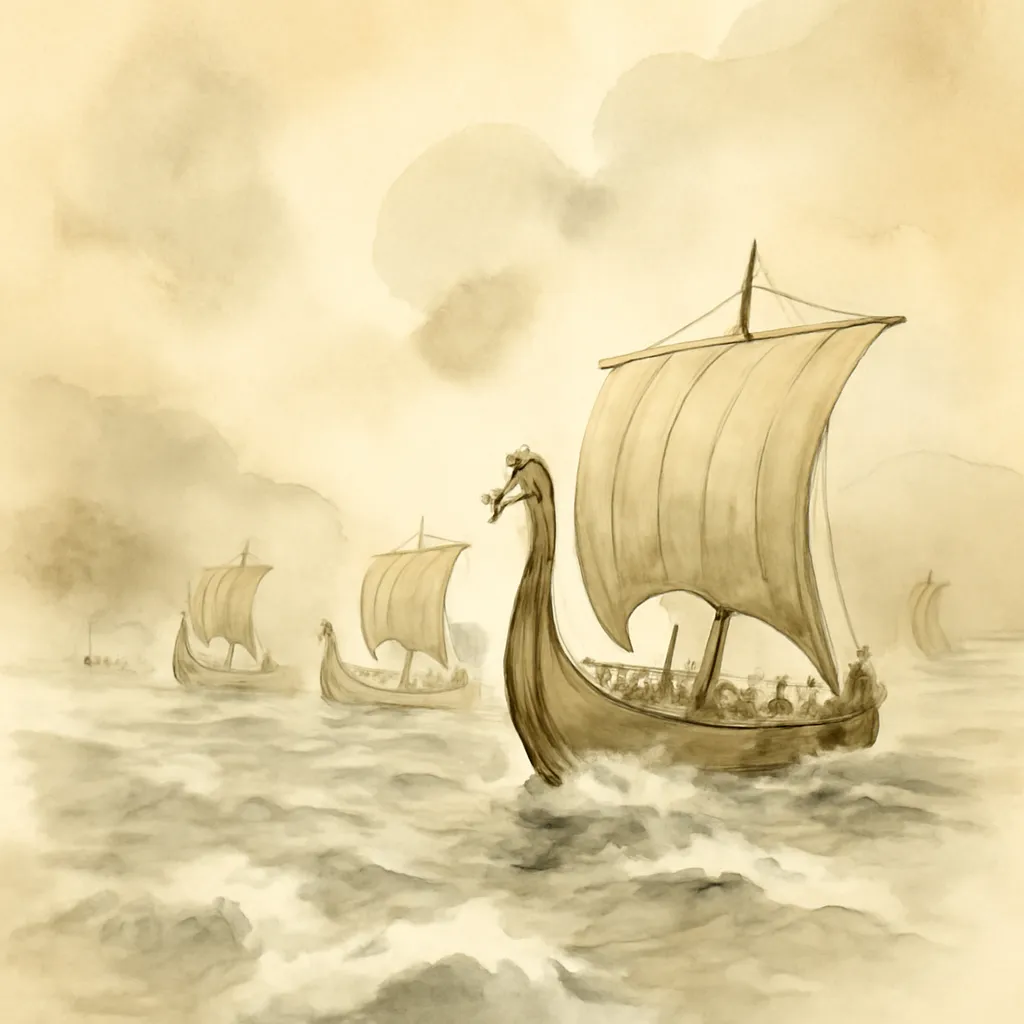
By the year 1000 AD, the Viking Age introduced a new era of naval warfare characterized by longships that could navigate both open seas and shallow rivers. The Norsemen, skilled mariners, utilized their vessels for both exploration and warfare, launching raids across Europe. Their ships, with dragon-shaped bows and shallow drafts, allowed for surprise attacks on unsuspecting coastal towns. This period illustrates the adaptability of naval tactics, as the Vikings relied on speed and stealth rather than large fleets. The engagement at Svold Island highlights how the Vikings' prowess in navigation and shipbuilding enabled them to exert influence over vast territories. Their legacy of maritime exploration and conquest significantly shaped the history of Northern Europe and beyond.
4.Sluys: The Dawn of British Naval Power
The Battle of Sluys in 1340 is often heralded as the beginning of England's naval supremacy. King Edward III's victory over the French fleet secured England's control of the Channel and marked a turning point in the Hundred Years' War. This battle exemplified the strategic importance of naval power in warfare, as it allowed for the successful invasion of France and the establishment of a stronghold in Calais. The English fleet's ability to command the narrow seas facilitated trade and exerted pressure on rival nations, shaping the economic landscape of Europe. Sluys also set the foundation for the British Navy's future dominance, demonstrating how naval engagements could determine the fate of nations and influence the balance of power for centuries to come.
5.The Grand Armada: A Clash of Empires
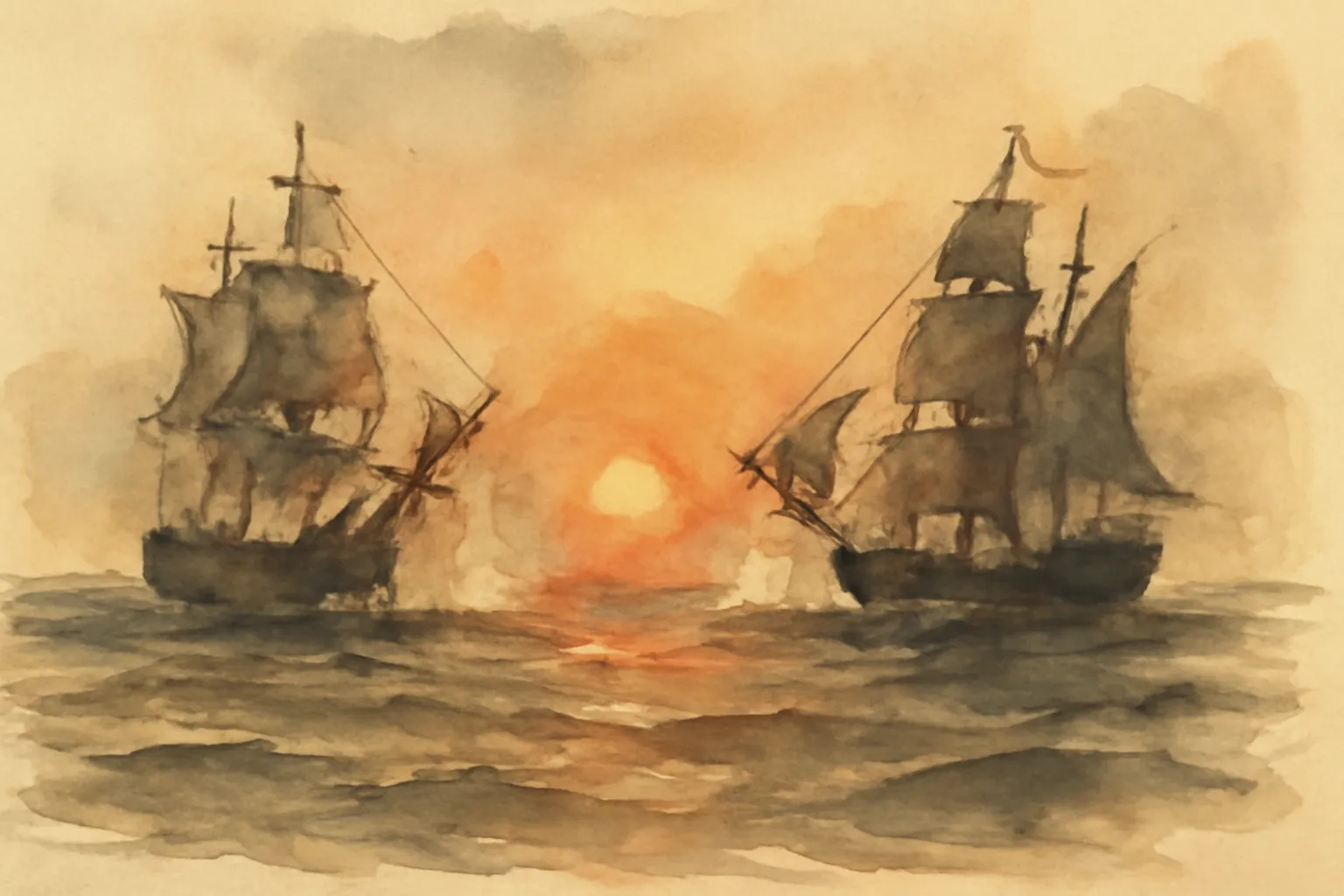
The Spanish Armada of 1588, often mischaracterized as 'Invincible,' represents a dramatic confrontation that reshaped European power dynamics. King Philip II's ambition to invade England was thwarted by the strategic ingenuity of English naval commanders, most notably Sir Francis Drake. The battle was not just a test of naval might but also a clash of ideologies, with Protestant England standing against Catholic Spain. The defeat of the Armada marked the decline of Spanish naval power and the rise of England as a formidable maritime force. This engagement illustrated the significance of adaptability and innovative tactics in naval warfare, as the English fleet utilized faster ships and more effective cannons. The lessons learned from this battle would influence naval engagements for generations, as the importance of speed and maneuverability became paramount.
6.Lepanto: The Fight for Mediterranean Dominance
The Battle of Lepanto in 1571 was a crucial confrontation between the Holy League and the Ottoman Empire, marking a significant moment in the struggle for control of the Mediterranean. This battle showcased the decline of Ottoman naval supremacy, as the coalition forces, led by Don Juan of Austria, secured a decisive victory. The use of galleys, a key component of naval warfare at the time, highlighted the importance of ship design and crew training. Lepanto not only halted the Ottoman advance into Europe but also symbolized a turning point in the power dynamics of the Mediterranean region. The triumph of the Holy League served as a rallying point for Christian Europe and underscored the role of naval warfare in shaping geopolitical landscapes. This battle remains a testament to the enduring impact of sea power in historical conflicts.
7.The Age of Sail and the Battle of Trafalgar
The Battle of Trafalgar in 1805 epitomizes the climax of naval warfare during the Age of Sail, where Admiral Nelson's tactics led to a decisive British victory over the combined French and Spanish fleets. This battle underscored the significance of innovative tactics, as Nelson famously divided his fleet into two columns to break the enemy line, demonstrating the effectiveness of aggressive maneuvering. Trafalgar not only solidified Britain's naval dominance but also established principles of naval engagement that would inform future conflicts. The battle marked the end of Napoleon's plans for invading England and set the stage for British maritime supremacy in the 19th century. The legacy of Trafalgar is profound, as it illustrates the transformative power of leadership, strategy, and adaptability in naval warfare, reshaping the future of naval engagements.
8.The Introduction of Steam and Ironclads
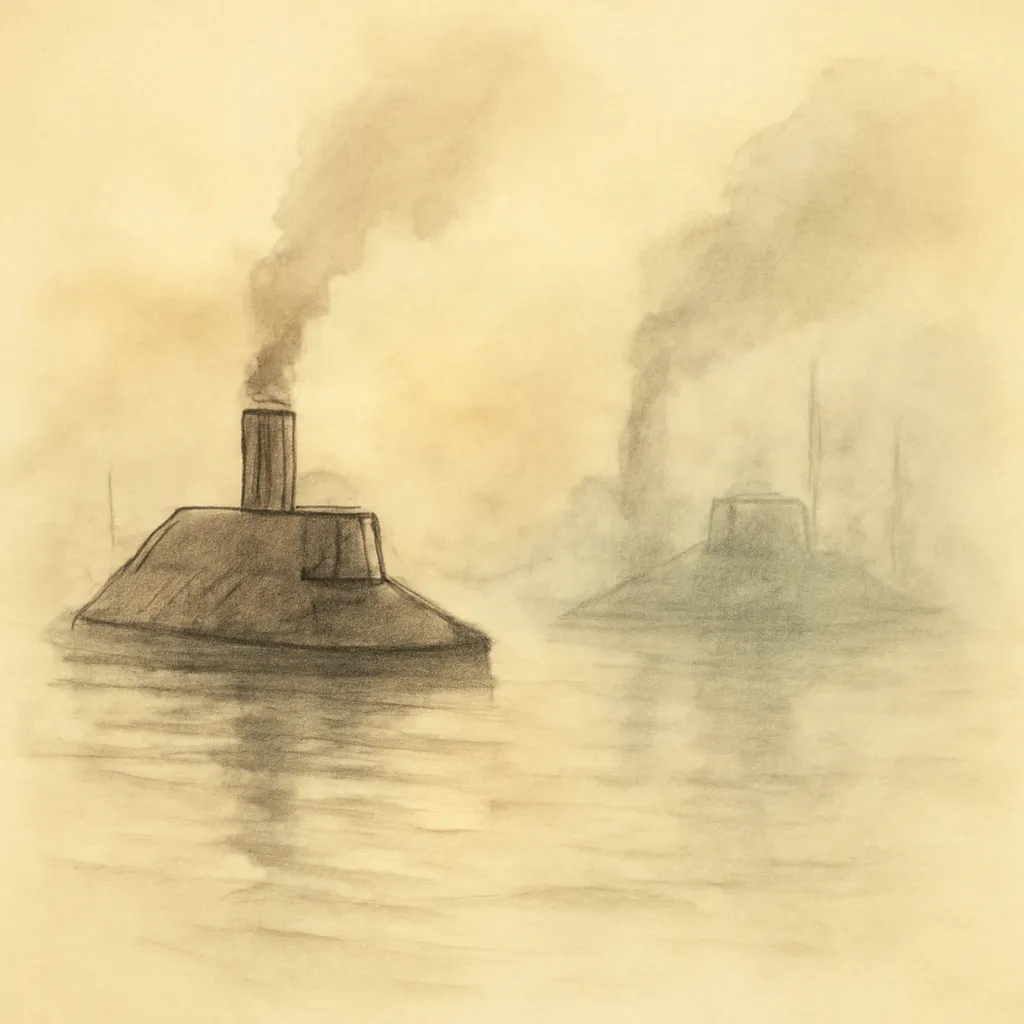
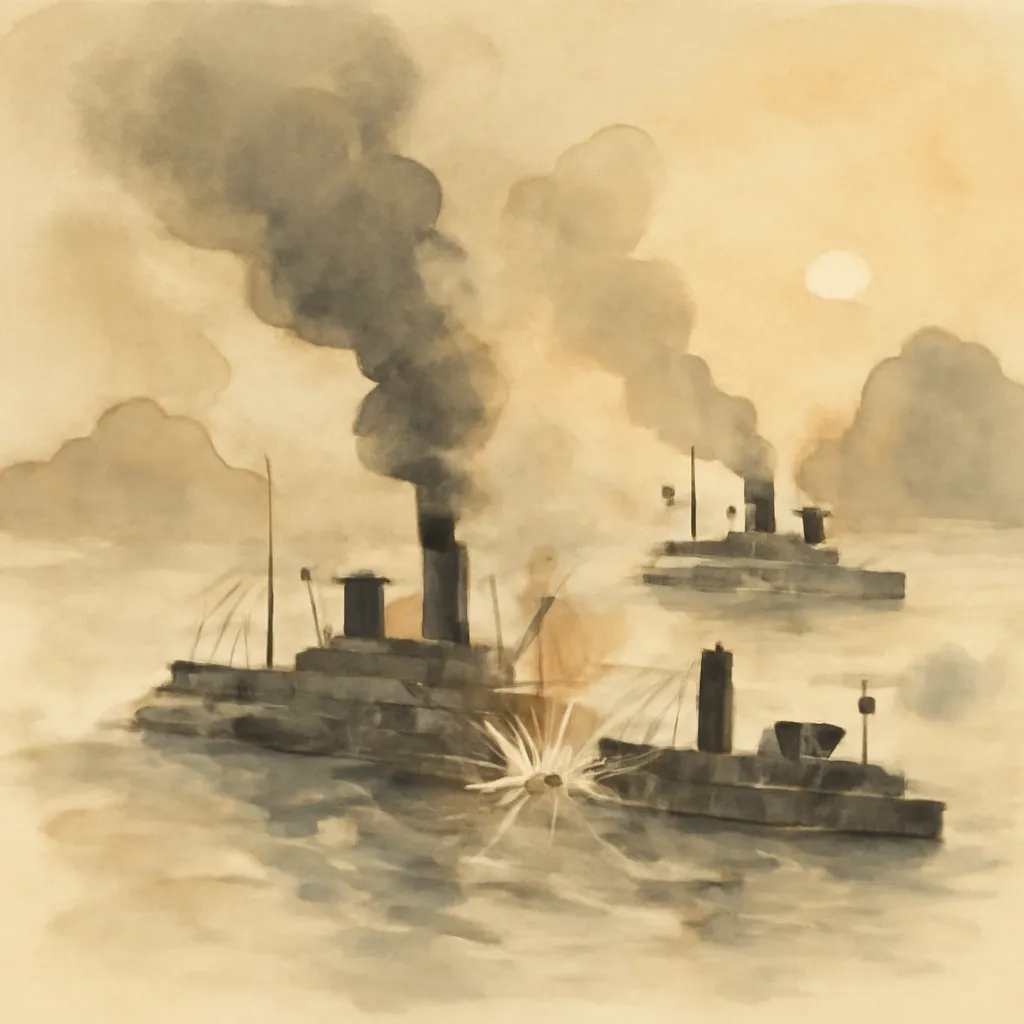
The transition to steam-powered vessels and ironclads marked a revolutionary shift in naval warfare, culminating in the Battle of Hampton Roads in 1862. This engagement between the USS Monitor and the CSS Virginia showcased the obsolescence of wooden ships and the rise of ironclad technology. The introduction of steam propulsion changed the dynamics of naval battles, allowing for greater maneuverability and speed. The duel at Hampton Roads demonstrated that the future of naval warfare lay in technology, as traditional tactics were rendered ineffective against armored ships. This battle foreshadowed the modern age of naval power, where the emphasis shifted from sheer numbers to technological superiority. The implications of this transition were far-reaching, as navies around the world began to adapt to new technologies, forever altering the landscape of maritime conflict.
9.Lissa: The First Armoured Naval Engagement
The Battle of Lissa in 1866 marked the first significant engagement between ironclad fleets, setting the stage for modern naval warfare. The Austrian fleet, under Admiral Tegethoff, faced off against the Italian fleet, which was perceived to have superior technology. However, Lissa proved that courage and tactical ingenuity could outweigh technological advantages. Tegethoff's bold tactics led to a stunning victory, illustrating that the human element remains paramount in naval engagements. This battle also sparked a renewed interest in naval power and the development of armoured ships across the globe. The lessons learned from Lissa would influence naval strategy for decades, as the importance of leadership and adaptability in the face of overwhelming odds became a recurring theme in naval history.
10.The Battle of the Yalu: A Prelude to Modern Warfare
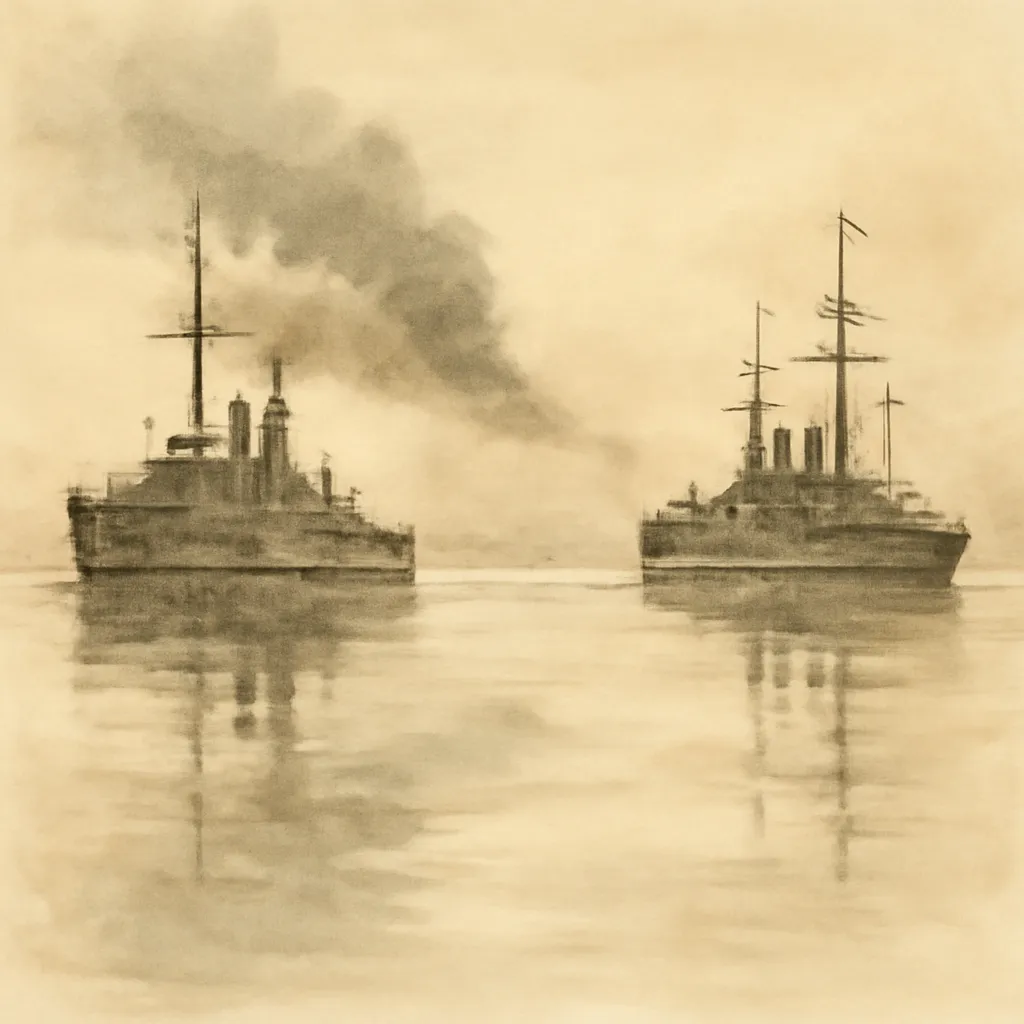
The Battle of the Yalu in 1894 was a significant naval confrontation between Japan and China, marking the emergence of Japan as a formidable naval power. This engagement highlighted the importance of modernization in naval warfare, as Japan's investment in a modern fleet allowed it to defeat the traditionally superior Chinese navy. The Yalu demonstrated how technological advancements, such as improved gunnery and ship design, could shift the balance of power in the region. The victory not only solidified Japan's status as a major player on the world stage but also set the stage for future conflicts in East Asia. This battle serves as a reminder of how innovation and adaptation in naval technology can redefine power dynamics and influence regional stability.
11.Tsu-Shima: The End of Western Naval Supremacy
The Battle of Tsu-Shima in 1905 stands as a watershed moment in naval history, marking the first time an Asian power defeated a European fleet in modern times. The Russian fleet faced the Japanese navy in a decisive engagement that showcased the effectiveness of strategic planning and execution. Japan's meticulous preparations and understanding of naval warfare allowed it to achieve a stunning victory, reversing centuries of Western naval dominance. Tsu-Shima not only altered the balance of power in the Pacific but also symbolized the rise of Japan as a global force. This battle underscored the significance of innovation, discipline, and strategic foresight in naval engagements, setting the tone for future conflicts in the 20th century. The implications of Tsu-Shima reverberated far beyond the immediate context, reshaping international relations and military strategies in the years to come.