Adventure
Famous Sea Fights, from Salamis to Tsu-Shima by A. Hilliard Atteridge — Summary, Key Ideas & Full Text
390 pages15 chapters7h 50m read5h 34m speed read✦ 10-min Big ideasFree · no account
Rate it
Explore the epic saga of naval warfare, showcasing how the command of the sea has shaped history from ancient times to the modern era
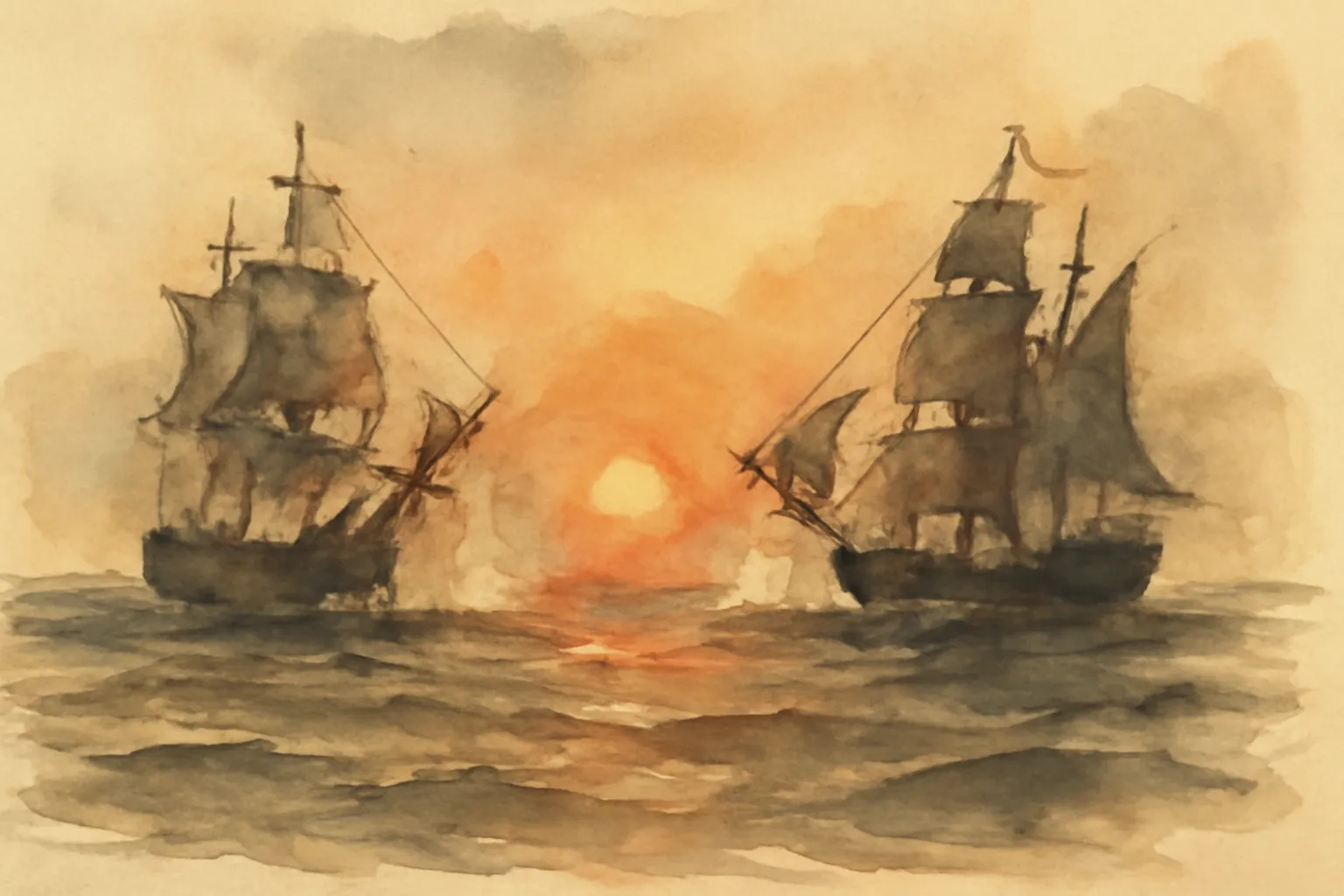
Famous Sea Fights, from Salamis to Tsu-Shima offers a sweeping narrative of pivotal naval battles that have defined the course of history. By examining key engagements from the ancient Battle of Salamis to the modern naval confrontation at Tsu-Shima, the text illuminates the evolution of naval warfare and its critical role in shaping empires and nations. Through vivid storytelling and rich historical detail, readers will discover how the mastery of the seas has influenced power dynamics across civilizations. The book goes beyond mere battle accounts, delving into the innovations in ship design, tactics, and the human spirit that have propelled nations to victory or defeat. This exploration highlights not only the strategic importance of naval power but also the enduring legacy of these sea fights in our contemporary world.
Famous Sea Fights, from Salamis to Tsu-Shima encapsulates the rich tapestry of naval warfare, illustrating how the mastery of the seas has influenced the trajectory of civilizations. Each battle recounted serves as a testament to the evolving nature of naval strategy, the significance of technological advancements, and the enduring human spirit that drives men to confront adversity on the high seas. As we reflect on these historical engagements, we recognize their lasting impact on contemporary naval doctrine and international relations. The lessons learned from these conflicts remind us that the command of the sea remains an essential element in shaping our world, emphasizing the need for continued innovation and understanding in the realm of maritime power.
“he who commands the sea commands all.”
“These sea-dragons will tear asunder the empire I have made.”
“The Turk had become the terror of Europe.”
Read A. Hilliard Atteridge's work free on Lumina — the complete text plus an 8-minute summary and key ideas, no account needed