1.The Emergence of Nihilism
Nihilism, as embodied by the character Bazarov, represents a radical departure from traditional values and beliefs. Bazarov dismisses established norms, including art, religion, and familial ties, asserting that nothing holds intrinsic value. This perspective challenges the foundations of society, as he believes that one should only trust in science and rationality. His views provoke intense reactions from those around him, particularly from Arkady, who admires Bazarov but is also torn by his father's values. Turgenev uses Bazarov's character to explore the allure and dangers of nihilism, illustrating how it can lead to both liberation and alienation. As Bazarov interacts with other characters, his ideology sparks debates that reflect the broader philosophical struggles of 19th-century Russia, making the novel a critical examination of a society in transition.
2.Generational Conflict and Its Consequences
The tension between generations is a central theme in 'Fathers and Sons,' as represented by the contrasting ideologies of fathers and their sons. Nikolai Petrovitch Kirsanov, Arkady's father, embodies the traditional Russian landowner, clinging to the values of the past. In contrast, Arkady and Bazarov represent the new generation, eager to embrace modernity and reject outdated customs. This generational divide leads to misunderstandings and conflicts that highlight the emotional toll of these ideological battles. For instance, Nikolai's genuine affection for Arkady clashes with his inability to understand his son's radical beliefs. The novel portrays how this conflict can create rifts within families, leading to feelings of isolation and despair. Turgenev poignantly illustrates the pain of separation that results from differing worldviews, revealing the deep emotional scars left by such discord.
3.The Role of Women in a Changing Society
Women in 'Fathers and Sons' are depicted as both victims and agents of change in a patriarchal society. Characters like Fenitchka and Madame Odintsov illustrate the limited roles available to women during this period. Fenitchka, as a peasant woman, embodies the struggles of the lower classes, while Madame Odintsov represents the educated, upper-class woman who yearns for independence yet remains bound by societal expectations. Their interactions with male characters reveal the complexities of gender dynamics, as they navigate their desires within the constraints imposed by men. Turgenev subtly critiques the treatment of women, suggesting that they possess their own forms of agency and intelligence that are often overlooked. The novel ultimately questions the societal norms that restrict women's roles, hinting at the potential for their empowerment as the social order evolves.
4.Nature as a Reflection of Inner Conflict
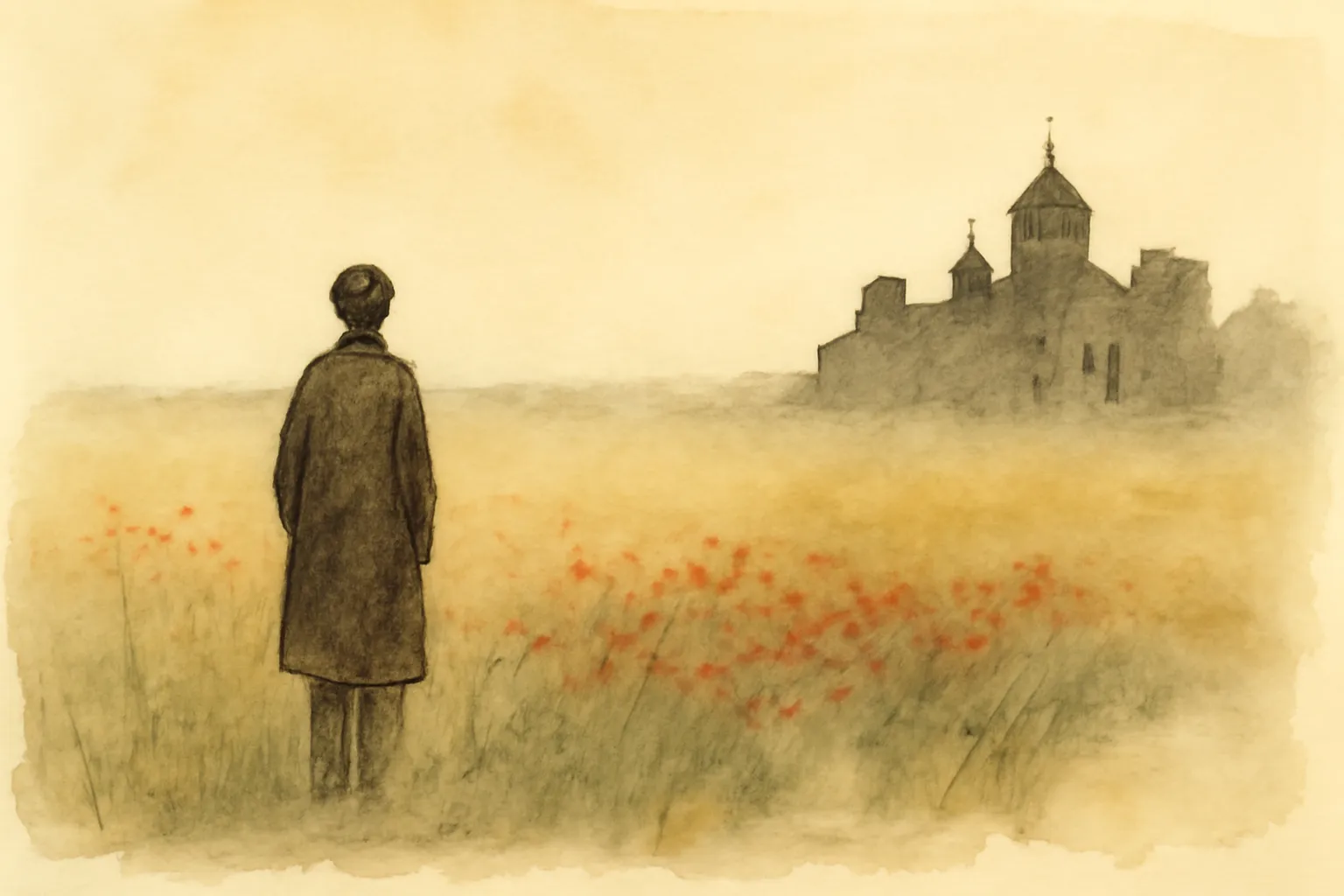
Turgenev employs nature as a powerful motif throughout 'Fathers and Sons,' using it to mirror the characters' internal struggles and emotional states. The Russian landscape serves not only as a backdrop but also as a living entity that reflects the characters' turmoil. For instance, the serene beauty of the countryside contrasts sharply with the turmoil of Bazarov's nihilistic beliefs. The natural world becomes a site of introspection for Nikolai, who finds solace in its beauty even as he grapples with his fading relevance in a changing society. Turgenev's lush descriptions of the Russian landscape evoke a sense of nostalgia and loss, emphasizing the characters' longing for a simpler, more harmonious existence. Through this interplay between nature and character, the novel explores the profound connection between the environment and human emotion, suggesting that the two are inextricably linked.
5.Friendship and Loyalty Amidst Ideological Divide
The relationship between Arkady and Bazarov exemplifies the complexities of friendship when ideological differences emerge. While their bond is initially strong, rooted in shared educational pursuits and youthful enthusiasm, the tension between their worldviews creates a rift. Bazarov's radicalism challenges Arkady's loyalties, forcing him to confront his own beliefs and values. This dynamic illustrates how friendships can be tested by external pressures, particularly in times of social upheaval. Turgenev poignantly captures the emotional weight of their friendship, as Arkady grapples with admiration for Bazarov while simultaneously feeling the pull of familial loyalty toward his father. The novel ultimately reflects on the fragility of friendships in the face of conflicting ideologies, revealing how deeply held beliefs can reshape personal connections.
6.The Search for Identity in a Transforming Society
Arkady's journey of self-discovery is emblematic of the broader search for identity experienced by many young Russians during Turgenev's time. As he navigates the conflicting influences of his father and Bazarov, Arkady grapples with his own sense of purpose and belonging. His admiration for Bazarov's radical ideas initially leads him to embrace nihilism, but he gradually realizes the limitations of such a worldview. Turgenev portrays Arkady's evolving understanding of himself and his place in society, highlighting the internal conflict that arises when young individuals confront the expectations of their elders. Through Arkady's struggles, the novel addresses the universal theme of identity formation, emphasizing the importance of reconciling personal beliefs with societal norms. This search for self amidst external pressures remains relevant, resonating with readers across generations.
7.The Impact of Social Change on Personal Relationships
The backdrop of social change in 'Fathers and Sons' profoundly impacts the personal relationships among the characters. The shifting dynamics of class, ideology, and gender create a complex web of interactions that reflect the broader societal transformations. For instance, Nikolai's attempts to modernize his estate and adapt to new agricultural practices are met with resistance from traditionalists, mirroring his struggles to connect with his son. Similarly, Bazarov's radical views alienate him from established circles, causing friction with Pavel, who embodies the aristocracy. Turgenev masterfully illustrates how social upheaval can disrupt familial bonds and friendships, leading to a profound sense of dislocation. The novel serves as a poignant reminder of the personal costs of societal change, emphasizing that as the world evolves, so too must the relationships that define us.
8.Philosophical Debates as a Reflection of Societal Change
The philosophical discussions that permeate 'Fathers and Sons' are not merely academic; they reflect the urgent societal changes occurring in 19th-century Russia. Turgenev uses dialogue to explore key issues such as the role of the individual in society, the nature of truth, and the relevance of tradition. Characters like Bazarov and Pavel engage in heated debates that reveal their differing ideologies, with Bazarov championing a scientific, empirical approach to life while Pavel clings to romantic ideals. These exchanges serve as a microcosm of the larger cultural shifts taking place, illustrating the struggle between progress and tradition. Turgenev's exploration of these philosophical themes invites readers to consider the implications of their own beliefs and the societal context in which they exist. The novel thus becomes a platform for examining the philosophical underpinnings of a society in flux.
9.The Power of Love and Its Transformative Effects
Romantic relationships in 'Fathers and Sons' serve as a powerful counterpoint to the ideological struggles faced by the characters. Arkady's affection for Madame Odintsov represents a yearning for connection and understanding amidst the chaos of social change. Similarly, Bazarov's unexpected feelings for her challenge his nihilistic worldview, revealing the complexities of human emotion that cannot be easily dismissed. Turgenev illustrates how love can transform individuals, prompting them to confront their beliefs and reevaluate their priorities. Through these romantic entanglements, the novel suggests that love possesses the power to bridge ideological divides and foster personal growth. As characters navigate the intricacies of their relationships, Turgenev underscores the enduring significance of love as a fundamental human experience that transcends the constraints of society.