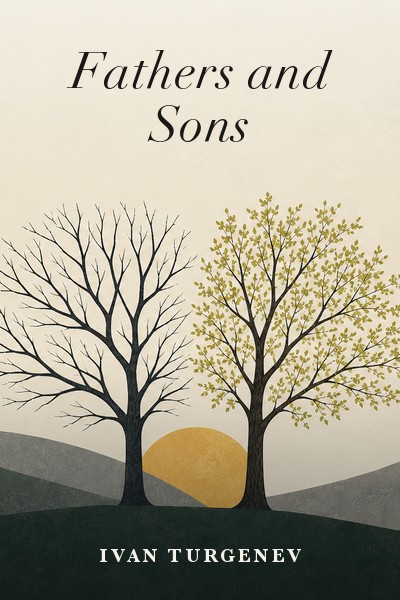

Fathers and Sons explores the generational clash between traditional values and emerging radical ideologies in 19th-century Russia
Read full overviewShow less›
In Ivan Turgenev's seminal work, 'Fathers and Sons,' the intricate dynamics between parents and children unfold against the backdrop of a changing Russian society. The novel provides a profound exploration of nihilism, generational conflict, and the quest for identity. Through the relationships of its characters—particularly the radical Bazarov and his father, as well as Arkady and his father Nikolai—Turgenev dissects the tensions between old-world values and new ideologies. Readers will gain insight into the philosophical debates of the time, the emotional struggles of the characters, and the broader implications for Russian society as it edges toward modernity. This literary journey invites reflection on how generational shifts can reshape personal relationships and societal norms.
In 'Fathers and Sons,' Turgenev masterfully navigates the complexities of familial relationships, ideological clashes, and the search for identity within a transforming society. Through the lens of his characters, he explores the profound impact of nihilism and the generational divide on personal connections. The novel invites readers to reflect on the enduring themes of love, friendship, and the quest for meaning in a rapidly changing world. Ultimately, Turgenev's work resonates with contemporary audiences by highlighting the timeless struggle between tradition and progress, offering valuable insights into the human condition as we confront our own societal transformations. The emotional depth and philosophical richness of 'Fathers and Sons' ensure its place as a seminal work in the canon of Russian literature, encouraging readers to engage with its themes and reflect on their own lives.
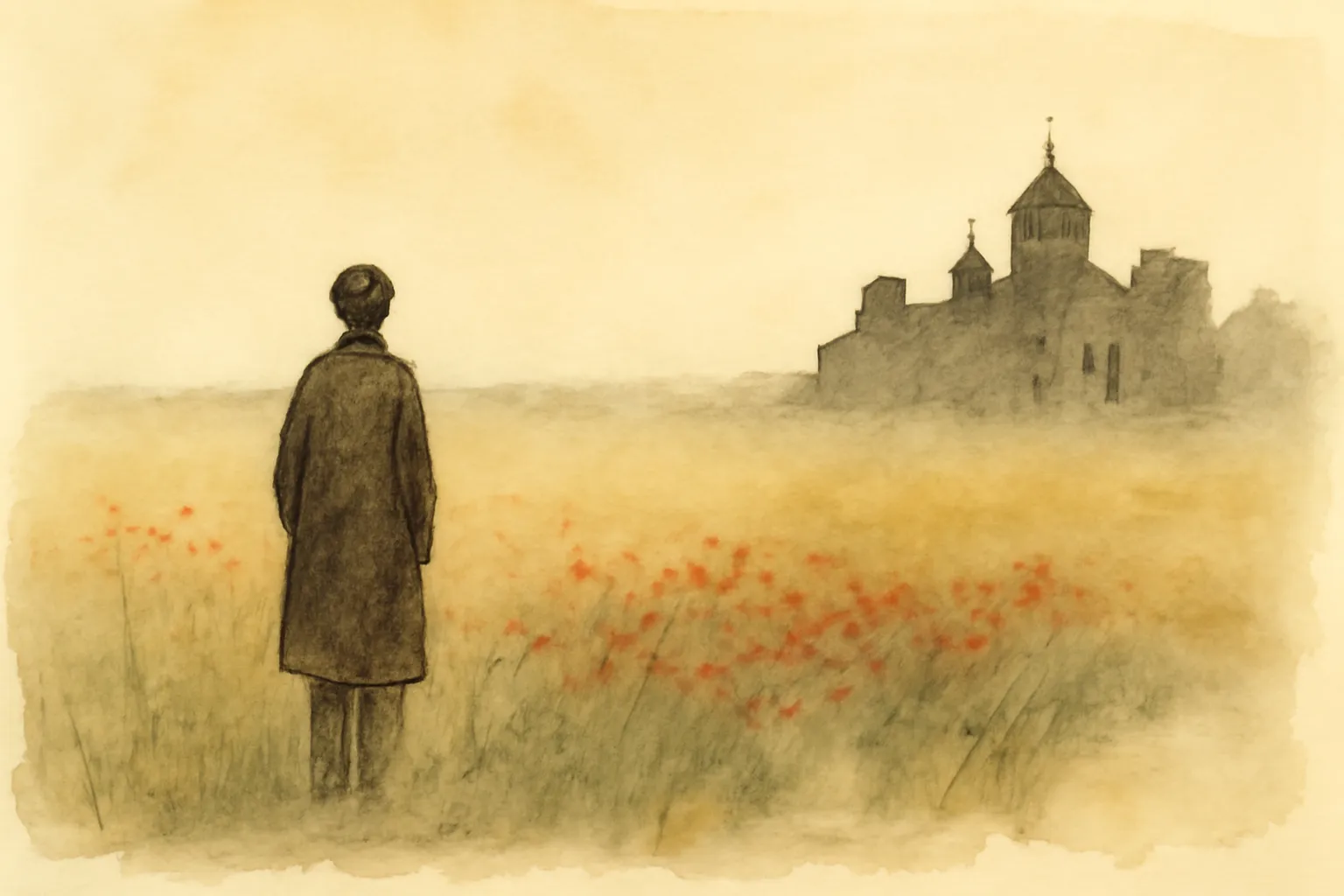
- 1The Emergence of Nihilism
- 2Generational Conflict and Its Consequences
- 3The Role of Women in a Changing Society
- 4Nature as a Reflection of Inner Conflict
- 5Friendship and Loyalty Amidst Ideological Divide
A glimpse inside

Nihilism, as embodied by the character Bazarov, represents a radical departure from traditional values and beliefs. Bazarov dismisses established norms, including art, re… Read moreNihilism, as embodied by the character Bazarov, represents a radical departure from traditional values and beliefs. Bazarov dismisses established norms, including art, religion, and familial ties, asserting that nothing holds intrinsic value. This perspective challenges the foundations of society, as he believes that one should only trust in science and rationality. His views provoke intense reactions from those around him, particularly from Arkady, who admires Bazarov but is also torn by his father's values. Turgenev uses Bazarov's character to explore the allure and dangers of nihilism, illustrating how it can lead to both liberation and alienation. As Bazarov interacts with other characters, his ideology sparks debates that reflect the broader philosophical struggles of 19th-century Russia, making the novel a critical examination of a society in transition. Show less
The tension between generations is a central theme in 'Fathers and Sons,' as represented by the contrasting ideologies of fathers and their sons. Read moreThe tension between generations is a central theme in 'Fathers and Sons,' as represented by the contrasting ideologies of fathers and their sons. Nikolai Petrovitch Kirsanov, Arkady's father, embodies the traditional Russian landowner, clinging to the values of the past. In contrast, Arkady and Bazarov represent the new generation, eager to embrace modernity and reject outdated customs. This generational divide leads to misunderstandings and conflicts that highlight the emotional toll of these ideological battles. For instance, Nikolai's genuine affection for Arkady clashes with his inability to understand his son's radical beliefs. The novel portrays how this conflict can create rifts within families, leading to feelings of isolation and despair. Turgenev poignantly illustrates the pain of separation that results from differing worldviews, revealing the deep emotional scars left by such discord. Show less
Read the full text — free
About the author
Read Ivan Turgenev's work free on Lumina — the complete text plus an 8-minute summary and key ideas, no account needed