1.The Birth of a Financial Powerhouse
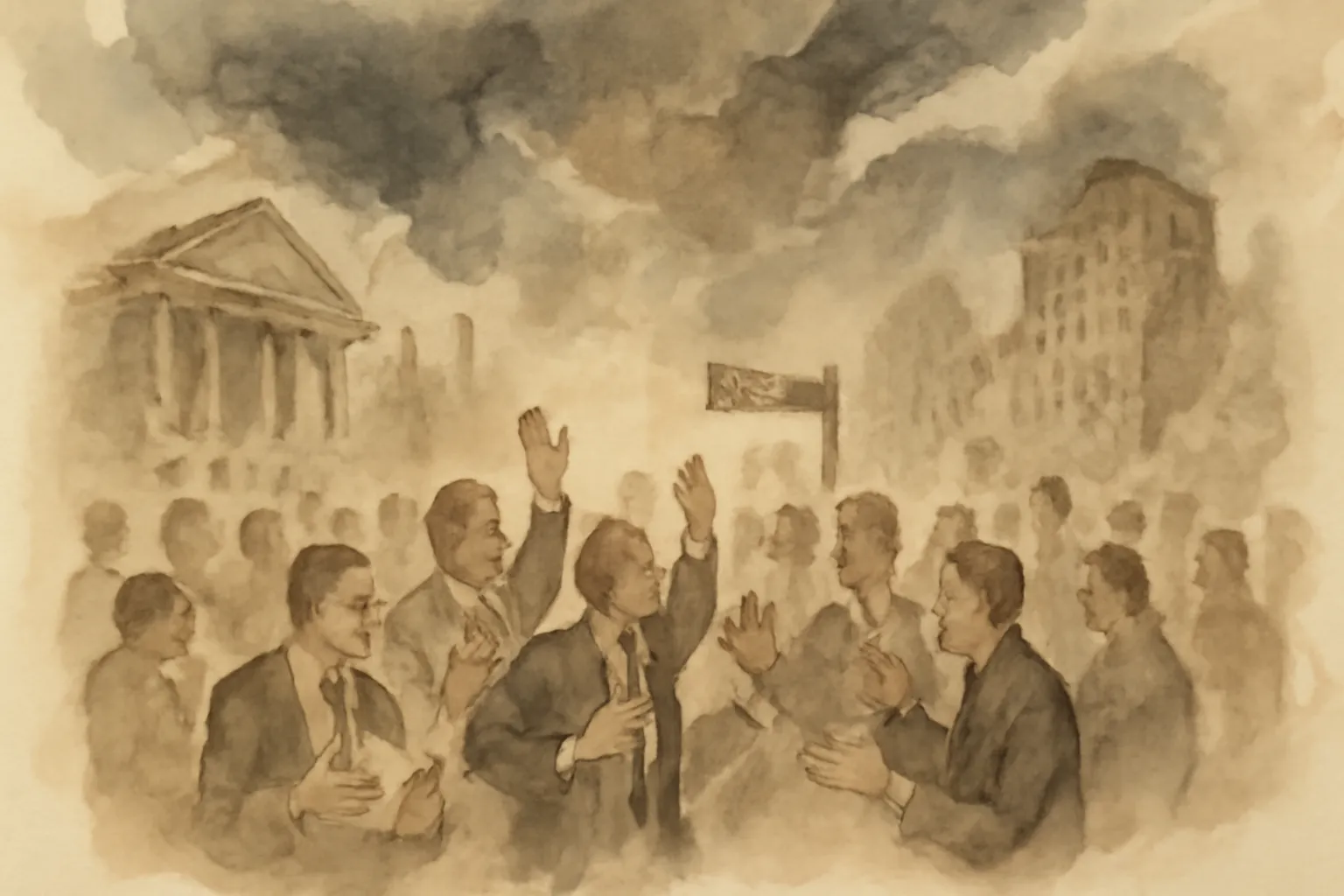
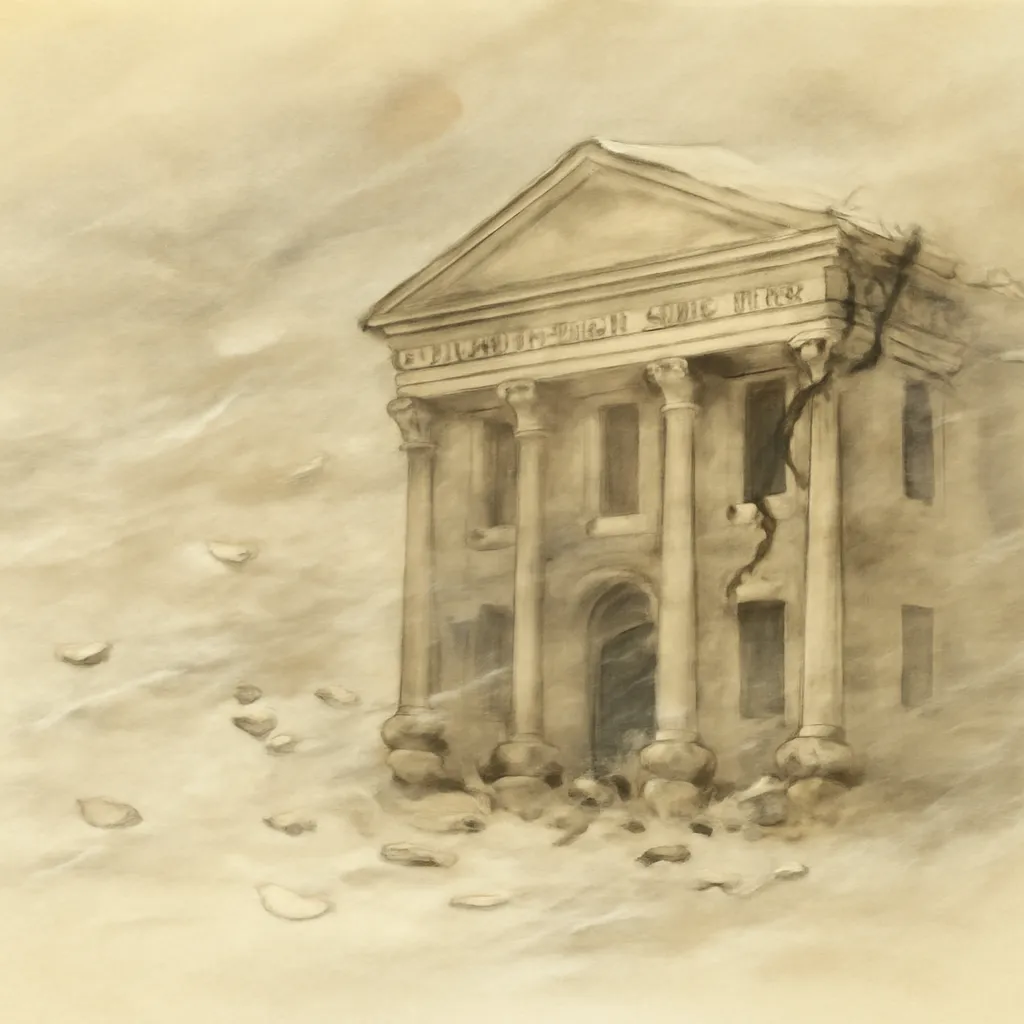
Clews describes his debut in Wall Street during the Panic of 1857, a time of tremendous upheaval that reshaped the financial landscape. Known as the 'Western blizzard,' this panic resulted in the failure of major institutions, including the Ohio Life and Trust Company, which sent shockwaves through the economy. The chaos forced a reevaluation of business practices, as many conservative firms fell and were replaced by a new, more aggressive generation of financiers. Clews underscores how this transformation laid the groundwork for modern financial practices, including the rise of speculative trading and the emergence of young, ambitious brokers eager to make their mark. This upheaval represented not just a crisis but an opportunity for reform, as it cleared the way for innovative approaches and the incorporation of new ideas that would dominate the financial markets in the decades that followed.
2.Wall Street as a Civilizing Force

Contrary to popular belief, Clews argues that Wall Street plays a crucial role in the distribution of wealth and resources, acting as a civilizing force in society. He critiques the misconceptions held by many, including clergymen, who view Wall Street as a den of vice. Instead, he posits that the financial district is integral to the functioning of the economy, facilitating trade and investment that propel growth. Clews emphasizes the importance of understanding the clearinghouse transactions that exemplify Wall Street's role as a distributor of capital. By doing so, he aims to dismantle the prejudices against financial markets and highlight their significance in fostering industrial development and economic progress. This perspective challenges readers to reconsider the societal implications of finance, suggesting that rather than being a mere source of greed, Wall Street can contribute positively to the broader economy and enhance the quality of life.
3.Learning from Financial Panics

One of the salient themes in Clews' narrative is the cyclical nature of financial panics and their lessons for investors. He advises aspiring speculators to recognize the patterns that precede these events, advocating for a patient, observant approach to investing. Clews illustrates how seasoned investors often monitor the market for signs of impending downturns, allowing them to capitalize on opportunities when panic ensues. He discusses the importance of liquidity and preparedness, noting that successful investors are those who maintain cash reserves to buy undervalued stocks during crises. This insight emphasizes the need for discipline and strategic planning, urging young investors to avoid the lure of speculative tips and instead focus on informed decision-making. By learning to anticipate and respond to market fluctuations, investors can turn adversity into opportunity, reinforcing the notion that panics, while disruptive, can also serve as valuable learning experiences.
4.The Necessity of Business Training

Clews argues for the critical need for formal business training to succeed in Wall Street. He observes that many sons of affluent families struggle to thrive in the competitive environment, often hindered by their sense of entitlement. Clews believes that true success comes from hard work, adaptability, and a genuine understanding of the market. He critiques the educational system, suggesting that traditional college courses may not adequately prepare students for the realities of financial markets. Instead, he advocates for experiential learning and mentorship, emphasizing that practical business experience often serves as the best education for aspiring financiers. Clews advises young individuals to seek fields that resonate with their interests and skills rather than simply following family expectations. He believes that nurturing individual passions is key to developing the resilience and creativity necessary for navigating the complexities of Wall Street.
5.The Integrity of Wall Street
Despite the negative stereotypes often associated with finance, Clews asserts that personal honor and integrity are paramount among Wall Street operators. He notes that breaches of trust are rare, and the community is largely built on mutual confidence. This emphasis on integrity is essential for maintaining the trust necessary for financial transactions, especially given the vast sums of money involved. Clews recounts how the accountability among brokers and traders contributes to the overall stability of the financial system. He illustrates this through anecdotes of respected figures who upheld ethical standards, reinforcing the idea that character plays a significant role in building a successful career in finance. By highlighting the ethical standards upheld by many in the industry, he seeks to counter the narrative that equates finance with deceit and corruption, giving readers a more nuanced understanding of Wall Street's moral landscape.
6.Wall Street's Role During the Civil War
The Civil War era was a pivotal moment for Wall Street, as financiers played a crucial role in supporting the Union's war efforts. Clews recounts how Wall Street came to the government's aid during its financial crises, assisting in the issuance of Treasury notes and bonds to fund the war. He discusses the collaborative efforts of prominent financiers, who understood that the survival of the nation was intertwined with the stability of the financial system. This period showcased how Wall Street could mobilize resources for the greater good, reinforcing its position as a central player in American economic and political life. Clews emphasizes that the financial community's commitment to the Union reflected a broader sense of patriotism and responsibility, as financiers recognized their unique role in shaping the course of history during a time of national peril.
7.The Evolution of the Stock Exchange
Clews provides a historical overview of the New York Stock Exchange, tracing its origins from humble beginnings to its current status as a financial titan. He describes the transformation of the Exchange from a simple gathering of brokers to a sophisticated institution facilitating billions in transactions. Clews emphasizes the importance of consolidations and the evolution of trading practices that have shaped the modern market. He details how the Exchange adapted to technological advancements and regulatory changes, illustrating the dynamic nature of financial markets. Furthermore, he highlights the patriotic actions taken by the Exchange during wartime, showcasing how financial institutions can contribute positively to society. This narrative underscores the importance of adaptability and innovation in the face of changing economic landscapes, inviting readers to appreciate the ever-evolving character of financial markets.
8.The Mechanics of Speculation
A significant portion of Clews' work is dedicated to the intricacies of speculation and the strategies employed by successful investors. He delves into the concept of 'corners' and 'futures,' explaining how these practices influence market values and investor behavior. Clews argues that speculation, when executed judiciously, can serve as a stabilizing force in the economy. He provides examples of notable figures who have successfully navigated the complexities of the market, illustrating the fine line between risk and reward. Clews emphasizes the importance of understanding market psychology and the need for disciplined trading strategies. By sharing insights into the mechanics of speculation, he offers valuable lessons for both novice and experienced investors, encouraging them to embrace calculated risks while remaining aware of the potential pitfalls of unrestrained speculation.
9.The Impact of Foreign Intrigues
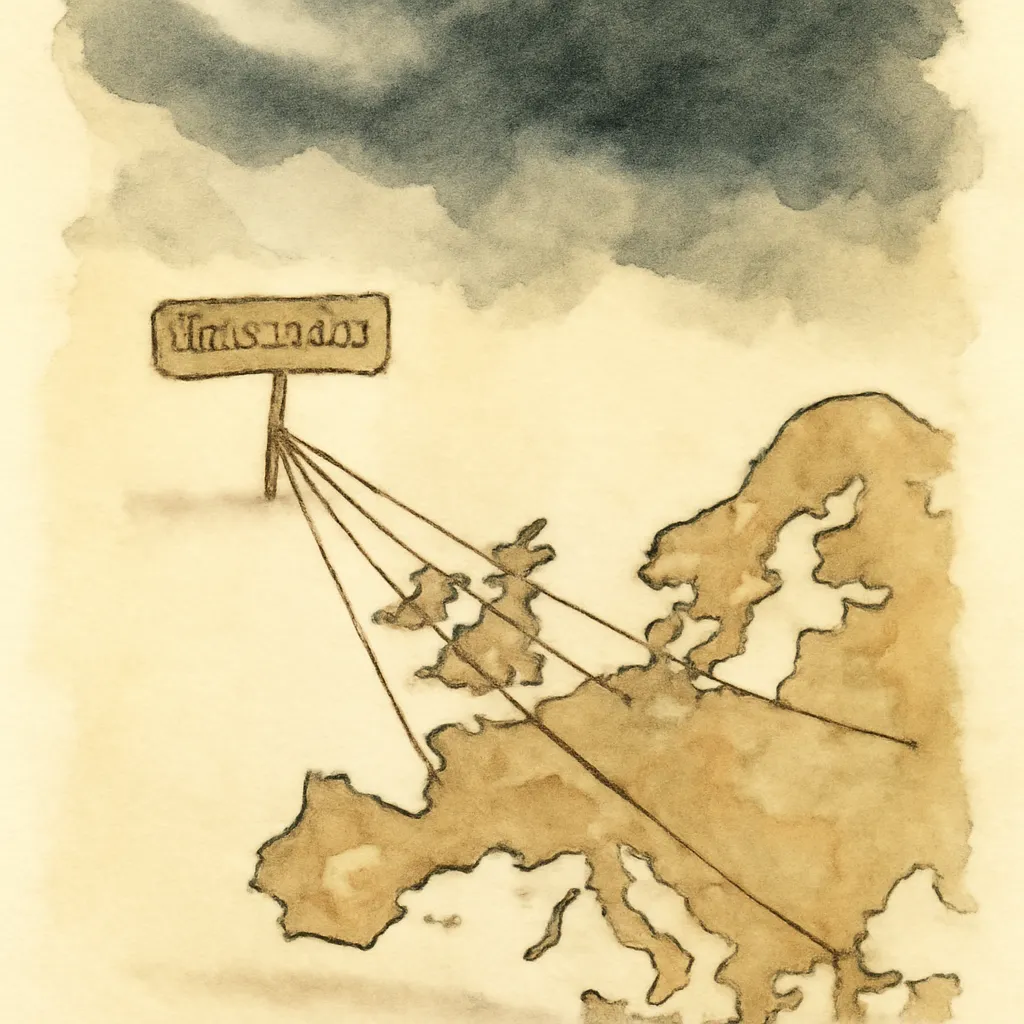
Clews discusses the various foreign intrigues that have historically threatened American financial stability, particularly during the Civil War. He examines the diplomatic tensions with European powers, especially France and England, and their attempts to influence American affairs. The presence of foreign fleets and political machinations posed significant challenges to the Union's efforts. Clews highlights how these external pressures shaped Wall Street's response and the strategies employed by financiers to safeguard national interests. By providing historical context, he illustrates the interconnectedness of global politics and finance, revealing how international dynamics can impact domestic markets. This examination of foreign relations underscores the importance of vigilance and adaptability in the face of external threats, reminding readers that financial markets are not isolated from the world but are deeply influenced by geopolitical developments.
10.The Legacy of Wall Street Figures
Throughout the book, Clews pays homage to the influential figures who have shaped Wall Street's history, including the likes of Commodore Vanderbilt and Daniel Drew. He recounts their strategies, successes, and failures, illustrating the human element behind the financial machinery. Clews emphasizes that the legacies of these individuals extend beyond their wealth; they represent the spirit of innovation and risk-taking that defines Wall Street. By sharing their stories, he provides readers with a deeper understanding of the personalities that have left an indelible mark on the financial landscape, inspiring future generations of investors. Clews encourages readers to reflect on the traits that made these figures successful and the lessons that can be drawn from their experiences, highlighting the complexities of ambition, competition, and resilience in the financial world.