Philosophy · Business Classics · Short Reads
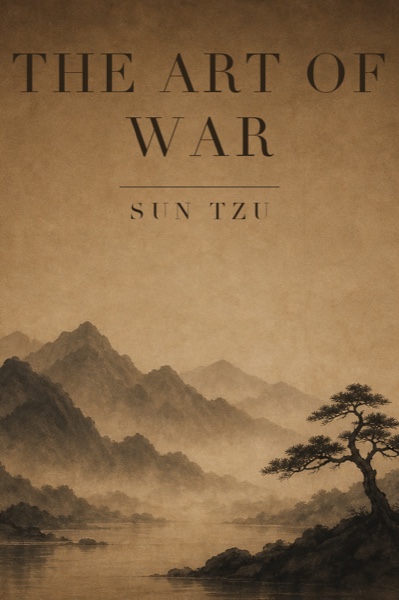
The Art of War by Sun Tzu — Summary, Key Ideas & Full Text
179 pages14 chapters3h 36m read2h 33m speed read✦ 7-min Big ideas★ 4.1 (162)Free · no account
Rate it
Master the timeless strategies of warfare to gain an edge in life and leadership
The Art of War by Sun Tzu is not merely a military treatise; it is a profound exploration of strategy, tactics, and human behavior that transcends time and cultural boundaries. Written over 2400 years ago, its principles are still relevant today, offering insights into competition, negotiation, and conflict resolution in various aspects of life. This text reveals how to outmaneuver opponents not just on the battlefield but in business, politics, and personal relationships. Readers will discover the importance of preparation, the art of deception, and the significance of understanding one's environment and psychology. Whether you are a leader, a strategist, or simply someone looking to navigate challenges more effectively, the teachings of Sun Tzu will equip you with the wisdom to prevail in your endeavors.
The Art of War offers timeless wisdom on strategy and leadership that transcends the battlefield, providing insights applicable to various aspects of life. Sun Tzu’s teachings emphasize the importance of preparation, adaptability, and understanding one's environment. The principles outlined in this work encourage leaders to think strategically, leveraging information and deception to gain advantages over competitors. By mastering these concepts, individuals can navigate conflicts and challenges with greater efficacy, whether in business, politics, or personal relations. Ultimately, The Art of War serves as a guide for anyone seeking to achieve success through thoughtful and strategic action.
Read Sun Tzu's work free on Lumina — the complete text plus an 8-minute summary and key ideas, no account needed