1.The Vital Importance of Warfare
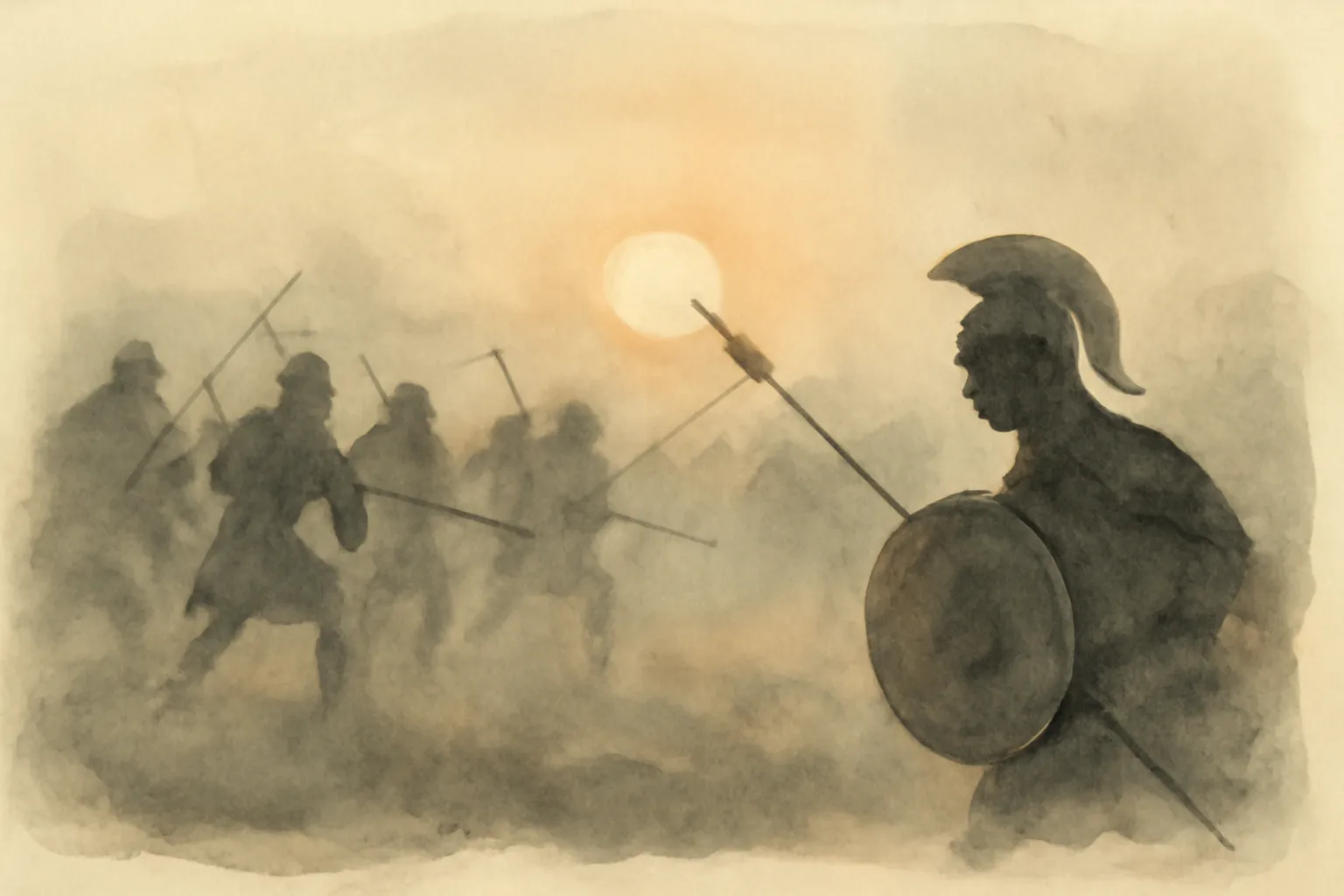
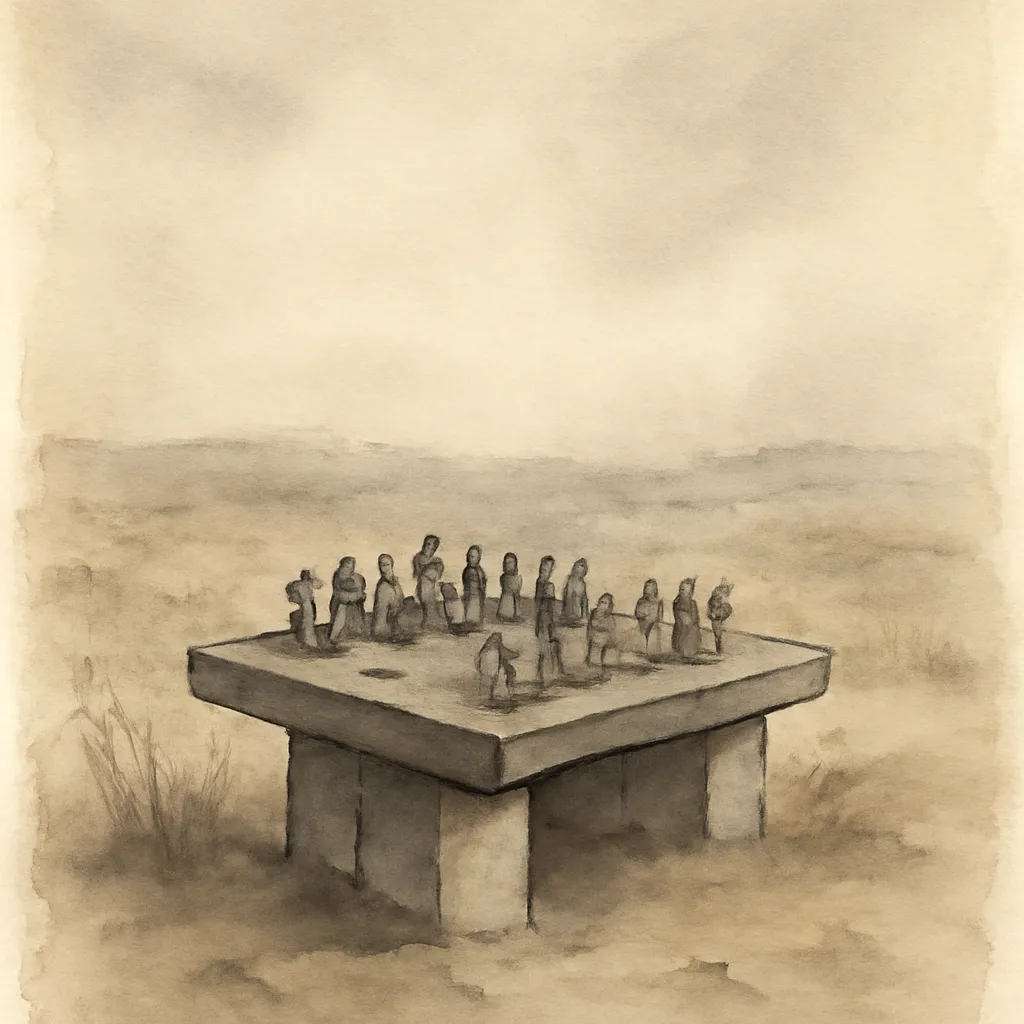
Sun Tzu opens with the assertion that the art of war is of vital importance to the state—it is a matter of life and death. This highlights the seriousness with which one should approach conflict. He identifies five constant factors that must be considered when laying plans: the Moral Law, Heaven, Earth, the Commander, and Method and Discipline. Each of these factors plays a crucial role in determining the conditions on the battlefield. The Moral Law, for instance, fosters unity between the ruler and the people, essential for mobilizing resources and morale. Understanding these factors allows leaders to make informed decisions that can mean the difference between victory and defeat.
2.Calculating the Costs of War
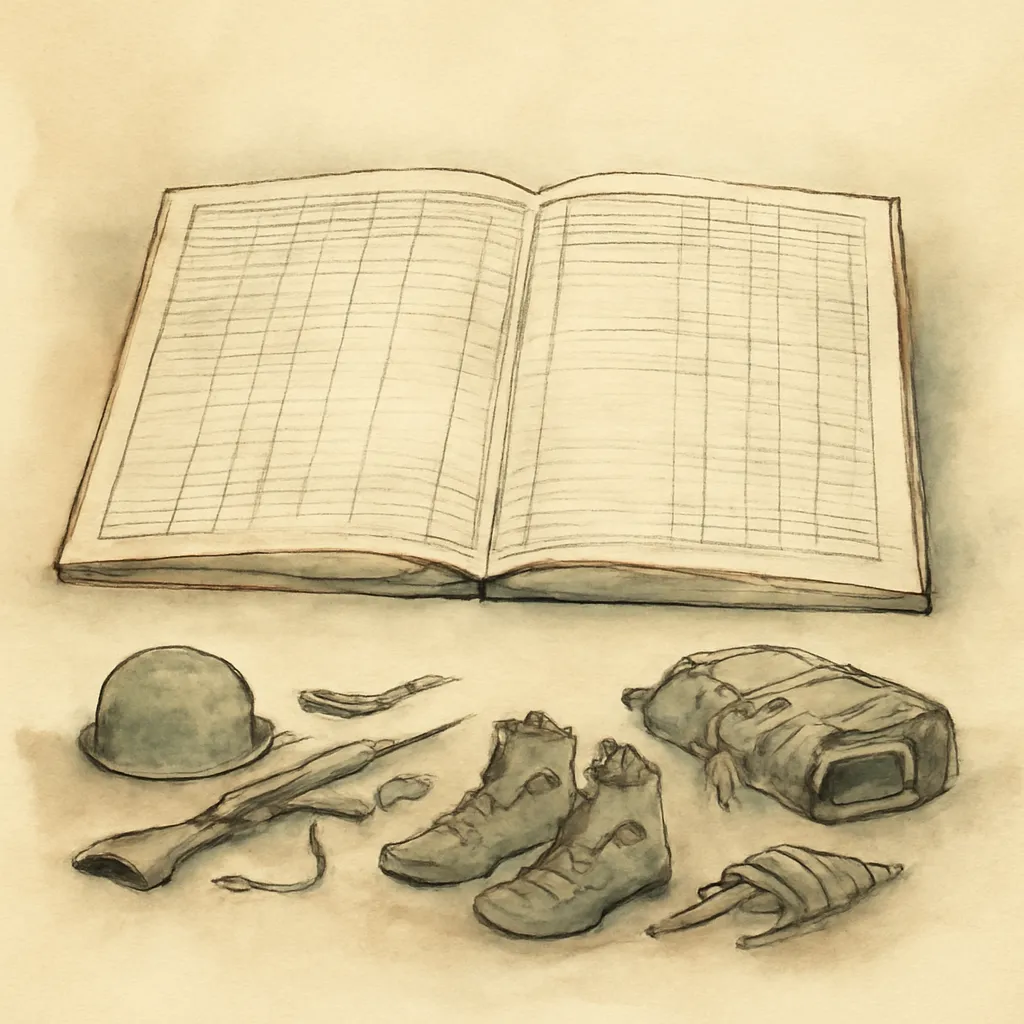
In the chapter on waging war, Sun Tzu emphasizes the necessity of calculating the costs associated with military operations. He illustrates this with a detailed analysis of what it takes to maintain a large army, including provisions, equipment, and the morale of troops. Prolonged campaigns can drain state resources and dampen the spirits of soldiers. When campaigns are drawn out, the weapons become dull, and the ardor of the troops wanes, leading to vulnerability. This principle underscores the need for efficient logistics and the importance of quick, decisive actions in warfare. Leaders must weigh the costs against the potential gains and understand that prolonged conflict can lead to ruin.
3.Winning Without Fighting
One of the most striking ideas in The Art of War is the concept of achieving victory without direct confrontation. Sun Tzu states that the supreme excellence lies in breaking the enemy’s resistance without fighting. This can be achieved through strategic deception, manipulation, and psychological tactics. By disrupting the enemy's plans and isolating their forces, one can gain a significant advantage without the bloodshed associated with traditional battles. This principle encourages leaders to think creatively about conflict resolution, leveraging strategy over brute force, which can be applied in various fields beyond warfare, such as business negotiations and personal disputes.
4.The Importance of Tactical Dispositions
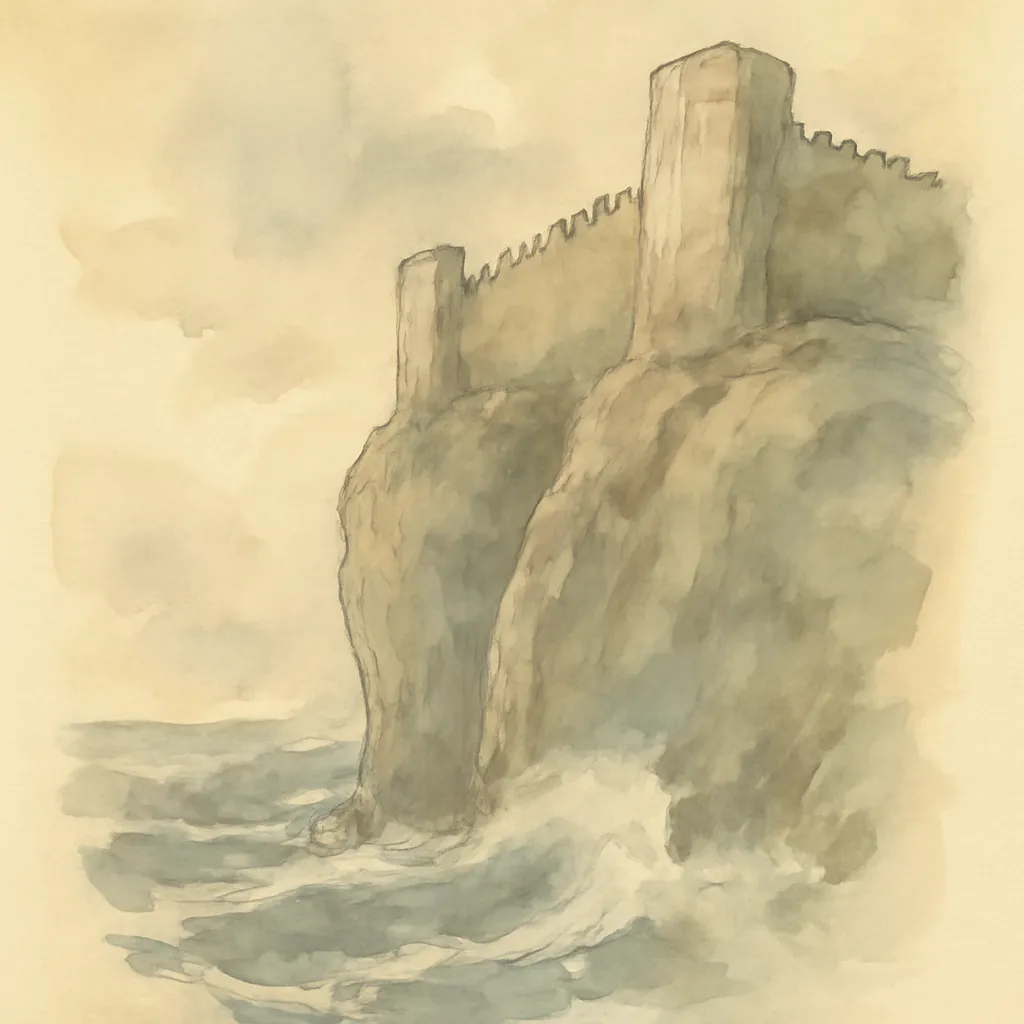
Sun Tzu stresses that good fighters secure themselves against defeat before seeking to defeat the enemy. This principle of defensive tactics is crucial in warfare, where the first step is to ensure one's own position is unassailable. The general must understand the nature of the battlefield and the enemy's movements. Concealing one's dispositions while observing the enemy's actions can yield critical insights that lead to victory. This chapter teaches that preparation and awareness are key to successful tactics, as a well-prepared leader can anticipate and exploit the enemy's mistakes.
5.Direct and Indirect Methods
In discussing energy, Sun Tzu differentiates between direct and indirect methods of engagement. He explains that the effective use of both can be pivotal in achieving victory. Direct methods involve straightforward assaults, while indirect methods utilize deception and surprise to catch the enemy off-guard. By skillfully combining these approaches, a general can adapt to the dynamics of the battlefield, exploiting weaknesses and creating opportunities. This duality encourages flexibility in strategy and the importance of adapting to changing conditions, a lesson that resonates well in modern strategic thinking.
6.Understanding Terrain
The terrain is a critical factor in warfare, with Sun Tzu outlining various types of ground and their implications for military strategy. He categorizes terrain into accessible, entangling, temporizing, narrow passes, and others, each presenting unique advantages and challenges. A general must be adept at choosing advantageous positions and utilizing the environment to their benefit. For instance, occupying high ground provides a strategic advantage, while navigating difficult terrain may require different tactics. This understanding of terrain reinforces the broader principle of situational awareness and the need for leaders to assess their environments carefully.
7.The Nine Situations
Sun Tzu delineates nine varieties of ground that dictate strategic decisions in warfare. These range from dispersive ground, where troops may scatter due to proximity to home, to desperate ground, where survival is at stake. Each type of terrain requires a tailored approach, emphasizing the need for adaptability in strategy. Understanding these situations allows leaders to anticipate the enemy's behavior and respond effectively. This classification serves as a guide for making tactical decisions based on the specific context of the battle and highlights the importance of environmental factors in warfare.
8.The Role of Deception
Deception is a recurring theme throughout The Art of War, with Sun Tzu asserting that all warfare is based on deception. The ability to mislead the enemy about one’s intentions and capabilities can create openings for victory. This can involve feints, false retreats, and other tactics designed to create confusion and uncertainty in the enemy’s ranks. By controlling the narrative and manipulating perceptions, a general can achieve strategic advantages. This principle extends beyond the battlefield, applicable in negotiations and competitive environments where understanding and influencing perception can lead to success.
9.The Use of Spies
Sun Tzu emphasizes the critical role of espionage in warfare, arguing that knowing the enemy's conditions is paramount. He posits that investing in intelligence, even at a cost, is necessary for effective strategy. Spies provide invaluable insights that can inform decisions, allowing leaders to anticipate enemy movements and plans. This chapter underscores the importance of information and the proactive gathering of intelligence, which is crucial in any competitive scenario. The art of war extends to understanding and leveraging information, making it a vital component of strategy.
10.Adaptability and Leadership
Throughout The Art of War, Sun Tzu illustrates that adaptability is the hallmark of effective leadership. A successful general must respond fluidly to the changing dynamics of the battlefield, adjusting tactics and strategies based on real-time conditions. This requires not only a deep understanding of military principles but also a keen awareness of human psychology and the ability to inspire confidence and unity among troops. Leadership in warfare is about making informed decisions swiftly, rallying forces around a common purpose, and being prepared to pivot when necessary. This adaptability is equally relevant in modern leadership contexts, where change is constant.