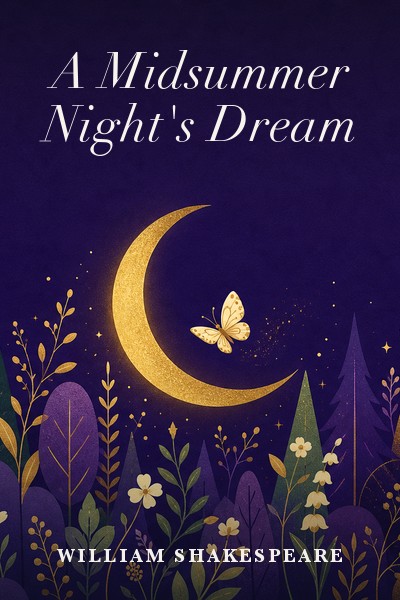

In a whimsical exploration of love and identity, 'A Midsummer Night's Dream' weaves together the lives of mortals and fairies in a comedic ballet of mistaken affections and transformative magic
Read full overviewShow less›
William Shakespeare's 'A Midsummer Night's Dream' is a delightful romp through the complexities of love, the nature of reality, and the folly of human desires. Set against the backdrop of enchanted woods and an impending royal wedding, the narrative intertwines the lives of four young lovers, a troupe of amateur actors, and the mischievous fairies who manipulate their fates. Through a series of humorous misunderstandings and magical interventions, the play examines how love can be both enchanting and bewildering. Readers will discover the intricacies of romantic relationships, the absurdities of human behavior, and the transformative power of imagination, all while being entertained by Shakespeare's masterful wordplay and humor.
'A Midsummer Night's Dream' remains a timeless exploration of love, identity, and the human experience. Through its rich tapestry of characters and themes, Shakespeare invites audiences to reflect on the nature of their own desires and relationships. The interplay of magic, comedy, and the natural world creates a vibrant narrative that resonates with the complexities of love and human behavior. Ultimately, the play underscores the importance of imagination, friendship, and the transformative power of love, reminding us that while the course of true love may be fraught with challenges, it is a journey worth embarking upon. As we navigate our own lives, the lessons and laughter of Shakespeare's enchanting world continue to inspire and entertain.
Ratings at a glance
- 1The Power and Peril of Love
- 2Reality vs. Illusion
- 3The Role of Magic
- 4Identity and Transformation
- 5The Nature of Comedy
A glimpse inside

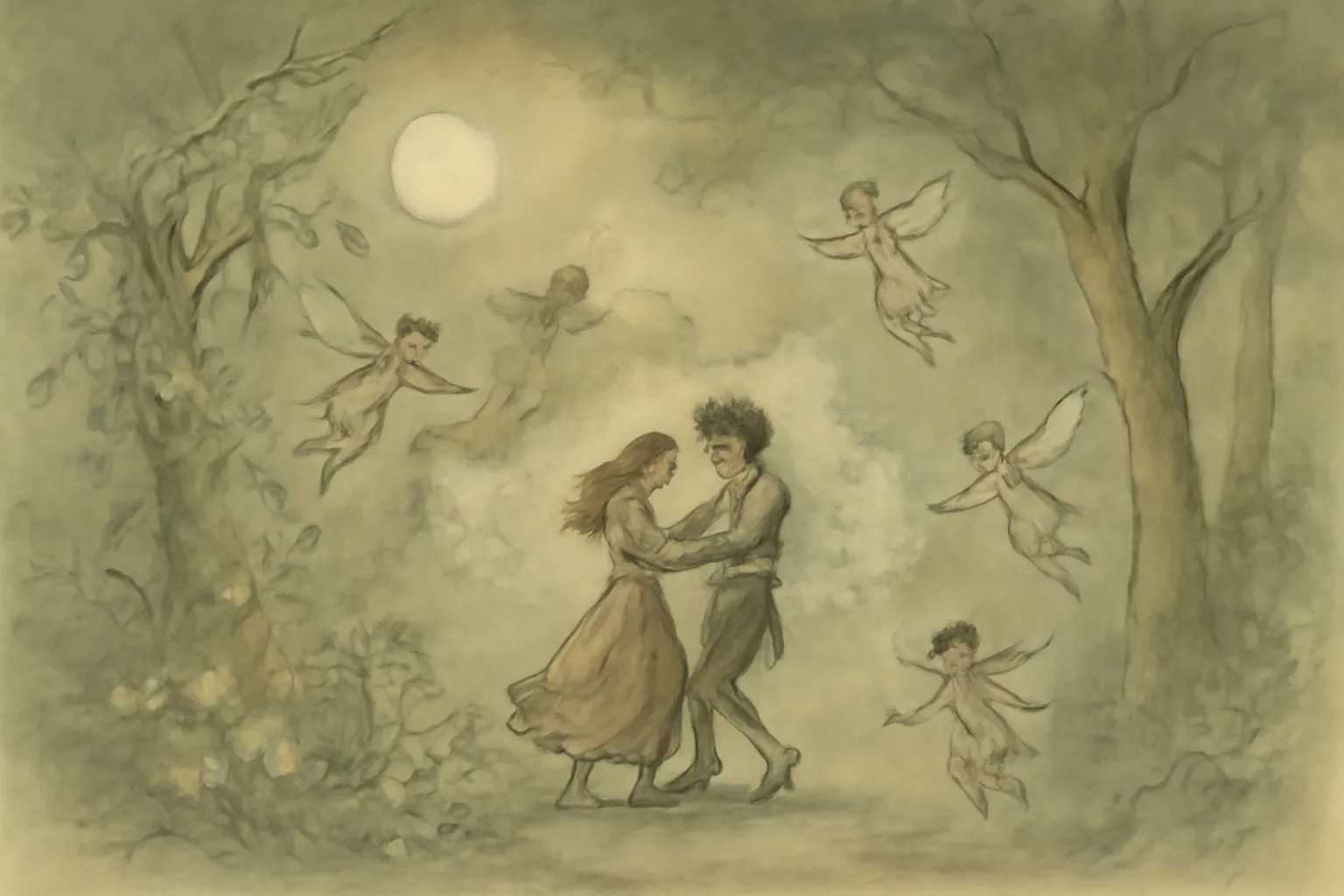
At the heart of 'A Midsummer Night's Dream' lies the theme of love's unpredictable and often irrational nature. The play opens with a conflict between Hermia and her fath… Read moreAt the heart of 'A Midsummer Night's Dream' lies the theme of love's unpredictable and often irrational nature. The play opens with a conflict between Hermia and her father, Egeus, who demands she marry Demetrius, despite her love for Lysander. This tension sets the stage for the exploration of love as a force that can defy societal norms and familial expectations. Hermia's defiance leads her and Lysander into the forest, where their love is further complicated by the interference of magical beings. Shakespeare illustrates that love can bring joy and fulfillment, but it can also lead to chaos and heartache, as characters find themselves entangled in a web of unrequited affections and enchantments that alter their perceptions. This duality of love's power is encapsulated in the famous line, 'The course of true love never did run smooth,' highlighting the tumultuous journey that love often entails. Show less
Shakespeare blurs the lines between reality and illusion throughout the play, prompting audiences to question what is real and what is imagined. Read moreShakespeare blurs the lines between reality and illusion throughout the play, prompting audiences to question what is real and what is imagined. The enchanted forest serves as a liminal space where the characters' identities and relationships are transformed. Puck, the mischievous fairy, embodies this theme as he uses a magical flower to induce love and confusion among the characters. The confusion culminates in a series of humorous misunderstandings, as characters fall in and out of love based on the whims of Puck's enchantments. This interplay of reality and illusion invites the audience to reflect on the nature of perception and the subjective experience of love. As the characters navigate their altered states of being, Shakespeare suggests that our understanding of love and relationships is often shaped by our desires and fantasies, rather than objective truths. Show less
Read the full text — free
About the author
William Shakespeare has 9 works free to read on Lumina, including Hamlet, King Lear, Love's Labour's Lost
All 9 books by William Shakespeare →