
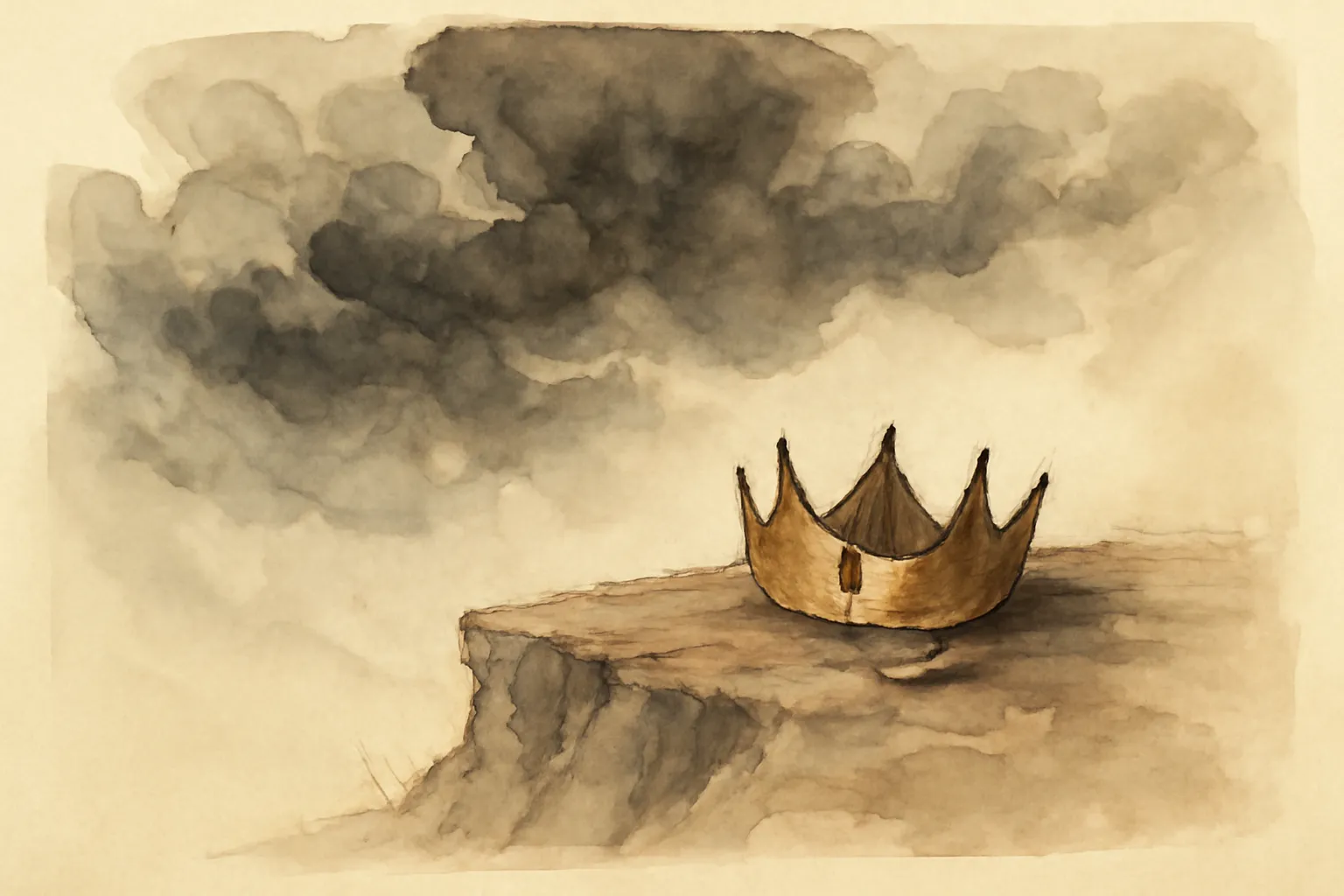
An aging king divides his kingdom by flattery and is cast out into the storm — a towering tragedy of pride, madness, and ingratitude.
Read full overviewShow less›
William Shakespeare's 'King Lear' is a timeless tragedy that delves into themes of loyalty, madness, and the complexities of familial relationships. At its core, the play tells the story of an aging monarch who foolishly divides his kingdom among his two deceitful daughters, leading to his downfall and poignant reflections on human nature. Readers will encounter a rich tapestry of characters and events that ultimately challenge their understanding of authority and the bonds of love. The narrative intertwines the personal and the political, illustrating how the quest for power can lead to devastating consequences. Through the lens of Lear's tragic journey, the play invites contemplation on the nature of justice, the fragility of sanity, and the enduring struggle for recognition and respect.
The enduring power of 'King Lear' lies in its ability to resonate with audiences across generations, offering profound insights into the complexities of human relationships and the consequences of our choices. Shakespeare's masterful exploration of themes such as loyalty, betrayal, and the nature of authority invites readers to reflect on their own lives and the societal structures that govern them. The tragic fate of Lear serves as a cautionary tale about the perils of pride and the necessity of humility, urging us to seek truth and authenticity in our relationships. Ultimately, 'King Lear' is not just a story of personal tragedy; it is a timeless reflection on the human condition, reminding us of the fragility of existence and the enduring power of love and loyalty.
- 1The Dangers of Blindness to Truth
- 2The Nature of Authority and Power
- 3Madness as a Reflection of Truth
- 4The Consequences of Betrayal
- 5The Role of Nature and the Elements
Notable quotes
“I thought the King had more affected the Duke of Albany than Cornwall.”
“Thou, Nature, art my goddess; to thy law My services are bound.”
“Why bastard? Wherefore base?”
A glimpse inside

King Lear's tragic flaw is his inability to see the truth about his daughters, Goneril and Regan, who feign love and loyalty to gain power. Read moreKing Lear's tragic flaw is his inability to see the truth about his daughters, Goneril and Regan, who feign love and loyalty to gain power. In the opening act, Lear's desire for flattery leads him to misjudge their intentions, ultimately resulting in his downfall. This blindness is mirrored in the subplot with Gloucester, who is deceived by Edmund, his illegitimate son. Both Lear and Gloucester suffer because they fail to recognize the honesty of their loyal children—Cordelia and Edgar—who represent truth and virtue. The play emphasizes that a lack of self-awareness and the inability to discern genuine loyalty from manipulation can lead to catastrophic consequences. Lear's initial rejection of Cordelia, who truly loves him, exemplifies how misjudgment can obliterate familial bonds and lead to tragedy. Show less
The theme of authority is central to 'King Lear,' as the play explores the dynamics of power within familial and political contexts. Read moreThe theme of authority is central to 'King Lear,' as the play explores the dynamics of power within familial and political contexts. Lear's decision to divide his kingdom is an abdication of responsibility that destabilizes the natural order. His relinquishment of power to Goneril and Regan, who are power-hungry and ruthless, illustrates how authority can corrupt and twist familial love into betrayal. The play also highlights the consequences of unchecked ambition, as Goneril and Regan's quest for power leads to tyranny and chaos. In contrast, characters like Kent and Cordelia embody the principles of loyalty and integrity, serving as moral compasses in a world rife with treachery. The struggle for power culminates in a tragic irony, where Lear's loss of authority leads him to a profound understanding of his own humanity and vulnerability. Show less
Read the full text — free
About the author
William Shakespeare has 7 works free to read on Lumina, including A Midsummer Night's Dream, Hamlet, Macbeth.
All 7 books by William Shakespeare →Frequently asked
Worlds to get lost in
Take Lumina everywhere
Read offline, listen to AI summaries, speed-read, and sync your progress across devices — free on iPhone.
Download for iPhone