1.The Dangers of Blindness to Truth
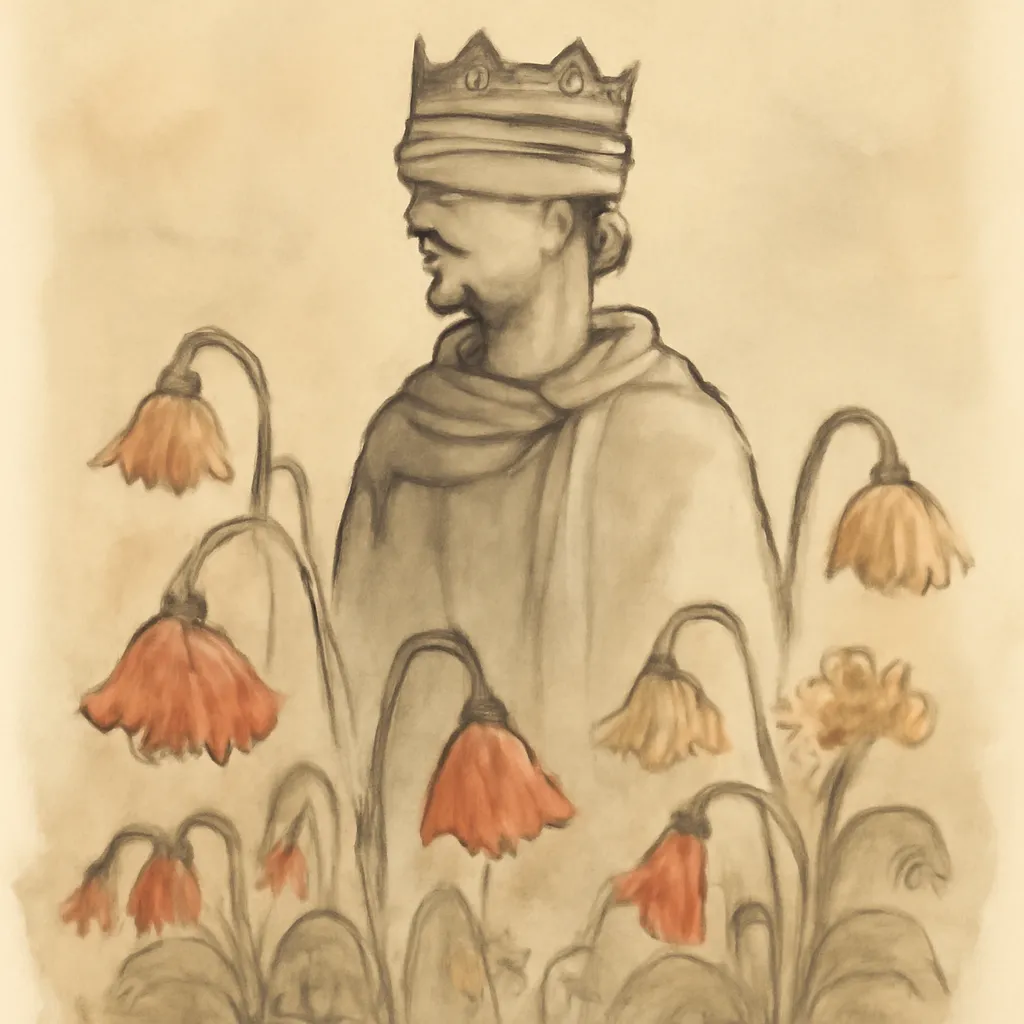
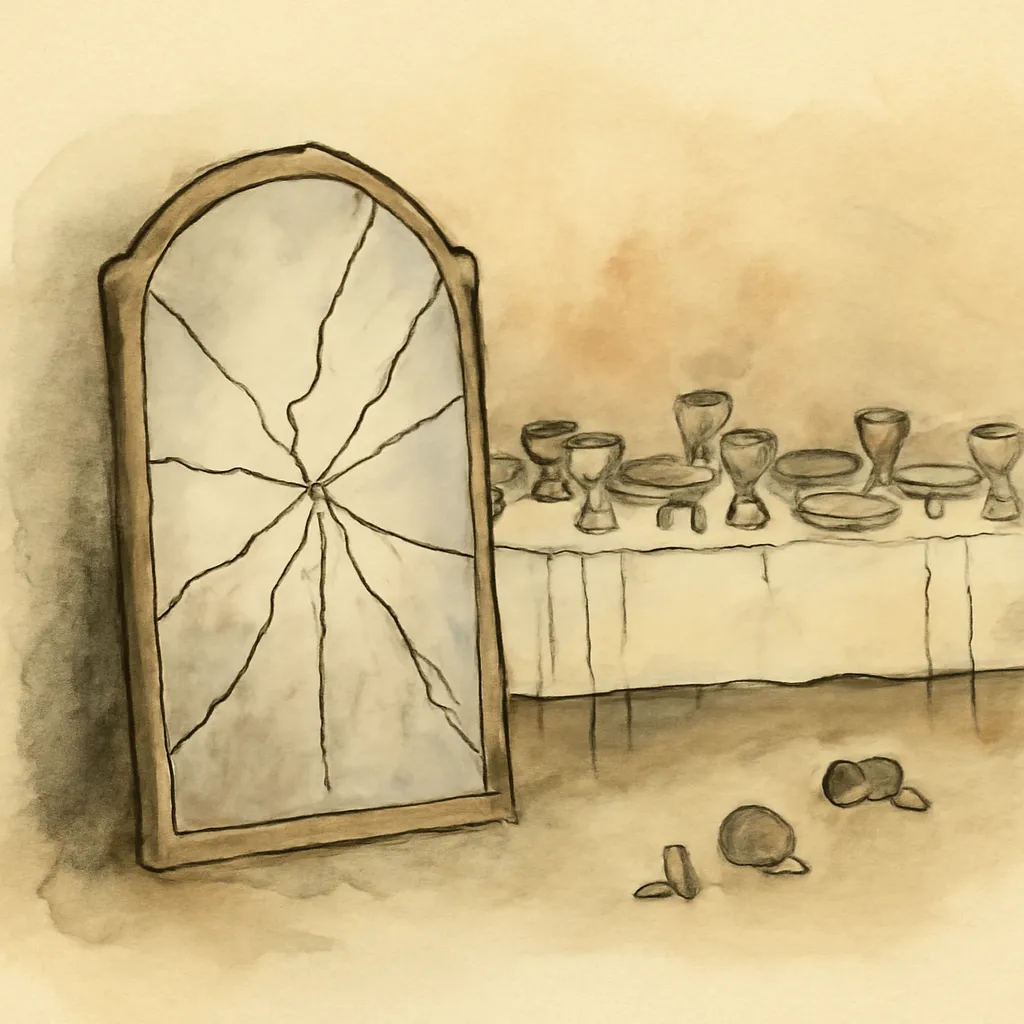
King Lear's tragic flaw is his inability to see the truth about his daughters, Goneril and Regan, who feign love and loyalty to gain power. In the opening act, Lear's desire for flattery leads him to misjudge their intentions, ultimately resulting in his downfall. This blindness is mirrored in the subplot with Gloucester, who is deceived by Edmund, his illegitimate son. Both Lear and Gloucester suffer because they fail to recognize the honesty of their loyal children—Cordelia and Edgar—who represent truth and virtue. The play emphasizes that a lack of self-awareness and the inability to discern genuine loyalty from manipulation can lead to catastrophic consequences. Lear's initial rejection of Cordelia, who truly loves him, exemplifies how misjudgment can obliterate familial bonds and lead to tragedy.
2.The Nature of Authority and Power
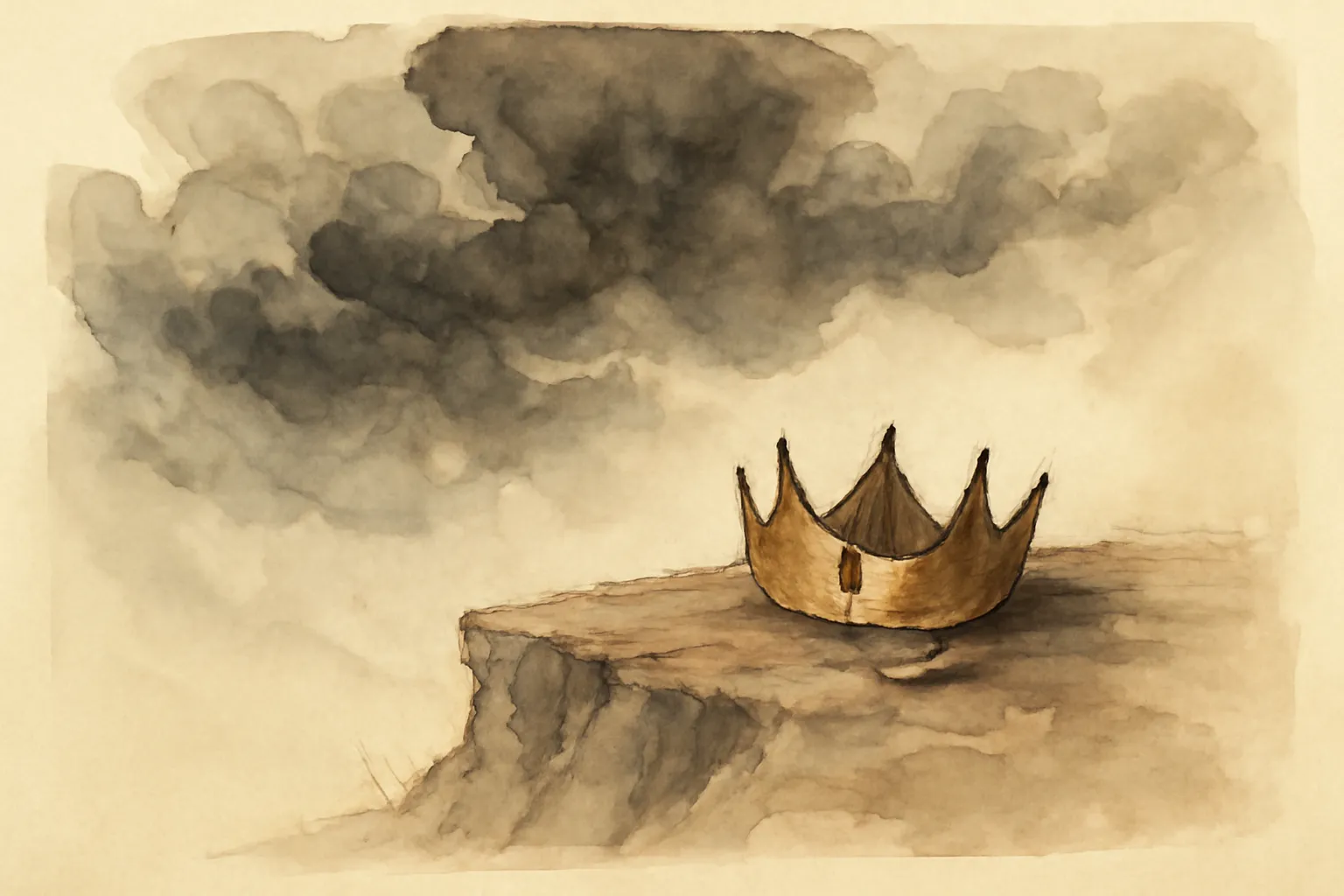
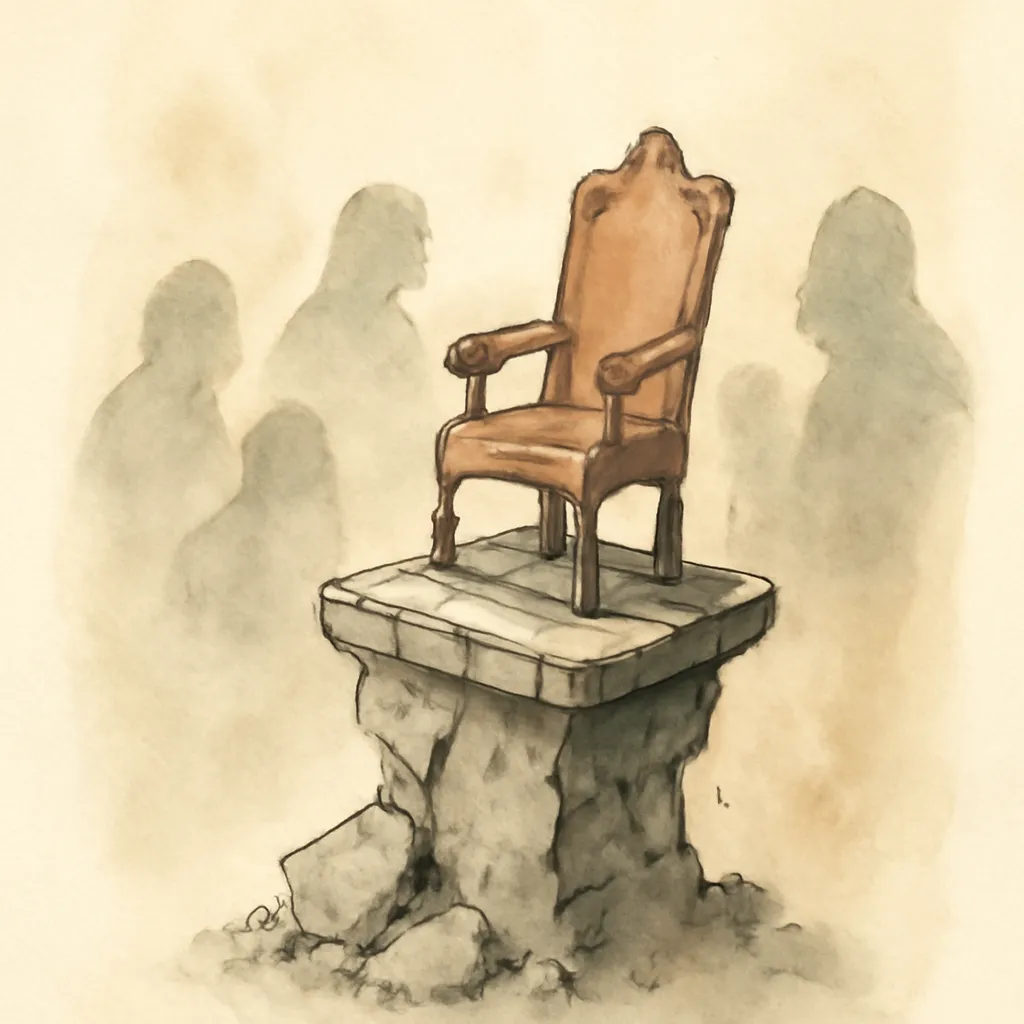
The theme of authority is central to 'King Lear,' as the play explores the dynamics of power within familial and political contexts. Lear's decision to divide his kingdom is an abdication of responsibility that destabilizes the natural order. His relinquishment of power to Goneril and Regan, who are power-hungry and ruthless, illustrates how authority can corrupt and twist familial love into betrayal. The play also highlights the consequences of unchecked ambition, as Goneril and Regan's quest for power leads to tyranny and chaos. In contrast, characters like Kent and Cordelia embody the principles of loyalty and integrity, serving as moral compasses in a world rife with treachery. The struggle for power culminates in a tragic irony, where Lear's loss of authority leads him to a profound understanding of his own humanity and vulnerability.
3.Madness as a Reflection of Truth
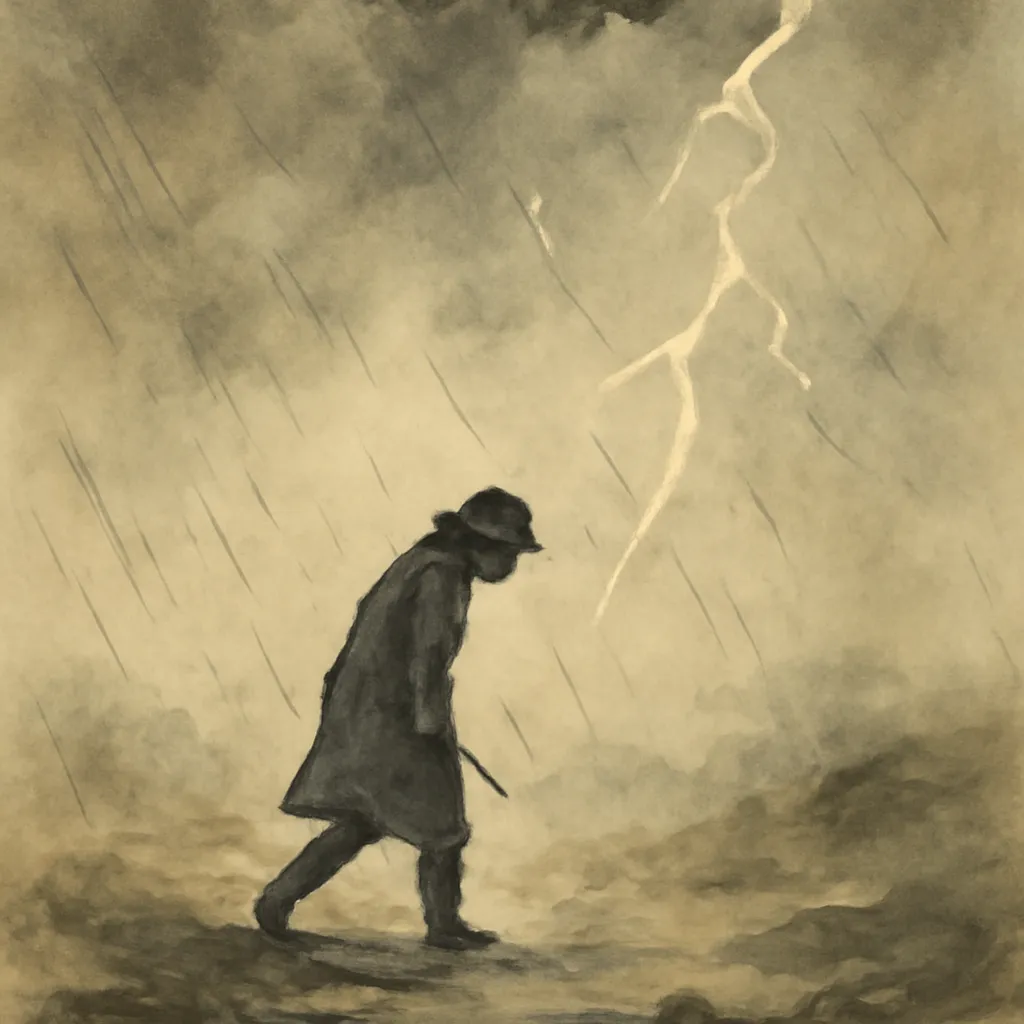
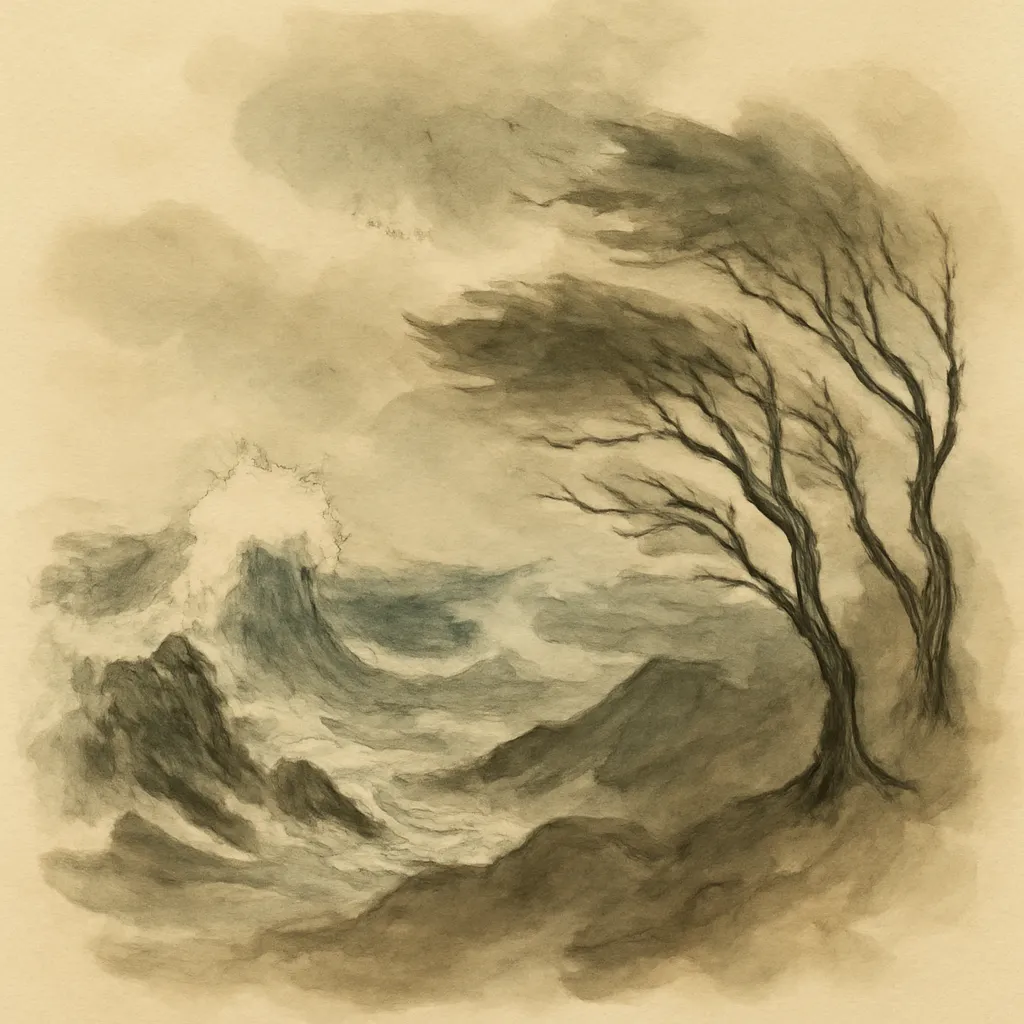
Lear's descent into madness serves as a poignant exploration of the thin line between sanity and insanity. As the storm rages outside, mirroring his inner turmoil, Lear’s madness becomes a means of stripping away the illusions of power and authority. In his madness, he gains insight into the nature of human existence, revealing the absurdities of life and the fragility of the human condition. The Fool, who accompanies Lear throughout his journey, serves as a voice of reason and truth, often using humor to highlight Lear's folly. This madness ultimately leads Lear to a deeper understanding of love and loyalty, particularly in his relationship with Cordelia. The play suggests that madness can be a path to enlightenment, as Lear confronts the harsh realities of his choices and the betrayal of those he trusted.
4.The Consequences of Betrayal
Betrayal is a recurrent theme in 'King Lear,' as characters navigate a landscape of loyalty and treachery. Goneril and Regan's betrayal of their father is not just a personal affront but a political maneuver that destabilizes the kingdom. Their actions lead to a series of violent conflicts and tragic outcomes, highlighting the destructive nature of betrayal. The play also examines the betrayal of familial bonds, as characters prioritize ambition over love and loyalty. Gloucester's betrayal by Edmund, who seeks to usurp his father's position, further underscores the theme of treachery. The repercussions of these betrayals extend beyond personal relationships, leading to societal chaos and the eventual downfall of the characters involved. Shakespeare illustrates that betrayal, whether personal or political, has far-reaching consequences that can unravel the very fabric of society.
5.The Role of Nature and the Elements
The natural world in 'King Lear' is a powerful symbol that reflects the characters' emotional states and the overarching themes of disorder and chaos. The storm that rages during Lear's madness serves as a metaphor for the turmoil within both the kingdom and Lear's psyche. Nature, often depicted as harsh and unforgiving, mirrors Lear's internal struggle and the consequences of his decisions. The imagery of storms and natural disasters emphasizes the fragility of human existence and the unpredictability of life. Additionally, the play contrasts the natural order with the unnatural actions of characters like Goneril and Regan, who disrupt familial bonds and moral codes. Through this interplay between nature and human behavior, Shakespeare suggests that the natural world reacts to the moral failings of humanity, reinforcing the idea that chaos and disorder are the results of human folly.
6.The Complexity of Loyalty and Love
In 'King Lear,' the complexity of loyalty and love is vividly portrayed through the relationships between parents and children. Cordelia's unwavering love for her father stands in stark contrast to Goneril and Regan's superficial affection. Lear's initial rejection of Cordelia's honest love reveals the complexities of familial relationships, where true loyalty is often misinterpreted or overlooked. The play underscores that genuine love can be painful, as seen in Lear's realization of his mistakes and the tragic consequences that follow. Additionally, the loyalty exhibited by Kent and Edgar serves as a counterpoint to the betrayal of Goneril and Regan, highlighting the importance of integrity and honor. Shakespeare intricately weaves these themes to depict how love can manifest in various forms, often leading to both redemption and tragedy.
7.Identity and Self-Discovery
The journey of self-discovery is a critical aspect of 'King Lear,' particularly as Lear grapples with his identity after losing power. Stripped of his title and authority, Lear is forced to confront his own vulnerabilities and the realities of his relationships. His madness becomes a vehicle for introspection, allowing him to realize the value of humility and the importance of genuine connections. Similarly, Gloucester's journey reflects themes of identity as he navigates his relationship with his sons, ultimately recognizing the true nature of loyalty and love. The play emphasizes that identity is not solely defined by status or power but is also shaped by relationships and moral integrity. Lear's transformation from a proud king to a humbled father illustrates the potential for growth and understanding through suffering and loss.
8.The Fragility of Human Existence
Shakespeare poignantly captures the fragility of human existence throughout 'King Lear,' as characters grapple with mortality and the consequences of their actions. The play's tragic events serve as a reminder of the impermanence of life and the inevitability of suffering. Lear's journey from power to madness exemplifies how quickly fortunes can change, and how vulnerability can emerge even in the strongest individuals. The deaths of key characters, including Cordelia and Gloucester, underscore the harsh realities of life, highlighting that suffering is an inherent part of the human experience. Through this exploration of mortality, Shakespeare invites the audience to reflect on the deeper meanings of existence, love, and the relationships that define us.
9.The Impact of War and Conflict
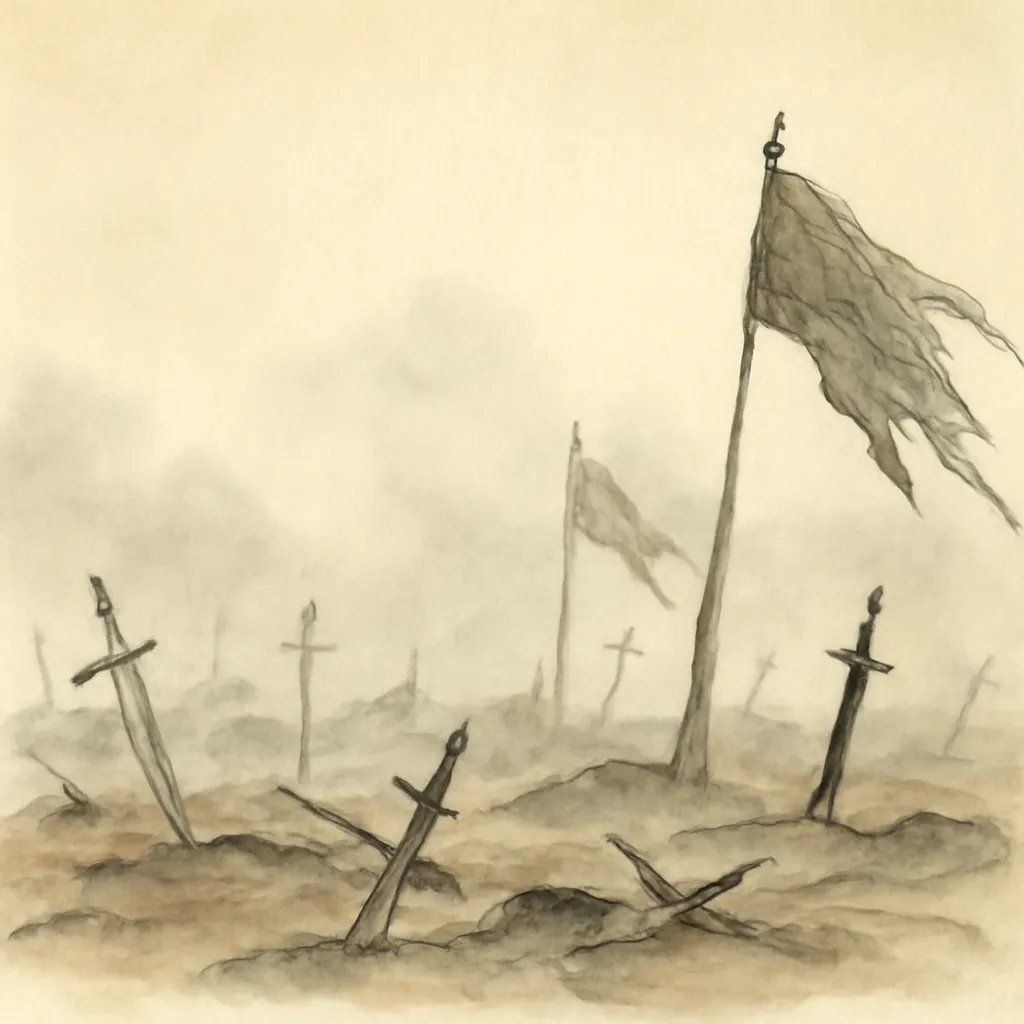
War and conflict serve as a backdrop to the personal tragedies in 'King Lear,' illustrating how political strife exacerbates individual suffering. The struggle for power between the forces of Goneril, Regan, and Albany mirrors the internal conflicts faced by Lear and Gloucester. The play highlights the devastating effects of war on both the landscape and the characters, as innocent lives are caught in the crossfire of ambition and betrayal. Lear's journey culminates in a battlefield, where personal and political conflicts collide, resulting in chaos and despair. Shakespeare uses the theme of war to emphasize the futility of power struggles and the profound impact of conflict on human lives. The consequences of war extend beyond physical destruction, leaving emotional scars that resonate with the characters long after the fighting has ceased.