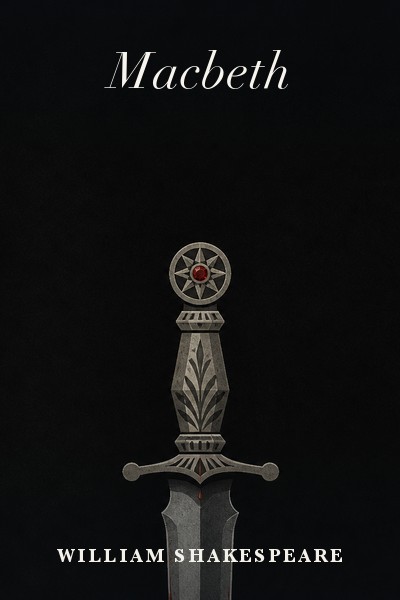

A witches’ prophecy drives a Scottish lord to murder and madness — a swift, blood-soaked study of ambition and guilt.
Read full overviewShow less›
In 'Macbeth', William Shakespeare delves into the dark recesses of ambition, power, and guilt through the tragic downfall of a once-noble warrior. The play intricately weaves themes of fate, free will, and the supernatural, illustrating how unchecked ambition can lead to ruin. Readers will encounter a gripping narrative that explores the psychological effects of guilt and the moral consequences of betrayal. Through the lens of Macbeth and Lady Macbeth, the play poses profound questions about the nature of evil and the lengths one will go to achieve power. This exploration remains relevant, offering insights into the human condition and the dangers of ambition that resonate across time and culture.
Shakespeare's 'Macbeth' remains a powerful exploration of ambition, morality, and the human psyche. Through the tragic arcs of Macbeth and Lady Macbeth, the play delves into the psychological consequences of guilt and the corrupting influence of power. The themes of fate, free will, and the duality of human nature resonate across time, prompting readers to reflect on their own ambitions and ethical boundaries. As the characters spiral into madness and tyranny, the play serves as a cautionary tale about the perils of unchecked ambition and the moral responsibility that accompanies power. Ultimately, 'Macbeth' compels us to examine the darker aspects of human nature and the consequences of our choices, reminding us that ambition, when untempered by ethics, can lead to irrevocable destruction.
- 1The Prophesy of the Witches
- 2Macbeth's Ambition and Inner Conflict
- 3Lady Macbeth: The Epitome of Ruthlessness
- 4The Consequences of Regicide
- 5The Role of Fate and Free Will
A glimpse inside

The play opens with the eerie presence of the three witches, who set the tone for the supernatural elements that permeate the narrative. Read moreThe play opens with the eerie presence of the three witches, who set the tone for the supernatural elements that permeate the narrative. Their cryptic prophecies ignite Macbeth's ambition, declaring him Thane of Cawdor and foretelling that he will become king. This moment raises critical questions about fate versus free will. Are the witches merely predicting the future, or are they manipulating events to fulfill their own agendas? Their chant, 'Fair is foul, and foul is fair,' encapsulates the theme of moral ambiguity, suggesting that appearances can be deceptive and that evil can masquerade as good. As the story unfolds, the witches' influence becomes a catalyst for Macbeth's tragic choices, illustrating how external forces can exploit personal desires. Show less
Macbeth's character is initially portrayed as a valiant warrior, celebrated for his bravery in battle. However, upon learning of the witches' prophecies, he becomes consu… Read moreMacbeth's character is initially portrayed as a valiant warrior, celebrated for his bravery in battle. However, upon learning of the witches' prophecies, he becomes consumed by ambition. This internal struggle is vividly depicted in his soliloquies, particularly when he contemplates the murder of King Duncan. Macbeth grapples with his moral reservations, weighing the consequences of his actions against his desire for power. He recognizes that ambition alone may not justify regicide, pondering, 'If it were done when 'tis done, then 'twere well it were done quickly.' This moment of hesitation underscores the tension between his ambition and his conscience, foreshadowing the psychological torment that will follow. The conflict within Macbeth illustrates the broader theme of the destructive nature of unchecked ambition and the moral dilemmas that accompany the pursuit of power. Show less
Read the full text — free
About the author
William Shakespeare has 7 works free to read on Lumina, including A Midsummer Night's Dream, Hamlet, King Lear.
All 7 books by William Shakespeare →Frequently asked
Worlds to get lost in
Take Lumina everywhere
Read offline, listen to AI summaries, speed-read, and sync your progress across devices — free on iPhone.
Download for iPhone