1.The Prophesy of the Witches
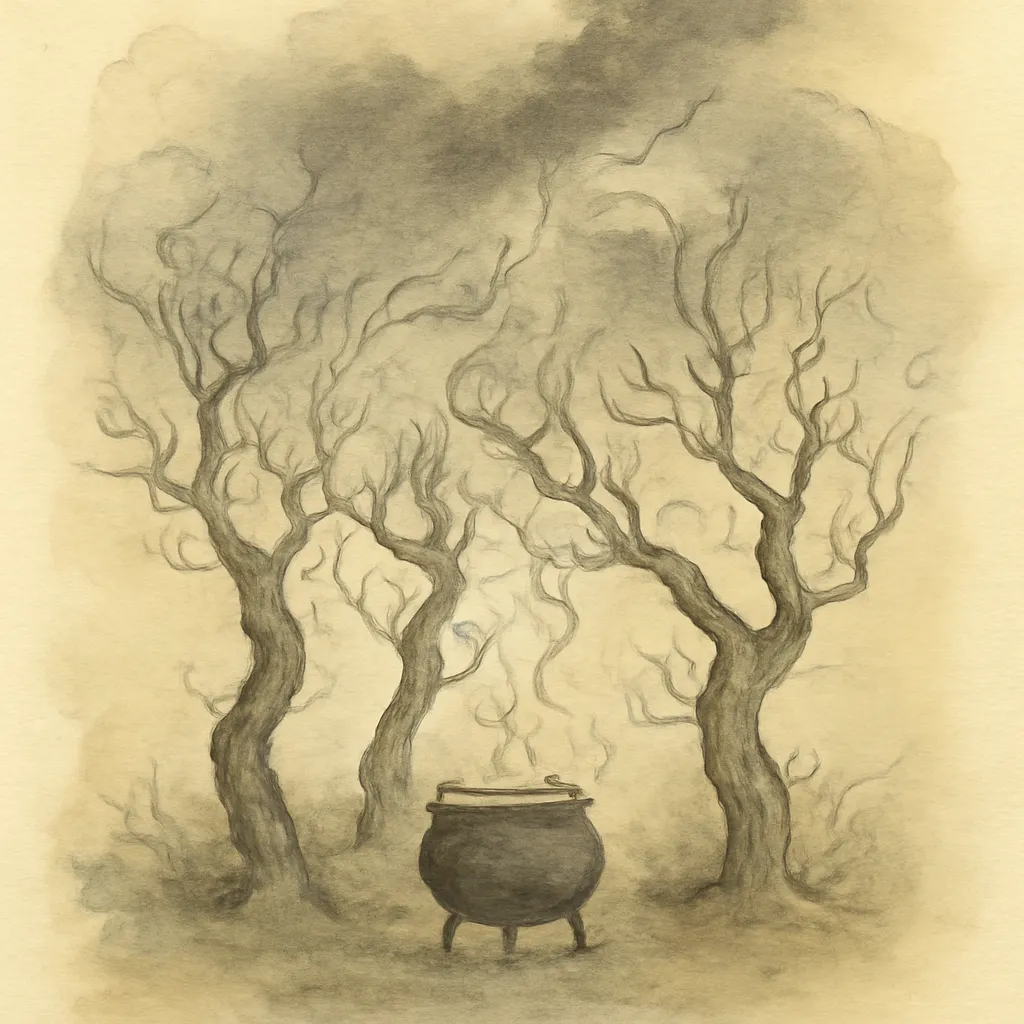
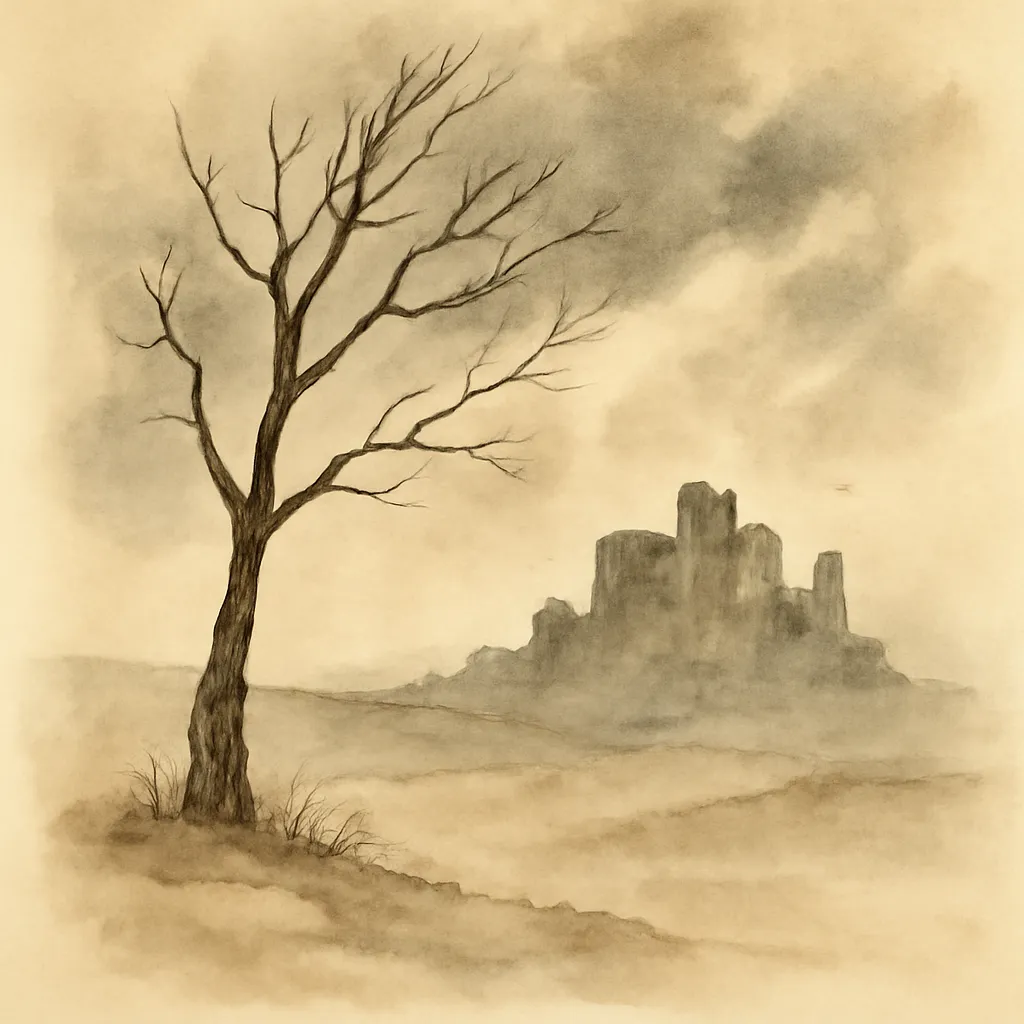
The play opens with the eerie presence of the three witches, who set the tone for the supernatural elements that permeate the narrative. Their cryptic prophecies ignite Macbeth's ambition, declaring him Thane of Cawdor and foretelling that he will become king. This moment raises critical questions about fate versus free will. Are the witches merely predicting the future, or are they manipulating events to fulfill their own agendas? Their chant, 'Fair is foul, and foul is fair,' encapsulates the theme of moral ambiguity, suggesting that appearances can be deceptive and that evil can masquerade as good. As the story unfolds, the witches' influence becomes a catalyst for Macbeth's tragic choices, illustrating how external forces can exploit personal desires.
2.Macbeth's Ambition and Inner Conflict
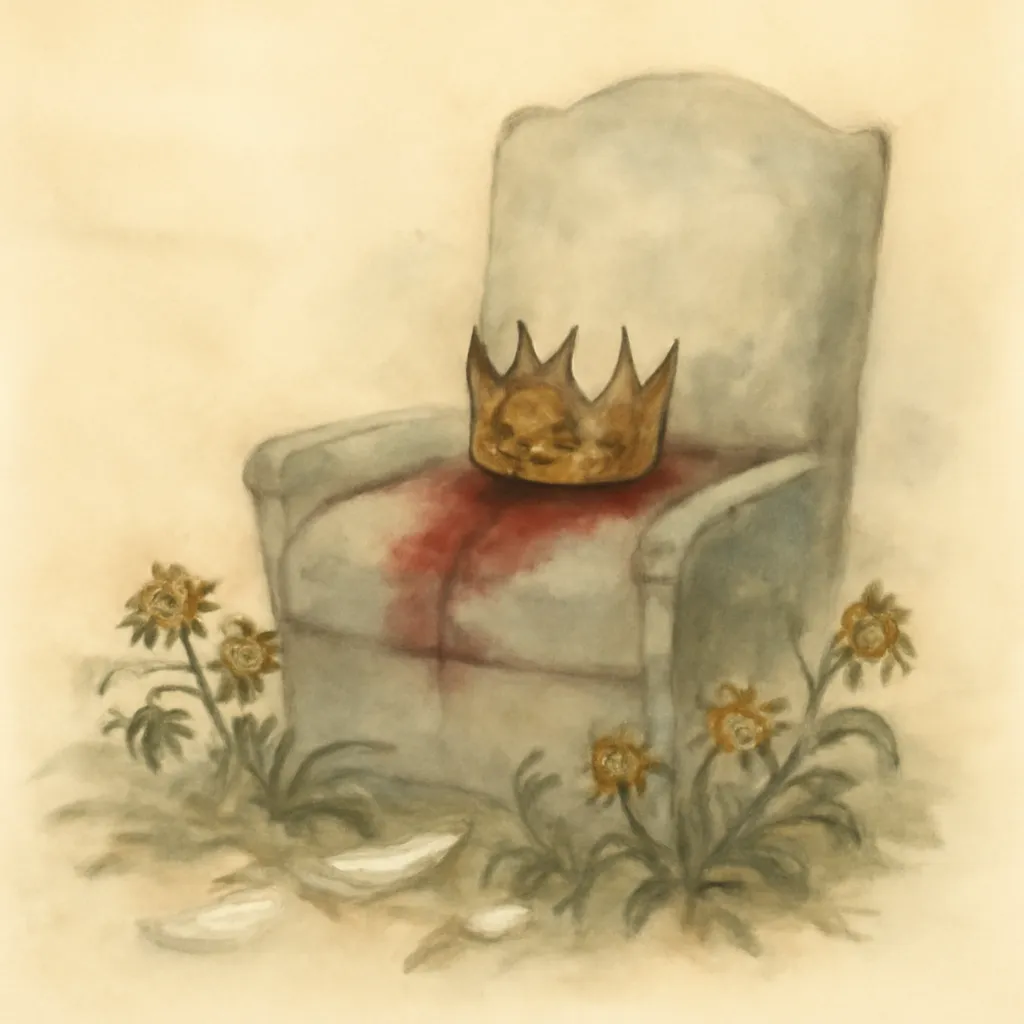
Macbeth's character is initially portrayed as a valiant warrior, celebrated for his bravery in battle. However, upon learning of the witches' prophecies, he becomes consumed by ambition. This internal struggle is vividly depicted in his soliloquies, particularly when he contemplates the murder of King Duncan. Macbeth grapples with his moral reservations, weighing the consequences of his actions against his desire for power. He recognizes that ambition alone may not justify regicide, pondering, 'If it were done when 'tis done, then 'twere well it were done quickly.' This moment of hesitation underscores the tension between his ambition and his conscience, foreshadowing the psychological torment that will follow. The conflict within Macbeth illustrates the broader theme of the destructive nature of unchecked ambition and the moral dilemmas that accompany the pursuit of power.
3.Lady Macbeth: The Epitome of Ruthlessness
Lady Macbeth emerges as a formidable force, challenging traditional gender roles and embodying ambition without remorse. Upon receiving Macbeth's letter about the witches' prophecies, she immediately begins plotting Duncan's murder, revealing her willingness to cast aside morality for power. Her famous invocation to the spirits, 'unsex me here,' reflects her desire to abandon feminine weakness and embrace cruelty. Lady Macbeth's influence over Macbeth is profound; she questions his manhood and resolves, 'What beast was't, then, that made you break this enterprise to me?' Her relentless ambition drives Macbeth to commit murder, showcasing how ambition can corrupt both genders. However, as the play progresses, Lady Macbeth's initial resolve crumbles under the weight of guilt, leading to her tragic demise. Her character arc highlights the duality of ambition, portraying both its seductive allure and its devastating consequences.
4.The Consequences of Regicide
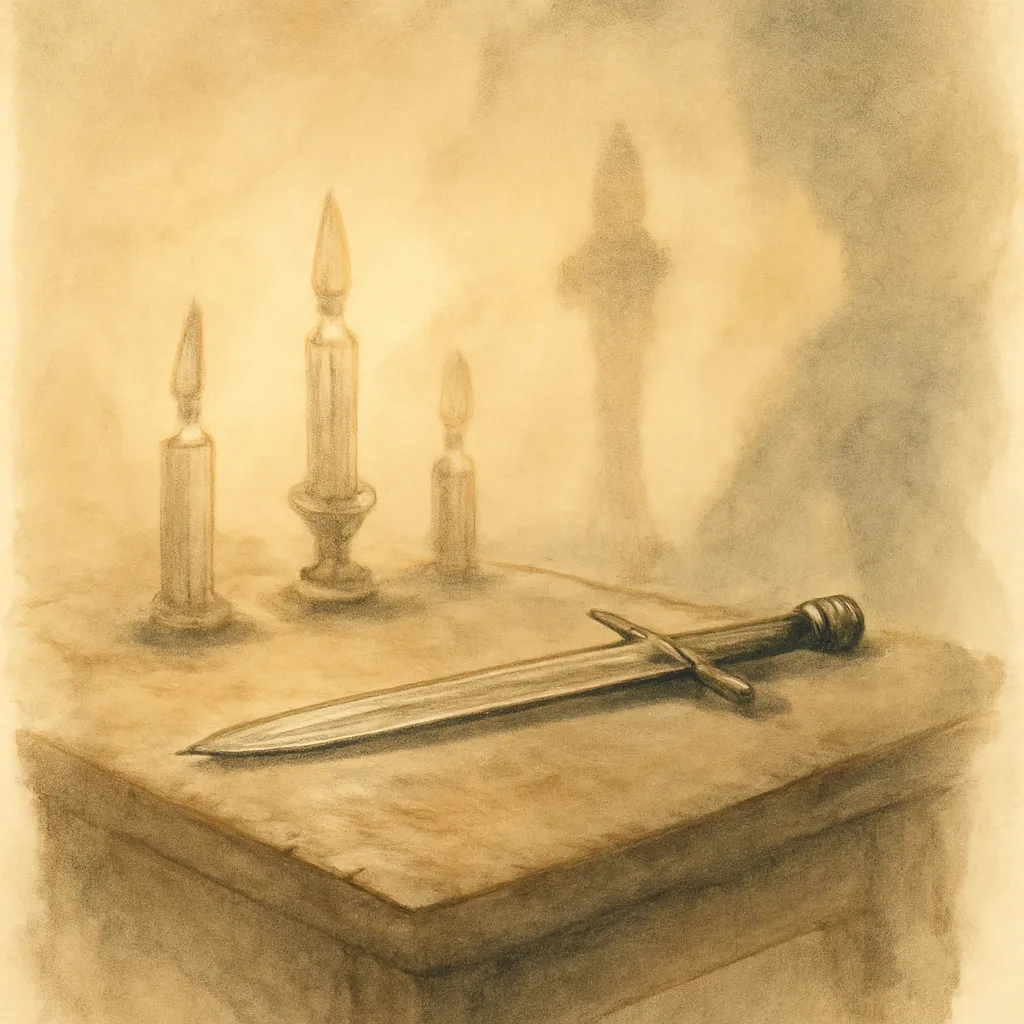
The act of murdering Duncan reverberates throughout the play, unleashing chaos and moral decay. Initially, Macbeth believes that seizing the throne will bring him power and peace; however, he soon discovers that murder breeds paranoia and insecurity. After the assassination, Macbeth is plagued by guilt, leading to hallucinations and a sense of disconnection from reality. His famous declaration, 'Methought I heard a voice cry, Sleep no more! Macbeth does murder sleep,' encapsulates the psychological torment that follows his heinous act. This highlights the theme of guilt as a corrosive force, demonstrating how the violation of moral order results in personal and societal disintegration. The subsequent violence and tyranny that ensue under Macbeth's rule further illustrate the destructive cycle initiated by his ambition. The play ultimately suggests that the consequences of unchecked ambition extend beyond the individual, affecting the entire realm.
5.The Role of Fate and Free Will
Shakespeare intricately weaves the themes of fate and free will throughout 'Macbeth'. The witches' prophecies serve as a catalyst for Macbeth's actions, yet they raise questions about the extent to which he is responsible for his downfall. Are the characters merely pawns of fate, or do they possess the agency to shape their destinies? Macbeth's initial reaction to the prophecies indicates a belief in predetermined fate, yet his subsequent choices reveal a struggle for control over his life. The tension between fate and free will is exemplified in the character of Banquo, who, despite being prophesied to father a line of kings, chooses not to act on ambition. This contrast serves to underscore the idea that while fate may set the stage, it is individual choices that ultimately determine one's path. The ambiguity surrounding fate and free will invites readers to reflect on their own lives and the forces that shape their decisions.
6.The Descent into Madness
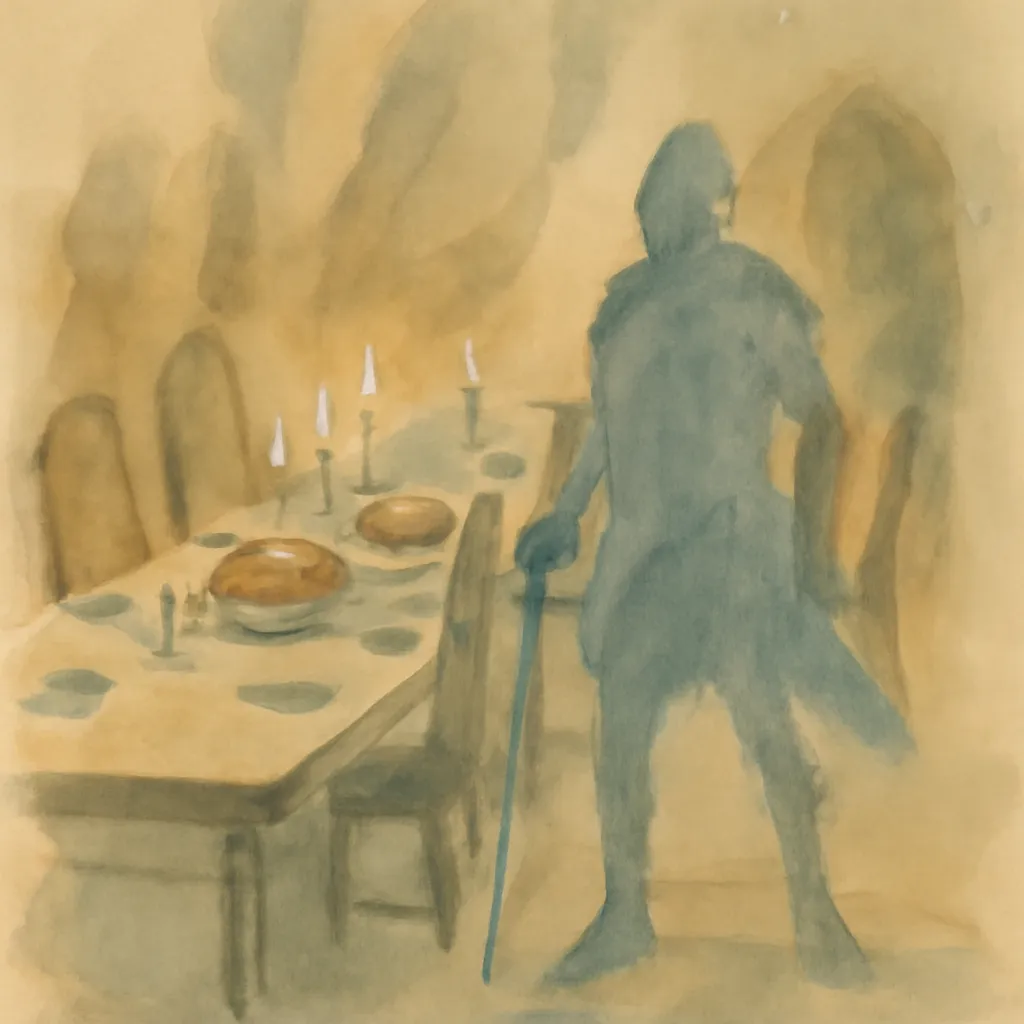
As Macbeth's tyranny escalates, so does his descent into madness. The initial thrill of power quickly gives way to paranoia, leading him to commit further atrocities to secure his position. His famous encounter with Banquo's ghost at the banquet symbolizes the psychological unraveling that accompanies guilt and fear. Macbeth's hallucinations reveal his fractured psyche, suggesting that the consequences of his actions are inescapable. Lady Macbeth, too, succumbs to madness, haunted by the blood on her hands. Her sleepwalking scene, where she obsessively attempts to wash away the imagined stains, illustrates the profound psychological impact of guilt. This descent into madness highlights the play's exploration of the human mind's fragility when burdened by moral transgressions. Shakespeare masterfully depicts how power, ambition, and guilt intertwine to lead to self-destruction.
7.The Role of Blood as a Motif
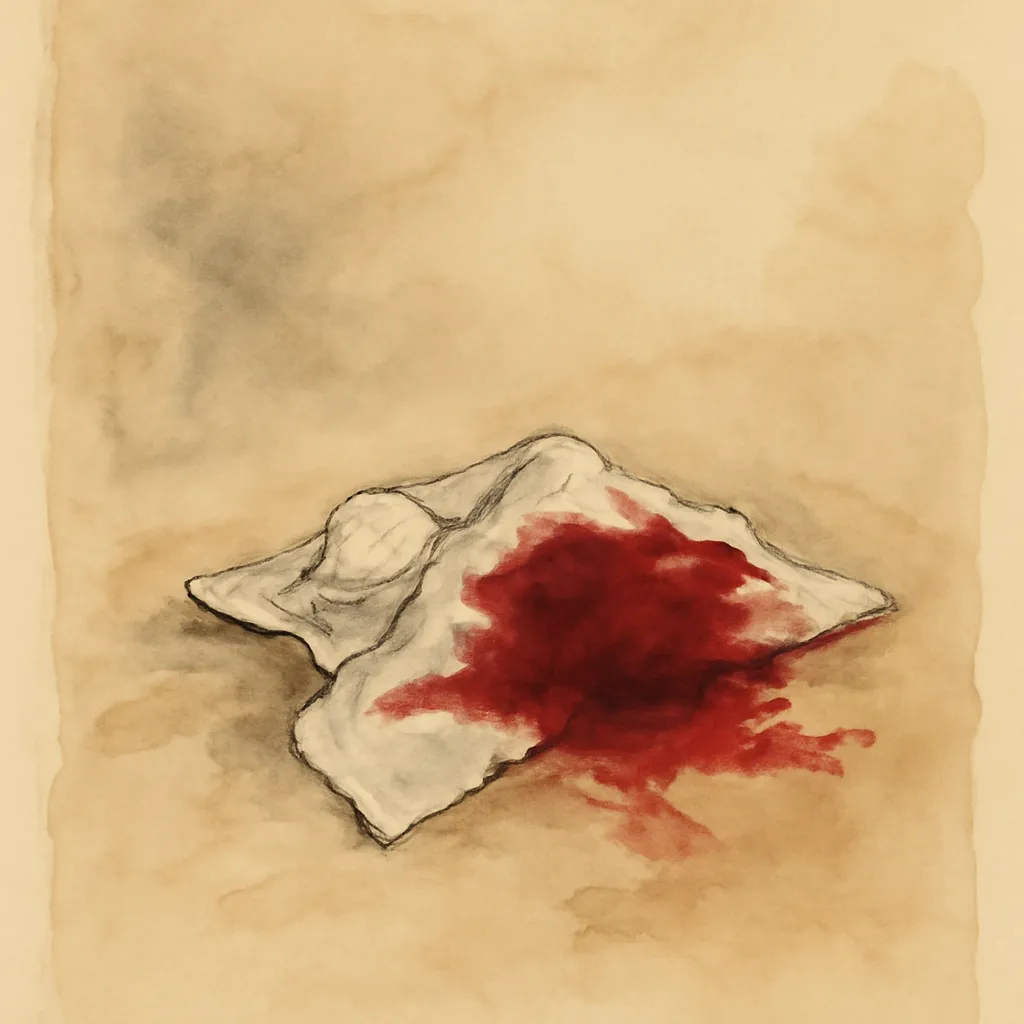
Blood serves as a potent symbol throughout 'Macbeth', representing guilt, violence, and the consequences of ambition. From the outset, blood is linked to the act of murder, with Macbeth himself reflecting on the 'bloody business' that haunts him. After killing Duncan, Macbeth expresses his horror at the blood on his hands, symbolizing the irreversible nature of his actions. Lady Macbeth's fixation on blood further emphasizes its significance; her desperate attempts to cleanse herself of guilt manifest in her haunting line, 'Out, damned spot!' The motif of blood encapsulates the theme of moral corruption and the inescapable nature of guilt, suggesting that once crossed, the line between ambition and evil can never be erased. The recurring imagery of blood serves to remind both characters and audiences of the heavy price of unchecked ambition and the violence that often accompanies the quest for power.
8.The Collapse of Order and the Rise of Tyranny
The play illustrates the collapse of societal order following Duncan's murder, reflecting the broader consequences of Macbeth's ambition. With the rightful king slain, Scotland descends into chaos, characterized by unnatural events and civil strife. Macbeth's tyrannical rule fosters an environment of fear, leading to widespread distrust and betrayal among his subjects. The imagery of darkness and disorder permeates the play, as seen in the ominous weather and the unsettling occurrences that follow Duncan's death. Characters like Macduff and Malcolm represent the forces of restoration and justice, as they seek to challenge Macbeth's tyranny. The theme of order versus chaos highlights the importance of rightful leadership and the devastating effects of ambition on both individuals and society. As Macbeth's reign crumbles, the play serves as a cautionary tale about the dangers of unchecked ambition and the moral responsibility of leaders.
9.The Tragic Ending and its Implications
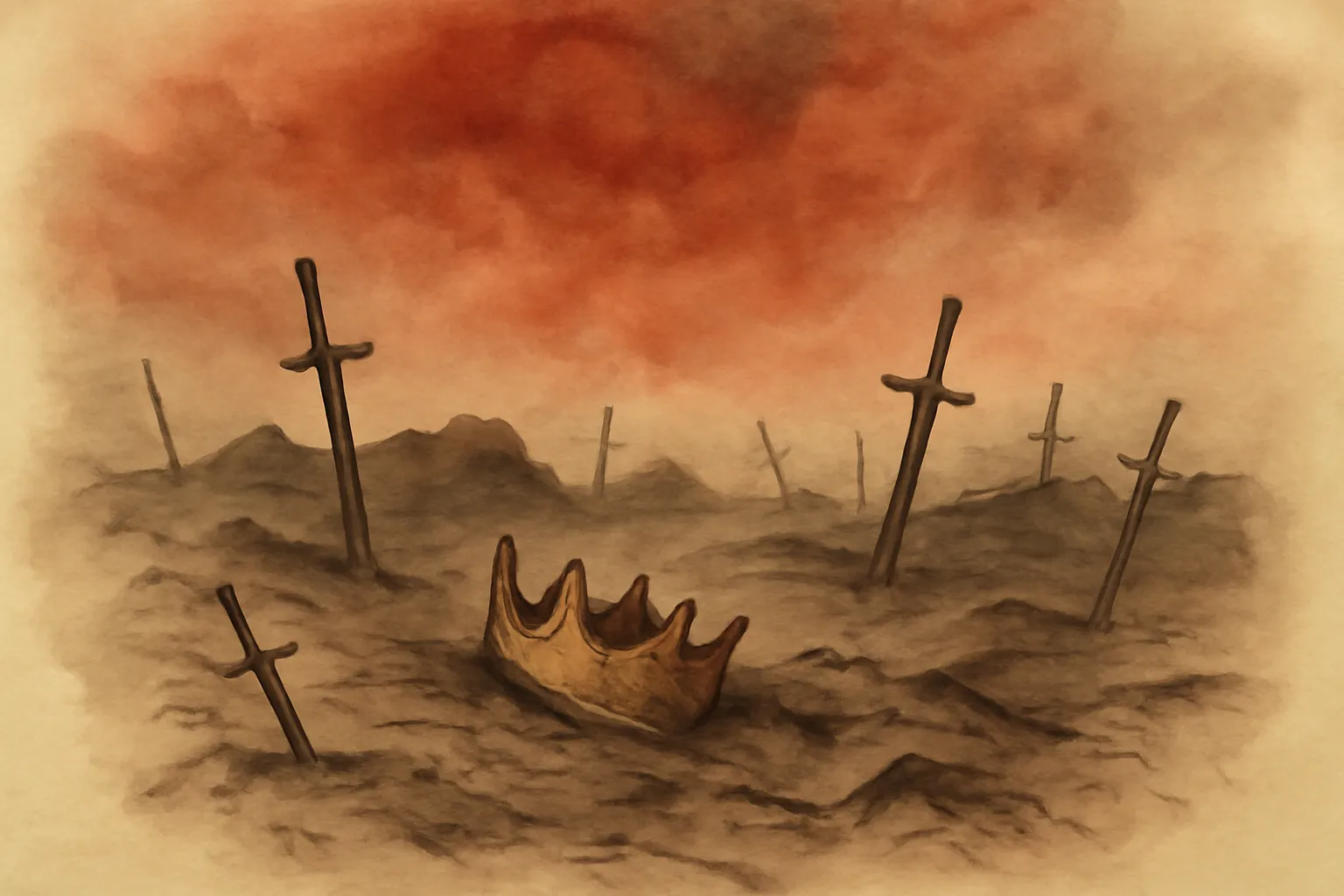
The conclusion of 'Macbeth' is marked by tragedy and the inevitable downfall of both Macbeth and Lady Macbeth. As their ambition leads to destruction, the play concludes with a sense of poetic justice, as Malcolm is restored to the throne, symbolizing the reestablishment of order. Macbeth's death at the hands of Macduff, who reveals that he was 'from his mother's womb untimely ripped,' fulfills the witches' prophecy, illustrating the inescapable nature of fate. The tragic ending underscores the moral implications of the characters' actions, suggesting that ambition without ethical consideration leads to ruin. The play leaves audiences with a haunting reflection on the consequences of ambition, the fragility of power, and the enduring struggle between good and evil. Ultimately, 'Macbeth' serves as a timeless exploration of the human condition, reminding us of the dangers that lie in the pursuit of unchecked ambition.