Fiction · Philosophy · Short Reads
Hamlet by William Shakespeare — Summary, Key Ideas & Full Text
105 pages20 chapters2h 6m read1h 29m speed read✦ 8-min Big ideas★ 4.0 (171)Free · no account
Rate it
Hamlet is a profound exploration of revenge, madness, and the complexity of human emotion set against the backdrop of political intrigue and moral corruption
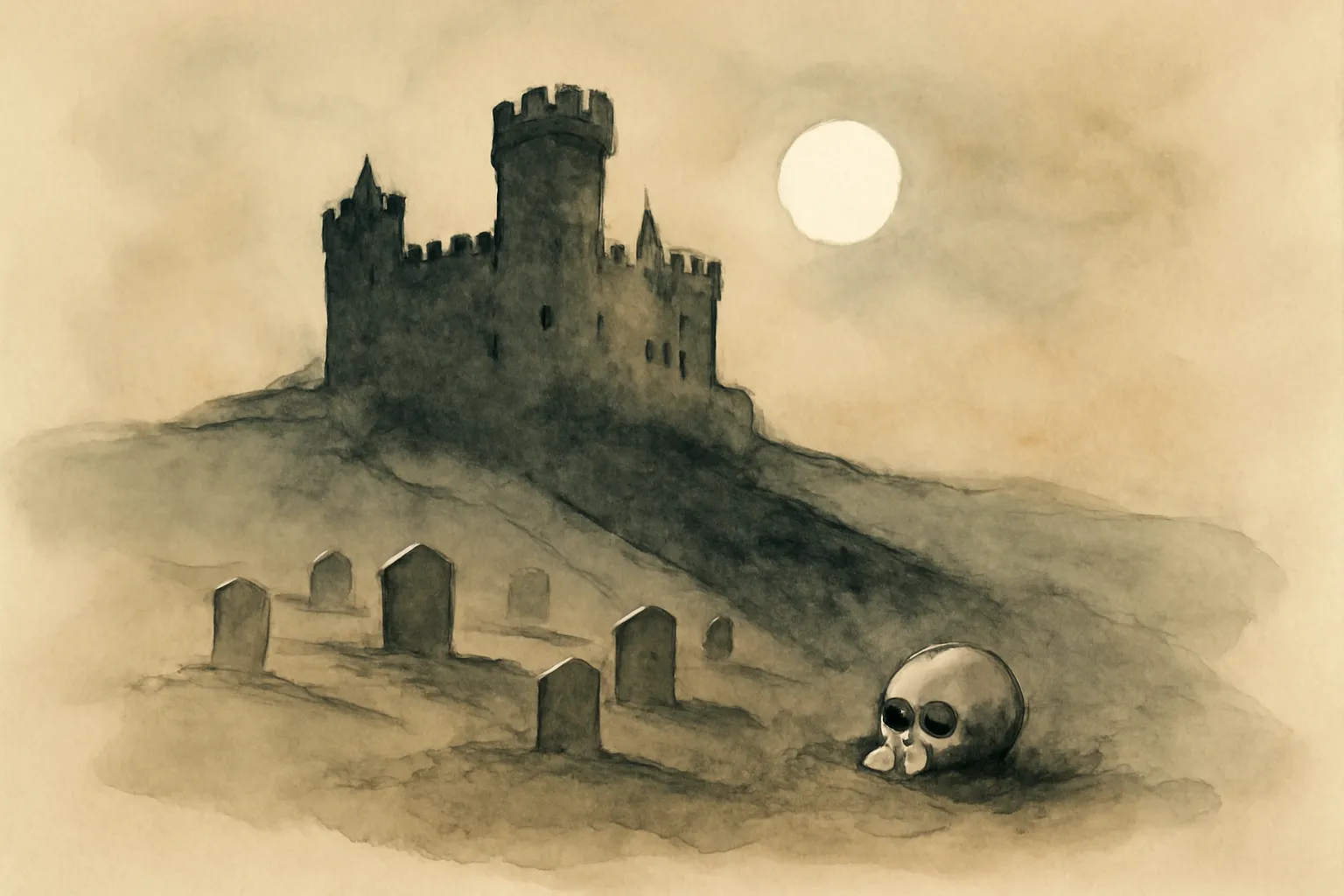
William Shakespeare's 'Hamlet' delves into the depths of human emotion and the moral dilemmas that arise in the wake of tragedy. The play unfolds in the royal court of Denmark, where the young prince Hamlet grapples with the ghostly revelation of his father's murder. As he seeks to avenge his father's death, Hamlet's journey spirals into madness, introspection, and existential questioning. This timeless tale captures the essence of human experience, including themes of betrayal, love, and the quest for truth, making it a cornerstone of English literature. Readers will encounter a rich tapestry of characters, each representing various facets of humanity, as they navigate the treacherous waters of ambition and morality.
Shakespeare's 'Hamlet' is a profound exploration of the human experience, capturing the essence of tragedy through its intricate characters and timeless themes. The play invites audiences to reflect on the moral complexities of revenge, the nature of madness, and the quest for truth in a world rife with corruption. Through Hamlet's journey, readers are encouraged to confront their own beliefs about existence, morality, and the consequences of action and inaction. The enduring relevance of 'Hamlet' speaks to its power as a literary masterpiece that continues to resonate across generations. Ultimately, the play serves as a reminder of the intricacies of human emotion and the profound struggles that define our existence.
William Shakespeare has 9 works free to read on Lumina, including A Midsummer Night's Dream, King Lear, Love's Labour's Lost
All 9 books by William Shakespeare →