1.The Ghost's Revelation: A Call to Action
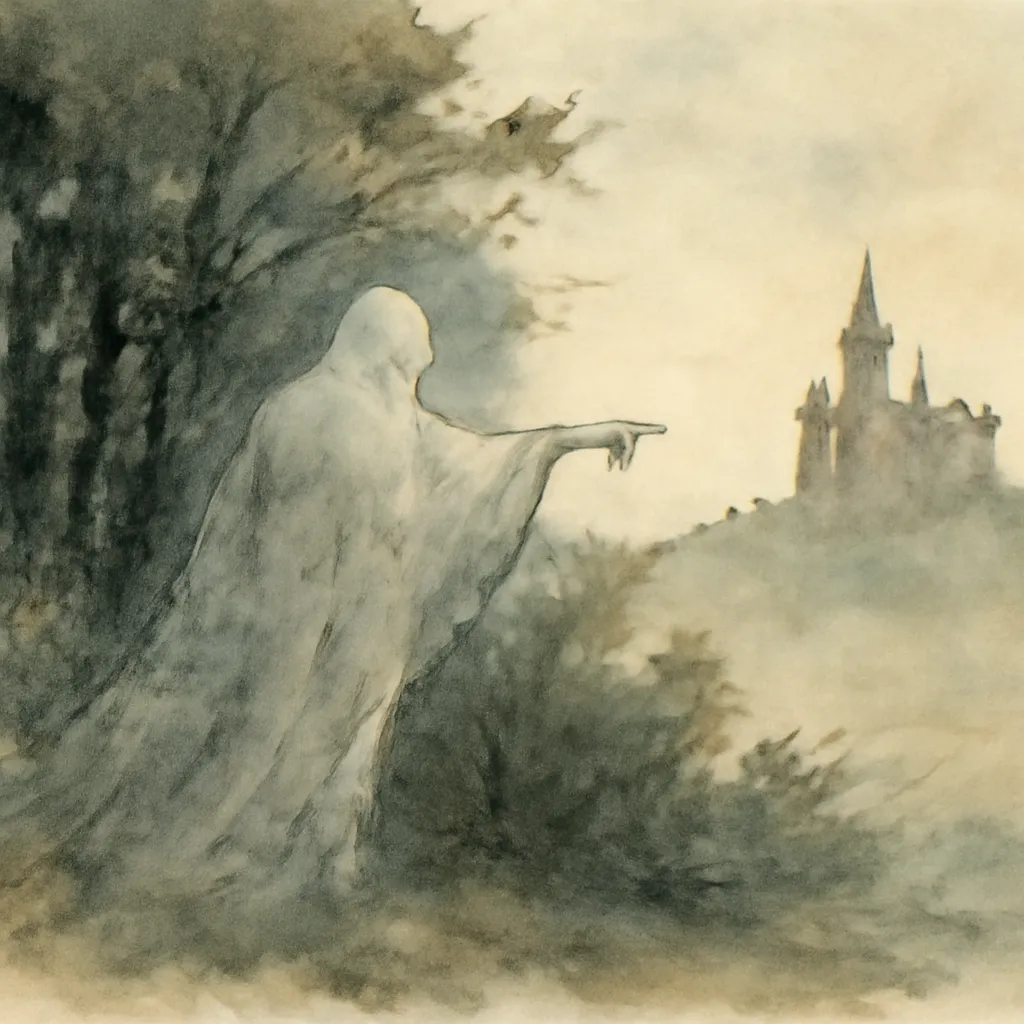
The play opens with a ghostly apparition that sets the stage for Hamlet's inner turmoil. The ghost of King Hamlet reveals his murder by Claudius, the new king and Hamlet's uncle. This shocking revelation ignites Hamlet's quest for revenge but also plunges him into a moral quandary. He is torn between the duty to avenge his father and the fear of the consequences of such actions. The ghost symbolizes not only the weight of the past but also the urgency of the present, compelling Hamlet into a world of uncertainty. This initial encounter establishes the theme of the supernatural and its influence on human affairs, driving the narrative forward as Hamlet grapples with his father's legacy.
2.Hamlet's Madness: Real or Feigned?
One of the central themes in 'Hamlet' is the nature of madness. Hamlet adopts an 'antic disposition' to mask his true intentions and confuse those around him. However, the lines between feigned madness and genuine despair blur as the play progresses. Hamlet's soliloquies reveal his profound existential angst and questions about life, death, and the morality of revenge. His erratic behavior raises doubts among characters like Polonius and Gertrude, who struggle to understand his motivations. This theme invites reflection on the nature of sanity and the societal pressures that can drive individuals to madness. Hamlet's struggle also highlights the human condition's fragility, where the facade of sanity can quickly crumble under emotional duress.
3.The Role of Women: Ophelia and Gertrude
The play presents two significant female characters, Ophelia and Gertrude, who embody different aspects of womanhood in a patriarchal society. Ophelia's descent into madness following her father's death and Hamlet's rejection underscores the limited agency afforded to women. Her tragic fate raises questions about the expectations placed on women and their vulnerability in a male-dominated world. Conversely, Gertrude's complex relationship with Hamlet reveals her as a multifaceted character who navigates her own loyalties and desires. The contrast between Ophelia's innocence and Gertrude's pragmatic survival illustrates the varying responses women have to the oppressive forces around them. Through their stories, Shakespeare critiques societal norms and explores the consequences of male power dynamics on women's lives.
4.The Nature of Revenge: A Double-Edged Sword
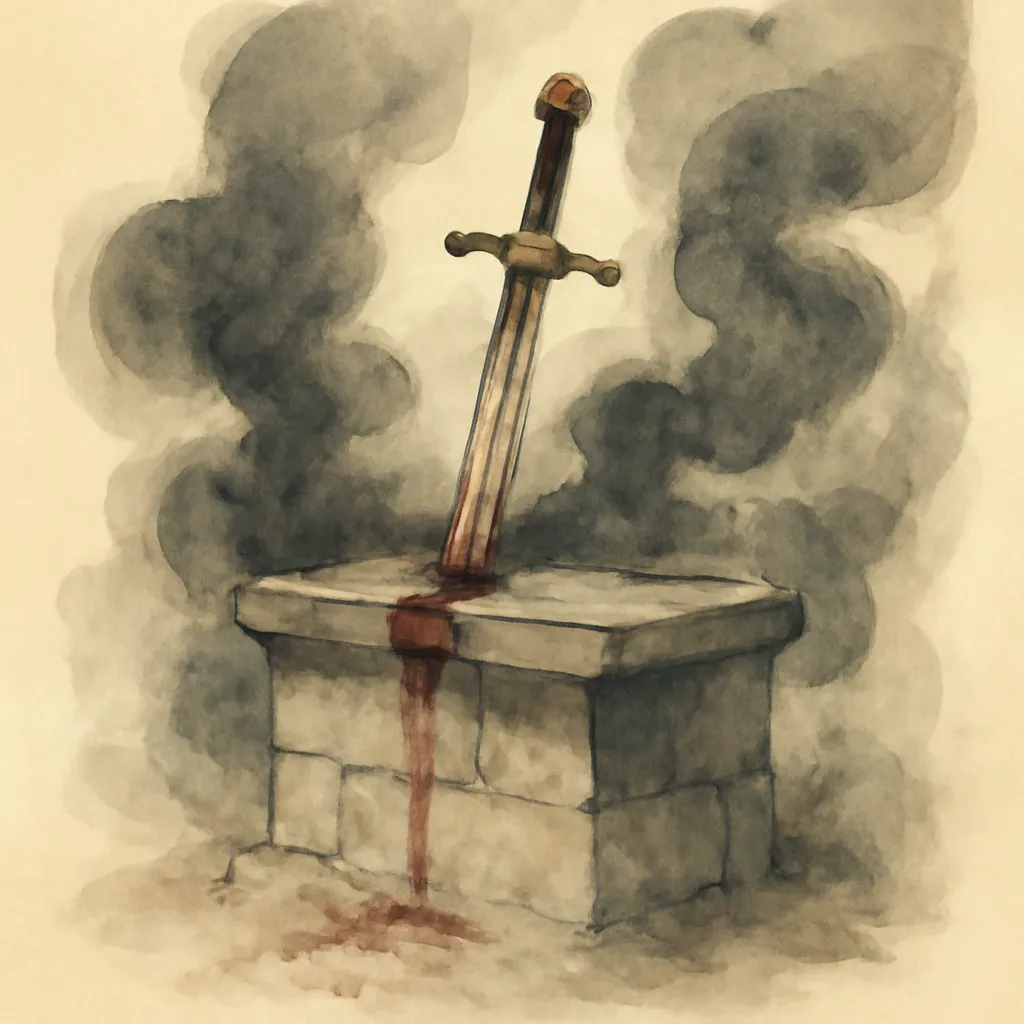
Revenge serves as the driving force of the narrative, yet it is portrayed as a double-edged sword that leads to destruction. Hamlet's desire for vengeance against Claudius consumes him, resulting in collateral damage, including the deaths of innocent characters like Ophelia and Polonius. The play interrogates the morality of revenge, questioning whether it can ever be justified and what toll it takes on the avenger. Hamlet's internal struggle reflects the broader philosophical inquiry into justice and retribution, illustrating that revenge often perpetuates a cycle of violence. This theme resonates with audiences, prompting reflection on the consequences of vengeance in their own lives and societies. Ultimately, Shakespeare suggests that the pursuit of revenge is fraught with peril and may lead to one's downfall.
5.The Corruption of Power: Claudius as the Antagonist
Claudius embodies the corrupting influence of power and ambition. His ascent to the throne through fratricide sets the stage for the moral decay that permeates the court of Denmark. Claudius's manipulative nature is evident in his attempts to control Hamlet and maintain his grip on the throne. The political intrigue and betrayal within the royal family serve as a microcosm of the broader themes of corruption and morality. Claudius's soliloquies reveal his internal conflict and guilt, adding complexity to his character. Shakespeare presents him not merely as a villain but as a reflection of the darker aspects of human ambition. This exploration of power's corruptive nature invites audiences to consider the ethical dilemmas faced by those in positions of authority and the consequences of unchecked ambition.
6.Existentialism and the Human Condition
Hamlet's soliloquies delve deep into existential themes, exploring the nature of existence, death, and the quest for meaning. The famous 'To be or not to be' soliloquy encapsulates Hamlet's internal struggle with the futility of life and the fear of the unknown after death. Through his contemplations, Shakespeare examines the human condition's complexities, reflecting on mortality and the choices that define our lives. Hamlet's philosophical musings resonate with audiences, prompting them to confront their own beliefs about existence. This existential lens transforms the play into a meditation on life, encouraging reflection on the choices individuals make in the face of uncertainty. The timeless nature of these themes ensures that 'Hamlet' remains relevant across generations.
7.The Power of Theater: Meta-Theatrical Elements
Shakespeare employs meta-theatricality in 'Hamlet' to blur the lines between reality and performance. The play-within-a-play, 'The Mousetrap,' serves as a vehicle for Hamlet to gauge Claudius's guilt and manipulate the court's perception. This device highlights the nature of acting and the power of theater to reveal truths hidden beneath the surface. Hamlet's insistence on authenticity in performance reflects his desire for truth in his own life. The interplay of reality and illusion invites audiences to question the nature of perception and the role of art in revealing deeper truths. Shakespeare's exploration of theater's power adds layers of complexity to the narrative, making 'Hamlet' not just a story of revenge but also a commentary on the nature of storytelling itself.
8.The Tragic Flaw: Hamlet's Inaction
Hamlet's indecision is often cited as his tragic flaw, leading to catastrophic consequences. Despite his noble intentions, Hamlet's hesitance to act against Claudius results in missed opportunities and the spiraling of events into chaos. This inaction is rooted in his deep philosophical contemplations and moral dilemmas, making him a relatable and tragic figure. The consequences of his delay manifest in the deaths of Ophelia, Polonius, and ultimately, himself. Shakespeare crafts Hamlet as a character who embodies the complexities of human emotion, illustrating how hesitation can lead to downfall. This theme resonates with audiences, serving as a cautionary tale about the perils of overthinking and the importance of decisive action in the face of adversity.
9.The Role of Fate: The Inevitable Tragedy
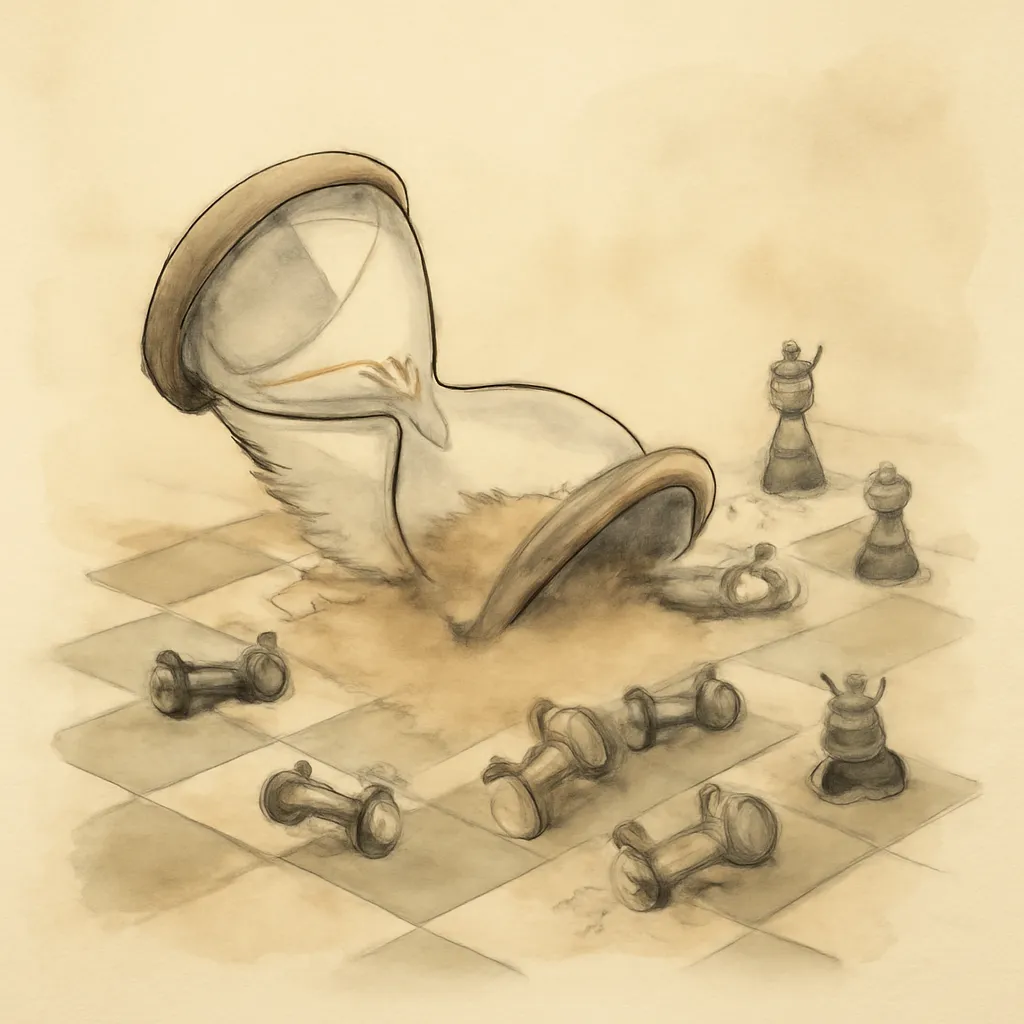
Fate plays a significant role in 'Hamlet,' as characters grapple with their destinies amidst the chaos surrounding them. The concept of fate versus free will raises questions about the extent to which individuals can control their lives. Hamlet's quest for revenge is ultimately thwarted by a series of unfortunate events, suggesting that a larger force is at play. The play's conclusion, marked by the tragic deaths of nearly all main characters, reinforces the idea of inevitability. Shakespeare weaves fate into the narrative, prompting audiences to consider the balance between personal agency and the forces that shape their lives. This exploration of fate adds a layer of depth to the tragedy, highlighting the unpredictability of existence.
10.The Legacy of 'Hamlet': Timeless Themes and Relevance
Despite being written over four centuries ago, 'Hamlet' continues to resonate with contemporary audiences due to its exploration of universal themes. The complexities of revenge, madness, love, and the human condition are as relevant today as they were in Shakespeare's time. The play's rich characterizations and intricate plot invite diverse interpretations, ensuring its place in literary canon. Moreover, its influence extends beyond literature into various art forms, including film and theater, where adaptations continue to explore Hamlet's timeless dilemmas. The enduring legacy of 'Hamlet' speaks to the power of storytelling to reflect the human experience, making it a crucial text for understanding the intricacies of life and morality.