

In a world where love and intellect clash, 'Love's Labour's Lost' explores the folly of men who vow to forsake women for scholarly pursuits, only to find themselves ensnared by their own hearts
Read full overviewShow less›
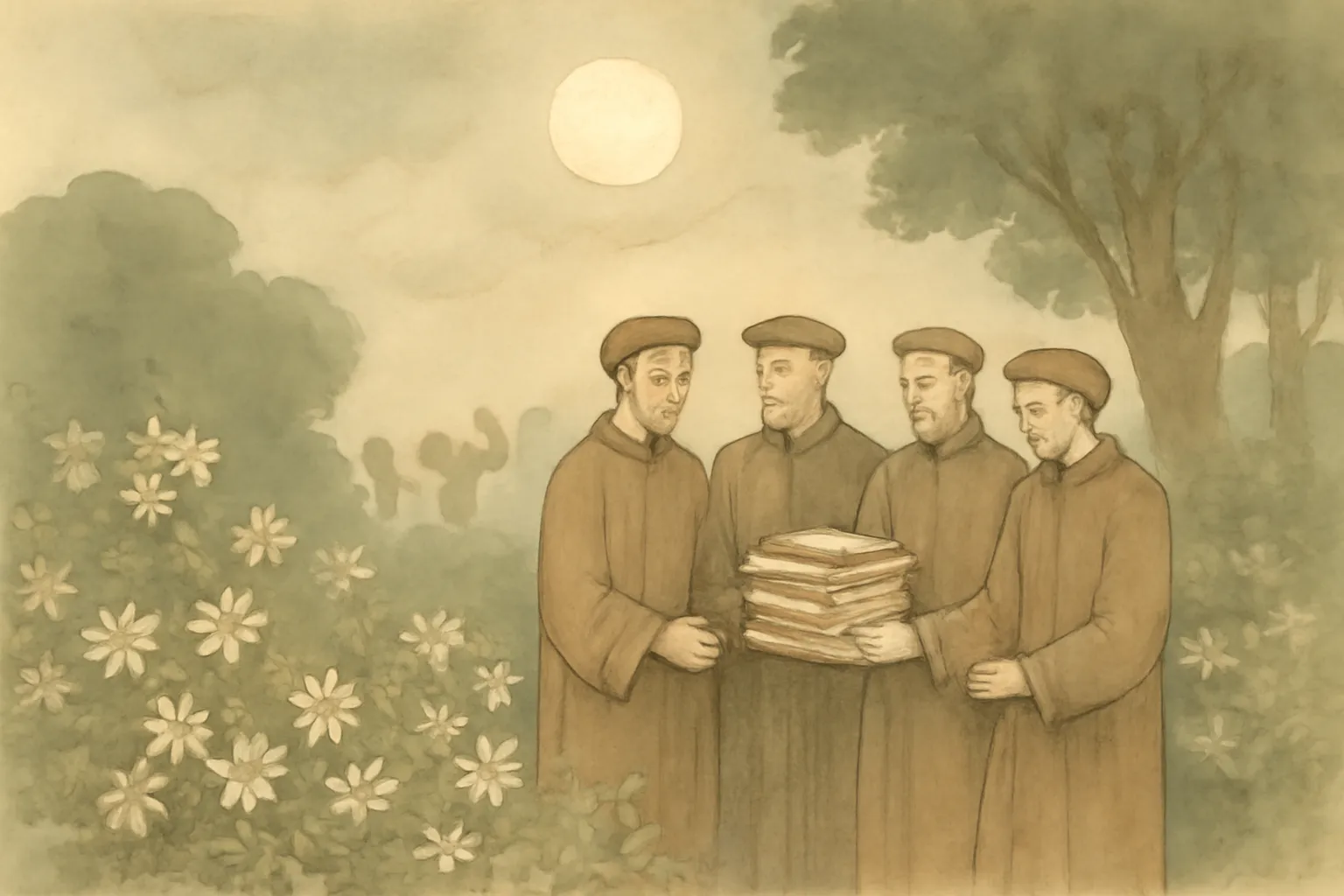
William Shakespeare's 'Love's Labour's Lost' is a rich tapestry of wit, romance, and the complexities of human desire. Set against the backdrop of the King of Navarre's court, the play delves into the lives of four noblemen who take an oath to abandon the pleasures of the world, particularly the company of women, in favor of intellectual pursuits. However, when the Princess of France and her ladies arrive, the men find their vows tested in humorous and poignant ways. This exploration of love's power over reason reveals the often absurd lengths to which people go in the name of love and the contradictions inherent in human nature. Through clever dialogue and intricate wordplay, Shakespeare invites readers to ponder the true meaning of love and the value of intellect in the face of passion.
In 'Love's Labour's Lost', Shakespeare masterfully intertwines themes of love, intellect, and the folly of human ambition. The play serves as a humorous yet poignant exploration of the contradictions inherent in the pursuit of knowledge and the inevitability of love's influence. Through witty dialogue and rich character interactions, Shakespeare invites the audience to reflect on the nature of desire and the importance of emotional connections. Ultimately, the play suggests that while the pursuit of intellectual excellence is commendable, it is love that enriches the human experience and imparts true meaning to life. As the characters navigate their romantic entanglements, they learn that love, with all its complexities, is an essential part of the human condition.
Ratings at a glance
- 1The Oath of Celibacy
- 2The Arrival of the Princess
- 3Wit and Wordplay
- 4The Nature of Love
- 5Gender Dynamics
Notable quotes
“Let fame, that all hunt after in their lives, Live registered upon our brazen tombs.”
“The mind shall banquet, though the body pine.”
“O, these are barren tasks, too hard to keep, Not to see ladies, study, fast, not sleep.”
A glimpse inside

At the heart of 'Love's Labour's Lost' is the bold declaration made by King Ferdinand of Navarre and his companions: to devote themselves to study and forsake the company… Read moreAt the heart of 'Love's Labour's Lost' is the bold declaration made by King Ferdinand of Navarre and his companions: to devote themselves to study and forsake the company of women for three years. This self-imposed celibacy is framed as a noble pursuit, where the men seek to elevate their intellects and avoid the distractions of romance. The King envisions their court as a 'little academe,' a sanctuary of scholarly endeavors. However, this vow is steeped in irony, as it highlights the inherent conflict between the pursuit of knowledge and the natural human inclination towards love and desire. The men’s resolve is soon undermined by their attraction to the visiting Princess and her ladies, demonstrating how love can disrupt even the most earnest intentions. The oath reveals their naivety; they believe that they can isolate themselves from the complexities of love, showcasing a typical human folly of underestimating emotion's power. Show less
The entrance of the Princess of France and her entourage serves as a catalyst for the unfolding romantic entanglements. The men, who have sworn off women, find themselves… Read moreThe entrance of the Princess of France and her entourage serves as a catalyst for the unfolding romantic entanglements. The men, who have sworn off women, find themselves captivated by the very figures they sought to avoid. The Princess embodies a challenge to their vows, as she is both alluring and intelligent, capable of sparking their interest in ways they did not anticipate. Boyet, the Princess's attendant, underscores the significance of her visit, reminding the audience of the stakes involved. The Princess’s assertiveness in seeking an audience with the King emphasizes her role as an equal participant in matters of love. This direct confrontation with their desires forces the men to confront the absurdity of their vows, revealing that love can flourish even in the most constrained circumstances. The arrival of the women reframes the court’s activities, shifting the focus from dry scholarly pursuits to emotional and romantic engagements, highlighting the play's central theme of love's inescapable allure. Show less
Read the full text — free
About the author
William Shakespeare has 9 works free to read on Lumina, including A Midsummer Night's Dream, Hamlet, King Lear
All 9 books by William Shakespeare →