1.The Oath of Celibacy
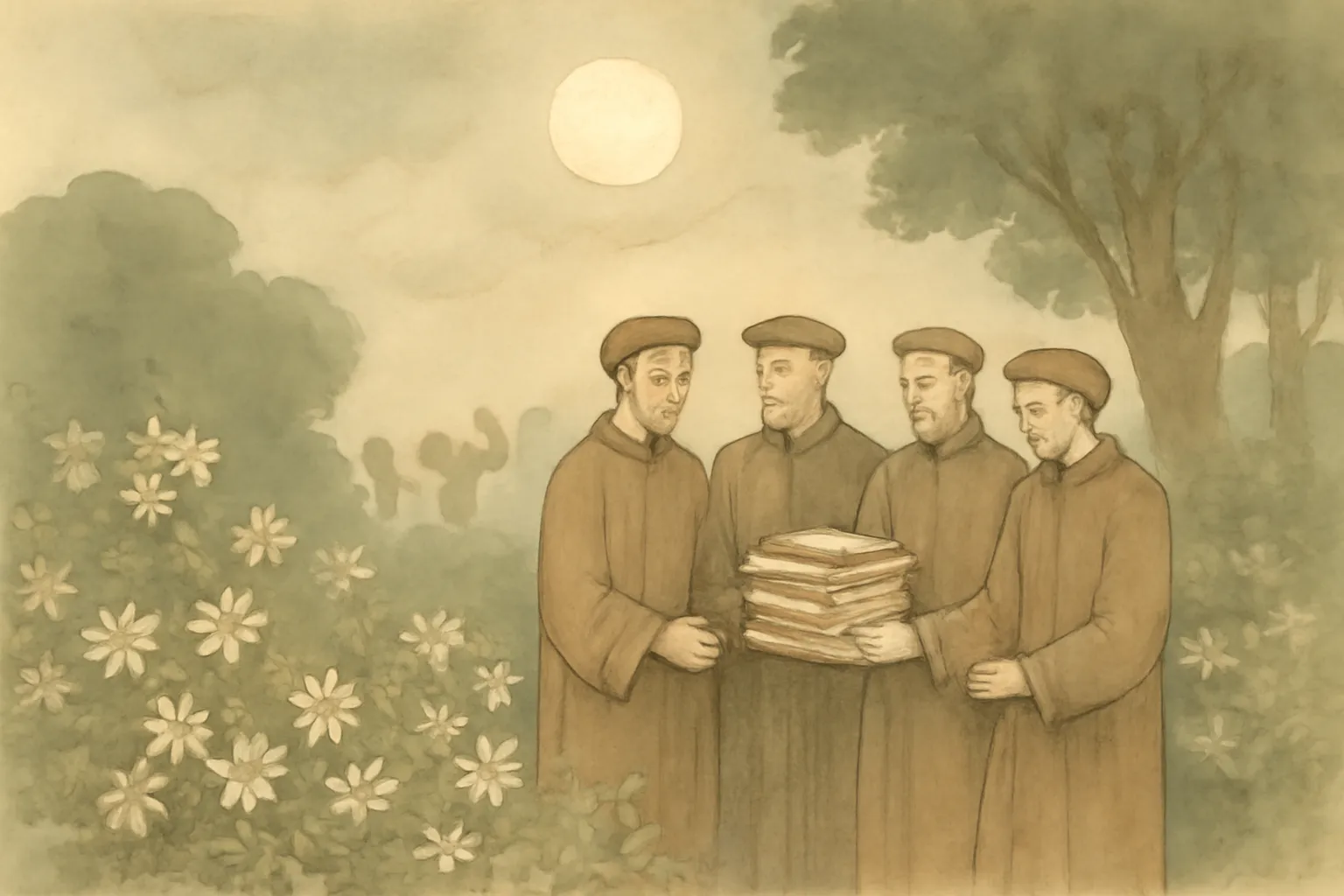
At the heart of 'Love's Labour's Lost' is the bold declaration made by King Ferdinand of Navarre and his companions: to devote themselves to study and forsake the company of women for three years. This self-imposed celibacy is framed as a noble pursuit, where the men seek to elevate their intellects and avoid the distractions of romance. The King envisions their court as a 'little academe,' a sanctuary of scholarly endeavors. However, this vow is steeped in irony, as it highlights the inherent conflict between the pursuit of knowledge and the natural human inclination towards love and desire. The men’s resolve is soon undermined by their attraction to the visiting Princess and her ladies, demonstrating how love can disrupt even the most earnest intentions. The oath reveals their naivety; they believe that they can isolate themselves from the complexities of love, showcasing a typical human folly of underestimating emotion's power.
2.The Arrival of the Princess
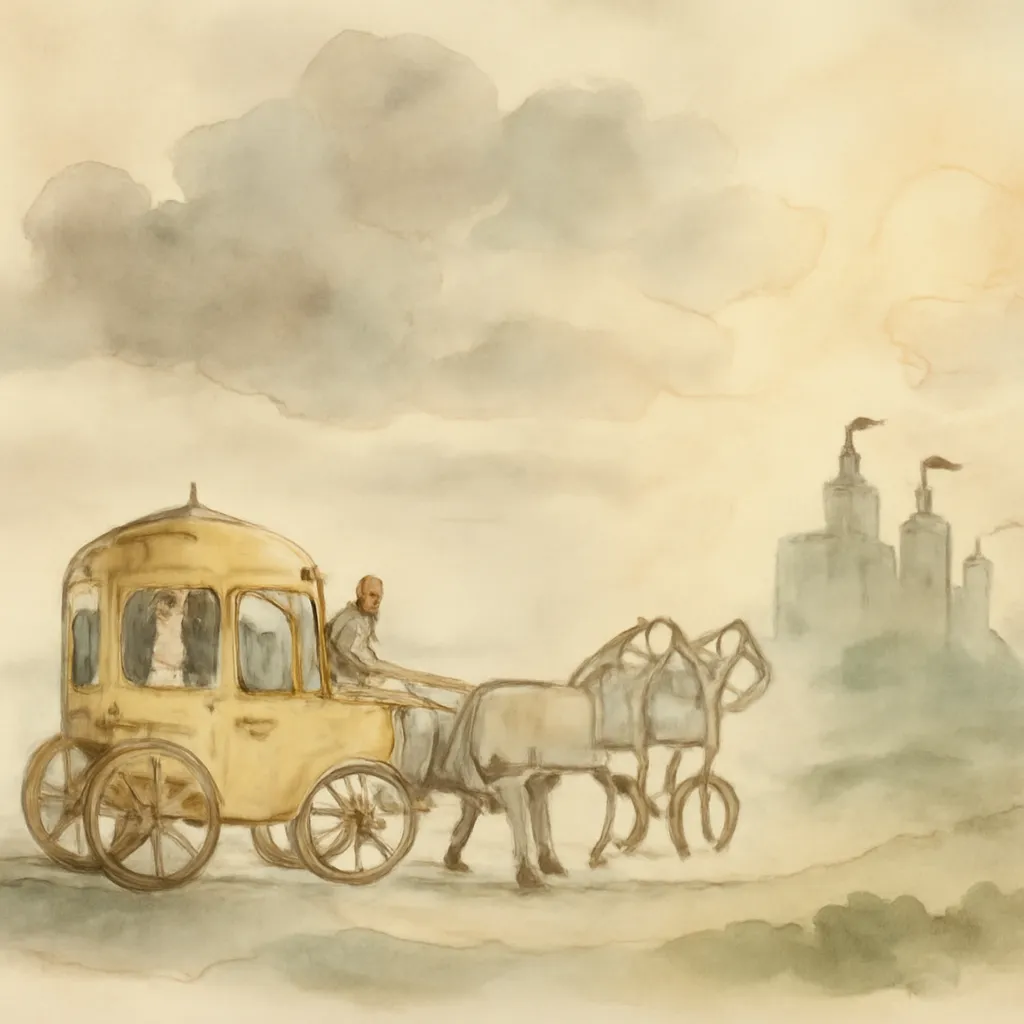
The entrance of the Princess of France and her entourage serves as a catalyst for the unfolding romantic entanglements. The men, who have sworn off women, find themselves captivated by the very figures they sought to avoid. The Princess embodies a challenge to their vows, as she is both alluring and intelligent, capable of sparking their interest in ways they did not anticipate. Boyet, the Princess's attendant, underscores the significance of her visit, reminding the audience of the stakes involved. The Princess’s assertiveness in seeking an audience with the King emphasizes her role as an equal participant in matters of love. This direct confrontation with their desires forces the men to confront the absurdity of their vows, revealing that love can flourish even in the most constrained circumstances. The arrival of the women reframes the court’s activities, shifting the focus from dry scholarly pursuits to emotional and romantic engagements, highlighting the play's central theme of love's inescapable allure.
3.Wit and Wordplay

Shakespeare's use of language in 'Love's Labour's Lost' is a testament to the power of wit and wordplay. Characters engage in clever banter and puns that not only entertain but also reveal deeper truths about their personalities and intentions. For instance, the exchanges between Berowne and his companions are filled with sharp observations and humorous critiques of their own foolishness in attempting to deny love. Berowne, in particular, serves as the voice of reason and skepticism, often mocking the rigid constraints they impose on themselves. The character of Armado, with his grandiose language and self-importance, highlights the absurdity of excessive pretension, adding a layer of comedic absurdity. This linguistic playfulness enriches the narrative, inviting the audience to reflect on the folly of pretentiousness and the beauty of authentic expression. The play encourages readers to consider how language can both reveal and conceal true intentions, with the clever use of words often marking the distinction between sincerity and artifice.
4.The Nature of Love

Throughout the play, love is presented as a complex and multifaceted force. The noblemen's initial disdain for love is quickly challenged by their feelings for the Princess and her ladies. Berowne's internal struggle illustrates this complexity; he oscillates between rejecting love and succumbing to its charms. His soliloquies reveal a deep awareness of love's transformative power, noting that it has taught him to rhyme and feel deeply. This duality of love—as both a source of inspiration and a cause of turmoil—reflects Shakespeare's understanding of love's pervasive influence in human life. The characters grapple with their feelings, often expressing their emotions through poetry, which serves as a means to articulate their inner conflicts. Love in this play is depicted not merely as a romantic ideal, but as a chaotic force that defies logic and reason. As the men navigate their attraction to the women, it becomes clear that love cannot be easily dismissed or controlled, presenting a nuanced view of desire that transcends mere romantic notions.
5.Gender Dynamics
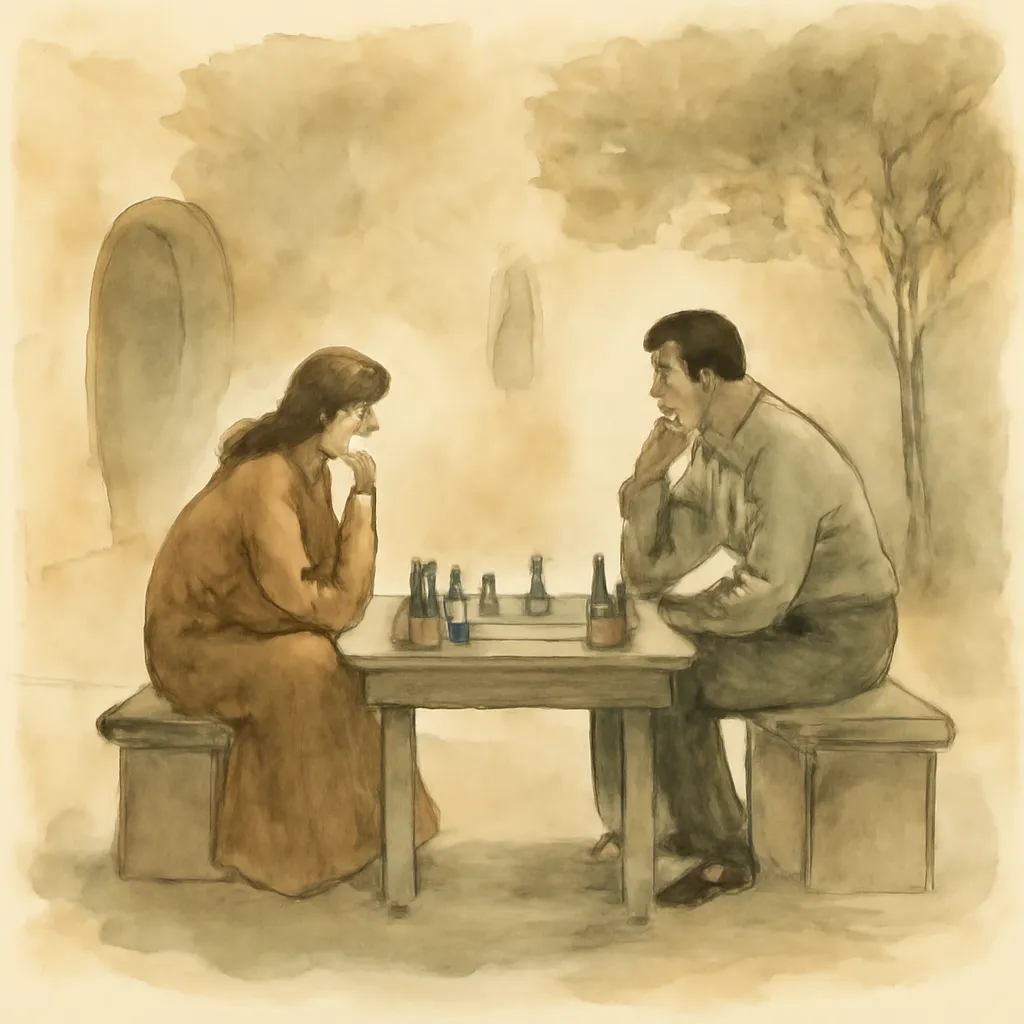
The interactions between the male and female characters in 'Love's Labour's Lost' highlight the complexities of gender dynamics in relationships. The Princess and her ladies exhibit intelligence, wit, and agency, challenging the men’s assumptions about women and love. As the men attempt to assert their control over their emotions and the situation, the women counter with their own perspectives and desires. The Princess's assertiveness, coupled with her sharp wit, positions her as an equal figure in the pursuit of love. This dynamic is particularly evident as the women engage in playful banter, revealing their keen awareness of the men's vulnerabilities. Shakespeare effectively subverts traditional gender roles, illustrating that women are not mere objects of desire but active participants in the dance of courtship. The play thus becomes a commentary on the evolving roles of men and women in matters of love, suggesting that true equality in romantic pursuits is marked by mutual respect and understanding.
6.The Role of Friendship
Friendship plays a crucial role in 'Love's Labour's Lost', serving as both a support system and a source of conflict among the characters. The bond between the King and his companions is tested by their individual pursuits of love, illustrating how romantic entanglements can complicate friendships. The camaraderie among the men provides a humorous backdrop to their romantic misadventures, emphasizing the importance of friendship in navigating the complexities of love. Berowne’s witty observations often serve to critique the absurdities of his friends' behaviors, revealing the tension between loyalty and personal desire. As the characters struggle with their feelings, they also confront the emotional stakes of their friendships, leading to moments of genuine reflection and growth. Ultimately, Shakespeare demonstrates that true friendship can endure even when love complicates matters, suggesting that the bonds formed in companionship are a vital counterpoint to the whims of romance.
7.The Clown and the Fool
Shakespeare incorporates comedic characters, such as Costard and Moth, to provide levity and insight into the play's themes. Costard, the bumbling clown, represents the folly of the noblemen, as his simple-mindedness often brings forth profound observations about love and desire. His interactions with the more learned characters highlight the absurdity of their lofty ambitions in contrast to his straightforward nature. Moth, as Armado's witty page, serves as a voice of reason, using humor to critique the absurdities of adult behavior. Their exchanges not only provide comic relief but also offer a commentary on the nature of wisdom; the play suggests that wisdom is not solely the domain of the educated. Through these characters, Shakespeare underscores the idea that folly is a universal trait, transcending social status. The humor embedded in their dialogue encourages the audience to laugh at the characters' pretensions and recognize their shared humanity.
8.The Resolution of Conflicts
As the play progresses, the initial conflicts arising from the men's oaths and their attraction to the women reach a resolution. The characters are forced to confront their feelings and the implications of their vows, leading to moments of self-discovery. The conclusion of the play, marked by a series of revelations and reconciliations, suggests that love ultimately triumphs over the rigid constraints of intellect and ambition. The men’s decisions to pursue their affections, despite their earlier pledges, reflect a growth in their understanding of love's essential role in human experience. This resolution emphasizes the play's central message: that while intellectual pursuits are valuable, they cannot replace the richness of emotional connections. The characters’ journey illustrates that the acknowledgment of love’s power can lead to a more profound understanding of oneself and others.
9.The Significance of Time
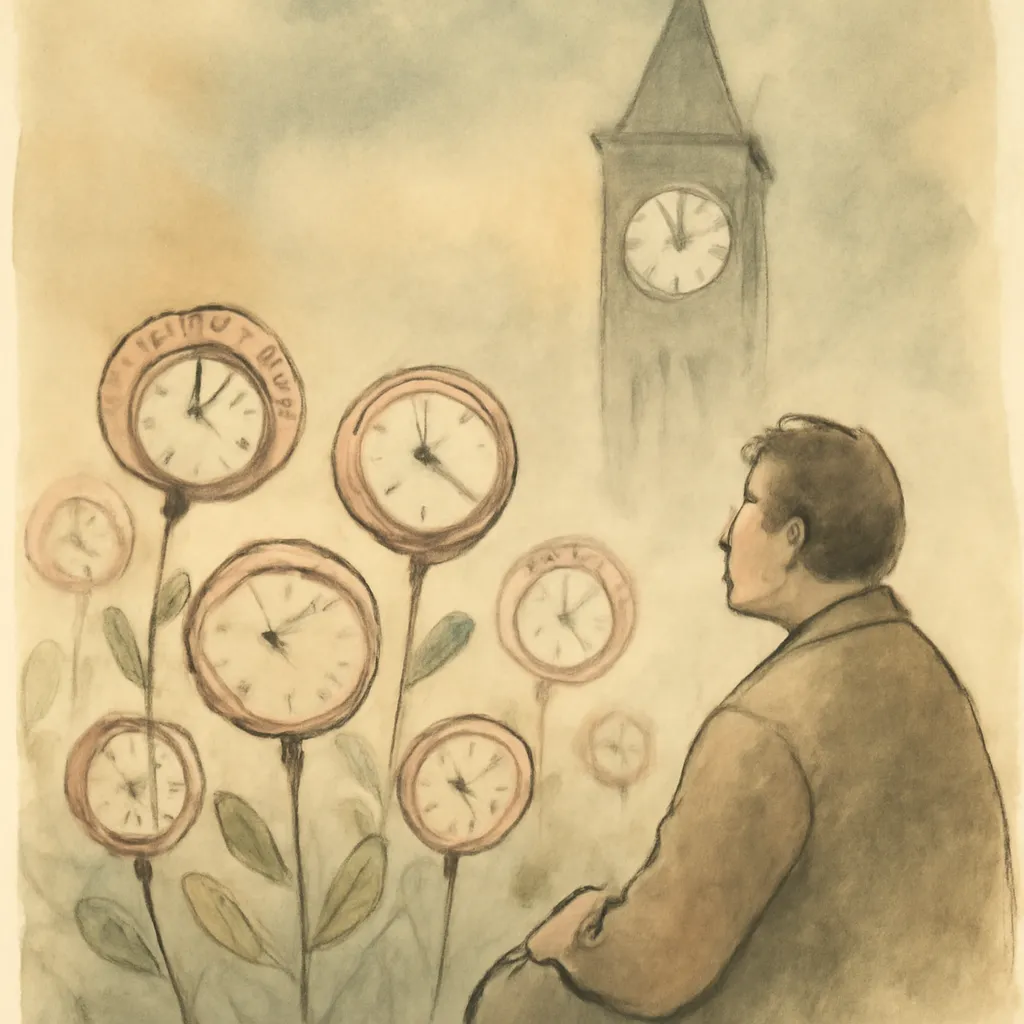
The theme of time is woven throughout 'Love's Labour's Lost', as the characters grapple with the passage of time and its impact on their lives and relationships. The King's vow to abstain from love for three years serves as a critical temporal marker, creating tension as the characters navigate their evolving feelings. The arrival of the Princess and her ladies disrupts this timeline, forcing the men to reevaluate their commitments. The fleeting nature of youth and beauty is underscored through the characters' awareness of their desires and the limitations imposed by their oaths. Shakespeare’s exploration of time highlights that love exists in a delicate balance with the inevitable passage of time. This theme resonates with the play's overall message about the importance of seizing the moment and embracing love, revealing that while time may be a constraint, it can also serve as a catalyst for true connections.
10.The Role of Poetry

Poetry serves as a pivotal device in 'Love's Labour's Lost', functioning as both a means of expression and a vehicle for exploring the characters' innermost feelings. The noblemen often resort to poetic language to articulate their love, capturing the complexities and nuances of their emotions. Berowne's soliloquies encapsulate this duality, as he shifts from mockery of love to heartfelt admiration for the very women he swore to avoid. The act of writing poetry becomes an essential outlet for the characters, enabling them to confront their feelings in a structured manner. Additionally, the women respond with their own verses, showcasing their agency and wit. Through this interplay of poetry, Shakespeare emphasizes the transformative power of love, suggesting that creativity flourishes when one embraces genuine emotion. The intertwining of poetic expression and romantic entanglement highlights the role of art in understanding and navigating the complexities of human relationships.