1.The Power and Peril of Love
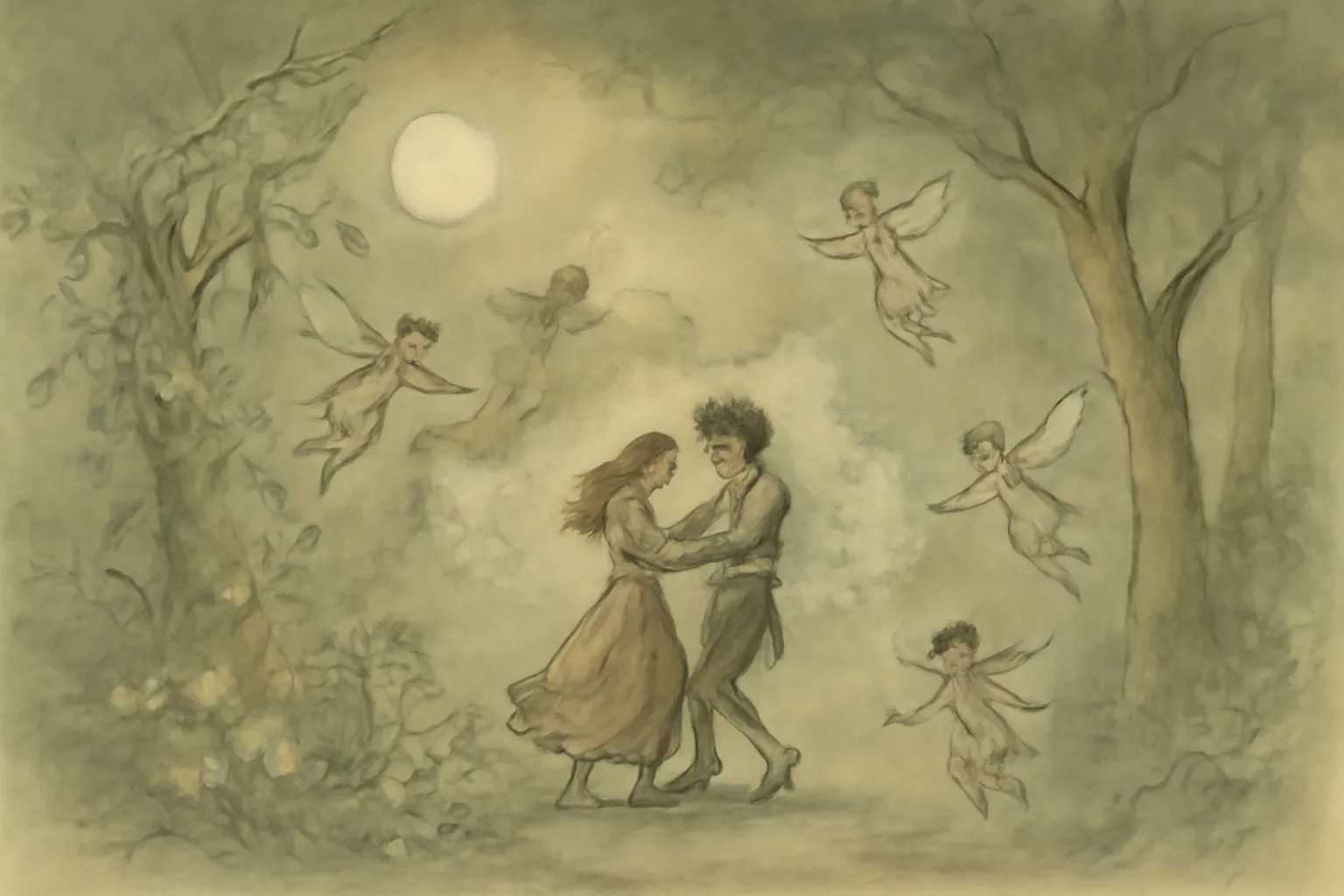
At the heart of 'A Midsummer Night's Dream' lies the theme of love's unpredictable and often irrational nature. The play opens with a conflict between Hermia and her father, Egeus, who demands she marry Demetrius, despite her love for Lysander. This tension sets the stage for the exploration of love as a force that can defy societal norms and familial expectations. Hermia's defiance leads her and Lysander into the forest, where their love is further complicated by the interference of magical beings. Shakespeare illustrates that love can bring joy and fulfillment, but it can also lead to chaos and heartache, as characters find themselves entangled in a web of unrequited affections and enchantments that alter their perceptions. This duality of love's power is encapsulated in the famous line, 'The course of true love never did run smooth,' highlighting the tumultuous journey that love often entails.
2.Reality vs. Illusion
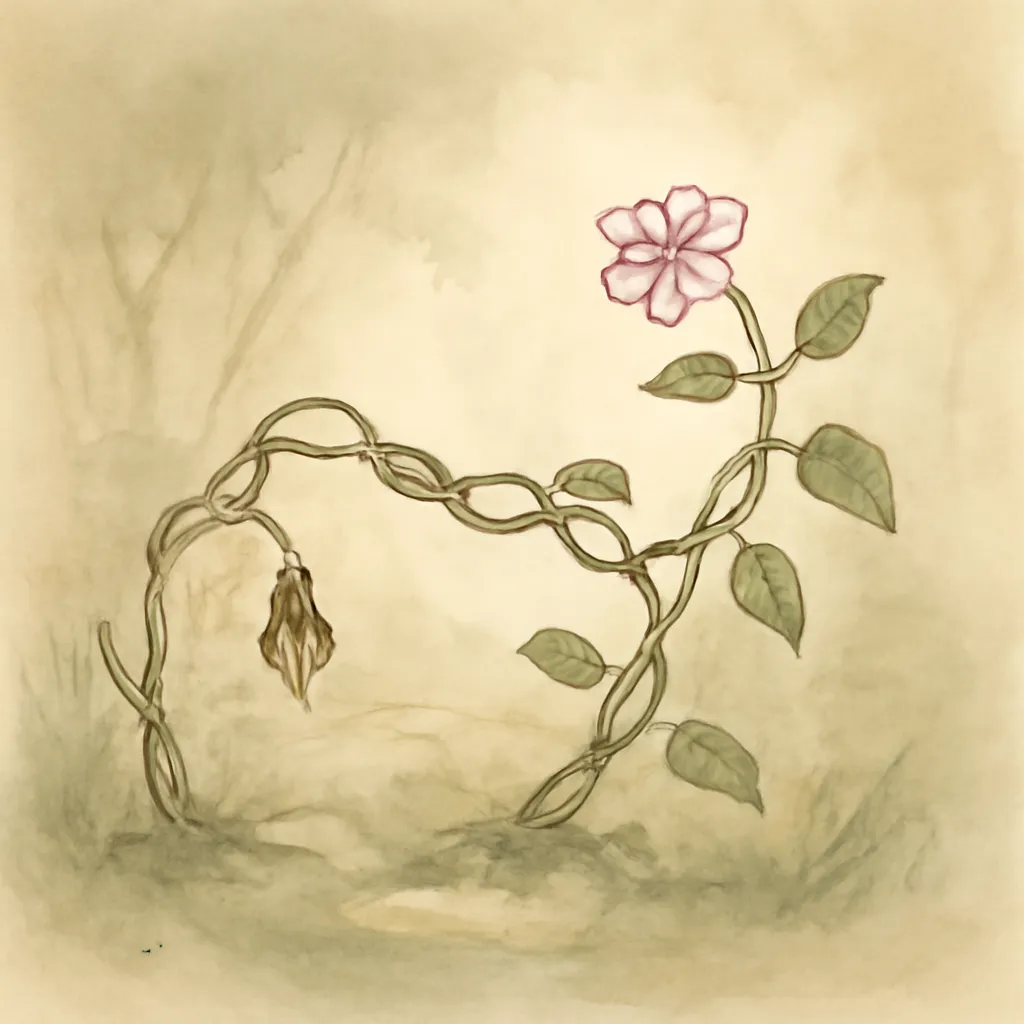
Shakespeare blurs the lines between reality and illusion throughout the play, prompting audiences to question what is real and what is imagined. The enchanted forest serves as a liminal space where the characters' identities and relationships are transformed. Puck, the mischievous fairy, embodies this theme as he uses a magical flower to induce love and confusion among the characters. The confusion culminates in a series of humorous misunderstandings, as characters fall in and out of love based on the whims of Puck's enchantments. This interplay of reality and illusion invites the audience to reflect on the nature of perception and the subjective experience of love. As the characters navigate their altered states of being, Shakespeare suggests that our understanding of love and relationships is often shaped by our desires and fantasies, rather than objective truths.
3.The Role of Magic
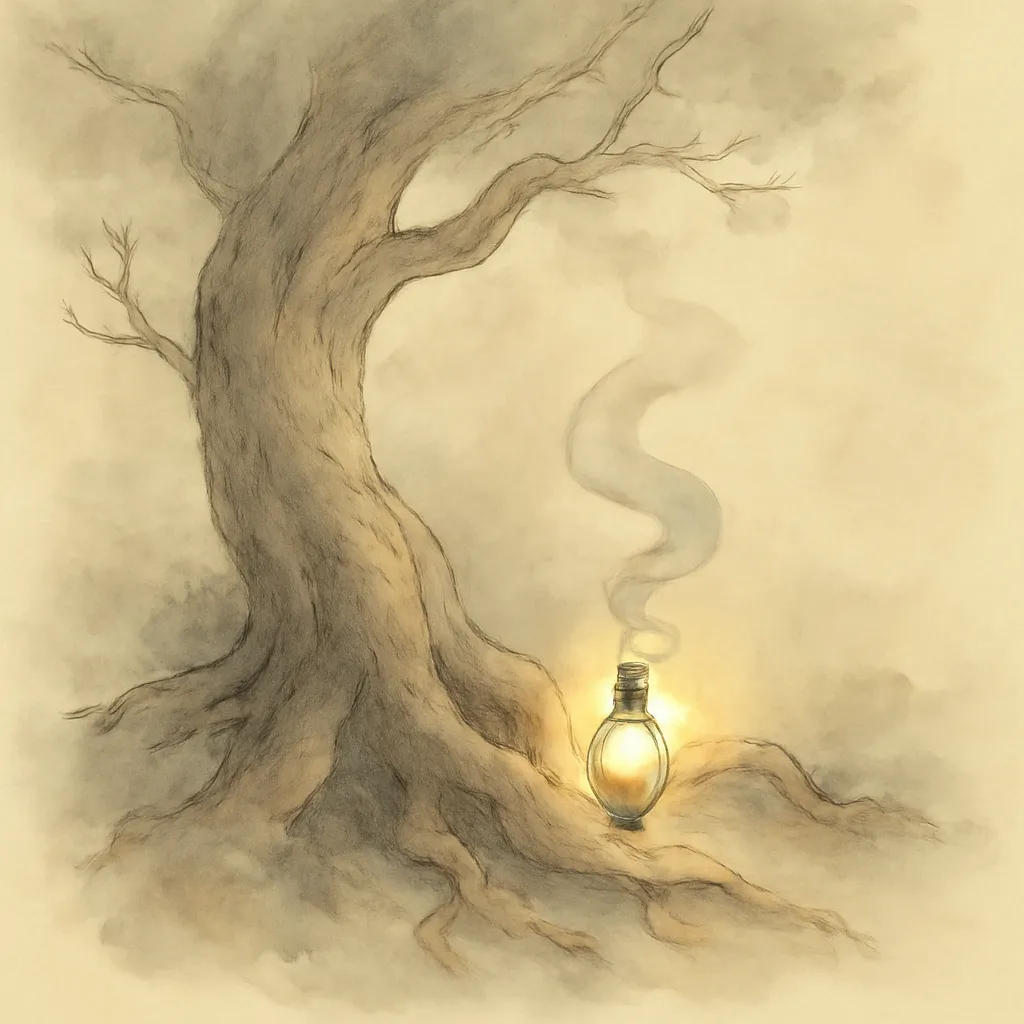
Magic is a central element in 'A Midsummer Night's Dream,' influencing the characters' actions and fates in profound ways. Oberon and Titania, the king and queen of the fairies, wield magical powers that affect the human world, particularly through the use of the love potion derived from a flower. This magic not only creates comedic situations but also serves as a metaphor for the irrational nature of love itself. The potion causes characters to fall in love with the wrong people, leading to chaos and confusion. By employing magic, Shakespeare explores the idea that love can be both a blessing and a curse, capable of transforming individuals in unexpected ways. The resolution of the play, where order is restored and true love prevails, suggests that while magic can complicate love, it is ultimately the power of genuine affection that triumphs.
4.Identity and Transformation
Identity is a fluid concept in 'A Midsummer Night's Dream,' as characters frequently shift roles and personas throughout the play. The forest acts as a transformative space where conventional identities are challenged. For instance, Puck's enchantments lead to Lysander and Demetrius switching affections, while Titania falls in love with Bottom, who has been transformed to have the head of an ass. These transformations highlight the arbitrary nature of identity and love, suggesting that our feelings and connections can change based on our circumstances. Shakespeare uses this theme to explore questions of selfhood and the ways in which love can redefine individuals. The characters' journeys into the forest reveal their true desires and vulnerabilities, ultimately leading to a deeper understanding of themselves and each other.
5.The Nature of Comedy
Shakespeare's use of comedy in 'A Midsummer Night's Dream' serves multiple purposes, from entertaining audiences to providing social commentary. The play is filled with humorous situations, witty dialogue, and absurd characters, such as the bumbling mechanicals who attempt to perform a play for the Duke's wedding. Their earnest but misguided efforts highlight the theme of artifice in performance and the thin line between comedy and tragedy. The mechanicals' production of 'Pyramus and Thisbe' parodies the conventions of tragic romance, underscoring the absurdity of love and the theatricality of human relationships. By employing humor, Shakespeare not only entertains but also critiques societal norms and the follies of love, reminding the audience of the inherent absurdity in their own lives.
6.The Influence of the Natural World
The natural world plays a pivotal role in 'A Midsummer Night's Dream,' serving as both a setting and a catalyst for the characters' transformations. The enchanted forest, alive with fairies and magic, contrasts sharply with the structured society of Athens, representing freedom and the untamed aspects of love. Characters enter the forest seeking solace or escape, only to find their lives irrevocably altered by the experiences they encounter there. This juxtaposition of the natural and the civilized reflects the tension between societal constraints and the primal instincts of love and desire. Shakespeare suggests that nature has the power to liberate individuals from societal expectations, allowing them to explore their true selves and emotions. The forest becomes a space of revelation, where characters confront their feelings and desires away from the watchful eyes of society.
7.Friendship and Loyalty
Friendship is a recurring theme in 'A Midsummer Night's Dream,' particularly in the relationships between the four lovers: Hermia, Lysander, Helena, and Demetrius. The bonds of friendship are tested as love triangles and misunderstandings arise. Helena's unrequited love for Demetrius, contrasted with Hermia's devotion to Lysander, highlights the complexities of loyalty in romantic relationships. Shakespeare explores how friendship can be both a source of strength and a catalyst for conflict, as characters navigate their affections and rivalries. Ultimately, the resolution of these conflicts reinforces the importance of loyalty and mutual respect in friendships, suggesting that true love can emerge from the ashes of jealousy and misunderstanding. The play concludes with reconciliations and renewed friendships, emphasizing the value of companionship and support in the pursuit of love.
8.The Role of Authority
Authority figures in 'A Midsummer Night's Dream' play significant roles in shaping the events of the narrative, particularly through the characters of Theseus and Egeus. Theseus, the Duke of Athens, embodies the law and order of society, while Egeus represents the patriarchal authority that seeks to control Hermia's choices. The conflict between Egeus and Hermia illustrates the tensions between personal freedom and societal expectations, as Hermia defies her father's wishes to pursue her own happiness. Theseus's eventual support for the lovers' union signifies a shift towards more progressive ideals of love and autonomy. Shakespeare critiques the rigidity of authority and advocates for the importance of individual choice in matters of the heart. The play's resolution, where love triumphs over oppressive societal structures, reflects a broader commentary on the nature of power and the necessity for compassion and understanding in governance.
9.The Interplay of Dreams and Reality
Dreams are a central motif in 'A Midsummer Night's Dream,' symbolizing the fluidity of reality and the power of imagination. The characters frequently reference dreams, suggesting that their experiences in the enchanted forest are akin to a dream state where the impossible becomes possible. This interplay of dreams and reality prompts audiences to consider the nature of their own desires and aspirations. Shakespeare posits that dreams can reveal deeper truths about ourselves and our relationships, often exposing the absurdities of human behavior. The dream-like quality of the forest allows characters to explore their emotions freely, leading to revelations and transformations that shape their identities. By embracing the dreamlike elements of the narrative, Shakespeare invites readers to reflect on the significance of imagination and the ways in which it can influence our perceptions of love and reality.
10.The Importance of Art and Performance
Art and performance are integral themes in 'A Midsummer Night's Dream,' exemplified through the subplot of the mechanicals' play. The amateur actors' earnest yet comical attempts to stage 'Pyramus and Thisbe' serve as a reflection on the nature of art and its impact on society. Shakespeare uses their performance to explore the boundaries between tragedy and comedy, highlighting the absurdity of love and the theatricality of human relationships. The mechanicals' rehearsal and eventual performance are filled with humor and charm, showcasing the joy and creativity that art can inspire. Through this subplot, Shakespeare emphasizes the transformative power of performance, suggesting that art can illuminate the complexities of love and human experience. The play concludes with a celebration of creativity and the unifying force of storytelling, reinforcing the idea that art has the ability to bring people together and provide solace in times of turmoil.