1.The Immigrant Experience and Hope
The novel opens with a vivid depiction of the immigrant experience in America, particularly as ships laden with hopeful souls arrive at the shores of Manhattan. Waller illustrates this scene with poetic imagery, emphasizing the dreams and aspirations of the thousands who disembark, each with their own story of sacrifice and hope. This moment serves as a poignant reminder of the nation's foundation built on the dreams of others, reflective of a broader narrative of seeking a better life. The juxtaposition of joy and despair among the immigrants encapsulates the emotional weight of their journey, highlighting the complexities of identity and belonging in a new world. Through this lens, Waller sets the stage for the unfolding drama in Flamsted, where characters will grapple with their own identities in a land that promises both opportunity and challenge.
2.The Tension Between Tradition and Change
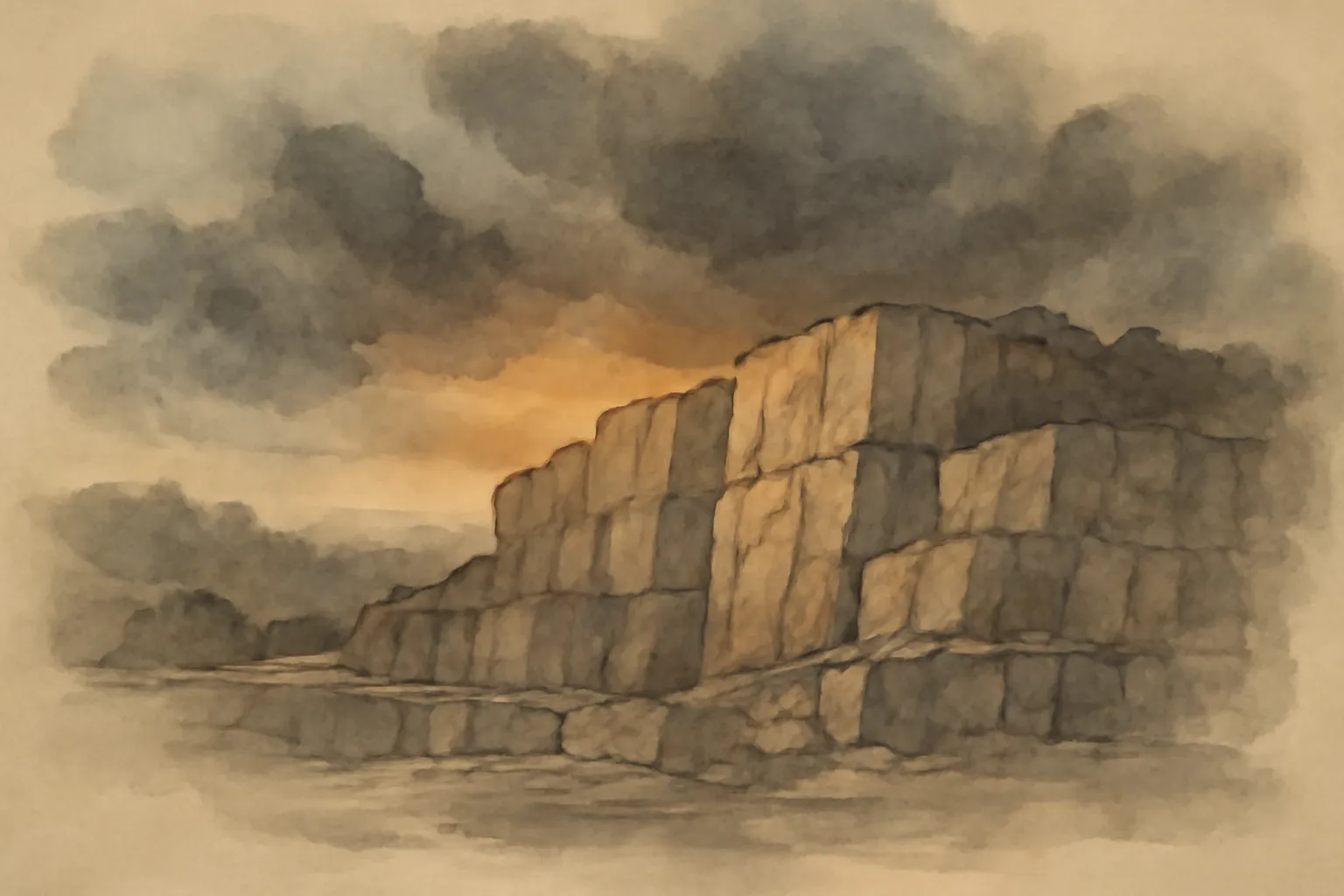
Flamsted embodies a microcosm of societal tension, where old traditions clash with the inevitable changes brought about by industrialization. The opening chapters introduce the granite quarry that symbolizes both opportunity and disruption. As the quarry begins to reshape the landscape and the lives of the townspeople, characters grapple with their loyalties to the past and their aspirations for the future. The novel deftly portrays how these changes ignite fierce debates within the community, reflecting the broader American struggle between progress and preservation. Through the lens of the Googes and Champneys, Waller examines the personal stakes involved in these societal shifts, revealing how ambition can both unite and divide. For example, Aurora Googe's determination to secure her family's legacy is met with resistance from traditionalists who fear the erosion of their cultural heritage in the face of progress.
3.The Role of Women in a Changing Society
Waller's portrayal of female characters, particularly Aurora Googe and Aileen Armagh, highlights the evolving roles of women in the late 19th century. Aurora, a strong-willed matriarch, navigates the male-dominated world of business while fiercely protecting her family's legacy. Her determination to secure a future for her son, Champney, underscores the shifting expectations of women, who begin to assert their influence beyond traditional domestic spheres. Aileen, on the other hand, represents the younger generation's desire for freedom and self-expression, as she wrestles with her identity amidst the constraints imposed by her guardian, Mrs. Champney. This exploration of women's roles provides a nuanced perspective on the struggle for agency in a patriarchal society, especially as Aileen's aspirations are often stifled by the societal norms that dictate her place within the Champney household.
4.Ambition and its Consequences
The novel intricately weaves the theme of ambition throughout its narrative, as characters pursue their dreams with varying degrees of success and moral compromise. Champney Googe, in particular, embodies the archetype of the ambitious young man, eager to carve out his identity and secure his family's legacy. His journey into the world of business in New York City reflects the broader American ethos of self-made success but also reveals the darker undercurrents of greed and betrayal that accompany such ambition. Waller expertly illustrates how the pursuit of personal ambition can lead to ethical dilemmas, ultimately questioning the cost of success on relationships and personal integrity. For instance, Champney's decisions often reflect a tension between his family's expectations and his desire to forge his own path, leaving him to navigate the murky waters of ambition with moral consequences that resonate deeply throughout the story.
5.Family Dynamics and Loyalty
At the heart of 'Flamsted Quarries' lies the complex interplay of family dynamics and loyalty, particularly within the Googe and Champney families. The relationships between mothers and sons, siblings, and cousins are explored with depth and sensitivity, revealing the emotional stakes involved in familial bonds. Aurora's fierce protectiveness over Champney underscores the sacrifices parents make for their children, while the tension between Aunt Meda and Champney reveals the intricacies of inheritance and expectations. Waller captures the nuances of love, jealousy, and rivalry that can exist within families, ultimately showcasing how loyalty can be both a source of strength and a catalyst for conflict. The narrative delves into how these familial ties shape the characters' identities and their choices, often forcing them to confront uncomfortable truths about their relationships.
6.The Impact of Setting on Identity
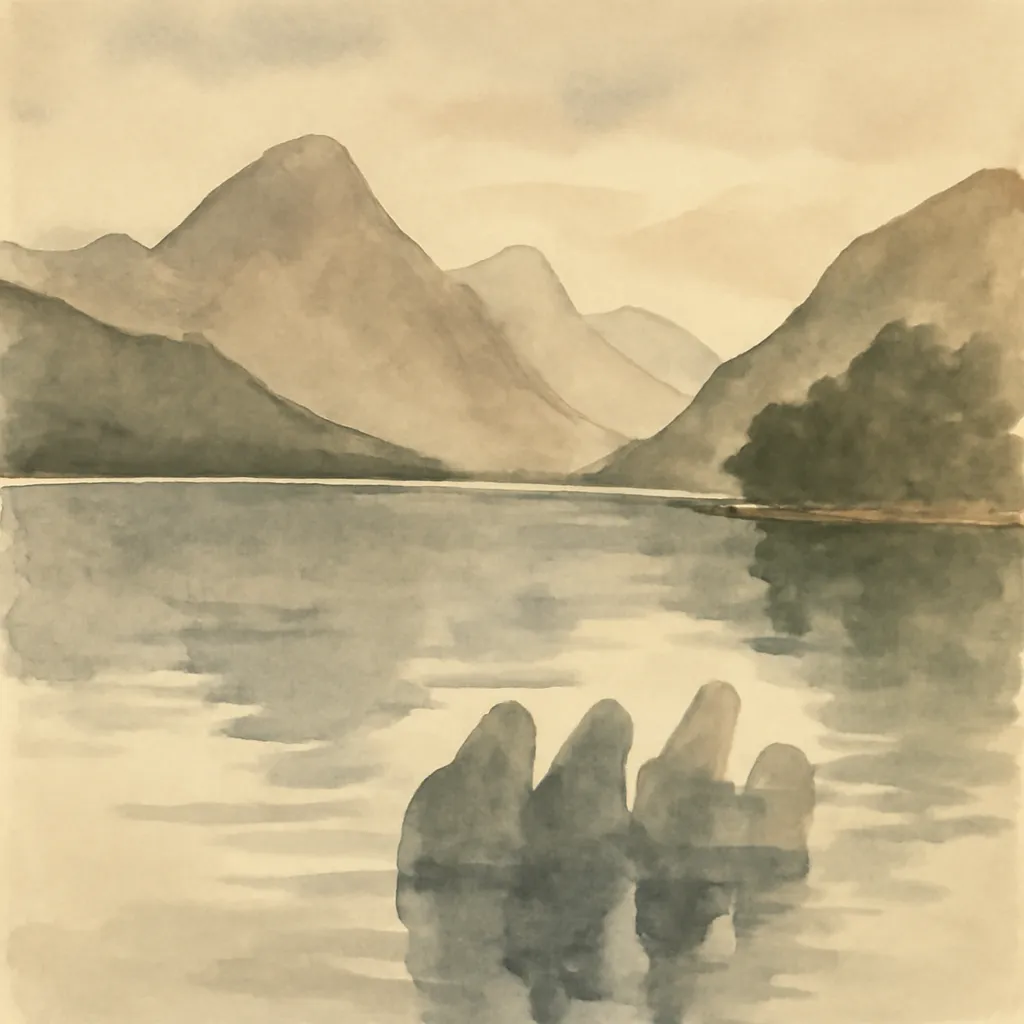
Waller's vivid descriptions of Flamsted's natural beauty serve as more than mere backdrop; they shape the characters' identities and experiences. The landscape, characterized by mountains, lakes, and quarries, reflects the characters' internal struggles and aspirations. For instance, the quarry represents both the promise of economic opportunity and the threat of environmental degradation, mirroring the characters' conflicting desires for progress and preservation. As the characters navigate their relationships with the land, Waller emphasizes the deep connection between identity and place, suggesting that one's surroundings can profoundly influence personal destiny. The way characters relate to their environment becomes a reflection of their inner lives, with nature serving as both a sanctuary and a battleground for their aspirations.
7.Love and Sacrifice
In 'Flamsted Quarries,' love emerges as a powerful force that drives characters to make significant sacrifices. The romantic entanglements between Aileen and her admirers, as well as the familial love exhibited by Aurora and Champney, reveal the complexities of human relationships. Aileen's longing for independence clashes with her feelings for the men in her life, highlighting the tension between personal desires and societal expectations. Meanwhile, Aurora's sacrifices for her son's future underscore the theme of maternal love as she navigates the challenges of providing for him while ensuring he remains true to his roots. Waller poignantly illustrates how love can inspire selflessness yet also lead to heartache and conflict. The choices made in the name of love often come with heavy costs that resonate throughout the characters' lives, forcing them to confront the true nature of their desires.
8.Cultural Identity and Heritage
The characters in 'Flamsted Quarries' grapple with their cultural identities, particularly as they navigate the pressures of assimilation and tradition. The immigrant experience is central to this theme, as characters like Luigi Poggi represent the diverse cultural tapestry of the community. Waller highlights how cultural heritage shapes individual identities and influences relationships within the town. As characters confront their backgrounds, they must reconcile their pasts with their present aspirations, ultimately questioning what it means to belong in a rapidly changing society. This exploration of cultural identity adds depth to the narrative, reflecting the broader American experience of immigrants seeking acceptance and recognition. The struggles of the characters echo the challenges faced by many in maintaining their heritage while adapting to a new environment, creating a rich tapestry of interwoven lives.
9.The Cost of Progress
At its core, 'Flamsted Quarries' serves as a meditation on the cost of progress, both for individuals and the community. The granite quarry, while a symbol of economic opportunity, also brings disruption and conflict to Flamsted. Waller deftly illustrates how the pursuit of wealth often leads to ethical compromises and personal sacrifices, forcing characters to confront the consequences of their choices. As the town grapples with the changes brought about by industrialization, Waller raises critical questions about the sustainability of progress and the moral implications of prioritizing economic gain over community well-being. This theme resonates deeply in today's context, prompting readers to reflect on the balance between advancement and preservation. The characters' journeys serve as a microcosm of the broader societal shifts, illustrating the often fraught relationship between development and the human cost it entails.
10.The Quest for Belonging
Throughout 'Flamsted Quarries,' characters are driven by a profound quest for belonging, each seeking to carve out a space in a world that often feels alienating. This desire manifests differently among the characters; for Champney, it is intertwined with the legacy of his family and the expectations placed upon him. For Aileen, her search for acceptance within the Champney household becomes a poignant reflection of her struggle against societal constraints. The community of Flamsted itself acts as a character, with its own dynamics of acceptance and exclusion, highlighting the complexities of forging connections in a rapidly changing world. Waller's exploration of belonging underscores the universal human need for connection and recognition, ultimately suggesting that the search for place and identity is a timeless endeavor.