Fiction
Flamsted quarries by Mary E. Waller — Summary, Key Ideas & Full Text
427 pages51 chapters8h 34m read6h 5m speed read✦ 9-min Big ideasFree · no account
Rate it
In 'Flamsted Quarries,' Mary E. Waller intricately weaves the threads of ambition, identity, and the quest for belonging against the backdrop of a changing American landscape
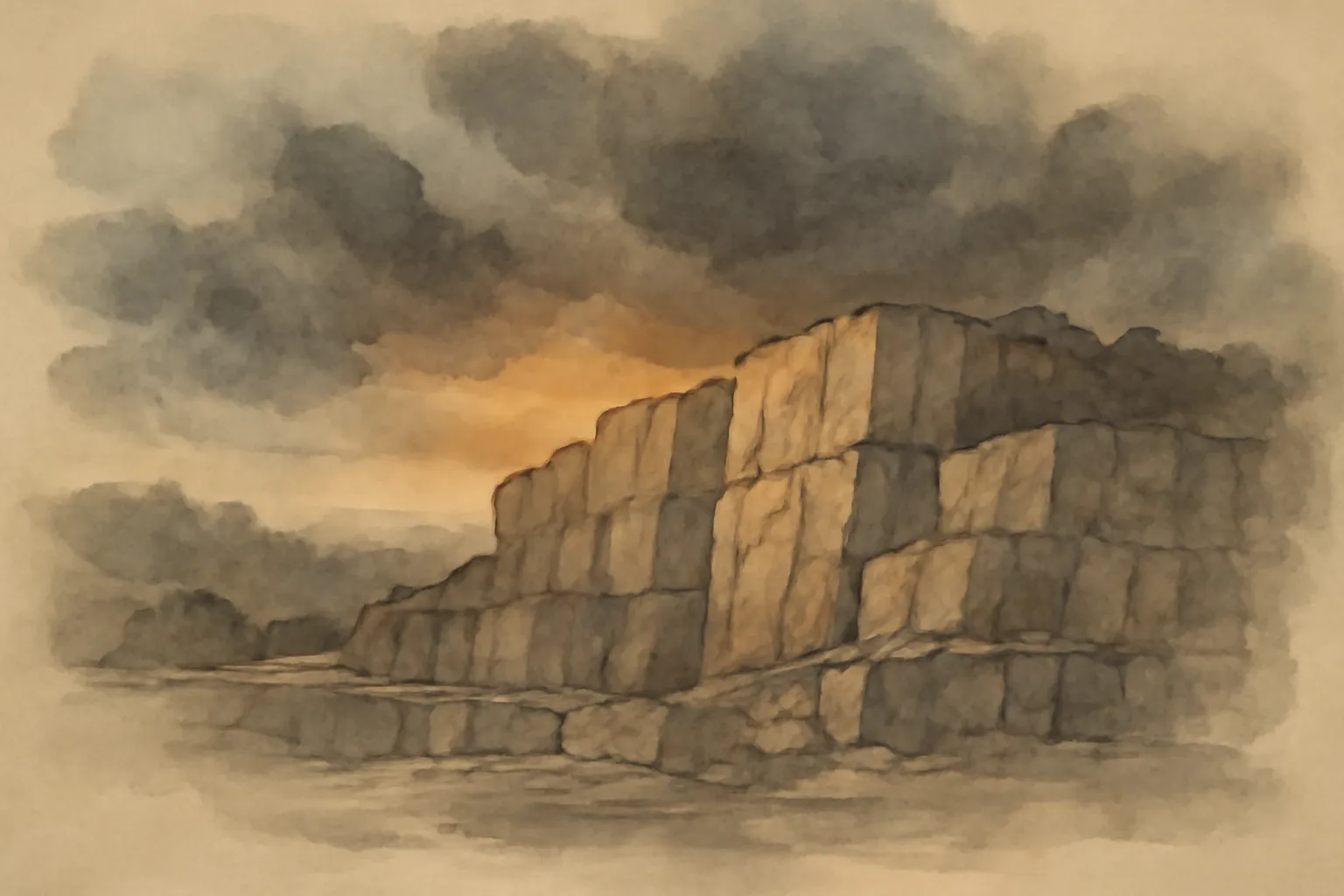
Set in the picturesque yet turbulent town of Flamsted, Maine, 'Flamsted Quarries' explores the lives of characters intertwined by family ties, social expectations, and the relentless march of progress. The novel delves into the dynamics of two prominent families—the Googes and the Champneys—whose legacies are threatened by a burgeoning granite quarry that promises both prosperity and conflict. As the story unfolds, Waller captures the essence of personal ambition, love, and the sacrifices made in pursuit of one's dreams. Readers will find themselves immersed in the struggles of the characters as they navigate societal pressures, familial loyalty, and the ever-present desire for a better future. This rich narrative invites reflection on the nature of success and the cost of progress in a rapidly evolving society.
Mary E. Waller's 'Flamsted Quarries' offers a rich tapestry of human experience, exploring themes of ambition, identity, and the complexities of familial and social relationships. Through the lens of a changing American landscape, the novel invites readers to reflect on the costs of progress and the enduring power of hope. As characters navigate their aspirations and confront the realities of their choices, Waller masterfully captures the essence of the human spirit's resilience. This narrative resonates with contemporary issues, reminding us that the quest for belonging and success is a timeless journey, filled with both triumphs and sacrifices. Ultimately, 'Flamsted Quarries' stands as a testament to the enduring quest for identity and meaning in an ever-evolving world.
“Abysmal deeps repose Beneath the stout ship's keel whereon we glide; And if a diver plunge far down within Those depths and to the surface safe return, His smile, if so it chance he smile again, Outweighs in worth all gold.”
“Four thousand feet are planted on the soil of the New World. Four thousand hands are knocking at its portals. Two thousand hearts are beating high with hope at prospect of the New, or palpitating with terror at contact with the Strange.”
“The performance in itself was crude and commonplace, but the demonstration in regard to it was unusual.”
Read Mary E. Waller's work free on Lumina — the complete text plus an 8-minute summary and key ideas, no account needed