1.The Nature of Flatland
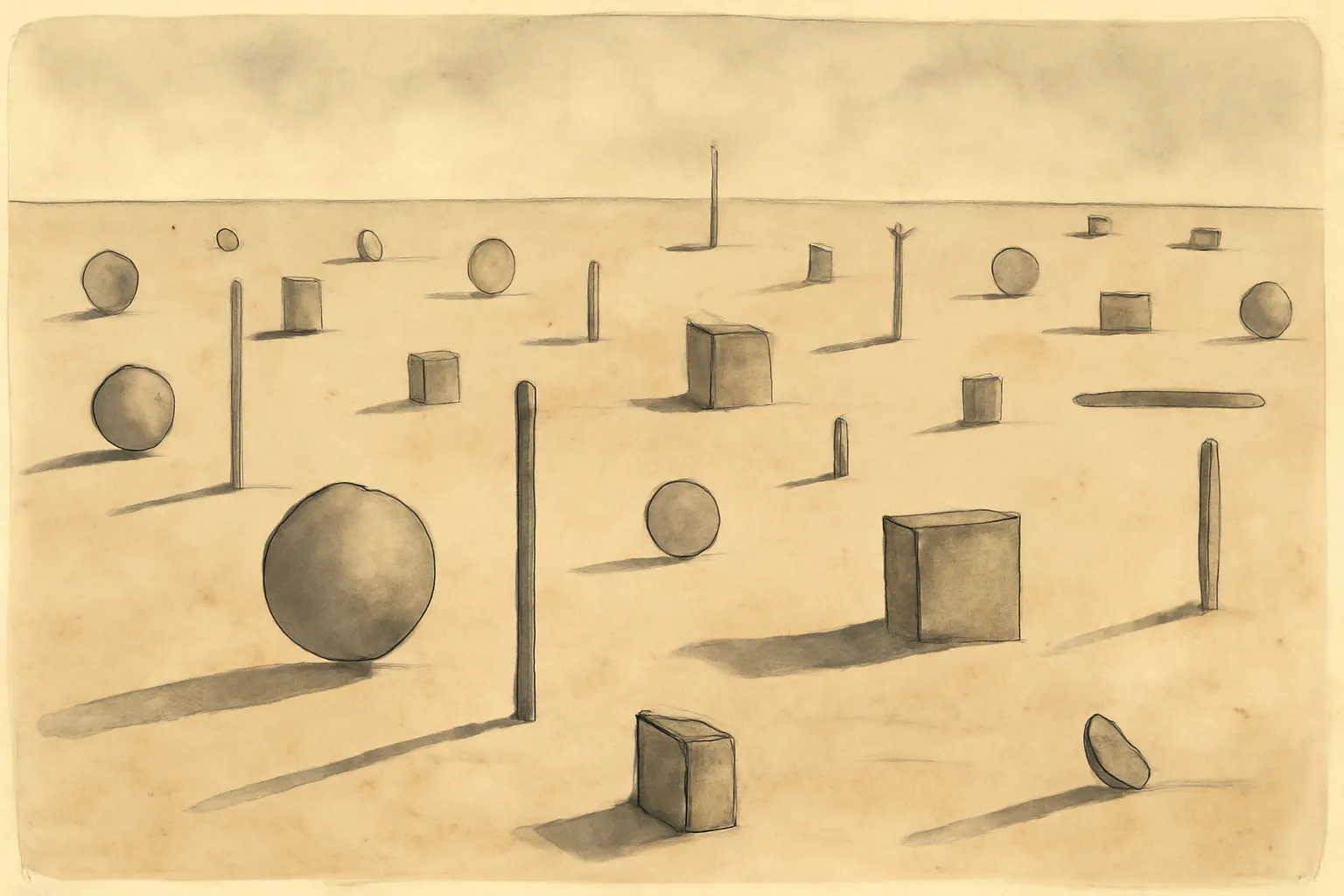
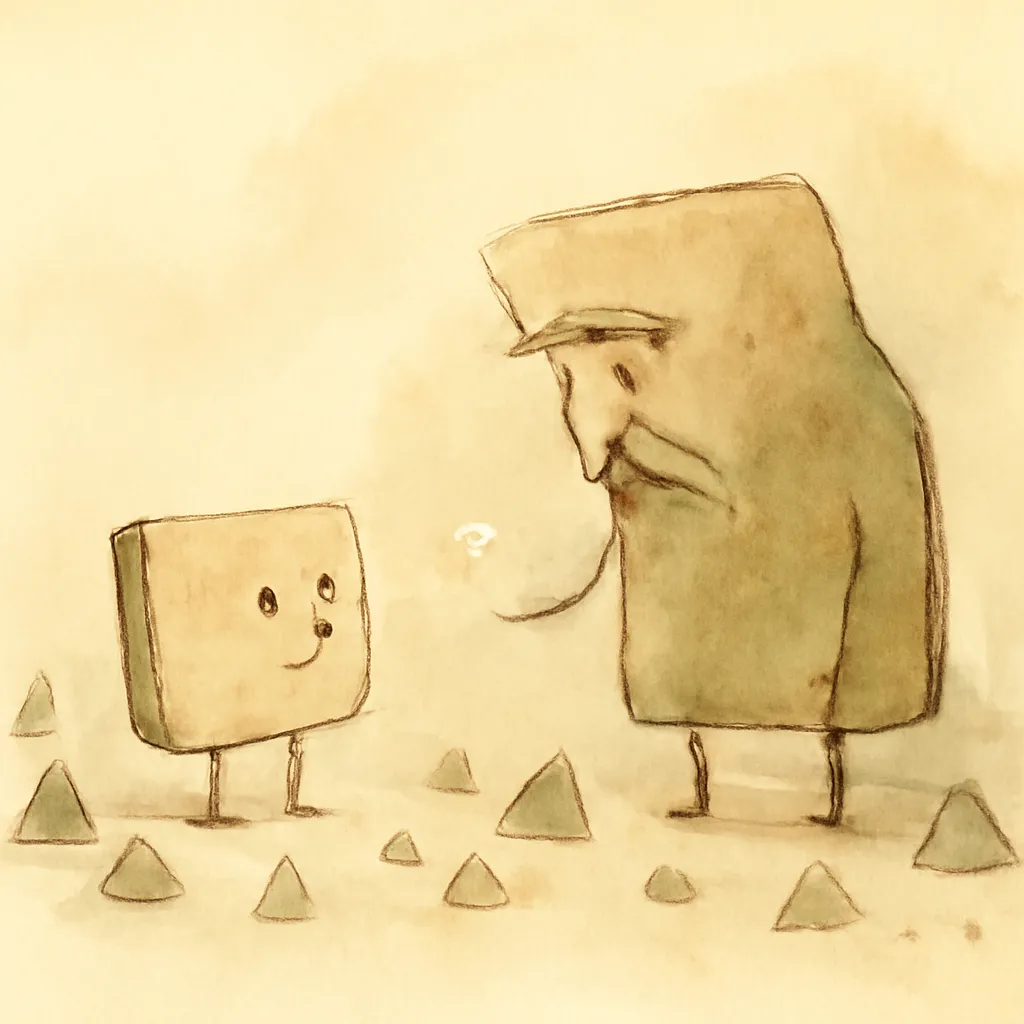
Flatland is a two-dimensional realm where inhabitants are geometric shapes, each representing different social classes. The society is structured hierarchically, with Circles at the top, symbolizing the most evolved beings, while women, represented as straight lines, are relegated to the lowest status due to their perceived dangers. The inhabitants can only perceive each other as lines, making it impossible to distinguish between different shapes unless they engage in physical contact. This limitation serves as a metaphor for the narrowness of perspective, challenging readers to consider how their own understanding of reality might be similarly constrained. Abbott cleverly uses Flatland to critique Victorian social norms and the rigid class structures of his time, demonstrating how societal hierarchies can blind individuals to broader truths.
2.Recognition and Hierarchy
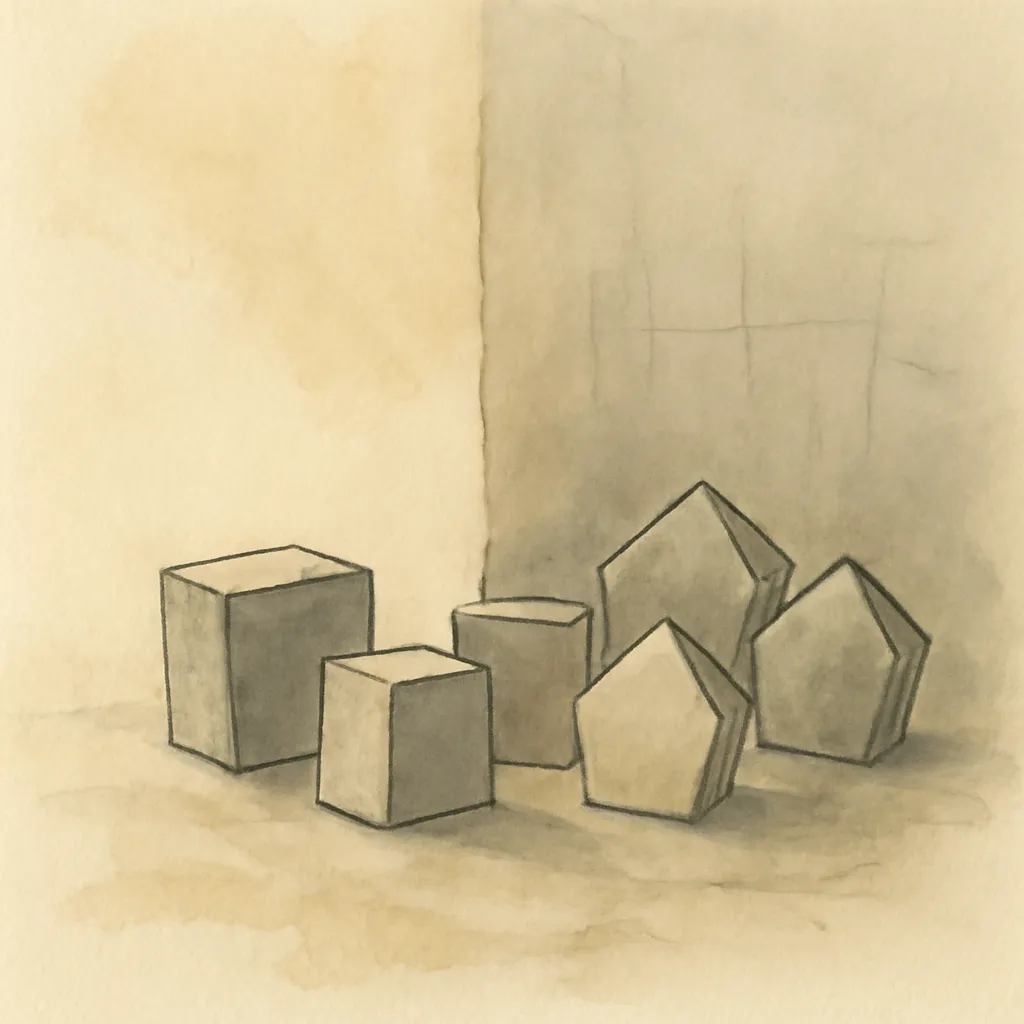
In Flatland, recognition of individuals hinges on the ability to see angles and shapes, a skill that is inaccessible to the lower classes. The upper classes, such as Squares and Pentagons, can recognize one another by sight due to their more complex angles, while the lower classes, like Isosceles Triangles, rely on sound and touch to identify each other. This differentiation reflects a societal hierarchy where the ability to perceive complexity equates to higher status. Abbott critiques this notion by illustrating how those in power often overlook the inherent value and capabilities of those beneath them. The story raises questions about how society values individuals based on superficial characteristics and challenges the reader to consider the deeper qualities that define worth.
3.The Role of Women
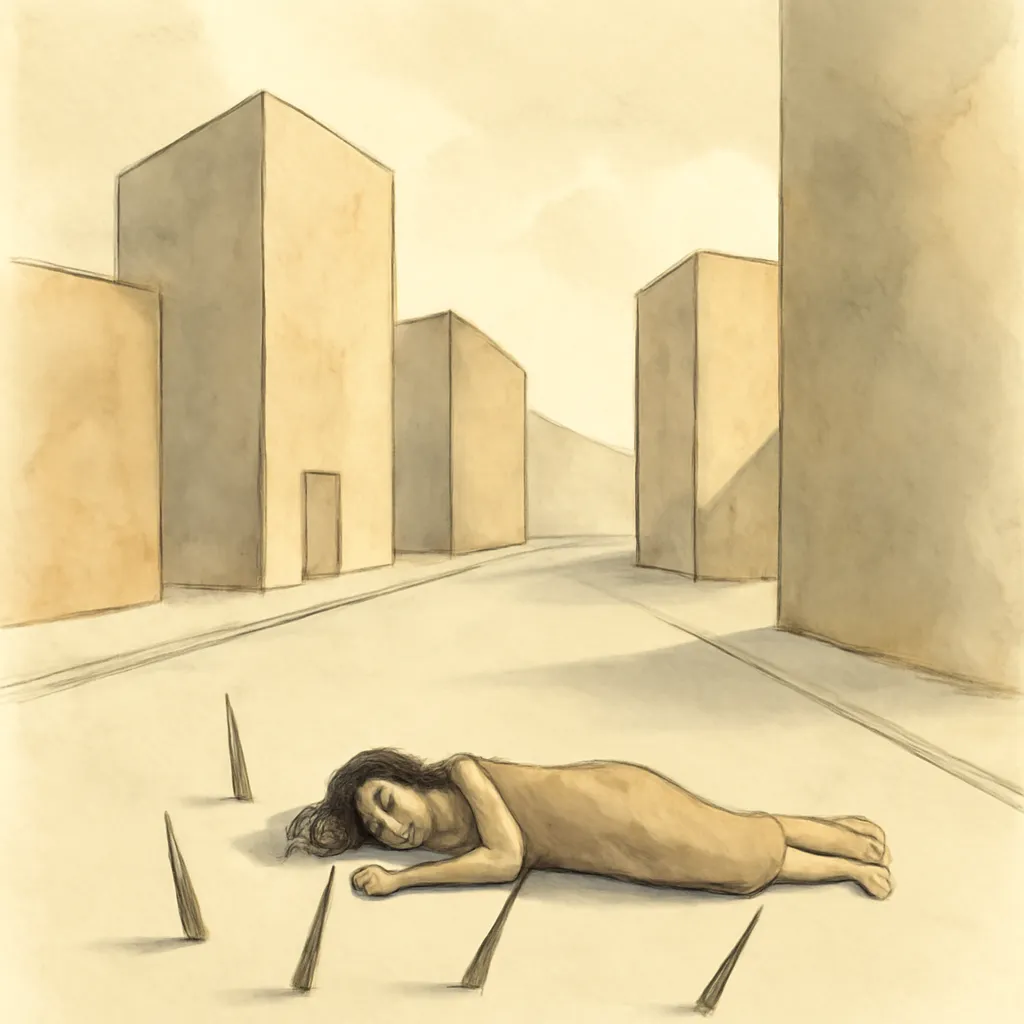
Women in Flatland are depicted as straight lines, rendering them practically invisible and socially powerless. Their sharp angles make them dangerous, leading to stringent laws aimed at minimizing their impact on society. Abbott's portrayal serves as a critique of the treatment of women during the Victorian era, highlighting the absurdity of viewing them as threats due to their shape rather than their character. The invisibility of women in Flatland symbolizes how society often disregards the contributions and rights of half its population. This commentary urges readers to reflect on gender roles and the importance of recognizing and valuing the voices of all individuals, regardless of their societal status.
4.The Limits of Perception
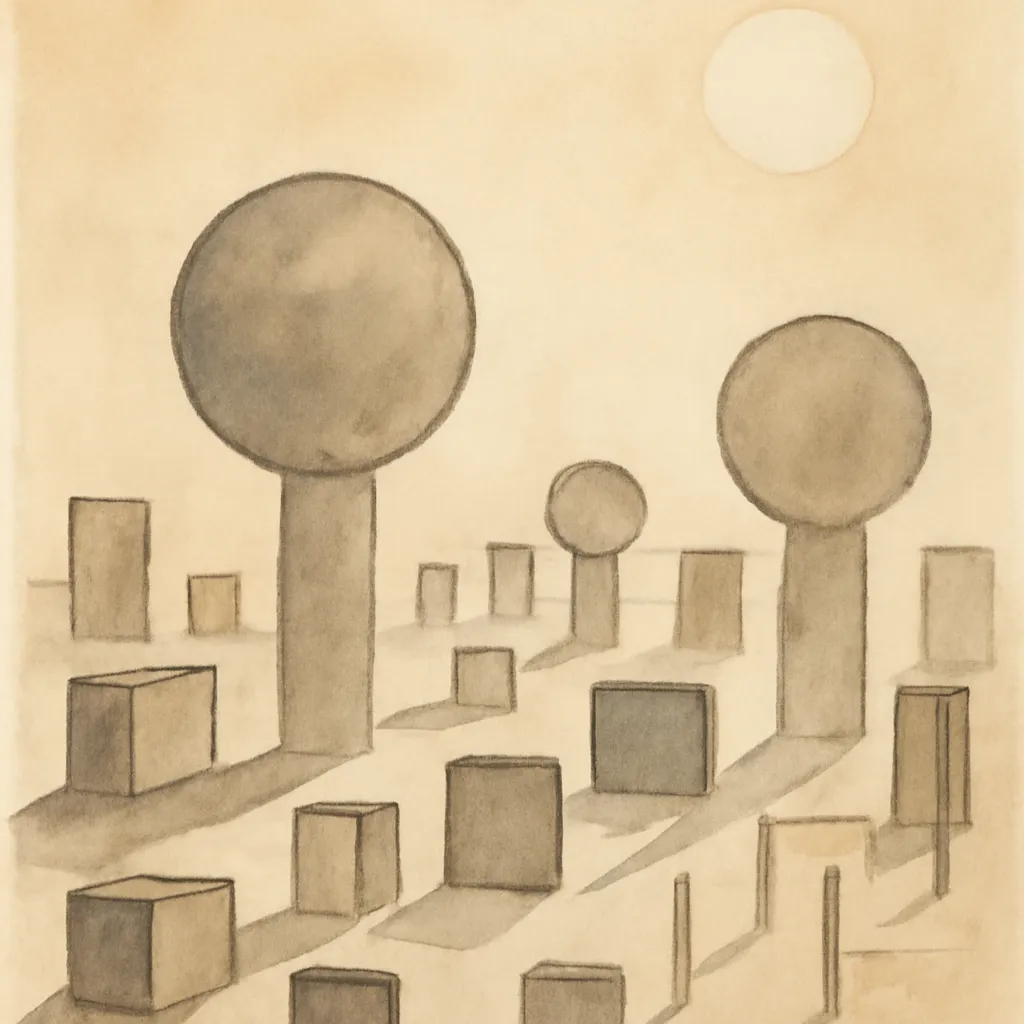
The inhabitants of Flatland are confined to a two-dimensional perspective, unable to conceive of a third dimension. This limitation is illustrated through the protagonist's struggle to understand the nature of higher dimensions when introduced to the concept by a Sphere from Spaceland. Abbott uses this encounter to symbolize the broader human experience of grappling with the unknown and the limitations of our understanding. Just as the Square cannot fully grasp the Sphere's existence, readers are prompted to consider their own limitations in perceiving realities beyond their immediate experience. The narrative challenges the notion of absolute knowledge, suggesting that there are always greater truths beyond our current understanding.
5.The Vision of Lineland
In a pivotal moment, the protagonist dreams of Lineland, a realm of one dimension where beings exist solely as points. This vision serves as a stark contrast to Flatland, illustrating even more profound limitations of perception. The King of Lineland believes his world is the entirety of existence, unable to fathom the concept of a second dimension. Through this encounter, Abbott emphasizes the absurdity of confining one's worldview to a single perspective. The interaction between dimensions conveys a critical message about the importance of humility in knowledge and the recognition that one's understanding is just a small fragment of a larger reality. This moment reinforces the book's overarching theme of exploration and the quest for understanding beyond the known.
6.The Encounter with the Sphere
The arrival of the Sphere represents a turning point for the Square, as he is introduced to the concept of three dimensions. Initially met with skepticism, the Square struggles to comprehend the Sphere's explanations and examples, which challenge his ingrained beliefs about existence. This interaction serves as a metaphor for the transformative power of knowledge and the discomfort that often accompanies the expansion of one’s understanding. The Sphere's attempts to demonstrate the third dimension through actions rather than words highlight the limitations of language in conveying complex ideas. Abbott illustrates that true understanding often requires experiential learning, pushing readers to consider how they might approach their own learning journeys.
7.Knowledge as a Path to Freedom
As the Square learns about the third dimension, he experiences a profound shift in his understanding of reality. This newfound knowledge not only expands his perception but also empowers him to challenge the status quo of Flatland. Abbott suggests that knowledge is a form of liberation, enabling individuals to transcend societal constraints and explore new realms of possibility. However, the Square's attempt to share his revelations with others is met with hostility, demonstrating the resistance to change that often accompanies new ideas. This conflict underscores the tension between progress and tradition, encouraging readers to reflect on their own resistance to new concepts and the importance of fostering open-mindedness in the face of unfamiliarity.
8.The Consequences of Enlightenment
The Square's attempts to teach his grandson about the third dimension reflect the challenges of disseminating new knowledge. Despite his enthusiasm, the younger generation's inability to grasp the concept illustrates the difficulties faced by those who seek to challenge established norms. Abbott highlights the generational divide in understanding and the struggles that come with attempting to communicate complex ideas, particularly when those ideas threaten the existing social order. The protagonist's experiences serve as a cautionary tale about the potential repercussions of enlightenment in a society that values conformity over innovation. This narrative arc compels readers to consider the importance of nurturing curiosity and fostering environments where new ideas can flourish.
9.The Power of Imagination
Throughout 'Flatland', Abbott emphasizes the significance of imagination as a tool for understanding the complexities of existence. The protagonist's journey reveals that the ability to envision beyond one's current reality is essential for growth and exploration. The narrative serves as a reminder that imagination is not merely a fanciful escape but a vital component of intellectual and personal development. Abbott encourages readers to harness their imagination to question their own perceptions and beliefs, underscoring that the pursuit of knowledge often begins with the willingness to dream beyond the confines of reality. This theme resonates with the idea that imagination can unlock new paths for inquiry and understanding in an increasingly complex world.
10.Social Commentary and Critique
Beyond its exploration of dimensions, 'Flatland' serves as a sharp critique of Victorian society and its rigid class structures. Abbott uses the geometric hierarchy of Flatland to mirror the social stratification of his time, illustrating how societal norms can stifle individuality and limit progress. The absurdity of the laws governing Flatland, particularly those surrounding women and lower classes, reflects the irrationality of discrimination based on arbitrary characteristics. Through this satire, Abbott advocates for a more inclusive society that values diversity of thought and experience. This commentary encourages readers to reflect on their own societal norms and consider how they might challenge the status quo in pursuit of a more equitable world.