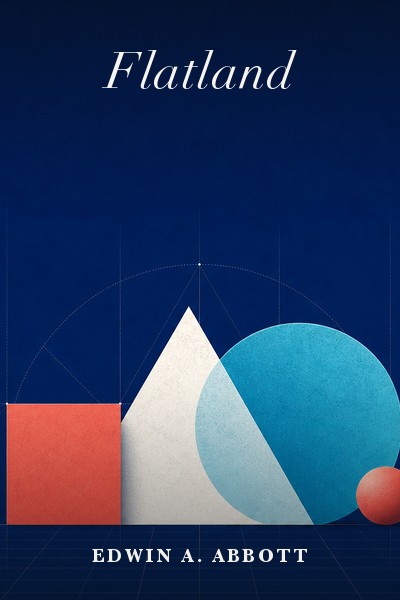

A square living in a two-dimensional world glimpses higher dimensions — a witty satire and a mind-bending math fable.
Read full overviewShow less›
In 'Flatland', Edwin A. Abbott crafts an imaginative exploration of dimensions, using the allegorical tale of a two-dimensional world inhabited by geometric shapes. This thought-provoking narrative delves into themes of hierarchy, perception, and the limits of understanding, ultimately challenging readers to consider the existence of dimensions beyond their own. Through the journey of a humble Square, who encounters beings from higher dimensions, readers are invited to reflect on their own views of reality and the constraints of their perceptions. The book serves as both a social commentary on Victorian society and a philosophical inquiry into the nature of existence, making it a timeless classic that resonates with anyone curious about the boundaries of knowledge and imagination.
Edwin A. Abbott's 'Flatland' is a profound exploration of dimensions, perception, and the limitations of understanding. Through the allegorical tale of geometric beings, readers are invited to reflect on their own realities and the societal structures that shape their lives. The narrative challenges us to consider the existence of higher dimensions and the broader truths that lie beyond our immediate perceptions. Abbott's critique of Victorian society serves as a timeless reminder of the importance of inclusivity, imagination, and the pursuit of knowledge. Ultimately, 'Flatland' encourages readers to embrace curiosity and remain open to the possibilities that lie beyond the familiar, fostering a deeper understanding of existence and the interconnectedness of all beings.
- 1The Nature of Flatland
- 2Recognition and Hierarchy
- 3The Role of Women
- 4The Limits of Perception
- 5The Vision of Lineland
A glimpse inside

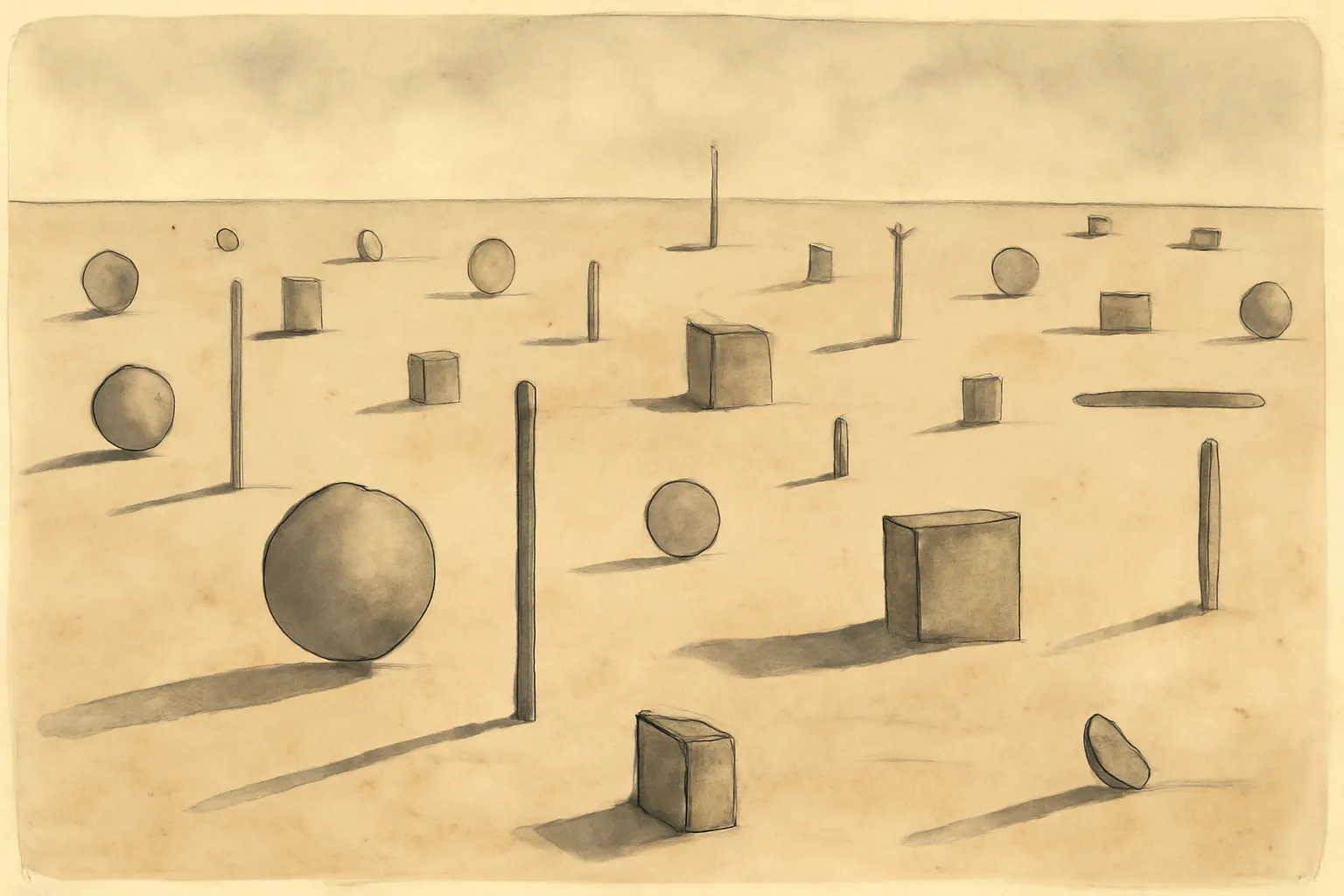
Flatland is a two-dimensional realm where inhabitants are geometric shapes, each representing different social classes. The society is structured hierarchically, with Cir… Read moreFlatland is a two-dimensional realm where inhabitants are geometric shapes, each representing different social classes. The society is structured hierarchically, with Circles at the top, symbolizing the most evolved beings, while women, represented as straight lines, are relegated to the lowest status due to their perceived dangers. The inhabitants can only perceive each other as lines, making it impossible to distinguish between different shapes unless they engage in physical contact. This limitation serves as a metaphor for the narrowness of perspective, challenging readers to consider how their own understanding of reality might be similarly constrained. Abbott cleverly uses Flatland to critique Victorian social norms and the rigid class structures of his time, demonstrating how societal hierarchies can blind individuals to broader truths. Show less
In Flatland, recognition of individuals hinges on the ability to see angles and shapes, a skill that is inaccessible to the lower classes. Read moreIn Flatland, recognition of individuals hinges on the ability to see angles and shapes, a skill that is inaccessible to the lower classes. The upper classes, such as Squares and Pentagons, can recognize one another by sight due to their more complex angles, while the lower classes, like Isosceles Triangles, rely on sound and touch to identify each other. This differentiation reflects a societal hierarchy where the ability to perceive complexity equates to higher status. Abbott critiques this notion by illustrating how those in power often overlook the inherent value and capabilities of those beneath them. The story raises questions about how society values individuals based on superficial characteristics and challenges the reader to consider the deeper qualities that define worth. Show less
Read the full text — free
About the author
Read Edwin A. Abbott's work free on Lumina — the complete text plus an 8-minute summary and key ideas, no account needed.
Frequently asked
Worlds to get lost in
Take Lumina everywhere
Read offline, listen to AI summaries, speed-read, and sync your progress across devices — free on iPhone.
Download for iPhone