1.The Friction Between History and Folklore

Gomme begins by addressing a longstanding conflict between historians and folklorists, noting that historians often regard folklore as mere fiction devoid of historical validity. Folklorists, on the other hand, may overlook the historical context that informs folklore. He cites the works of notable scholars like Dr. Frazer and Prof. Ridgeway, who have attempted to reconcile these two fields. Gomme asserts that both disciplines can enrich each other if approached carefully, emphasizing that history often presents incomplete narratives, particularly regarding early British history, where documented records are sparse. Folklore, with its rich stories and traditions, can bridge these gaps, offering insights that more formal historical accounts may neglect. This relationship establishes folklore as an essential component of historical scholarship, urging us to view it as a legitimate source of knowledge about human societies. By recognizing the interplay between historical facts and folkloric narratives, scholars can construct a more nuanced understanding of the past that incorporates the lived experiences of individuals.
2.Understanding Folklore Materials
Gomme explores the diverse materials that comprise folklore, including traditional tales, customs, and superstitions that have been passed down through generations. He highlights that these elements were recorded through tradition, often long after their creation, and thus reflect the lived experiences of communities rather than artistic endeavors. Gomme underscores the importance of distinguishing folklore from literary art; while folk narratives may possess artistic qualities, their primary function lies in documenting cultural truths rather than entertaining. He provides examples of how certain customs might seem trivial or superstitious at first glance but hold significant meaning within their cultural contexts. For instance, folk tales that narrate the origins of local landmarks often encode historical events or societal values that might not be recorded elsewhere. Gomme emphasizes that understanding folklore requires a comprehensive approach that considers its origins, purposes, and the socio-cultural contexts from which it arises. This insight is vital for scholars seeking to appreciate folklore's role in historical understanding. Folklore is not a static entity, but rather a dynamic and evolving reflection of societies, rich with cultural significance that deserves scholarly attention.
3.Psychological Influences on Tradition
In examining the psychological dimensions of folklore, Gomme posits that many individuals still possess primitive thought processes that influence their beliefs and traditions. He suggests that these beliefs cannot be dismissed as mere superstition; they represent a form of logical reasoning that aligns with earlier human cognition. Gomme references the work of Scottish author Dalyell, who vividly described the superstitions prevalent in Scotland during the 19th century, revealing how folklore encapsulates societal fears, hopes, and the human psyche’s complexity. He notes how certain superstitions, such as those surrounding childbirth or harvest cycles, are deeply embedded in a community's collective memory. These beliefs, while seeming irrational from a modern perspective, speak to the needs and experiences of those who hold them, showcasing how communities use folklore as a means to navigate uncertainties. This examination implies that folklore serves as a repository of collective psychological experiences, allowing communities to make sense of their world through narratives that resonate with their lived realities. By recognizing these psychological roots, scholars can better understand how folklore persists and evolves within contemporary contexts.
4.Anthropological Perspectives in Folklore
The anthropological lens is crucial for understanding the evolution of folklore, as Gomme argues that both early and later inhabitants of a region contribute to its cultural narratives. He critiques the tendency among scholars to categorize cultures into rigid classifications based on historical periods, neglecting the fluidity of human identity and experience. Gomme emphasizes that folklore reflects a broader human experience that transcends specific historical contexts, often retaining traces of prehistoric beliefs and practices. He explores concepts such as totemism, which connects various cultures, asserting that these shared traditions offer valuable insights into cultural continuity. By employing an anthropological perspective, Gomme encourages a comprehensive understanding of how folklore navigates the complexities of human existence, merging ancient traditions with modern realities. For instance, beliefs regarding animals or natural elements can connect contemporary societies to their ancestral roots, suggesting a lineage of thought tied to the environment and community identity. This anthropological insight is essential for grasping how folklore serves as a living document of cultural heritage.
5.The Sociological Dimension of Folklore
Gomme highlights the sociological factors that shape folklore, asserting that understanding customs, rites, and beliefs requires examining the social contexts that give rise to them. He criticizes the common scholarly approach that isolates religious phenomena from their sociological roots, which can lead to misconceptions about their origins. Citing the philosophies of Robertson-Smith, he illustrates that beliefs are intricately tied to the social units from which they emerge, encompassing divine beings and spiritual concepts that coexist within human communities. This sociological framework is essential for analyzing how traditional customs and beliefs adapt over time while remaining anchored in the practical lives of people. Gomme's examination underscores the necessity of considering social structures when studying folklore, as they inform the practices that define cultural identities. For example, marriage customs may reveal familial dynamics and societal expectations that shape individual behavior within a community. By linking sociology to folklore, Gomme invites scholars to examine how collective experiences and social networks inform the stories that communities tell about themselves.
6.The Interplay of Christianity and Folklore
Gomme delves into the transformative impact of Christianity on various cultures, particularly regarding the integration of pagan traditions into Christian practices. He outlines how Christianity encountered a diverse array of beliefs and customs, often categorizing all non-Christian practices as pagan, irrespective of their unique cultural origins. This generalization created a complex relationship between the two belief systems, as Christianity sought to establish doctrinal purity while simultaneously tolerating certain pagan customs as an avenue for conversion. Gomme argues that this interplay resulted in a rich tapestry of cultural narratives where ancient traditions were repurposed within a Christian framework. He provides examples of how certain festivals or rituals, originally rooted in pagan practices, became adapted to fit Christian narratives. Understanding this dynamic is crucial for uncovering the layers of folklore that persist in modern practices, as it reveals how ancient beliefs continue to influence contemporary religious expressions. Gomme’s analysis highlights the resilience of cultural narratives in the face of religious transformation, emphasizing the ongoing dialogue between tradition and faith.
7.Ethnological Insights into Folklore
Gomme advocates for the incorporation of ethnological evidence in the study of folklore, particularly in relation to early British customs. He argues that many folkloric elements have been unjustly dismissed as belonging to the historical Celt, overlooking their broader ethnological significance. By examining specific cultural practices, such as agricultural rituals and burial customs, he illustrates how these elements can be traced back to earlier societies that shaped modern folklore. Gomme stresses that a thorough exploration of ethnological aspects can provide critical insights into the cultural practices that have evolved over time. He cites examples from various cultures, demonstrating how certain myths or practices can be linked to shared human experiences and environmental factors. This argument highlights the importance of interdisciplinary approaches to folklore studies, as understanding the ethnological context can illuminate the deeper meanings behind traditional narratives and customs. Gomme urges scholars to engage with the ethnological dimensions of folklore to fully appreciate its role in cultural continuity and social identity.
8.Addressing Historical Gaps
Gomme emphasizes the necessity of addressing the gaps in historical knowledge that can be filled by integrating folklore into research. He critiques the reliance on contemporary historical accounts and official documents, which often fail to capture the complexities of cultural life. By incorporating folklore into historical analysis, scholars can gain a more comprehensive view of past societies, offering insights into their beliefs, customs, and social structures that formal records may overlook. Gomme's assertion challenges scholars to recognize folklore as a legitimate source of historical evidence, one that provides context and depth to the narratives constructed by historians. He illustrates this point with examples where folklore has successfully illuminated aspects of history that were otherwise obscure, such as local legends that recount significant events in regional history. This integration of folklore into historical scholarship is essential for developing a nuanced understanding of human history and cultural evolution, encouraging historians to consider diverse sources of knowledge that reflect the richness of human experience.
9.The Role of Tradition in Cultural Identity
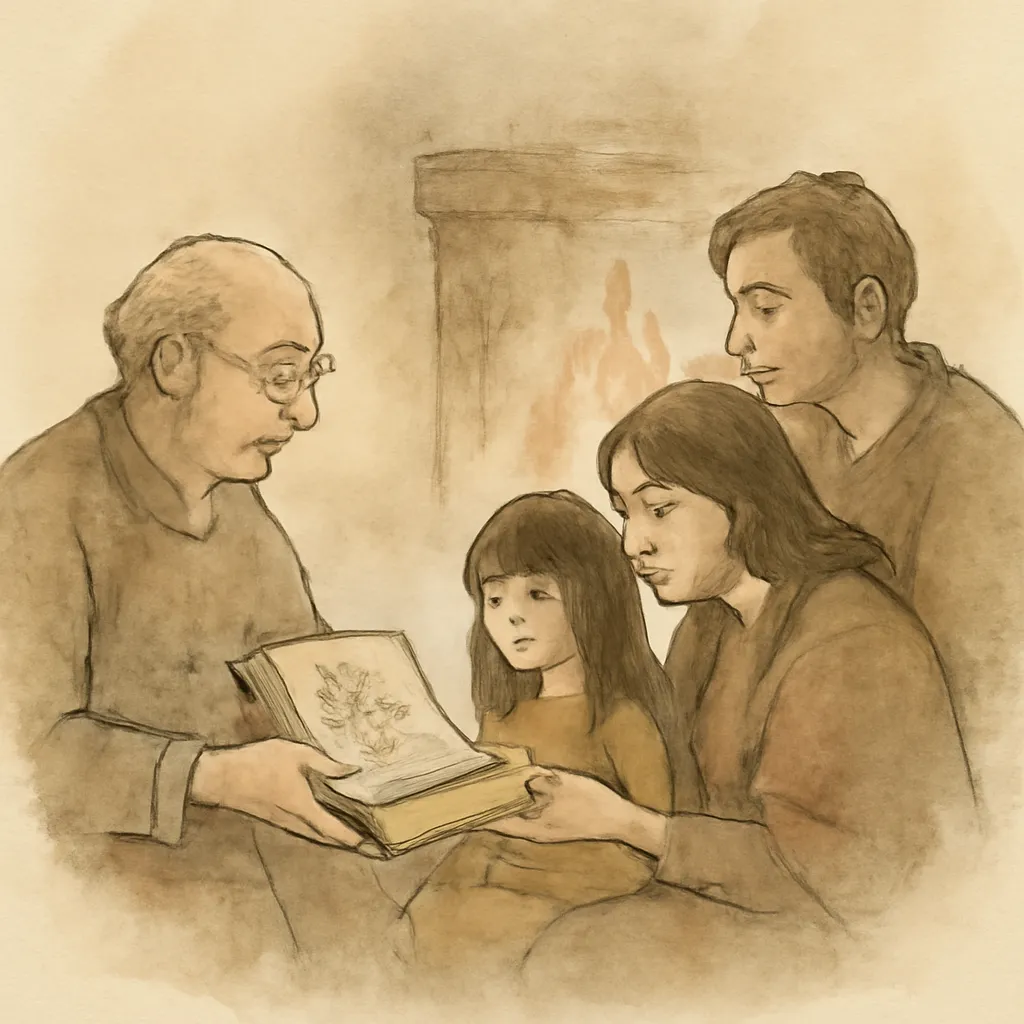
Tradition is instrumental in shaping cultural identity, as Gomme illustrates how the transmission of folklore serves as a mechanism for preserving cultural continuity across generations. He notes that the process of passing down folklore is not passive; it involves active participation from communities that adapt and shape narratives according to contemporary contexts. This adaptability allows folklore to remain relevant while retaining core elements that link it to its origins. Gomme highlights that the resilience of traditional practices reflects the dynamic nature of culture, where folklore evolves yet maintains connections to its historical roots. For instance, seasonal celebrations might adapt to include modern elements or address current societal issues while still honoring their original significance. Understanding this interplay between tradition and cultural identity is essential for appreciating the persistent influence of folklore in modern societies, as it can foster a sense of belonging and continuity among individuals within a community.
10.Folklore as a Mirror of Human Experience
Ultimately, Gomme argues that folklore serves as a profound reflection of human experience, encapsulating the values, struggles, and aspirations of communities throughout history. By analyzing folklore through various disciplinary lenses—psychological, anthropological, sociological, and ethnological—scholars can uncover deeper meanings and connections that may otherwise remain obscured. Gomme's work encourages a reevaluation of how we approach folklore, advocating for its recognition as a legitimate field of study that intersects with historical inquiry. This interdisciplinary approach fosters a richer understanding of the complexities of human culture and the narratives that shape our collective identity. Folklore thus becomes a vital tool for engaging with the past and present, revealing the enduring threads that connect us across time and culture. Gomme’s perspective emphasizes that folklore is not merely a collection of stories, but rather a living testament to human resilience and creativity, reflecting the ongoing dialogue between tradition and contemporary life.