1.The Dual Societies of Washington
De Leon paints a vivid picture of Washington D. C. in 1860, illustrating the stark contrast between two distinct societal circles. The outer circle consisted of the bustling socialites and lobbyists, who were often more concerned with their own interests than the impending conflict. In contrast, the inner circle remained aloof and unaffected, continuing their lives as if nothing was amiss. This duality highlights how the looming war was perceived differently by various social classes, with the elite often insulated from the realities faced by the common people. De Leon reflects on the influence of these social dynamics on the political landscape, suggesting that the frivolities of the outer circle contributed to a lack of urgency in addressing the impending crisis. By engaging with the narratives of both circles, he illustrates the disconnect that allowed a nation to drift toward civil war while its leaders remained preoccupied with social engagements.
2.The Cradle of the Confederacy

As De Leon recounts his journey southward, he captures the anticipation and anxiety felt by the citizens of Richmond. The city, still asleep to its coming fame, becomes a focal point of Southern pride and identity. The author describes the eagerness of the people for news and updates, illustrating a society in a state of eager expectation. The journey to Richmond is depicted in a way that conveys the excitement and uncertainty of the times, with conversations filled with speculation about the future of the Confederacy. De Leon's observations reveal a populace caught between excitement and uncertainty, grappling with the implications of secession and war. He also underscores the importance of Richmond as a symbol of Southern independence, suggesting that the city embodied the hopes and aspirations of a newly formed nation. This portrayal helps readers understand the emotional stakes involved as the Confederacy sought to assert its identity against the backdrop of a civil war.
3.Congress and the Confusion of Governance
The author critiques the early Confederate Congress, describing it as a body lacking the gravitas and decisiveness expected in times of crisis. De Leon points out the disorganization and inefficiency that plagued the government as it struggled to transition from a collection of states to a unified entity. The Congress, instead of focusing on military preparedness, appeared more concerned with internal politics and personal ambitions, which resulted in missed opportunities for effective governance. De Leon illustrates this through anecdotes of legislative debates that often seemed trivial in the face of impending conflict. This critique serves to highlight a significant weakness in the Confederate leadership during the early stages of the war, suggesting that the failure to establish a robust government structure contributed to the challenges faced by the Confederacy. By detailing the shortcomings of Congress, De Leon emphasizes the necessity for strong leadership and direction, especially when a nation is on the brink of war.
4.The Awakening of Southern Resolve
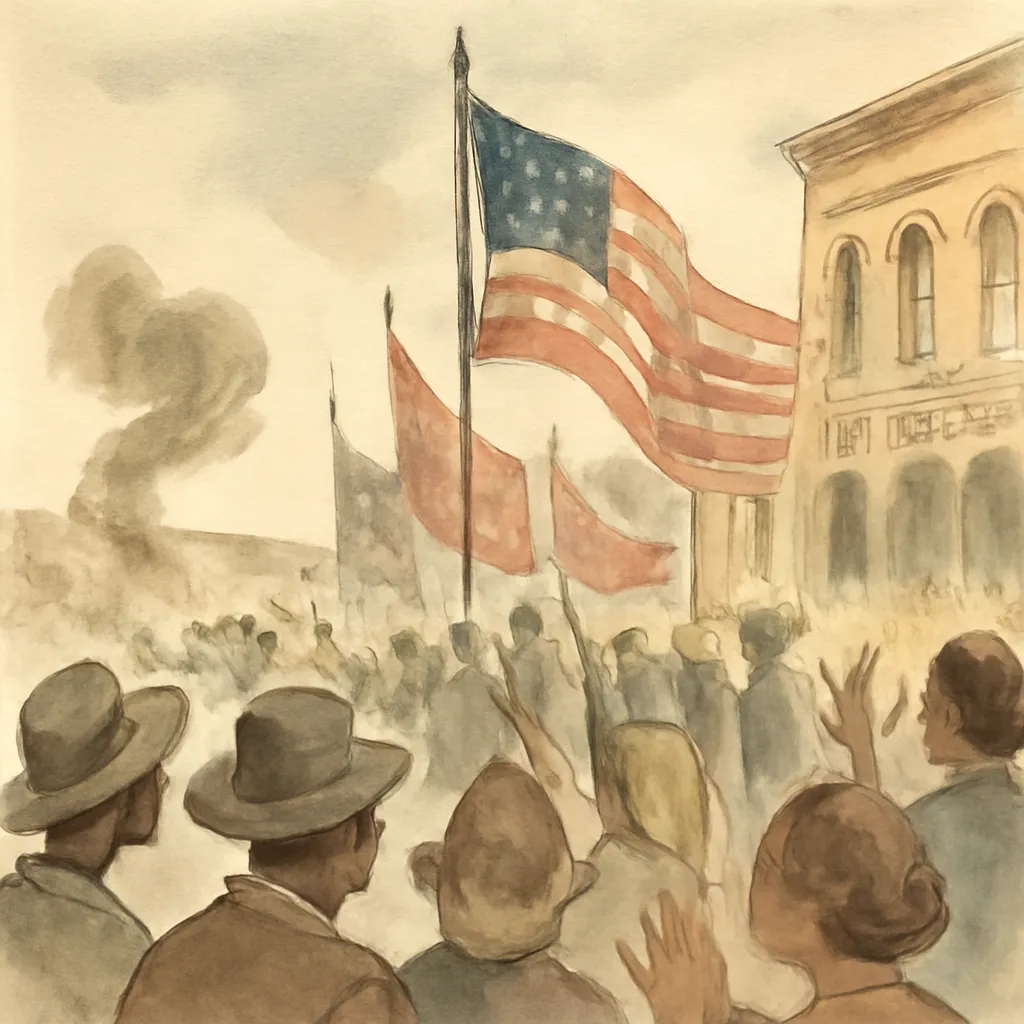
The fall of Fort Sumter marks a pivotal moment in De Leon's narrative, igniting a wave of enthusiasm and patriotic fervor throughout the South. The author captures the jubilation in Montgomery as citizens celebrated what they perceived as a monumental victory. However, he contrasts this initial exuberance with the sobering reality that the true test of the Confederacy lay ahead. De Leon emphasizes the dichotomy between the optimism of the Southern populace and the grim understanding of military necessity among its leaders. He narrates the celebrations filled with bonfires, parades, and speeches, illustrating a society galvanized by a sense of righteous purpose. Yet, beneath this surface excitement, there lay an awareness of the harsh realities of war that would soon unfold. This foreshadowing of the hardships to come serves as a poignant reminder of the complexities of war, where initial victories can quickly lead to devastating losses and societal upheaval.
5.Life Afloat on Southern Riverboats
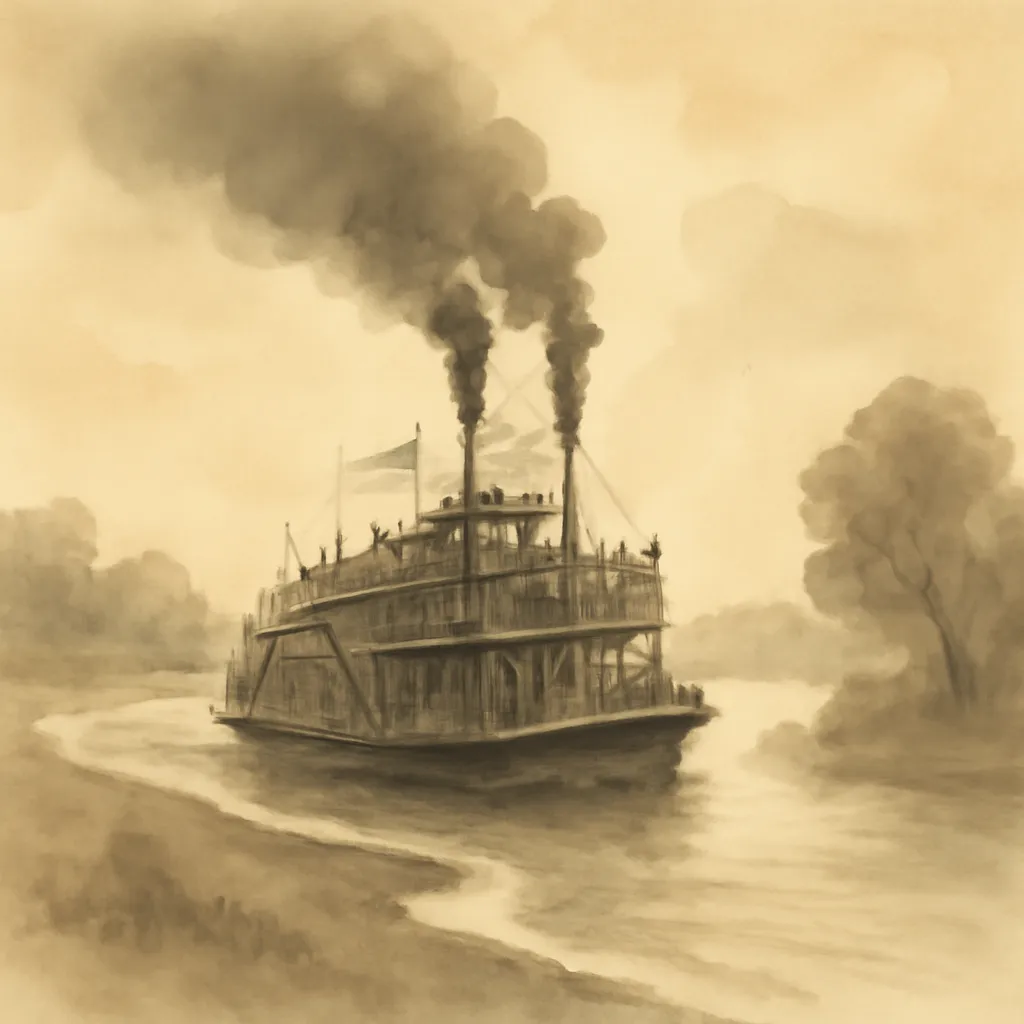
De Leon provides a captivating account of life aboard the riverboats that traversed the Southern waterways. He vividly describes the unique architecture and design of these vessels, which were essential for transporting goods and people during the war. The author shares anecdotes of camaraderie among passengers, the lively atmosphere, and the challenges faced by riverboat crews. He highlights the cultural significance of these boats, as they became floating microcosms of Southern society, blending different classes and backgrounds. De Leon delves into the interactions between passengers, including soldiers, merchants, and families, illustrating the rich tapestry of life on the rivers. These narratives accentuate how river travel served as a vital lifeline during the war, impacting commerce, communication, and the social dynamics of the Confederate South. Through his descriptions, readers gain a sense of the pulse of life in the South, where even the waterways became arenas for human connection and cultural exchange amid the chaos of conflict.
6.The Grit of Mobile in Wartime
Mobile emerges as a city alive with energy and determination as it prepares for war. De Leon captures the spirit of the citizens who, despite the looming threat of conflict, rallied to support their cause. The author details the enlistment of various social classes, from wealthy merchants to laborers, all eager to defend their homeland. This collective effort reflects a society united by a common purpose, showcasing the resolve and resilience of the Southern people. De Leon captures the fervent discussions in public spaces, where men and women strategized and shared news about troop movements and resources. The spirit of camaraderie is palpable, as families and friends rallied to support the soldiers, sending them off with heartfelt goodbyes and tokens of good luck. This portrayal of Mobile serves as a testament to the strength of community in times of adversity, emphasizing the human capacity for courage and sacrifice in the face of overwhelming odds.
7.New Orleans: The Heart of Commerce
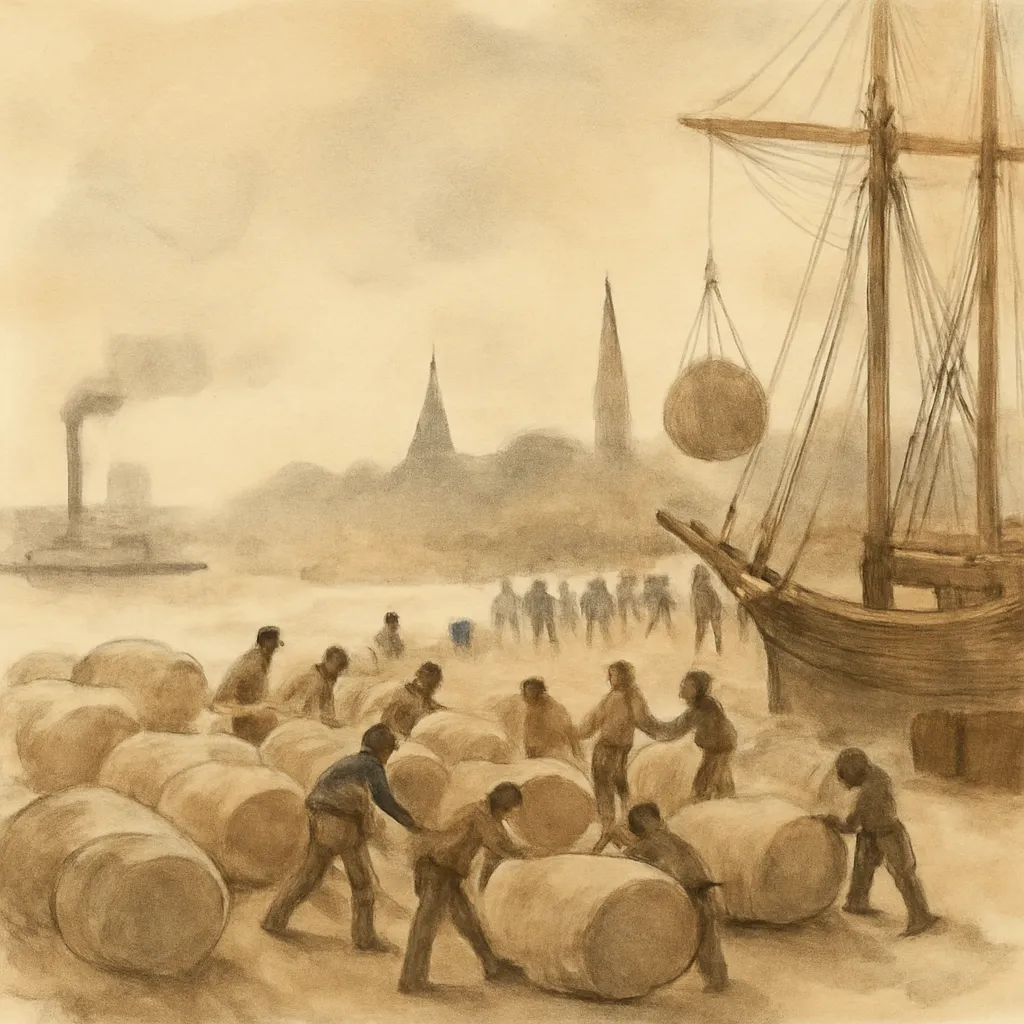
In his exploration of New Orleans, De Leon highlights the city's unique position as a commercial hub during the war. He describes its bustling economy, driven by the lucrative cotton trade, and the complex relationships between planters and their factors. The author emphasizes the cultural richness of the city, influenced by its Creole and French heritage, which contributed to its vibrant social fabric. The streets of New Orleans come alive through De Leon's descriptions of the lively markets, music, and social gatherings that characterized daily life. However, beneath the surface of prosperity, De Leon reveals the challenges posed by the war, including blockades and economic strain that threatened the city's livelihood. This duality of wealth and hardship illustrates the broader impact of the conflict on Southern cities, where commerce and culture were inextricably linked to the war's progression. The author invites readers to consider how the war transformed not only the economy but also the identities of cities like New Orleans.
8.The Struggles of Camp Life
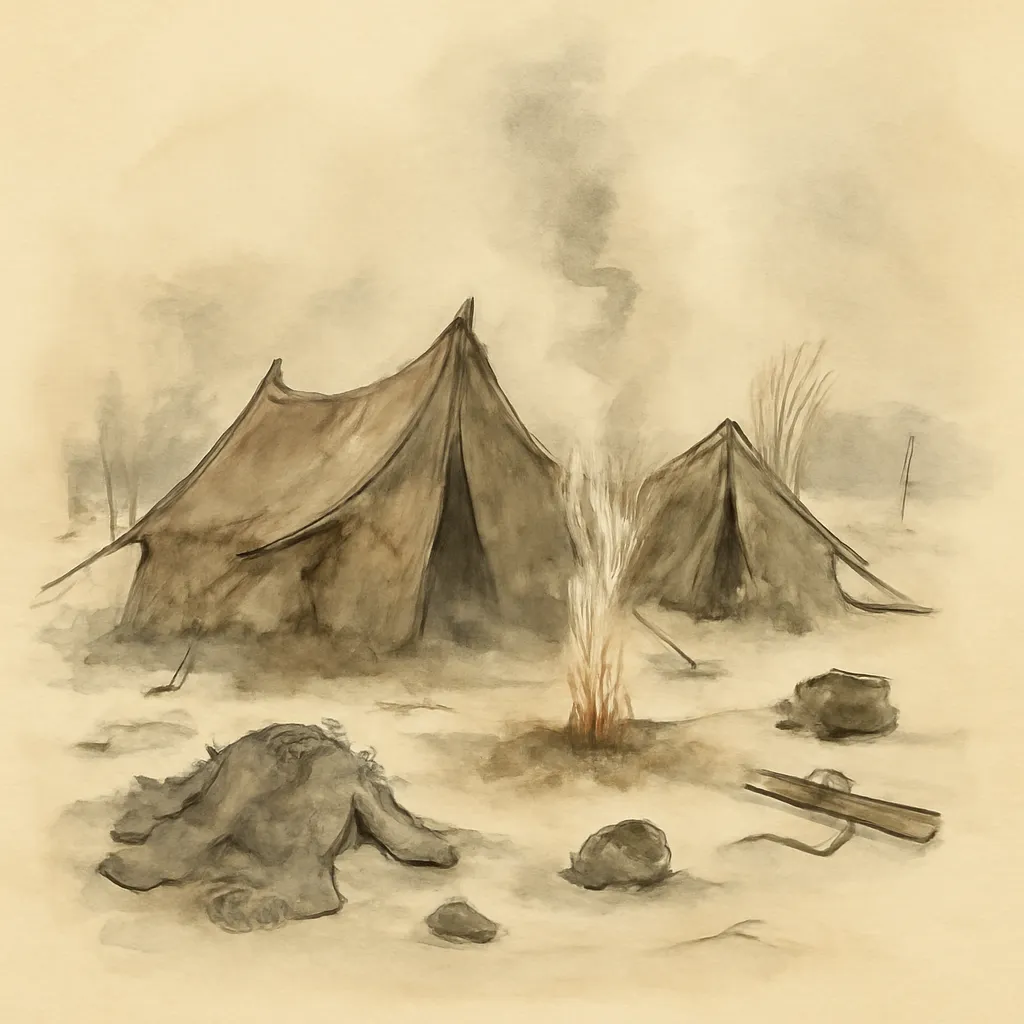
De Leon provides a stark depiction of life in the Confederate camps, where soldiers faced not only the enemy but also the harsh realities of military life. He describes the demoralizing effects of winter quarters, where troops experienced physical and psychological hardships. Soldiers endured cold, damp conditions that took a toll on their health and spirits, often leading to rampant illness and discontent. The author illustrates these challenges through personal accounts of soldiers grappling with the realities of hunger, exposure, and the strain of prolonged inactivity. De Leon underscores the importance of leadership in maintaining morale, as some commanders implemented strategies to keep their men engaged and active. The tension between the soldiers' yearning for action and the stagnation of camp life highlights the psychological toll of war beyond the battlefield. This exploration of camp life offers a nuanced understanding of the soldiers' experiences, emphasizing the human cost of war as they navigated not only the dangers of conflict but also the struggles of survival and camaraderie.
9.The Ebb and Flow of Southern Morale
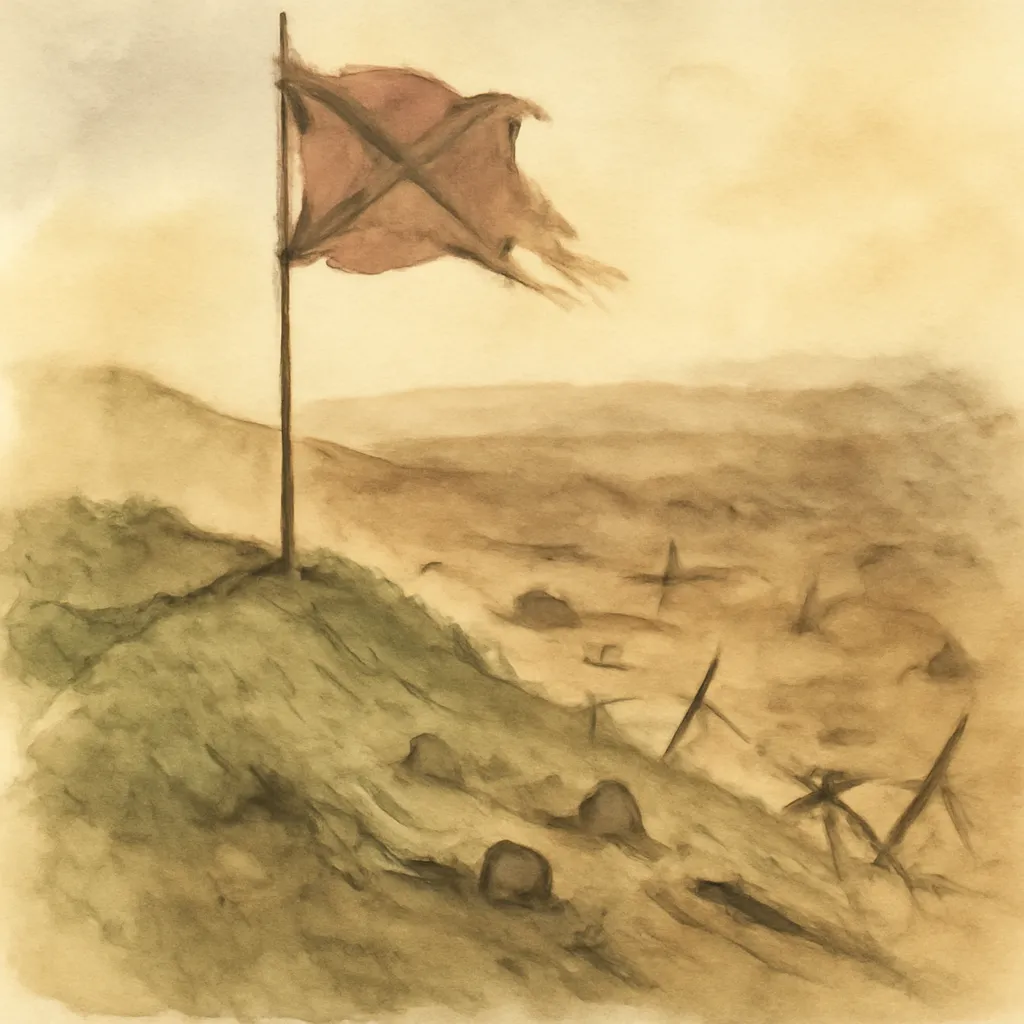
Throughout the narrative, De Leon captures the fluctuations in Southern morale as victories and defeats shaped public sentiment. He discusses the initial exuberance following victories at battles like Manassas, which quickly turned to despair as the realities of war set in. De Leon illustrates how the populace grappled with a growing sense of futility in the face of mounting losses, leading to a crisis of confidence in their leadership. The author reflects on the despair that permeated the communities as news of defeats spread, detailing the emotional toll taken on families and soldiers alike. He presents poignant anecdotes of families receiving news of fallen soldiers, capturing the profound sense of loss and grief that swept through the South. This examination of morale serves as a reminder of the psychological toll of war, extending beyond the physical battles fought on the front lines, as De Leon emphasizes the interconnectedness of personal and collective trauma that defined this era.
10.The Role of Women in the Confederacy
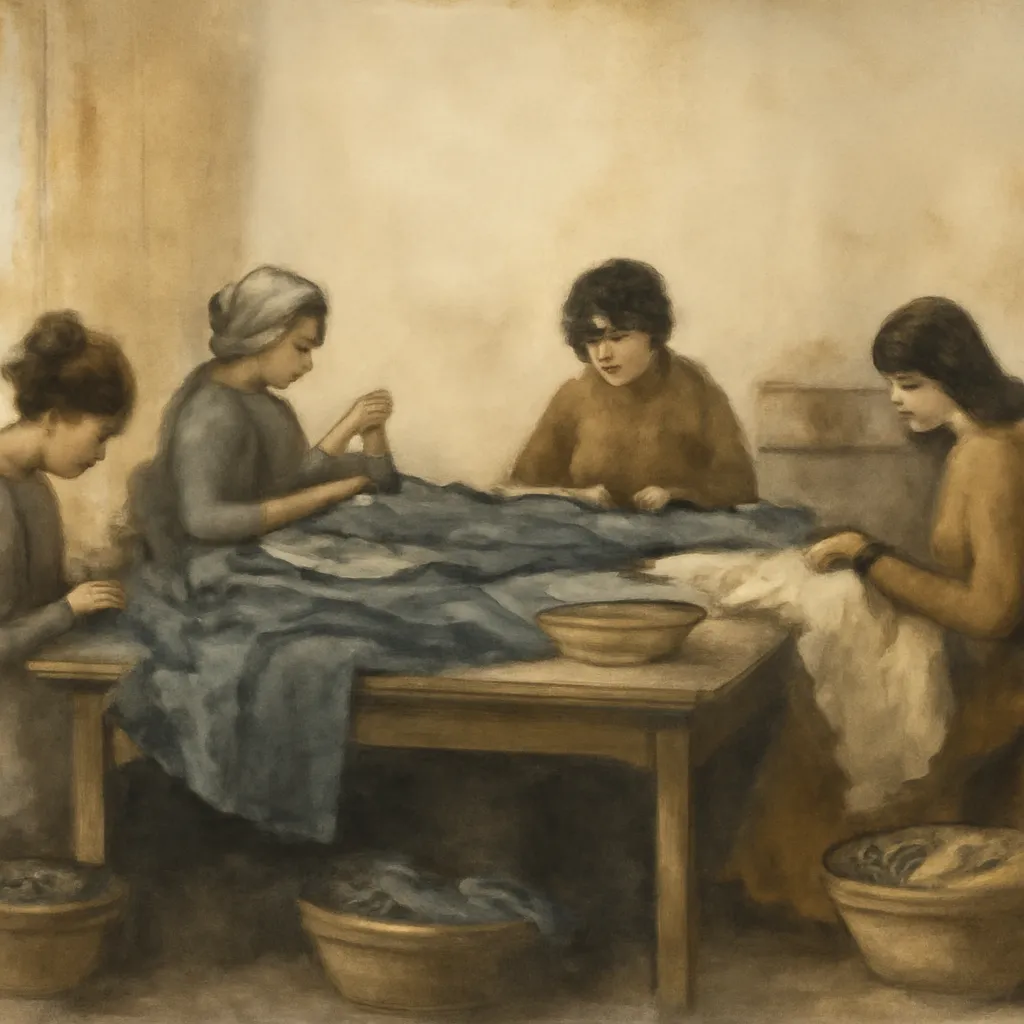
De Leon acknowledges the crucial role women played during the war, as they took on new responsibilities and supported the war effort in various capacities. He describes the emergence of sewing circles and fundraising initiatives, where women contributed to supplying soldiers with necessities. The author highlights the emotional labor involved as women cared for wounded soldiers and maintained their households in the absence of men. Through the lens of women's experiences, De Leon illustrates the shifting gender roles brought about by the war, as women stepped into roles traditionally held by men. This portrayal of women's contributions underscores their resilience and agency, challenging traditional gender roles of the time. De Leon's insights into the lives of women during the war reflect a broader narrative of sacrifice and strength, reminding readers that the war impacted every facet of Southern life. Their efforts not only provided material support for the soldiers but also fostered a sense of community and solidarity among women left behind.