Experience the tumultuous life and struggles within the Southern Confederacy during the Civil War through vivid personal narratives and observations
Read full overviewShow less›
In 'Four Years in Rebel Capitals,' T.C. De Leon takes readers on an evocative journey through the heart of the Confederate South during the American Civil War. Drawing from his own experiences and memories, De Leon captures the essence of life in the Southern capitals—Richmond, Montgomery, New Orleans, and Mobile—against the backdrop of war. This book presents a unique perspective that goes beyond the battles and politics, delving into the everyday lives of the people affected by the conflict. Readers will gain insight into the societal changes, emotional turmoil, and the resilience of the Southern populace as they navigate the chaos of war and its aftermath.
T.C. De Leon's 'Four Years in Rebel Capitals' offers a rich, personal exploration of life in the Southern Confederacy during the Civil War. Through vivid anecdotes and detailed observations, De Leon reveals the complexities of Southern society as it faced unprecedented challenges. The book serves not only as a historical account but also as a testament to the resilience of the human spirit in times of turmoil. By highlighting the interplay of social dynamics, governance, and personal experiences, De Leon provides readers with a nuanced understanding of the war's impact on individuals and communities. Ultimately, this work underscores the importance of remembering the human stories behind historical events, reminding us that the past continues to shape our present.

Ratings at a glance
- 1The Dual Societies of Washington
- 2The Cradle of the Confederacy
- 3Congress and the Confusion of Governance
- 4The Awakening of Southern Resolve
- 5Life Afloat on Southern Riverboats
Notable quotes
“Who shall rise up and write the secret history of that wonderful committee and of the ways and means it used to prey impartially upon government and client?”
“Even in their present condensation and revision, they claim only to be simple memoranda of the result of great events; and of their reaction upon the mental and moral tone of the southern people.”
“The states went out of the union, separately and at different periods, by the action of conventions.”
A glimpse inside

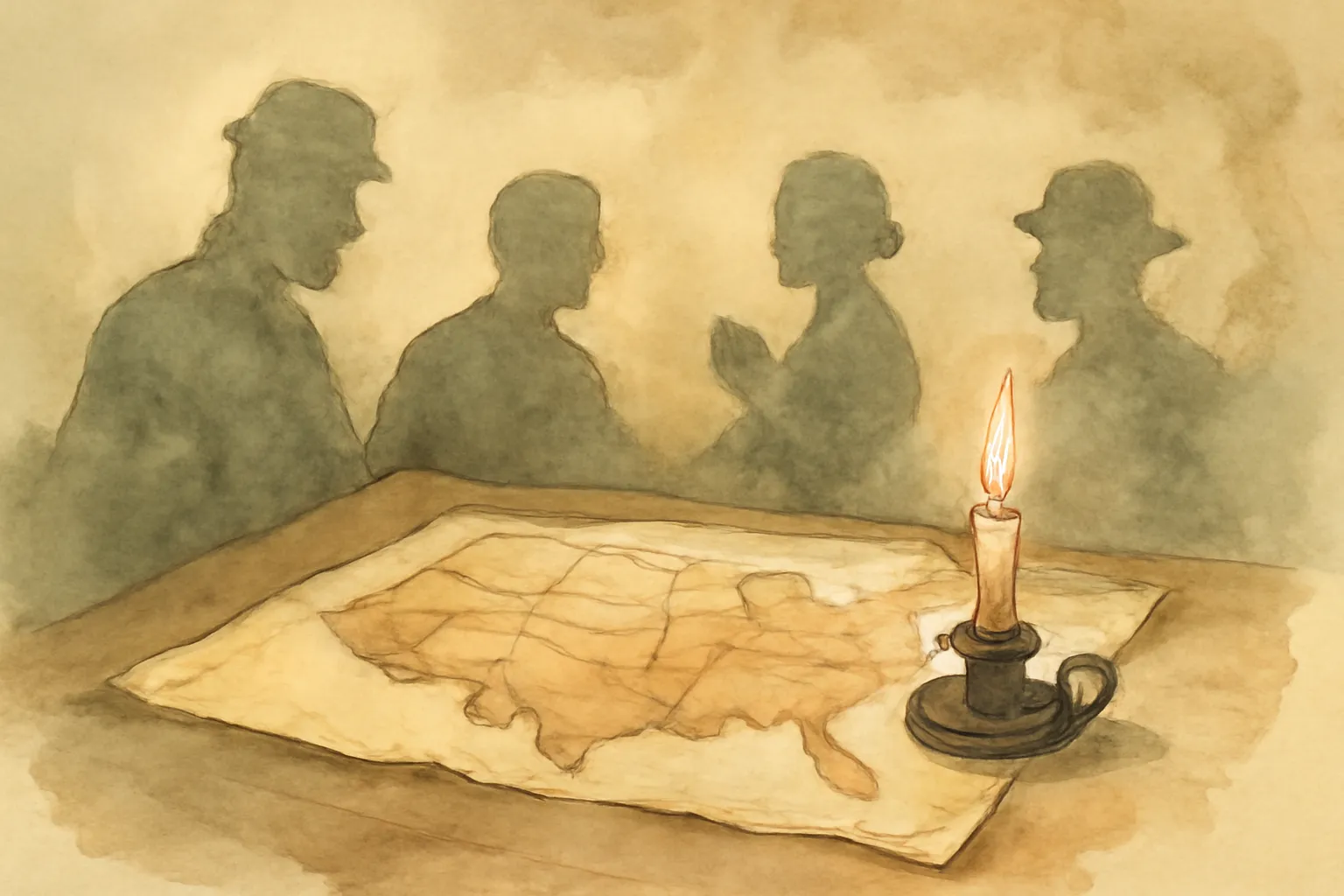
De Leon paints a vivid picture of Washington D.C. in 1860, illustrating the stark contrast between two distinct societal circles. Read moreDe Leon paints a vivid picture of Washington D.C. in 1860, illustrating the stark contrast between two distinct societal circles. The outer circle consisted of the bustling socialites and lobbyists, who were often more concerned with their own interests than the impending conflict. In contrast, the inner circle remained aloof and unaffected, continuing their lives as if nothing was amiss. This duality highlights how the looming war was perceived differently by various social classes, with the elite often insulated from the realities faced by the common people. De Leon reflects on the influence of these social dynamics on the political landscape, suggesting that the frivolities of the outer circle contributed to a lack of urgency in addressing the impending crisis. By engaging with the narratives of both circles, he illustrates the disconnect that allowed a nation to drift toward civil war while its leaders remained preoccupied with social engagements. Show less
As De Leon recounts his journey southward, he captures the anticipation and anxiety felt by the citizens of Richmond. The city, still asleep to its coming fame, becomes a… Read moreAs De Leon recounts his journey southward, he captures the anticipation and anxiety felt by the citizens of Richmond. The city, still asleep to its coming fame, becomes a focal point of Southern pride and identity. The author describes the eagerness of the people for news and updates, illustrating a society in a state of eager expectation. The journey to Richmond is depicted in a way that conveys the excitement and uncertainty of the times, with conversations filled with speculation about the future of the Confederacy. De Leon's observations reveal a populace caught between excitement and uncertainty, grappling with the implications of secession and war. He also underscores the importance of Richmond as a symbol of Southern independence, suggesting that the city embodied the hopes and aspirations of a newly formed nation. This portrayal helps readers understand the emotional stakes involved as the Confederacy sought to assert its identity against the backdrop of a civil war. Show less
Read the full text — free
About the author
Read T. C. De Leon's work free on Lumina — the complete text plus an 8-minute summary and key ideas, no account needed