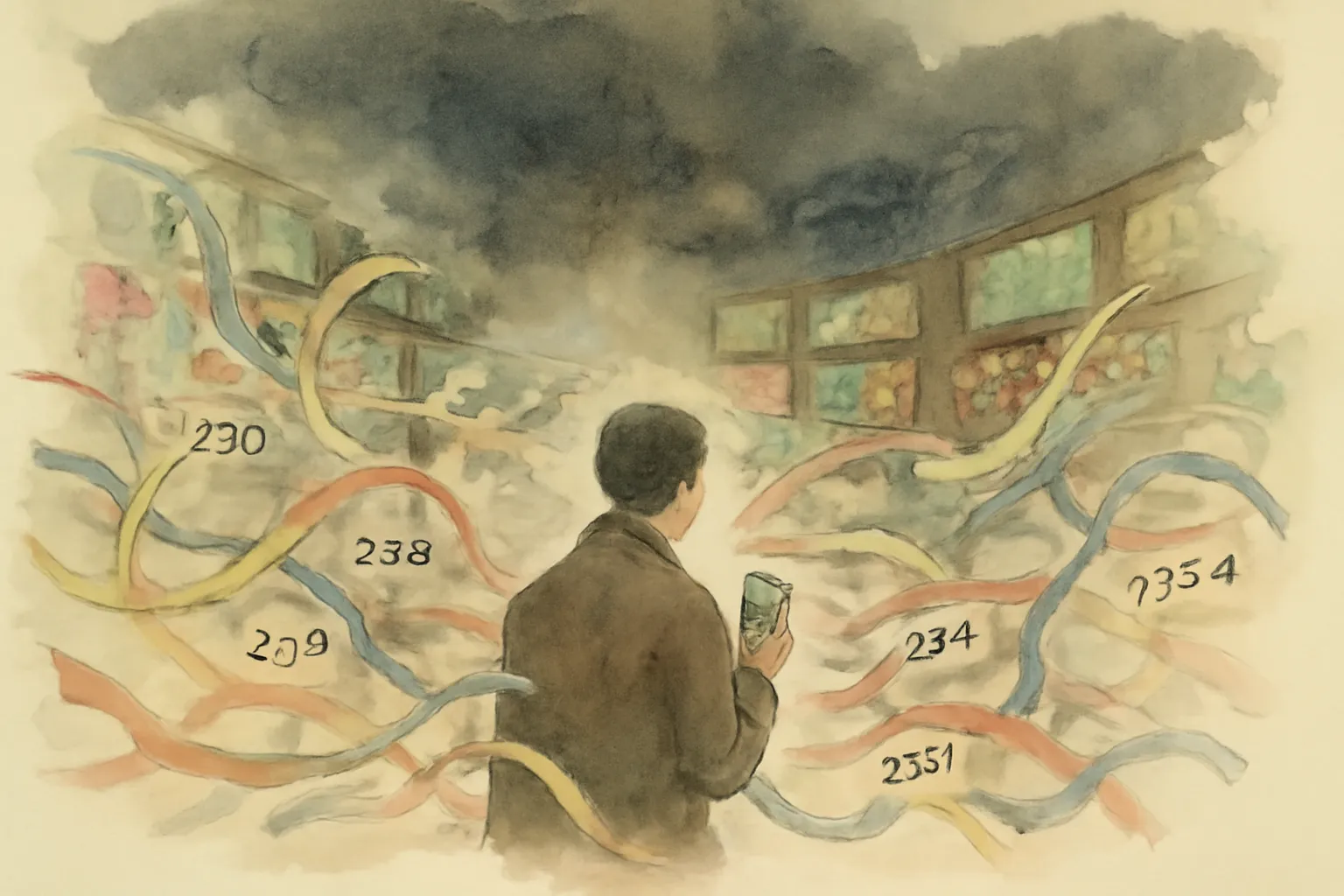
1.The Chaos of the Stock Exchange
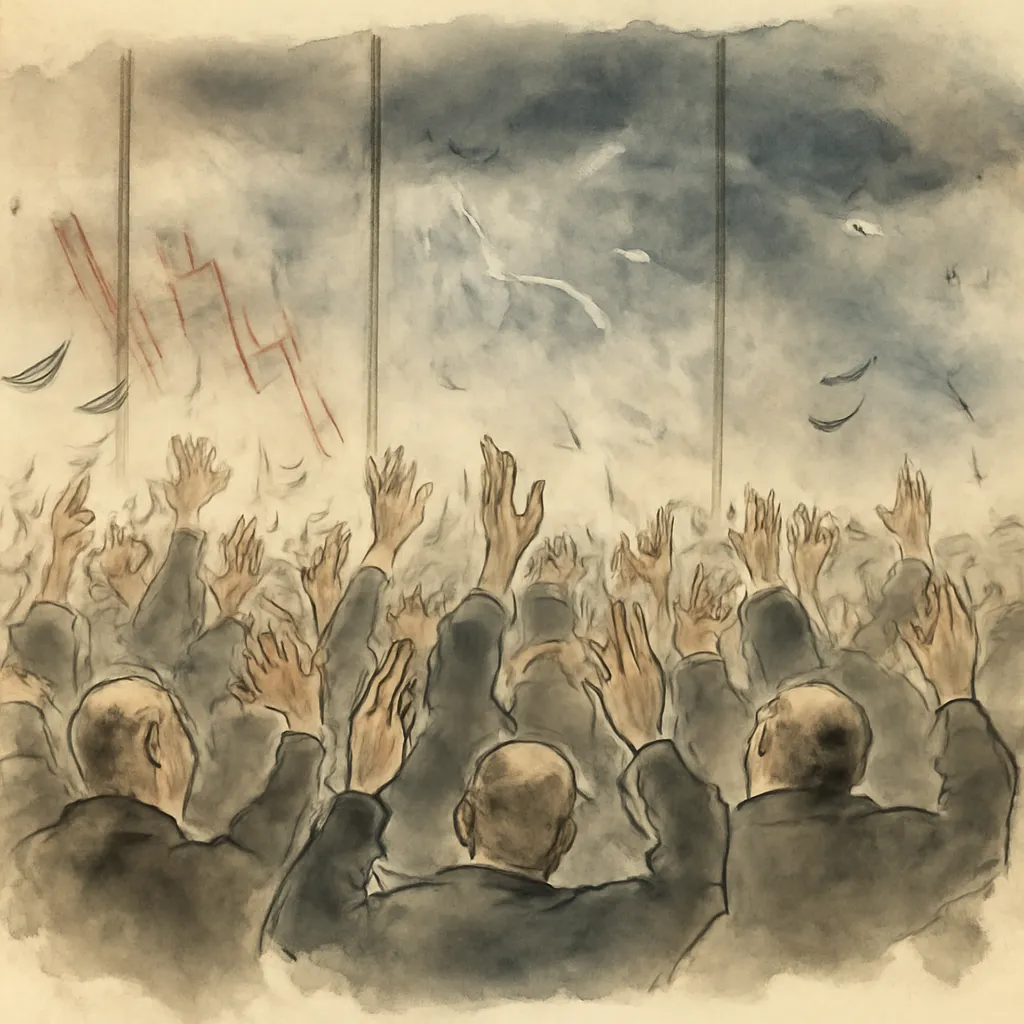
The Stock Exchange is portrayed as a chaotic battleground where traders grapple with fear and greed. On 'Friday, the 13th,' the atmosphere is electric with tension as Bob Brownley’s erratic behavior sends shockwaves through the floor. The author vividly describes the frantic pace of trading, illustrating how a single individual's actions can ignite widespread panic. The scene is set with Brownley’s furious orders to sell, as he unleashes a torrent of stock onto the market, creating a frenzy that echoes throughout Wall Street. This chaos serves as a microcosm of the larger economic forces at play, highlighting how the emotional states of traders can significantly influence market dynamics. Lawson emphasizes that the nature of the Exchange is driven by collective psychology, where individual fears can create a ripple effect, leading to mass hysteria or euphoria. This depiction serves to underline the volatility of the financial markets and the precariousness of wealth.
2.The Power of Superstition

Superstition plays a central role in the narrative, with 'Friday, the 13th' symbolizing bad luck and foreboding. Lawson uses this motif to explore how irrational beliefs can shape human behavior and decisions, particularly in high-stakes environments like the Stock Exchange. Bob Brownley’s awareness of the day’s significance drives him into a frenzied state, where his fear of failure manifests in reckless trading. This interplay between superstition and financial decision-making illustrates the psychological undercurrents that can lead to catastrophic results. The novel suggests that even the most rational individuals can be swayed by deep-seated fears, ultimately questioning the role of fate in financial success. Through Bob's experience, readers witness how superstition magnifies anxieties, leading to impulsive actions that might otherwise be avoided. Lawson's exploration of this theme invites readers to reflect on the impact of belief systems on one’s choices, especially in the unpredictable world of finance.
3.Love and Ambition Intertwined

The relationship between Bob Brownley and Beulah Sands serves as a poignant backdrop to the financial drama. Their love story is fraught with complications, as Bob's ambition often clashes with his emotional turmoil. Beulah, portrayed as a diligent and intelligent woman, becomes a source of both inspiration and concern for Bob. Her desire for honesty and integrity stands in stark contrast to Bob's increasingly dubious methods of acquiring wealth. Lawson crafts their dynamic with sensitivity, showing how personal relationships can be affected by external pressures, such as the relentless pursuit of success in the cutthroat world of finance. Beulah's character is not just a romantic interest; she represents the moral compass that Bob often strays from. This theme underscores the idea that love can both uplift and complicate one’s ambitions, leading to profound internal conflicts. Their relationship highlights the sacrifices individuals make when personal aspirations and romantic desires collide, illustrating the emotional stakes involved in both love and ambition.
4.The Consequences of Recklessness

Bob's reckless trading strategies demonstrate the dangers of impulsive decision-making in the financial world. As he becomes consumed by his desire to win back lost fortunes, he engages in increasingly risky behavior, which not only jeopardizes his career but also the financial stability of those around him. Lawson captures the heightened tension of these moments, emphasizing how one man’s choices can have cascading effects on the broader market. The fallout from Bob’s decisions serves as a cautionary tale about the fragility of wealth and the ease with which it can be lost. The narrative exposes the tension between the thrill of speculation and the grim reality of financial ruin, providing vivid examples of how greed can lead to ruinous outcomes. Bob’s trajectory is marked by a series of poor decisions, reflecting the precarious balance between ambition and caution in the high-stakes world of finance. Ultimately, this theme serves as a reminder that the pursuit of wealth must be tempered with prudence and foresight.
5.The Role of Gender in Finance

The novel subtly addresses the gender dynamics present in the financial sector during the early 20th century. Beulah Sands, as a female character navigating a male-dominated environment, represents both the challenges and potential for women in finance. Her character is depicted as competent and capable, yet she faces societal limitations that restrict her agency. Lawson uses Beulah's story to comment on the broader issues of gender inequality, suggesting that women can possess the acumen to succeed in finance but are often held back by systemic barriers. This nuanced portrayal adds depth to the narrative, inviting readers to reflect on the evolving role of women in business and the importance of inclusivity in all fields. Through Beulah's experiences, the author highlights the intersection of gender and ambition, illustrating the struggles women face in asserting their place in a patriarchal society. This theme resonates with contemporary discussions about gender equity in the workplace, making the novel relevant to modern audiences.
6.Friendship and Loyalty in Crisis
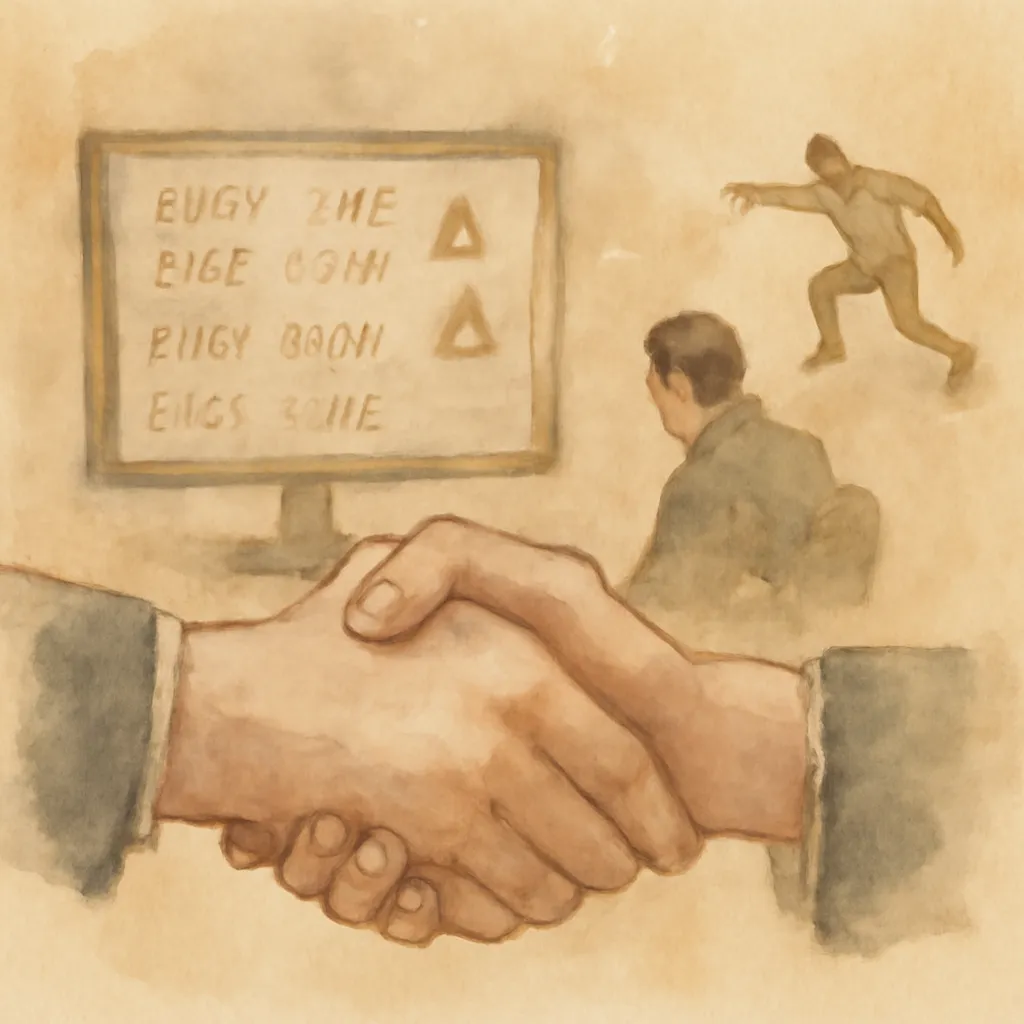
Amidst the chaos of the Stock Exchange, the bonds of friendship and loyalty among traders emerge as crucial themes in the face of crisis. The character of Mr. Randolph, who strives to support Bob amidst the turmoil, embodies the ideals of camaraderie and loyalty. His willingness to intervene during Bob's reckless trading reflects the notion that true friendship entails looking out for one another, even when faced with dire consequences. Lawson illustrates how relationships can be tested during moments of high stress, revealing the strength of human connection in navigating adversity. The tension between personal loyalty and professional integrity is a recurring theme, as Bob grapples with the implications of his actions on those he cares about. This exploration underscores the idea that in times of turmoil, the support of friends can be a lifeline, highlighting the importance of community in overcoming challenges. The narrative suggests that loyalty can be both a source of strength and a potential pitfall, complicating the characters' decisions and outcomes.
7.The Illusion of Control

As Bob navigates the treacherous waters of the Stock Exchange, he grapples with the illusion of control over his fate. His attempts to manipulate the market reflect a deeper desire to assert dominance over circumstances that are inherently unpredictable. Lawson highlights the futility of this pursuit, illustrating how external factors and the whims of fate can derail even the most calculated plans. Bob's realization that he cannot control the outcome of every trade serves as a powerful commentary on the nature of risk in finance. This theme resonates with anyone who has faced uncertainty, emphasizing that surrendering to the unpredictability of life can sometimes lead to unexpected outcomes. The novel illustrates that ambition without humility can lead to downfall, as Bob's overconfidence blinds him to the realities of the market. This exploration of control and unpredictability is a central tenet of Lawson's narrative, urging readers to consider the limits of human agency in the face of larger forces.
8.Redemption Through Sacrifice

In the aftermath of the chaos, Bob's journey evolves into one of redemption through sacrifice. His initial motives, driven by ambition and love, transform as he confronts the consequences of his actions. Lawson crafts a narrative arc that leads Bob to make the ultimate sacrifice for the sake of those he loves, showcasing the profound impact of personal growth. This theme of redemption is intricately woven into the fabric of the story, illustrating that even in the darkest moments, individuals have the capacity to change and seek forgiveness. Through Bob’s struggles, readers witness the transformative power of love and the lengths one will go to find redemption. The narrative serves as a poignant reminder that true fulfillment often comes not from wealth, but from the relationships we cultivate and the sacrifices we make for those we care about. This theme resonates deeply, inviting readers to reflect on their own values and the importance of making amends in the pursuit of a meaningful life.
9.The Nature of Fate and Fortune

At its core, 'Friday, the Thirteenth' delves into the complex interplay between fate and fortune. Lawson presents a world where chance events can alter the course of lives and fortunes, questioning whether individuals truly have agency in their destinies. The recurring motif of superstition highlights the characters' struggles against forces beyond their control, suggesting that fate often has the final say. Bob's journey is emblematic of this tension, as he oscillates between moments of triumph and despair. This exploration invites readers to reflect on their beliefs about fate and the extent to which they can shape their own futures amidst the unpredictability of life. Lawson’s narrative suggests that while individuals may strive to forge their destinies, they remain subject to the whims of chance and circumstance. Through Bob’s experiences, the novel poses profound questions about the nature of success, failure, and the role of fate in shaping our lives. Ultimately, it encourages readers to ponder the balance between personal agency and the forces that govern existence.