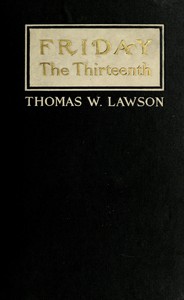

In a world where superstition and finance collide, one man's gamble on a fateful day could reshape Wall Street forever
Read full overviewShow less›
Thomas William Lawson's 'Friday, the Thirteenth' weaves a gripping narrative through the treacherous landscape of the Stock Exchange, where fortunes are made and lost in the blink of an eye. The story centers on Bob Brownley, a trader whose reckless ambition and emotional turmoil bring him to a breaking point on a day marked by superstition. As the narrative unfolds, readers are drawn into the chaotic world of stock trading, where the stakes are high and the consequences of decisions ripple through lives and fortunes. Lawson captures the essence of human nature when faced with greed, love, and despair, revealing how the intersection of personal and financial crises can lead to extraordinary outcomes. This tale is not just about stocks and trades; it's a profound exploration of the human condition in the face of fate and fortune.
Ultimately, 'Friday, the Thirteenth' stands as a compelling exploration of the intersection between personal ambition, love, and the unpredictable nature of fate. Lawson crafts a narrative that not only captivates readers with its portrayal of the frenetic world of finance but also delves into the emotional depths of his characters. The themes of superstition, sacrifice, and the search for redemption resonate deeply, reminding us that our choices can have far-reaching consequences. In a world where fortunes can change in an instant, the novel serves as a poignant reflection on the fragility of success and the enduring power of human connection. It challenges readers to consider their own beliefs about fate and fortune, leaving them with lingering questions about the nature of risk and the complexities of life.
- 1The Chaos of the Stock Exchange
- 2The Power of Superstition
- 3Love and Ambition Intertwined
- 4The Consequences of Recklessness
- 5The Role of Gender in Finance
Notable quotes
“‘Friday, the 13th; I thought as much. If Bob has started, there will be hell, but I will see what I can do.’”
“‘Yes, Beulah, I have done it single-handed. I have crucified Camemeyer, ‘Standard Oil,’ and the ‘System’ that spiked me to the cross a few weeks ago.’”
“‘Bob, you are unnerved,’ she said; ‘you have been through a terrible ordeal.’”
A glimpse inside

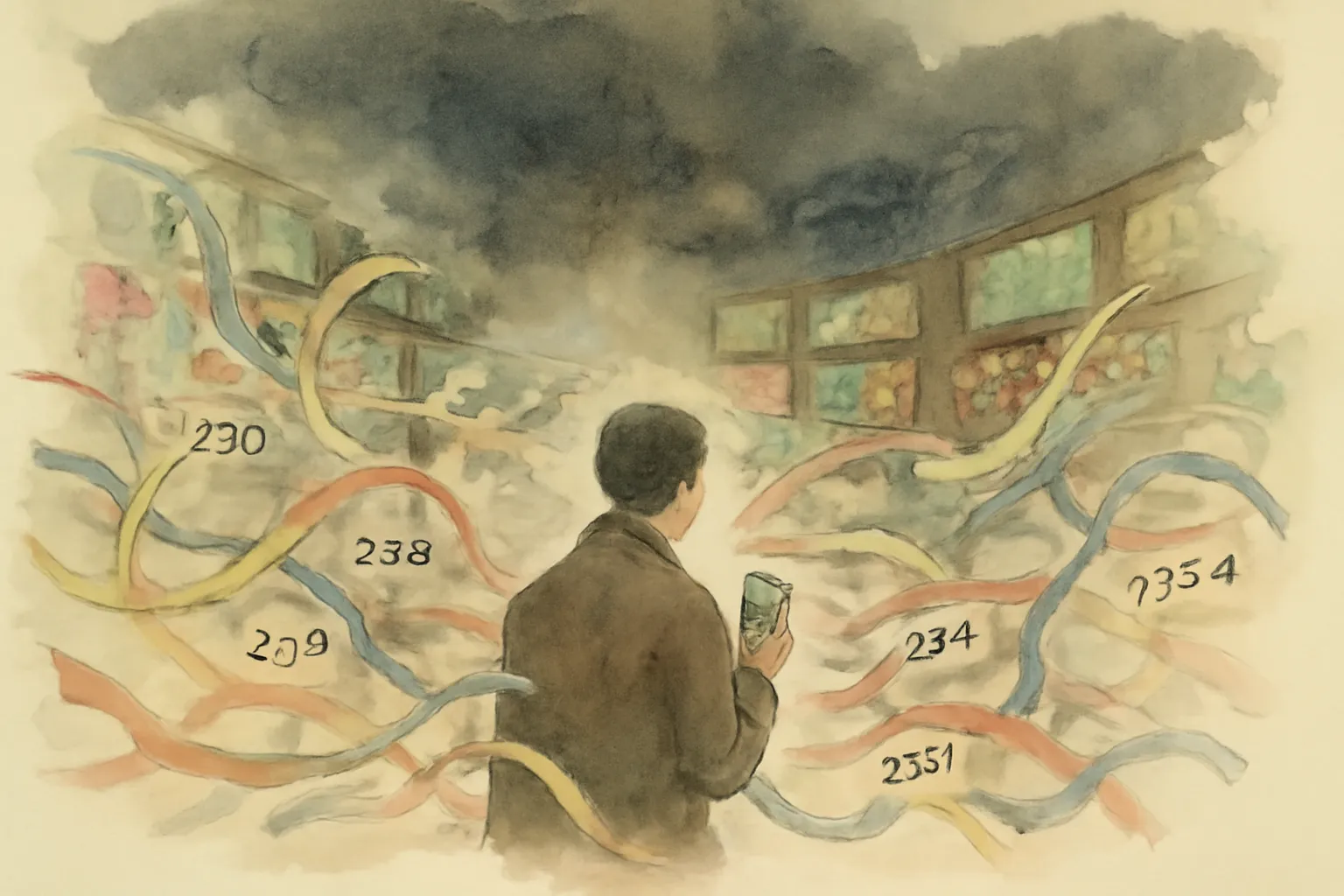
The Stock Exchange is portrayed as a chaotic battleground where traders grapple with fear and greed. On 'Friday, the 13th,' the atmosphere is electric with tension as Bob… Read moreThe Stock Exchange is portrayed as a chaotic battleground where traders grapple with fear and greed. On 'Friday, the 13th,' the atmosphere is electric with tension as Bob Brownley’s erratic behavior sends shockwaves through the floor. The author vividly describes the frantic pace of trading, illustrating how a single individual's actions can ignite widespread panic. The scene is set with Brownley’s furious orders to sell, as he unleashes a torrent of stock onto the market, creating a frenzy that echoes throughout Wall Street. This chaos serves as a microcosm of the larger economic forces at play, highlighting how the emotional states of traders can significantly influence market dynamics. Lawson emphasizes that the nature of the Exchange is driven by collective psychology, where individual fears can create a ripple effect, leading to mass hysteria or euphoria. This depiction serves to underline the volatility of the financial markets and the precariousness of wealth. Show less
Superstition plays a central role in the narrative, with 'Friday, the 13th' symbolizing bad luck and foreboding. Lawson uses this motif to explore how irrational beliefs… Read moreSuperstition plays a central role in the narrative, with 'Friday, the 13th' symbolizing bad luck and foreboding. Lawson uses this motif to explore how irrational beliefs can shape human behavior and decisions, particularly in high-stakes environments like the Stock Exchange. Bob Brownley’s awareness of the day’s significance drives him into a frenzied state, where his fear of failure manifests in reckless trading. This interplay between superstition and financial decision-making illustrates the psychological undercurrents that can lead to catastrophic results. The novel suggests that even the most rational individuals can be swayed by deep-seated fears, ultimately questioning the role of fate in financial success. Through Bob's experience, readers witness how superstition magnifies anxieties, leading to impulsive actions that might otherwise be avoided. Lawson's exploration of this theme invites readers to reflect on the impact of belief systems on one’s choices, especially in the unpredictable world of finance. Show less
Read the full text — free
About the author
Read Thomas William Lawson's work free on Lumina — the complete text plus an 8-minute summary and key ideas, no account needed