1.The Legacy of Feudalism
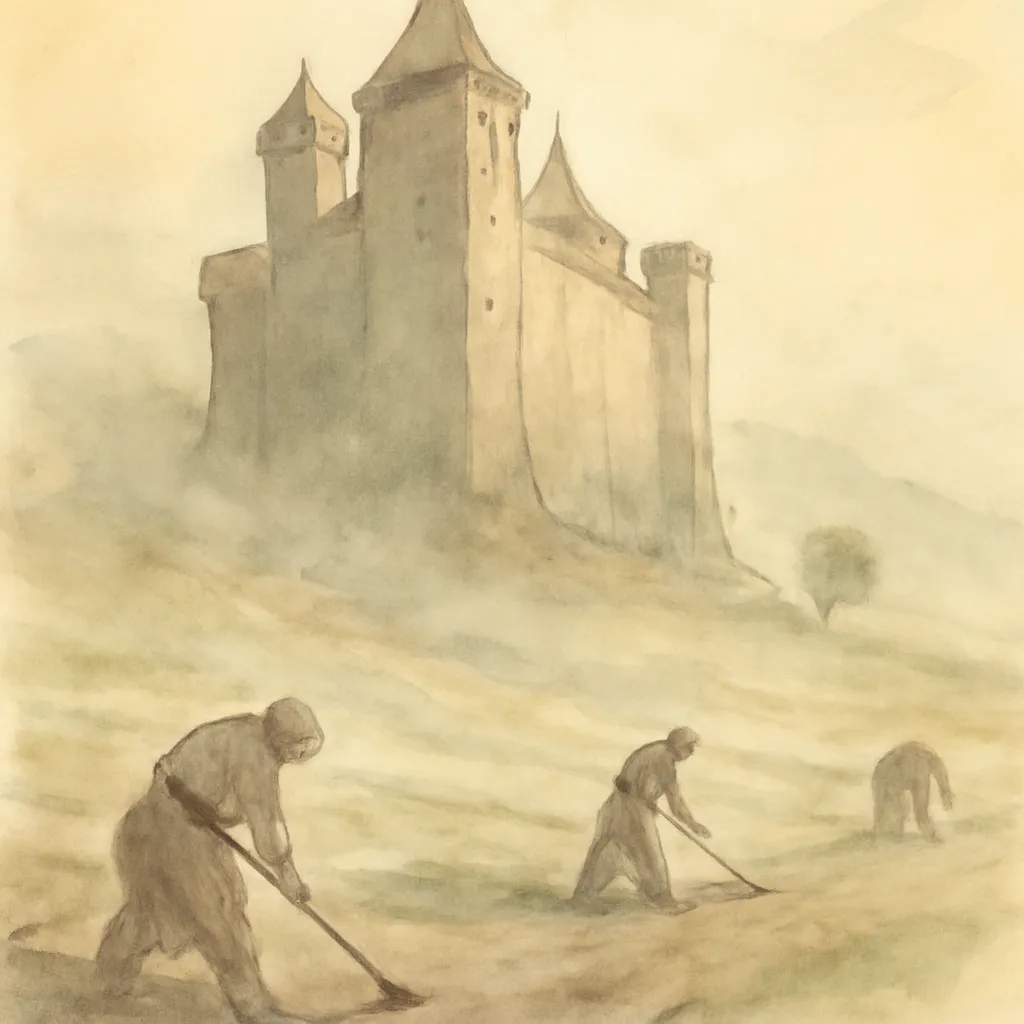
The story begins with William, Duke of Normandy, who invaded England in 1066, establishing a new order that reverberated through centuries. The character of Robert D'Evreux symbolizes the feudal aristocracy, showcasing the privileges and responsibilities of nobility. The feudal system dictated social hierarchies, where land ownership equated to power and influence. For the Devereux family, this means navigating a world where their status grants them certain rights but also ties them to responsibilities and expectations. As the narrative unfolds, the Devereux lineage grapples with this legacy, questioning their roles in a world that is rapidly transforming. The contrast between the rigid structures of feudalism and the emerging ideas of individual freedom lays the groundwork for later conflicts and personal struggles, especially as the family transitions to colonial America. The impact of feudal loyalty is evident in how characters relate to their lands and titles, highlighting the emotional and social ramifications of their heritage.
2.A Familial Connection to History
The Devereux family serves as a microcosm of the broader historical changes occurring in England and America. As descendants of Robert D'Evreux, they carry the weight of their lineage, which influences their actions and decisions. From the battlefields of Hastings to the tumultuous streets of colonial America, the family's history shapes their identity. Their deep-rooted connections to noble blood serve as both a point of pride and a burden, compelling them to live up to the expectations of their ancestors. The characters find themselves in a world where old allegiances are challenged by new ideals, making their lineage a double-edged sword. This duality reflects the struggle many families faced during the revolutionary period—balancing tradition with the desire for autonomy. The narrative illustrates how history is not merely a backdrop but an active participant in their lives, with characters using their past to navigate the present. The family’s engagement with history serves as a reminder of the importance of understanding one's roots in the face of change.
3.The Impact of War on Personal Identity
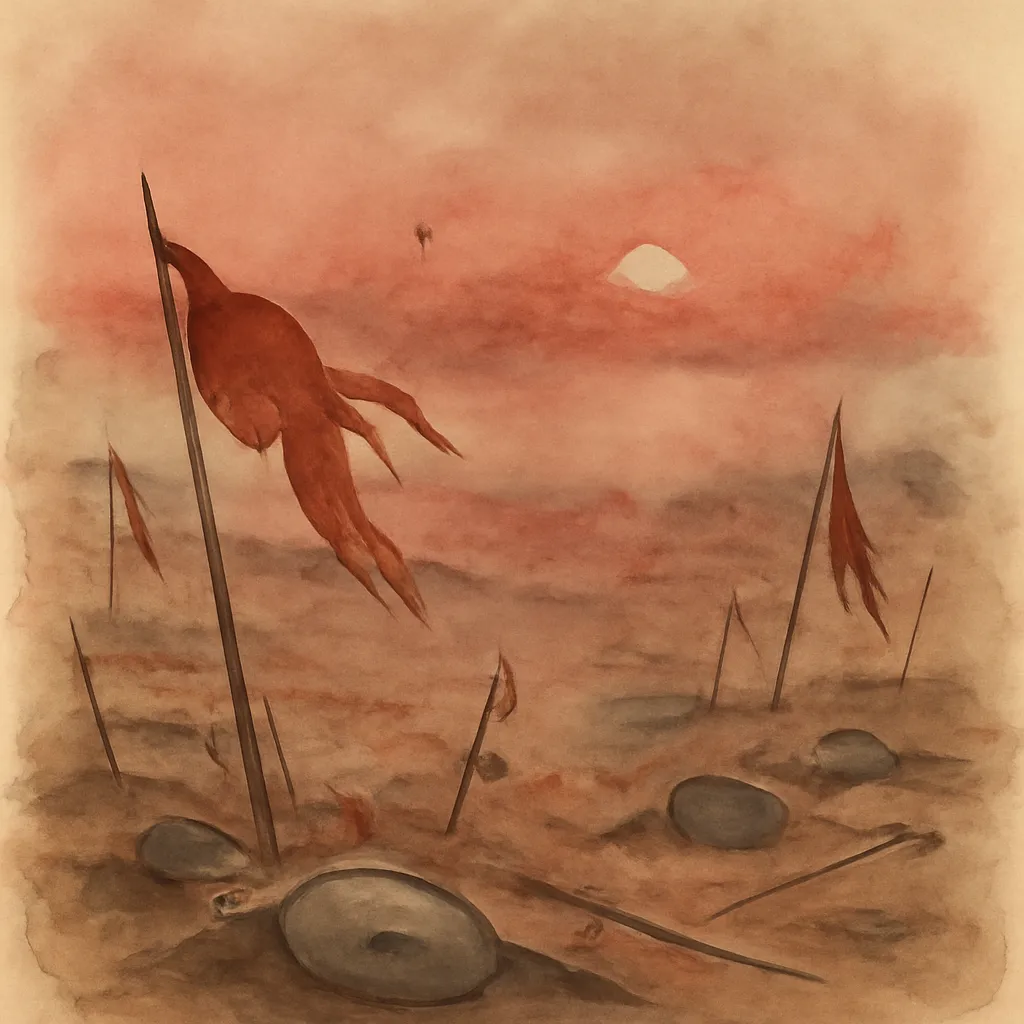
The narrative shifts to the turbulent times of the 17th century, particularly during the reign of Charles I and the conflicts with the Scottish Covenanters. Robert Devereux, now the Earl of Essex, is thrust into the role of Lieutenant-General, showcasing how war can redefine personal identity. His experiences on the battlefield transform him from a nobleman into a leader fighting for a cause, illustrating the profound impact of conflict on one's sense of self. The book intricately explores how war compels individuals to confront their beliefs, allegiances, and moral convictions. Characters like Robert must navigate the complexities of loyalty to king and country versus the duty to their peers and the people they lead. War forces them to take sides, and these choices shape their identities in unexpected ways. The emotional turmoil and moral dilemmas faced by Robert and others highlight the transformative power of war, as personal ideals clash with the harsh realities of leadership and sacrifice. This aspect of the narrative invites readers to reflect on the ways in which conflict can catalyze profound personal change.
4.Revolutionary Ideals and Personal Sacrifice
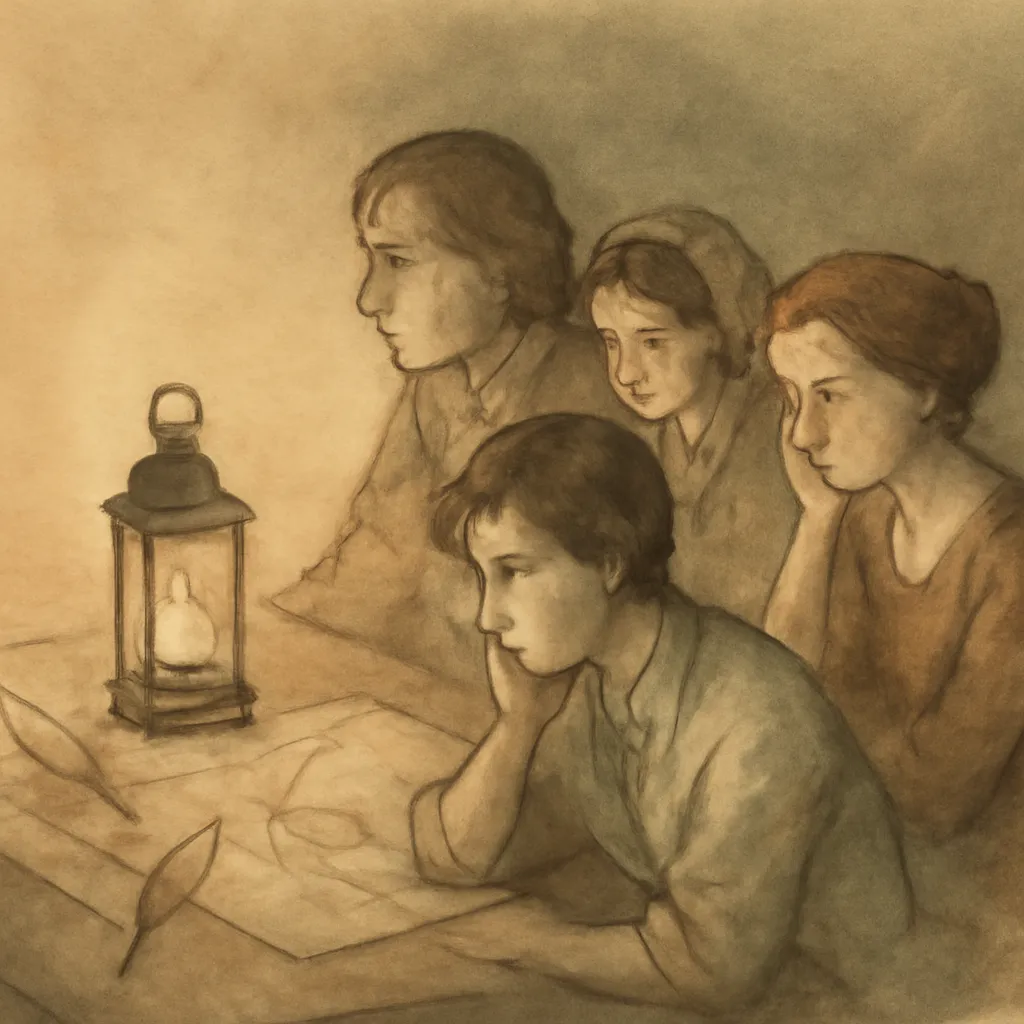
As the story progresses into the American Revolutionary era, the Devereux family finds themselves at the crossroads of loyalty to the British crown and the burgeoning desire for independence. The conflicts within the family mirror the larger societal debates about freedom, governance, and self-determination. Characters like Joseph Devereux embody the struggle between adhering to traditional loyalties and embracing revolutionary ideals. His internal conflict escalates as he witnesses the injustices faced by his fellow colonists and the growing dissatisfaction with British rule. This narrative arc explores the personal sacrifices required of individuals who choose to stand for their beliefs, often at great personal cost. The characters must weigh their relationships against their aspirations for a new future, emphasizing that the pursuit of freedom often comes at a steep price. The emotional toll of these choices is palpable, as family members navigate their relationships in light of their differing beliefs about loyalty and independence.
5.Women’s Roles in Revolutionary Change
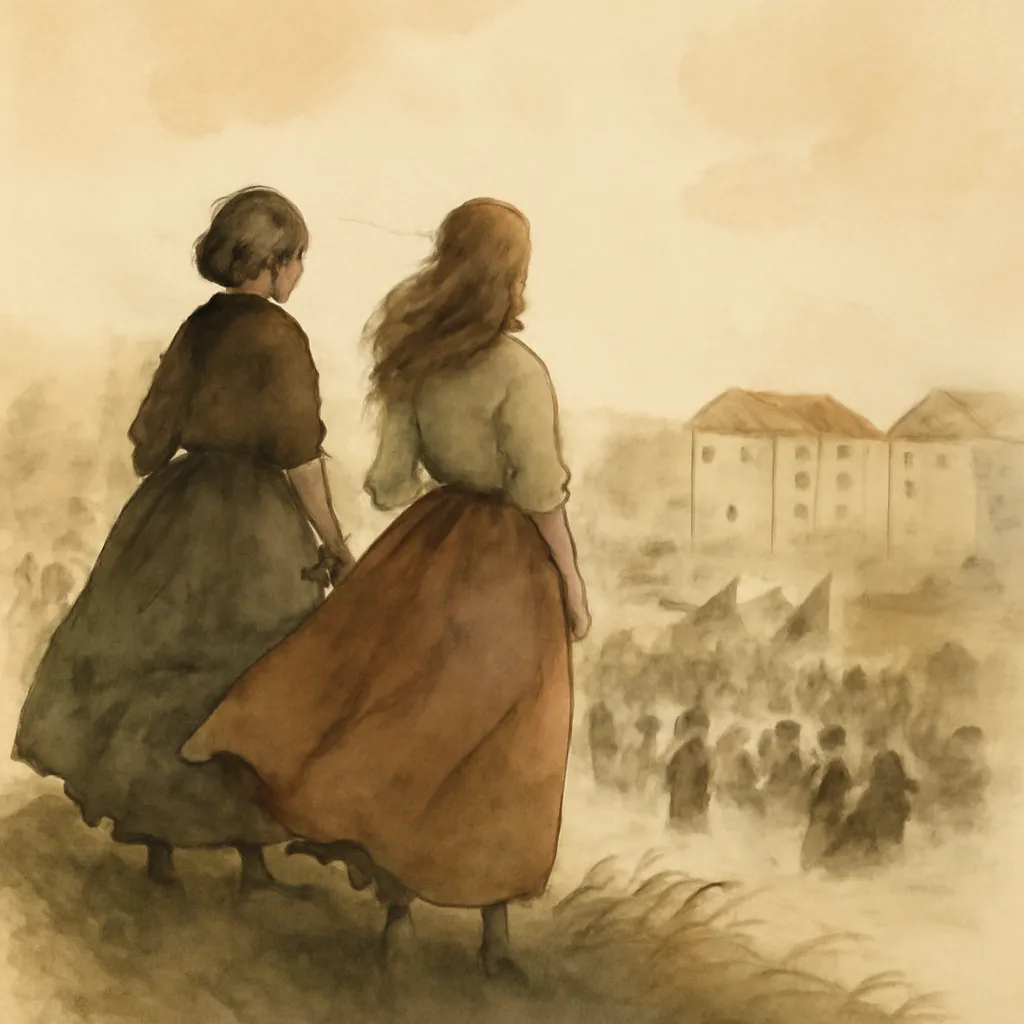
The women in the Devereux family, particularly Dorothy and Mary Broughton, play crucial roles in the unfolding drama of revolution. Their experiences illustrate the often-overlooked contributions of women during this tumultuous period. As they navigate societal expectations and personal desires, the characters challenge traditional gender roles, asserting their agency in a male-dominated world. Dorothy's spirited nature and Mary’s steadfast resolve serve as embodiments of the changing roles women were beginning to experience during the revolutionary era. The book portrays their struggles and triumphs as they become active participants in the revolutionary cause, whether through direct action or support of their male counterparts. Their involvement in the community and in the resistance against British control illustrates that the fight for freedom was not solely a man's battle. The narrative emphasizes the importance of women’s voices and actions, enriching the story and showcasing the diverse contributions to the revolutionary efforts. This focus on women's roles in the story reminds readers of the essential part they played in shaping history.
6.The Tension Between Loyalty and Independence
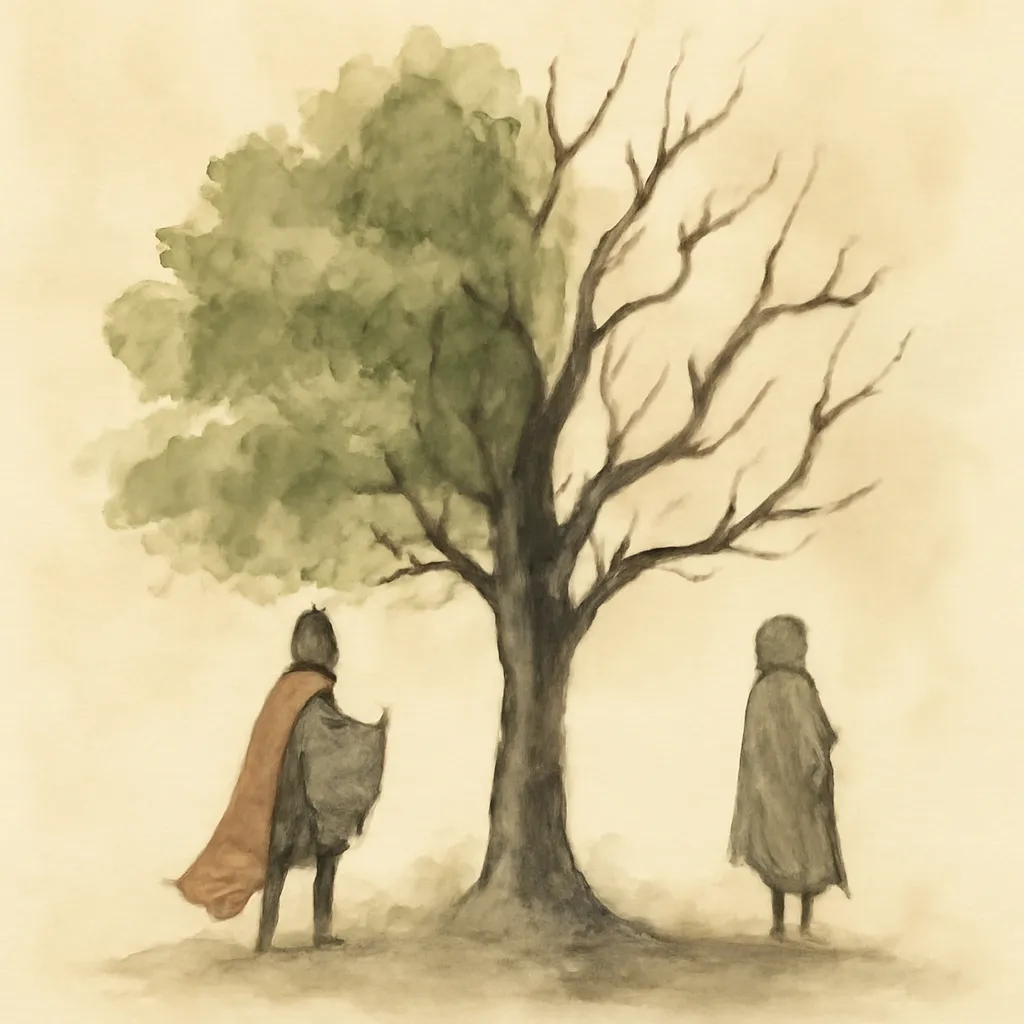
Throughout 'From Kingdom to Colony', the tension between loyalty to the British crown and the desire for independence is a recurring theme. Characters grapple with their identities as loyal subjects of the king while simultaneously feeling the pull of revolutionary ideals. This internal conflict is poignantly illustrated in the interactions between friends and family members who find themselves on opposing sides of the conflict. The narrative delves into the emotional complexities of these relationships, revealing how loyalty can be both a source of strength and a point of contention. Personal relationships become strained as differing viewpoints on loyalty and independence emerge, showcasing the fractures that can occur within families and friendships during times of upheaval. The struggles faced by these characters highlight the broader societal dilemmas of the time, prompting readers to consider the sacrifices made in the name of loyalty and the quest for freedom. This exploration encourages reflection on the nature of allegiance and the impact it has on personal connections.
7.The Role of Community in Shaping Identity
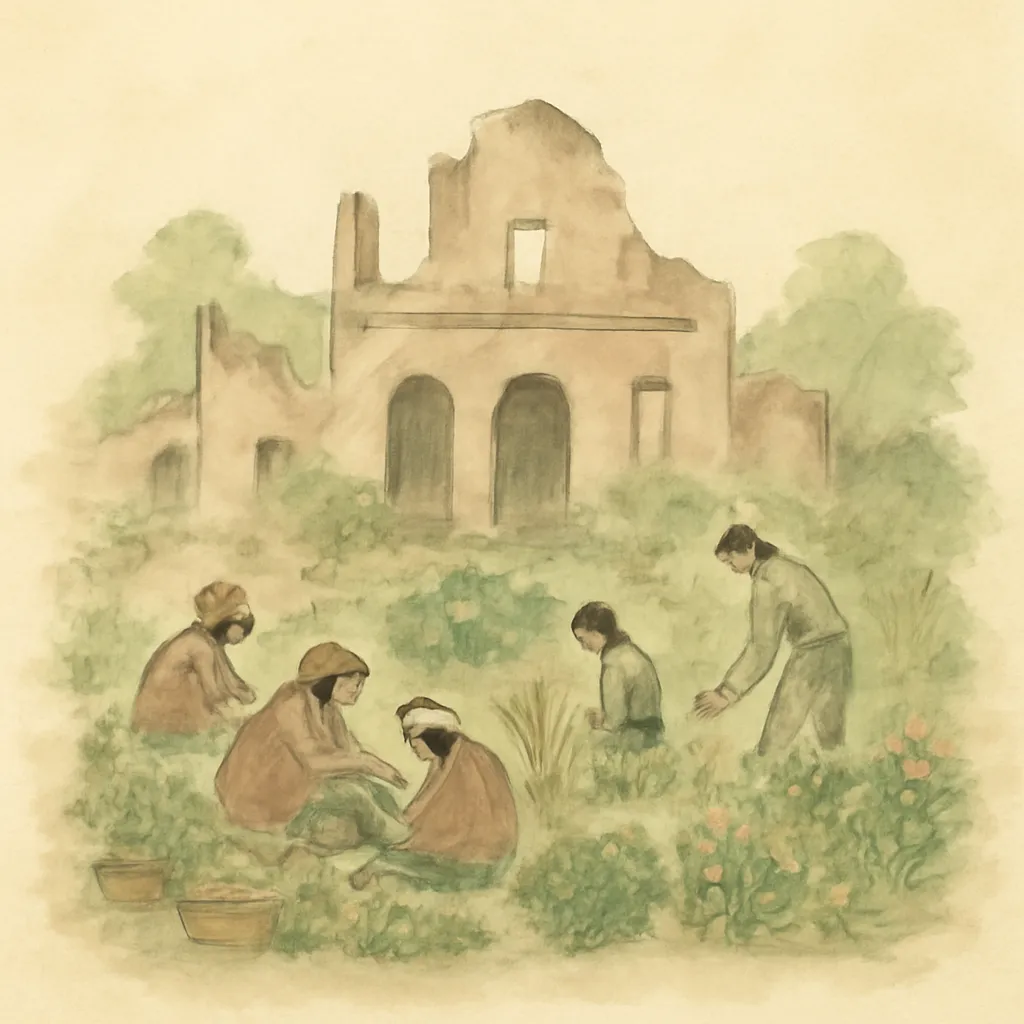
The Devereux family's journey is deeply intertwined with the communities they inhabit. The relationships forged within these communities provide a sense of belonging and identity, influencing the characters' decisions and actions. As tensions rise in the colonies, the support of neighbors and friends becomes crucial in navigating the challenges of war and revolution. This theme is illustrated through the characters’ interactions with local townsfolk and their involvement in community activities, which reinforce their sense of identity. The book highlights the importance of collective action and solidarity in times of crisis, illustrating how communities can empower individuals to stand up for their beliefs. The characters draw strength from their connections, emphasizing that the fight for freedom is often a communal effort rather than an individual pursuit. This narrative arc underscores the significance of community in fostering resilience and change, making it a vital aspect of the overall story.
8.The Complexity of Historical Narratives
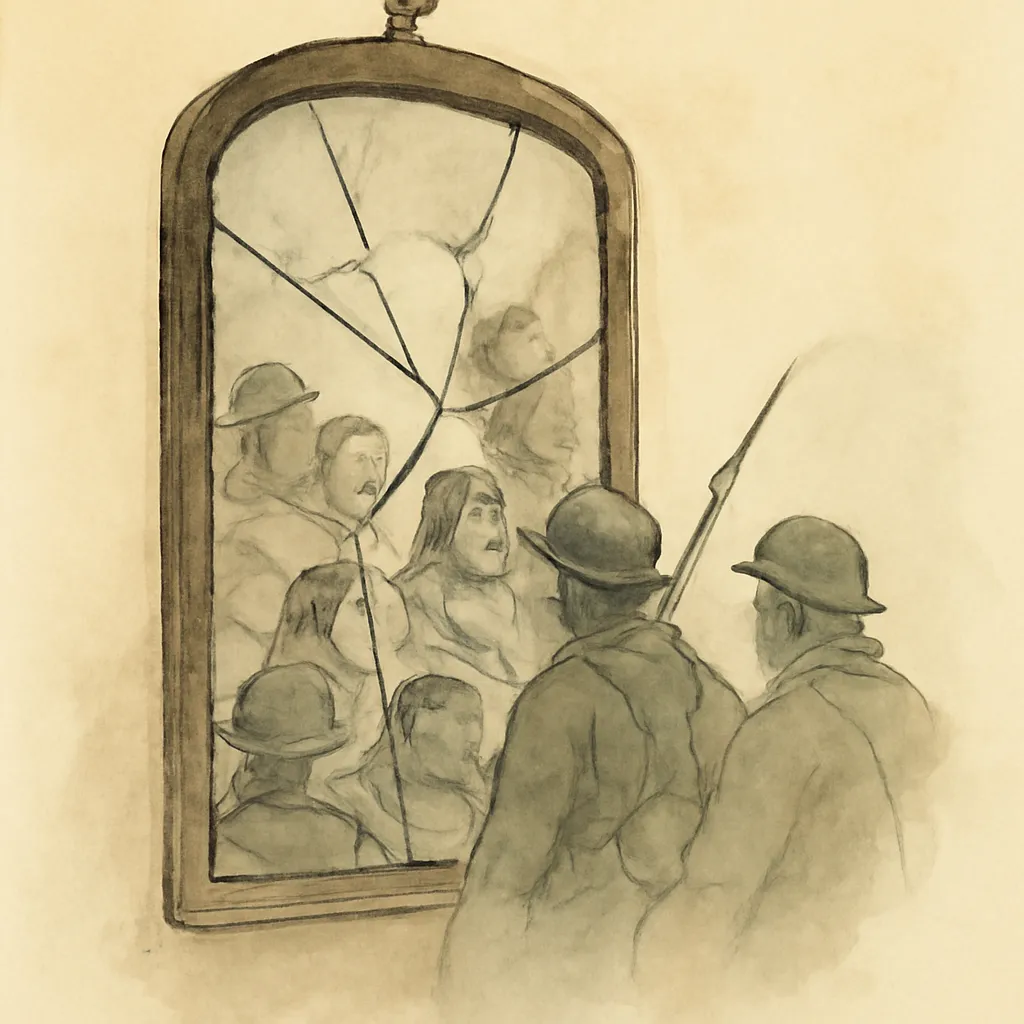
Devereux skillfully navigates the complexities of historical narratives, presenting multiple perspectives on the events of the time. The characters' varied backgrounds and motivations underscore the multifaceted nature of history, challenging the notion of a single, unified account. By incorporating diverse viewpoints, the book emphasizes that history is not merely a series of events but a tapestry woven from the experiences of individuals. Each character's perspective adds depth to the narrative, revealing the motivations and fears that drive them. This approach encourages readers to critically engage with historical narratives, recognizing the nuances and contradictions that shape our understanding of the past. The narrative serves as a reminder that history is alive, constantly evolving as new voices and stories emerge. Through this complexity, the book prompts readers to appreciate the diversity of experiences that contribute to a richer understanding of revolutionary periods.
9.The Search for Personal Freedom

At its core, 'From Kingdom to Colony' is a tale of the search for personal freedom. The characters' journeys reflect the universal human desire to break free from constraints, whether imposed by society, family, or tradition. Dorothy and Mary’s struggles to assert their independence and challenge societal norms illustrate the deeply personal nature of their quests. As they navigate the realities of their worlds, their experiences resonate with contemporary discussions about autonomy and self-determination. The narrative explores the tensions between individual desires and societal expectations, emphasizing that the pursuit of freedom is often fraught with complications. The characters' realizations about their own definitions of freedom add emotional depth to the story, encouraging readers to reflect on their own journeys toward independence. This exploration of personal autonomy is not only pivotal to the characters but also speaks to the broader human experience of striving for self-liberation.
10.The Interplay of Fate and Choice

The book intricately weaves the interplay of fate and choice throughout the Devereux family's narrative. Characters are often faced with decisions that will alter the course of their lives, yet they are also influenced by circumstances beyond their control. This dynamic creates a rich tension within the story, as characters navigate the unpredictable nature of life during revolutionary times. The choices they make—be it support for the crown or the revolution—reflect both personal convictions and the societal pressures they face. This interplay highlights the complexity of agency in a world where historical events shape individual destinies. The narrative invites readers to consider how much of our lives are dictated by fate versus the choices we make. This exploration of agency and determinism adds depth to the characters' journeys, making their struggles and triumphs all the more poignant. It suggests that while fate plays a role in shaping circumstances, the power of choice remains a central theme in the quest for personal and collective freedom.