1.The Absurdity of Gargantua's Birth
Gargantua's entrance into the world is as unconventional as his character. Born after an eleven-month gestation period, his mother Gargamelle indulges in a feast of tripes, leading to a chaotic delivery. This absurdity sets the tone for the novel, where the extraordinary is commonplace and the ridiculous is celebrated. Gargantua’s birth is a commentary on the nature of existence itself, highlighting the randomness and unpredictability of life. Rabelais uses humor to emphasize that life begins with chaos, suggesting that the journey of existence is often as messy and complicated as the circumstances of our beginnings. Moreover, Gargantua's birth serves as an allegory for the Renaissance spirit, symbolizing rebirth and the defiance of conventional norms in favor of freedom and personal expression.
2.Gargantua's Education and the Satire of Academia
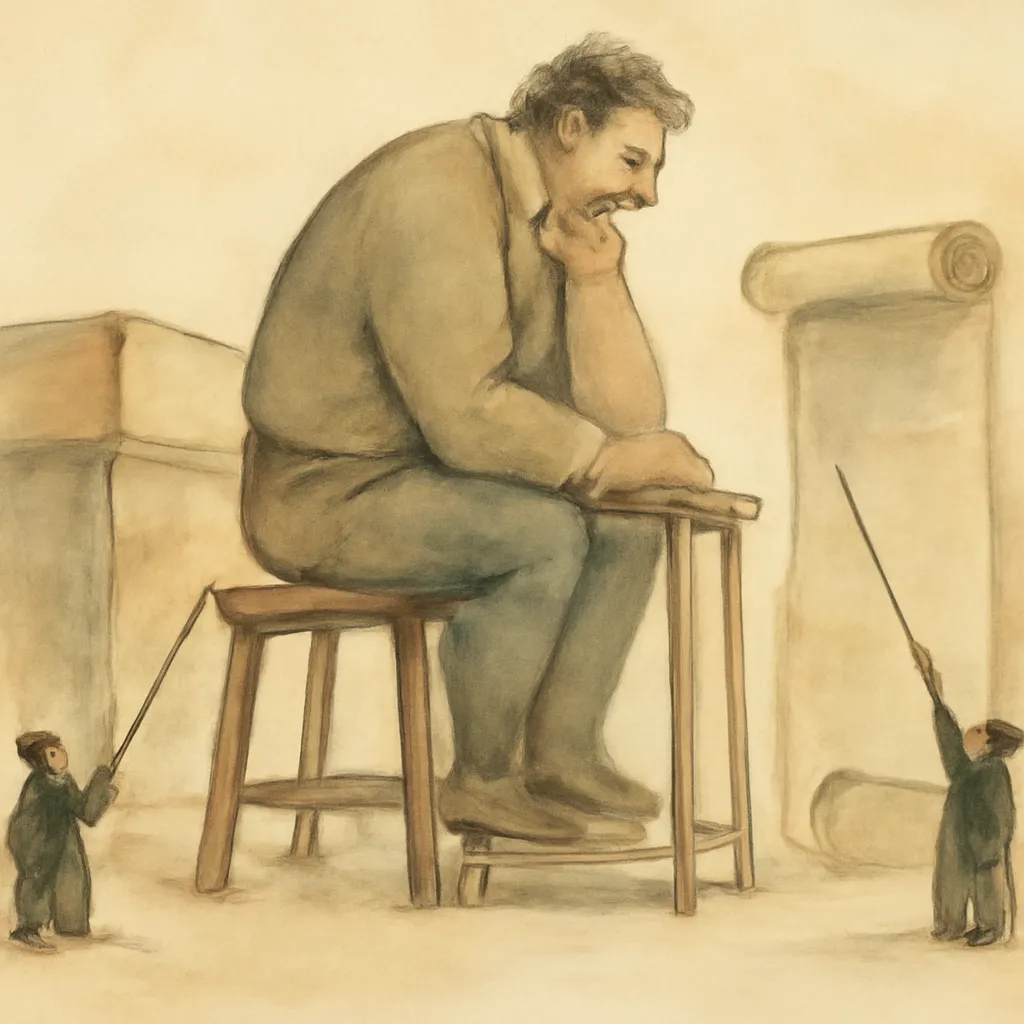
As Gargantua grows, his education becomes a central theme. His father, Grangousier, seeks the best for him, hiring the most learned men of the time. However, Rabelais critiques the education system through Gargantua's experiences with various teachers, highlighting the often absurd and outdated methods employed. For instance, Gargantua's early schooling involves memorizing texts that lack practical value, reflecting Rabelais' disdain for rote learning. The novel critiques the juxtaposition between the rigorous, sometimes nonsensical curriculum and the genuine thirst for knowledge that Gargantua possesses. This critique serves as a broader commentary on the Renaissance educational reforms, emphasizing the tension between traditional scholarship and the pursuit of knowledge that is useful and relevant to life. Gargantua's eventual enlightenment represents the ideal of learning that is dynamic and engaging, rather than stagnant and pedantic, urging for a reformation in the approach to education.
3.The Role of Food and Drink in Rabelais' Universe
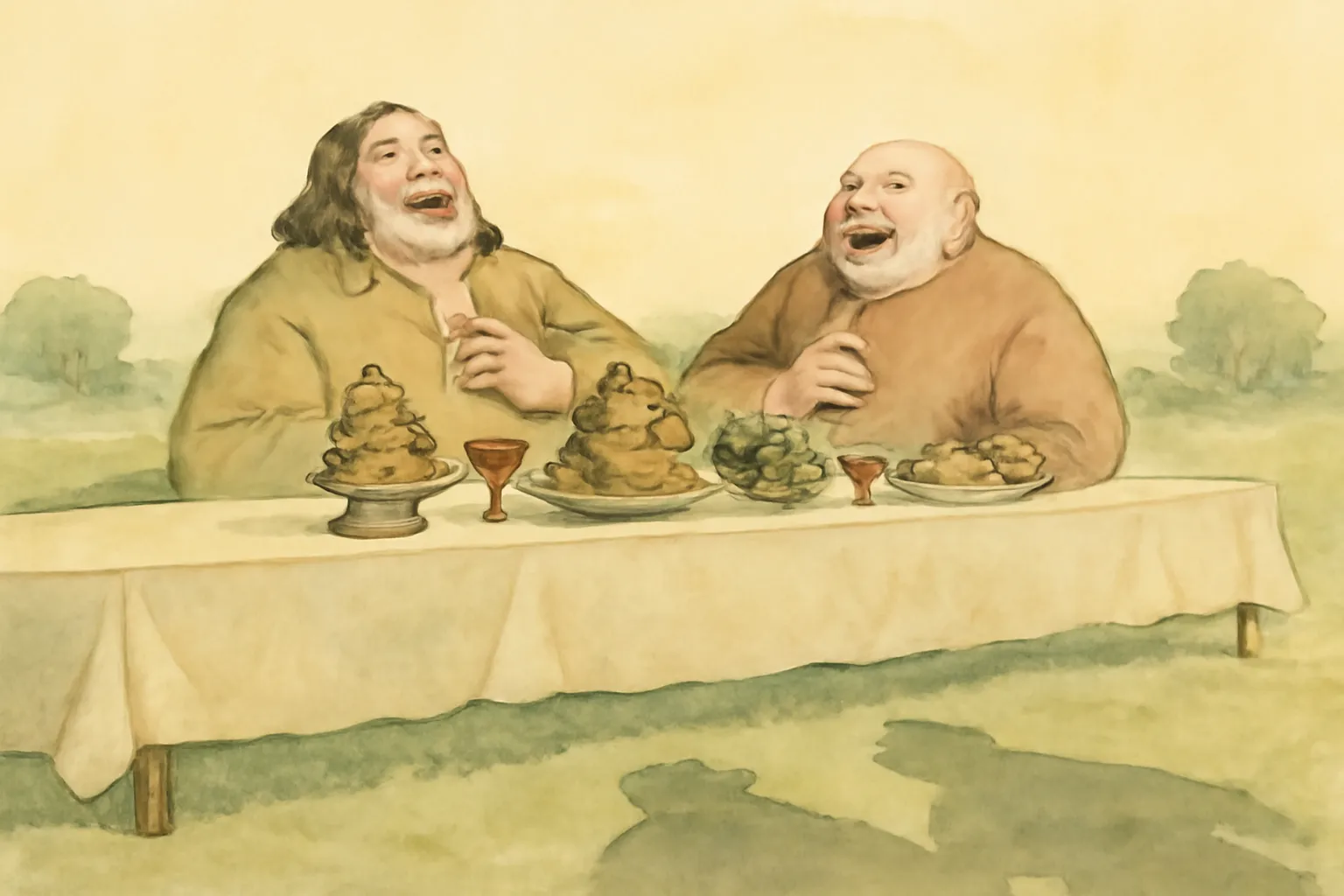
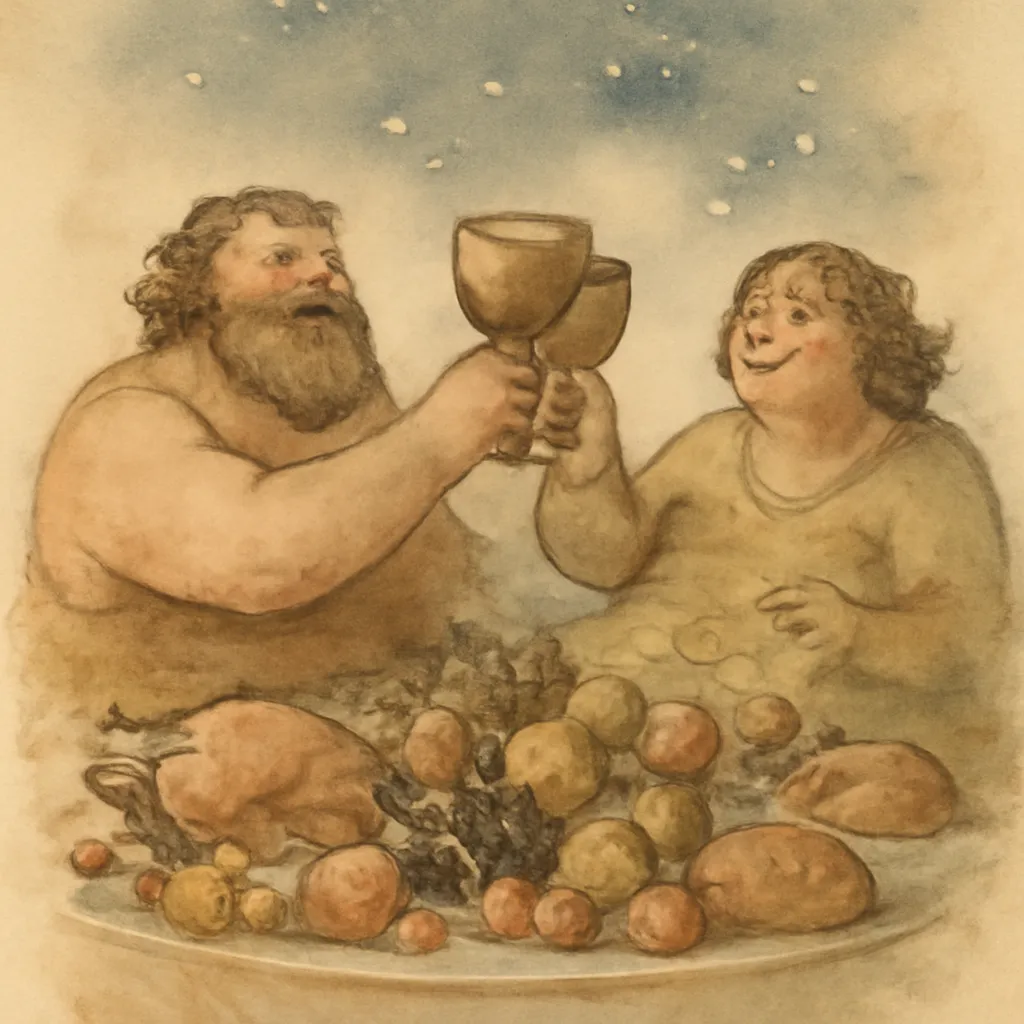
Food and drink are not merely sustenance in 'Gargantua and Pantagruel'; they are central to the social fabric and cultural identity of the characters. Rabelais uses feasting as a metaphor for abundance and the joy of life, often depicting gargantuan meals that celebrate the pleasures of the flesh. Gargantua's love for food symbolizes a larger philosophy of embracing life’s pleasures without guilt. The act of drinking, particularly in the jovial discourse shared among characters, underscores the importance of camaraderie and community. Rabelais crafts a narrative where the act of sharing meals becomes an essential ritual that fosters relationships and creates a sense of belonging. Through these depictions, Rabelais advocates for a life lived fully, where indulgence is not seen as vice but rather as a celebration of existence, urging readers to reflect on their own relationship with consumption and enjoyment.
4.Pantagruel's Quest for Knowledge
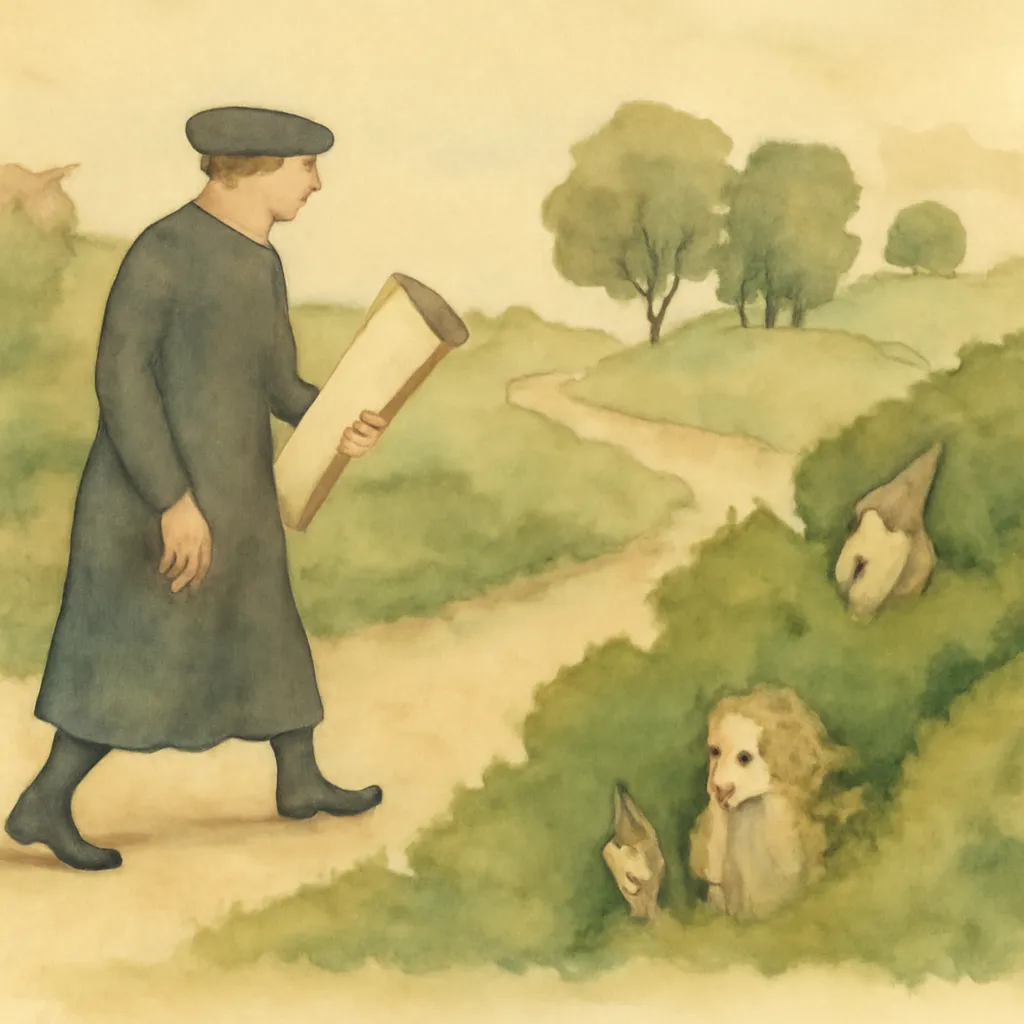
Pantagruel, Gargantua's son, embarks on a quest that reflects the Renaissance spirit of inquiry and exploration. His journey is marked by encounters with various characters who embody different philosophies and perspectives. Rabelais uses these interactions to explore themes of wisdom, folly, and the nature of true knowledge. For instance, Pantagruel’s discussions with scholars and philosophers reveal the limitations of human understanding and the absurdity of dogmatic beliefs. This quest for knowledge is both a personal and collective journey, as Pantagruel seeks to learn not just for himself but for the betterment of society. Rabelais emphasizes the importance of critical thinking and skepticism, inviting readers to question accepted truths and to consider the value of diverse viewpoints. Pantagruel's exploration of knowledge encourages a dialogic approach to understanding the world, underscoring that knowledge is not a destination but an ongoing journey.
5.The Critique of Religious Institutions
Rabelais does not shy away from critiquing the religious institutions of his time, particularly through the character of Gargantua. The monks and clerics are often portrayed as hypocritical and corrupt, more interested in power and wealth than in genuine spirituality. For example, Gargantua's interactions with monks highlight the absurdities of monastic life and the contradictions inherent in their teachings. Rabelais uses satire to challenge the status quo, encouraging readers to question the sincerity of religious leaders and the validity of their doctrines. He contrasts the frivolous and self-serving behaviors of religious figures with the genuine quest for understanding and moral integrity embodied by Gargantua and Pantagruel. This critique resonates with contemporary issues of faith and morality, inviting readers to reflect on the relationship between religion, personal integrity, and societal values.
6.The Abbey of Thélème: A Vision of Utopia
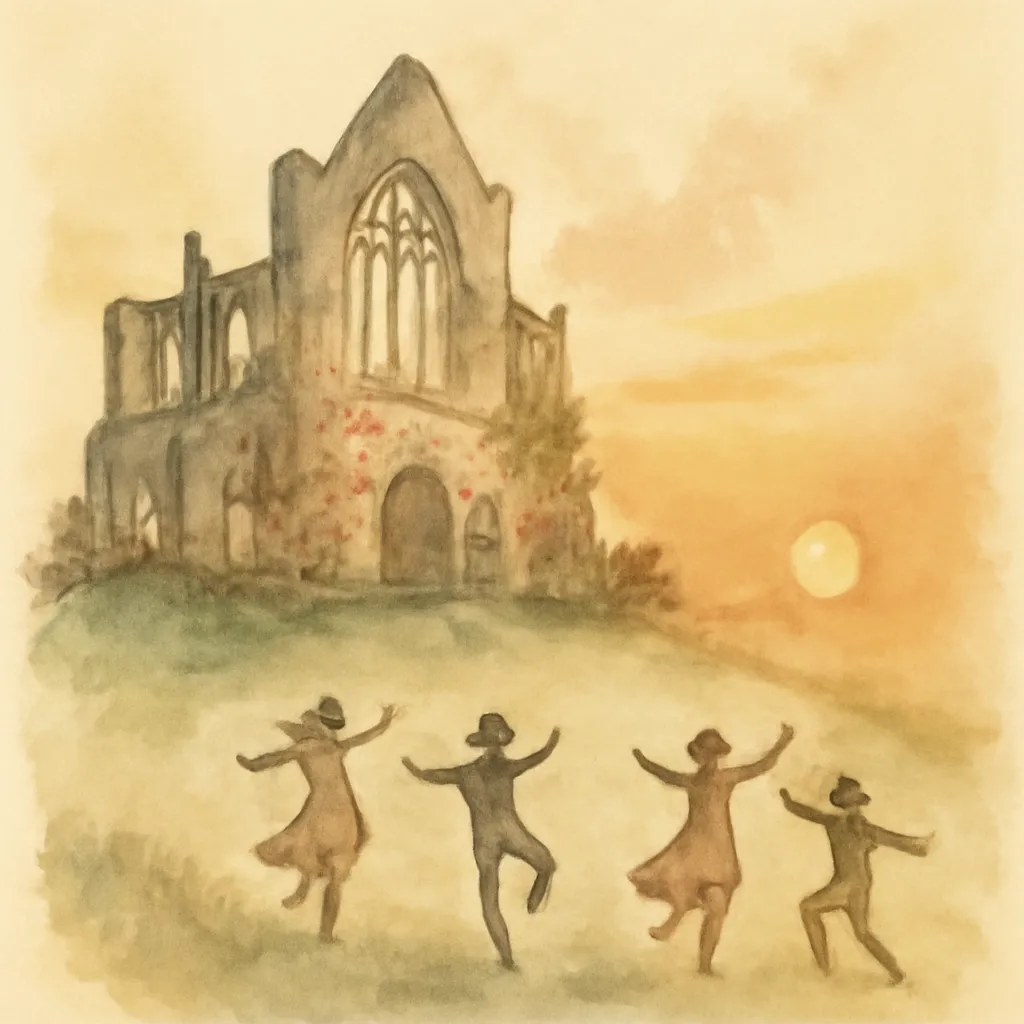
One of the most striking elements of the narrative is the creation of the Abbey of Thélème, a utopian community founded on the principles of freedom, individuality, and joy. Rabelais envisions a place where inhabitants live according to their desires rather than strict rules, encapsulated in the inscription over the gate: 'Do what thou wilt.' This radical idea of personal liberty challenges the authoritarian structures of society and religion, promoting a vision of a harmonious community built on mutual respect and understanding. The Abbey serves as an ideal, contrasting sharply with the oppressive nature of contemporary institutions, and invites readers to imagine a society where personal fulfillment is prioritized. Moreover, the description of Thelème embodies Rabelais' humanist ideals, advocating for the empowerment of individuals to live authentically and joyfully, free from the constraints of dogma.
7.The Power of Laughter and Humor
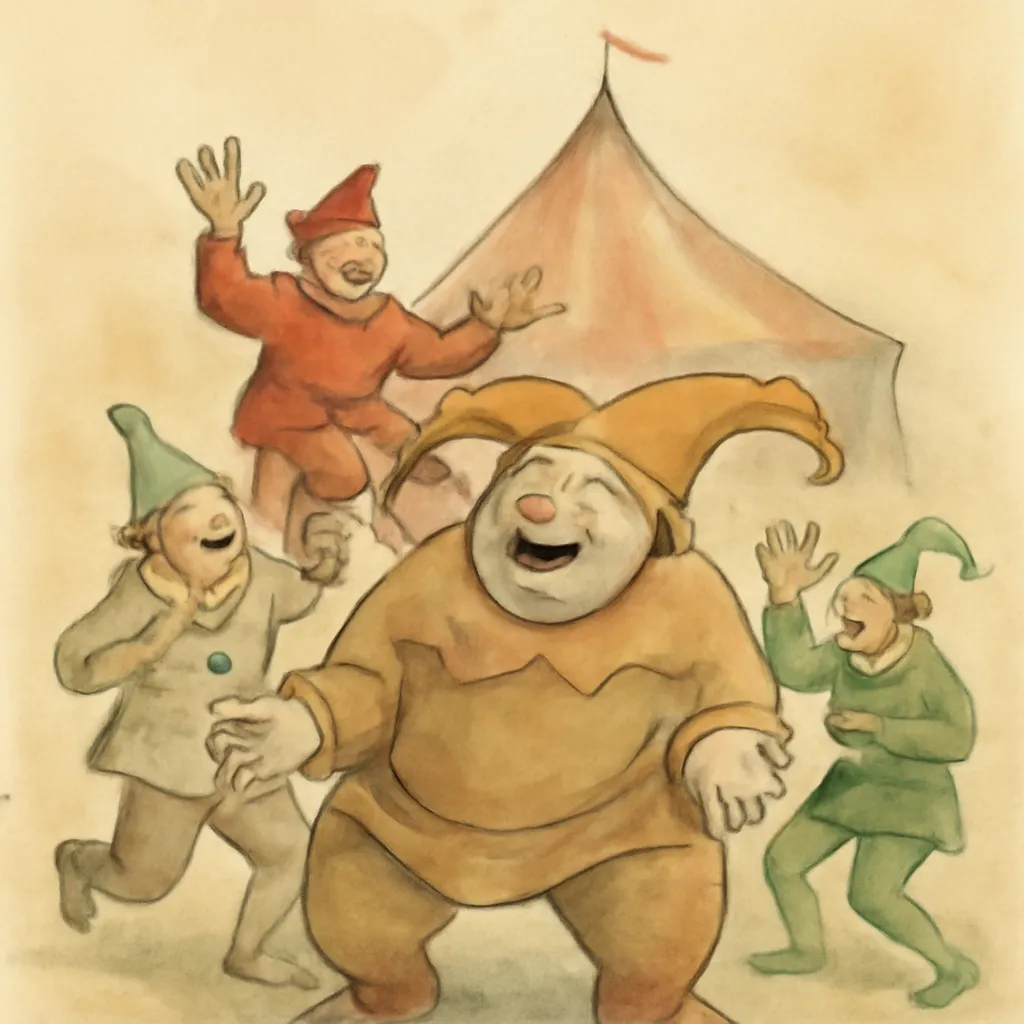
Throughout 'Gargantua and Pantagruel,' Rabelais emphasizes the power of laughter as a means of coping with life's absurdities. Characters often engage in humorous banter and outrageous antics, showcasing the therapeutic nature of humor. Rabelais suggests that laughter can serve as a tool for social critique, enabling individuals to confront difficult truths in a palatable way. This playful approach to serious subjects encourages readers to embrace joy as a vital part of the human experience. By weaving humor into the fabric of his narrative, Rabelais not only entertains but also provokes thought, inviting readers to reflect on the deeper implications of their laughter. The narrative illustrates that humor can dissolve tensions and foster connection, demonstrating its essential role in navigating the complexities of life.
8.The Nature of Friendship and Companionship
The relationships between characters in Rabelais' work highlight the importance of friendship and loyalty. Pantagruel's bond with Panurge exemplifies the complexities of companionship, characterized by both camaraderie and conflict. Their interactions reveal the dynamics of trust, support, and the occasional betrayal that can occur in close relationships. Rabelais uses these friendships to explore themes of human connection, illustrating how individuals navigate the challenges of life together. The depth of these relationships underscores the idea that true friendship is essential for personal growth and resilience, offering a counterbalance to the absurdities of the world. Rabelais suggests that companionship is not only about shared experiences but also about navigating differences and overcoming challenges together, reinforcing the notion that our connections with others are what make life meaningful.
9.The Symbolism of Giants: Exaggeration and Reality
The giants, Gargantua and Pantagruel, serve as powerful symbols of human potential and the extremes of existence. Their physical size reflects the larger-than-life qualities of their personalities, embodying the themes of excess and abundance that permeate Rabelais' narrative. However, their exaggerated traits also serve to critique human folly, illustrating the dangers of hubris and excess. Rabelais invites readers to consider the balance between greatness and moderation, suggesting that while ambition and desire are natural, they must be tempered with wisdom and humility. The giants' experiences mirror the human condition, revealing the struggles and triumphs we all face. Through the lens of these characters, Rabelais highlights the complexities of ambition and the importance of grounding one's aspirations in reality.
10.Rabelais' Legacy: A Celebration of Life and Humanism
Ultimately, 'Gargantua and Pantagruel' is a celebration of life, knowledge, and the human spirit. Rabelais embodies the ideals of Renaissance humanism, emphasizing the importance of individual experience and the pursuit of enlightenment. His work challenges readers to embrace their humanity, with all its imperfections and complexities. By weaving together humor, philosophy, and social commentary, Rabelais crafts a narrative that transcends time, remaining relevant in contemporary discussions of identity, freedom, and the search for meaning. His legacy lies not only in his literary genius but also in his ability to inspire readers to think critically about the world around them, illuminating the importance of nurturing a spirit of curiosity, open-mindedness, and compassion in an often chaotic and unpredictable world.