1.The Weight of Leadership

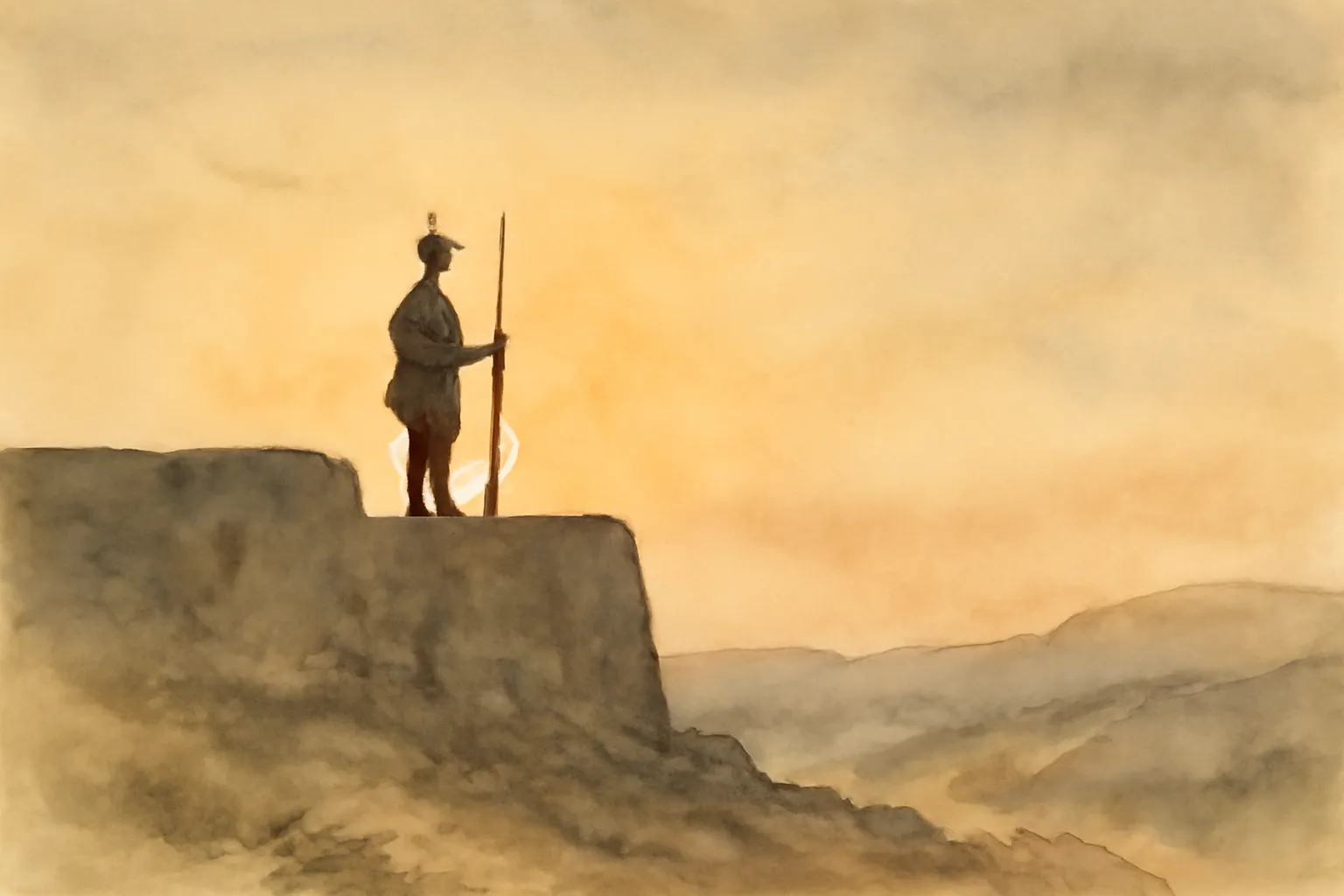
Corporal Bob Owens embodies the struggles of young leaders thrust into positions of responsibility. As he is tasked with locating deserters who have fled the fort, Bob's internal conflict becomes palpable. He battles the fear of failure and the desire to prove himself to his superiors and peers. This reflects a universal truth about leadership: it often comes with heavy burdens. The narrative takes readers through Bob's thought processes as he contemplates the ramifications of his mission. He understands that if he fails, not only will he disappoint Colonel Brown, but he could also compromise the safety of his fellow soldiers. Bob's determination to carry out his orders, despite the risks involved, showcases the courage required to lead effectively. Leadership here is depicted not simply as a role but as an intricate dance of responsibility, honor, and personal integrity. He finds himself at a crossroads where he must choose between loyalty to his friends and his duty to the army, ultimately realizing that true leadership often requires painful decisions.
2.Desertion and Its Consequences
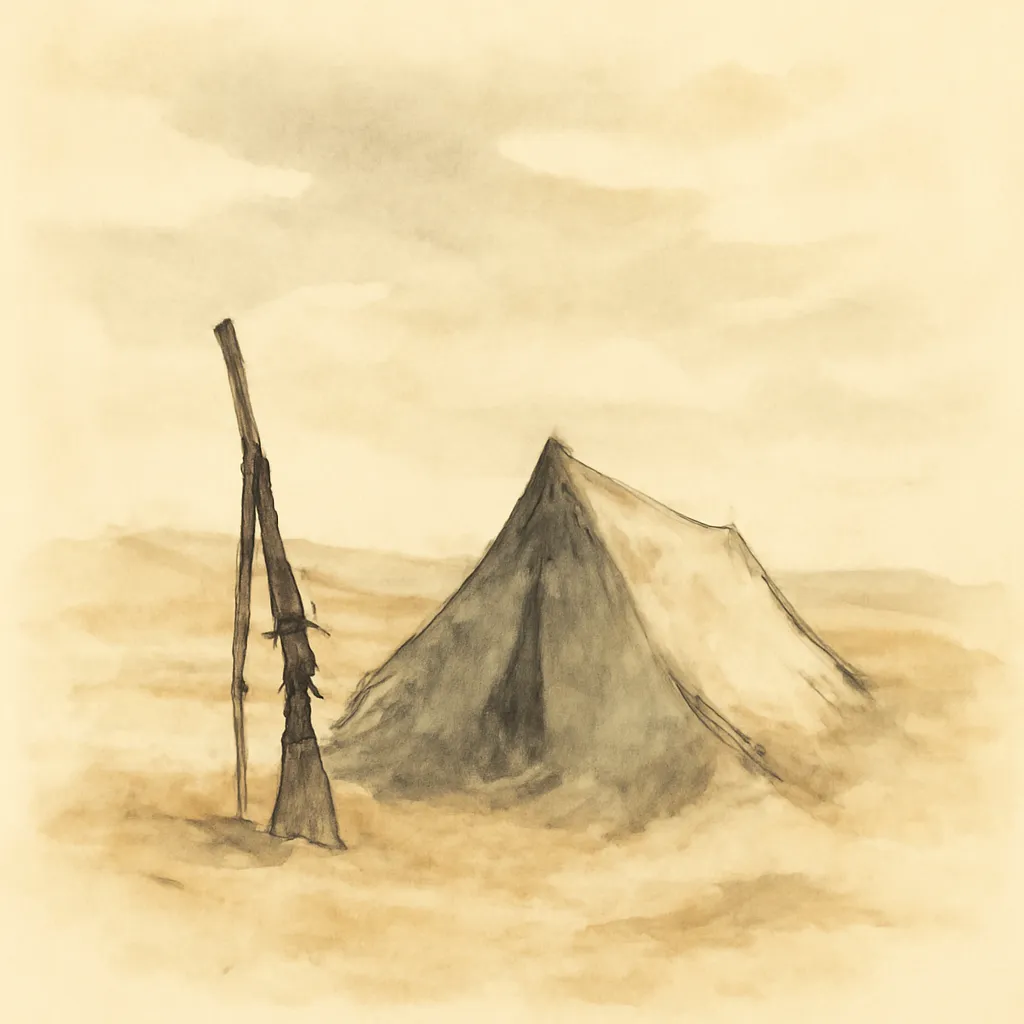
The theme of desertion pervades the narrative, highlighting the personal and societal implications of such actions. Colonel Brown's frustration over the desertion of soldiers reveals the deep sense of betrayal felt by commanding officers when their men choose to abandon their posts. Each deserter represents a failure not just to the military institution but also to the spirit of brotherhood that binds soldiers together. The deserters, armed and determined, represent a significant threat not only to the military structure but also to their comrades who remain loyal. Bob Owens’s mission to recapture these deserters serves as a critical turning point in the story, illustrating the complexities of loyalty, fear, and the desperate lengths individuals will go to escape the realities of military life. The narrative poses questions about the psychological motivations behind such decisions: is it fear of battle, homesickness, or disillusionment with military life that drives men to desert? As Bob grapples with these questions, he becomes more acutely aware of the emotional turmoil that can lead to such drastic choices among his comrades, making the theme of desertion a poignant reflection on human vulnerability.
3.Friendship Amidst Adversity

The bonds formed between soldiers are central to the narrative, illustrating how friendship can provide strength in difficult times. Bob Owens’s interactions with his comrades, particularly his connection with a homesick young soldier, reveal the emotional struggles that accompany military service. These relationships are tested by the harsh realities of their environment, yet they also offer solace and support. The camaraderie shared among the troops underscores the importance of connection in overcoming isolation and fear. As soldiers face external threats, their internal battles are mitigated by the solidarity they share, reinforcing the idea that friendship can be a lifeline in dire circumstances. Through moments of vulnerability, where soldiers share their fears and aspirations, Castlemon paints a rich portrait of the human experience in the face of hardship. The friendships forged in this crucible of conflict bring depth to the narrative and reflect the real-life bonds formed in the military, transforming young men into brothers-in-arms as they face danger together.
4.The Complexity of Morality in War
Castlemon delves into the moral complexities faced by soldiers, particularly through Bob's decision-making processes. When he overhears the plot of deserters, Bob finds himself torn between his instincts to protect his fellow soldiers and the fear of being labeled a snitch. This dilemma reflects the broader moral challenges that arise in wartime, where actions are often dictated by survival rather than ethics. Bob’s ultimate choice to inform his superiors about the deserters exemplifies a commitment to duty over personal loyalty, highlighting the internal conflict that defines many soldiers' experiences. The narrative thus invites readers to consider the gray areas of morality in the context of war, where right and wrong are not always clear-cut. Bob's choices force him to confront the reality that upholding military law may come at the cost of personal relationships, prompting readers to reflect on their own values in situations of conflict. This exploration of moral ambiguity serves as a powerful reminder that the consequences of decisions in war can have far-reaching implications, affecting not just the individual but the entire unit.
5.Courage in the Face of Danger

The story is replete with moments that test the characters' bravery, particularly during confrontations with deserters and hostile forces. Bob Owens’s resolve to confront the deserters head-on, despite their armed resistance, highlights the theme of courage as a vital trait for soldiers. His calm demeanor during tense standoffs serves as a reminder that true bravery often lies in facing fears rather than succumbing to them. Bob's thoughts during these moments reveal his internal struggles, capturing the essence of what it means to be courageous. He grapples with self-doubt yet finds the strength to act, illustrating that courage is not the absence of fear but the ability to act despite it. As Bob rallies his fellow soldiers, he embodies the spirit of resilience and determination that defines military life. Castlemon meticulously crafts these scenes of confrontation, allowing readers to experience the adrenaline and tension alongside the characters, showcasing how acts of bravery can inspire confidence in others and solidify leadership. The contrasting reactions of the deserters, who are ultimately cowed by Bob's resolve, speak to the power of courage in shifting the balance of power in the face of adversity.
6.The Role of Authority and Structure
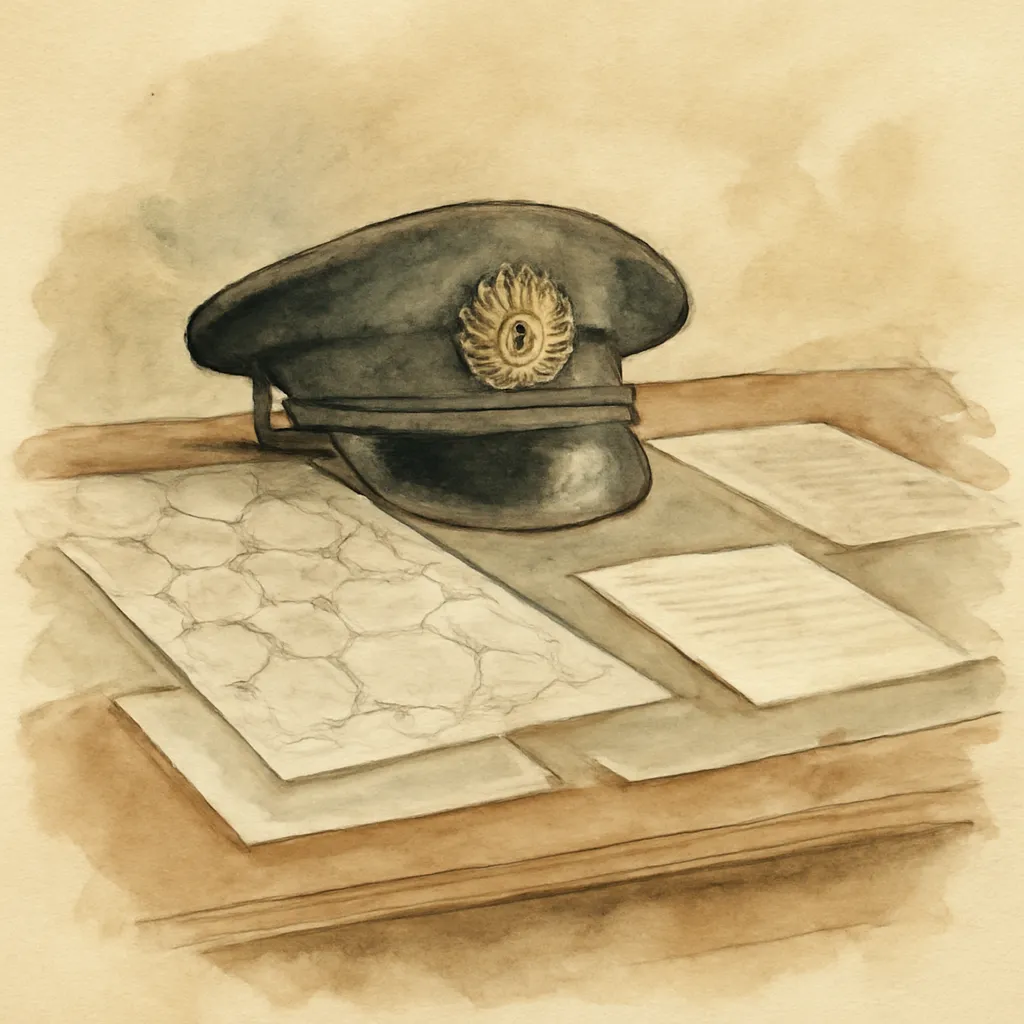
Castlemon effectively illustrates the rigid structure of military life and the authority figures that shape the soldiers' experiences. Colonel Brown's authoritative demeanor and his insistence on discipline reflect the necessity of order within the military. However, this authority is also challenged by the soldiers' personal struggles and desires. The colonel's frustration with desertions and his expectations from Bob create a palpable tension between duty and individual choice. This dynamic reveals the inherent conflict within hierarchical systems, where the need for obedience can clash with personal freedom, prompting readers to contemplate the nature of authority in their own lives. Through the lens of Colonel Brown's leadership style, the narrative critiques the rigidity of military command, showing how strict adherence to rules can sometimes lead to unintended consequences, such as increased desertion. The interactions between officers and soldiers serve to highlight the responsibilities that come with command and the impact of leadership styles on morale and effectiveness in the field, leading to a deeper understanding of the complexities involved in military hierarchy.
7.The Impact of Environment on Soldier Morale
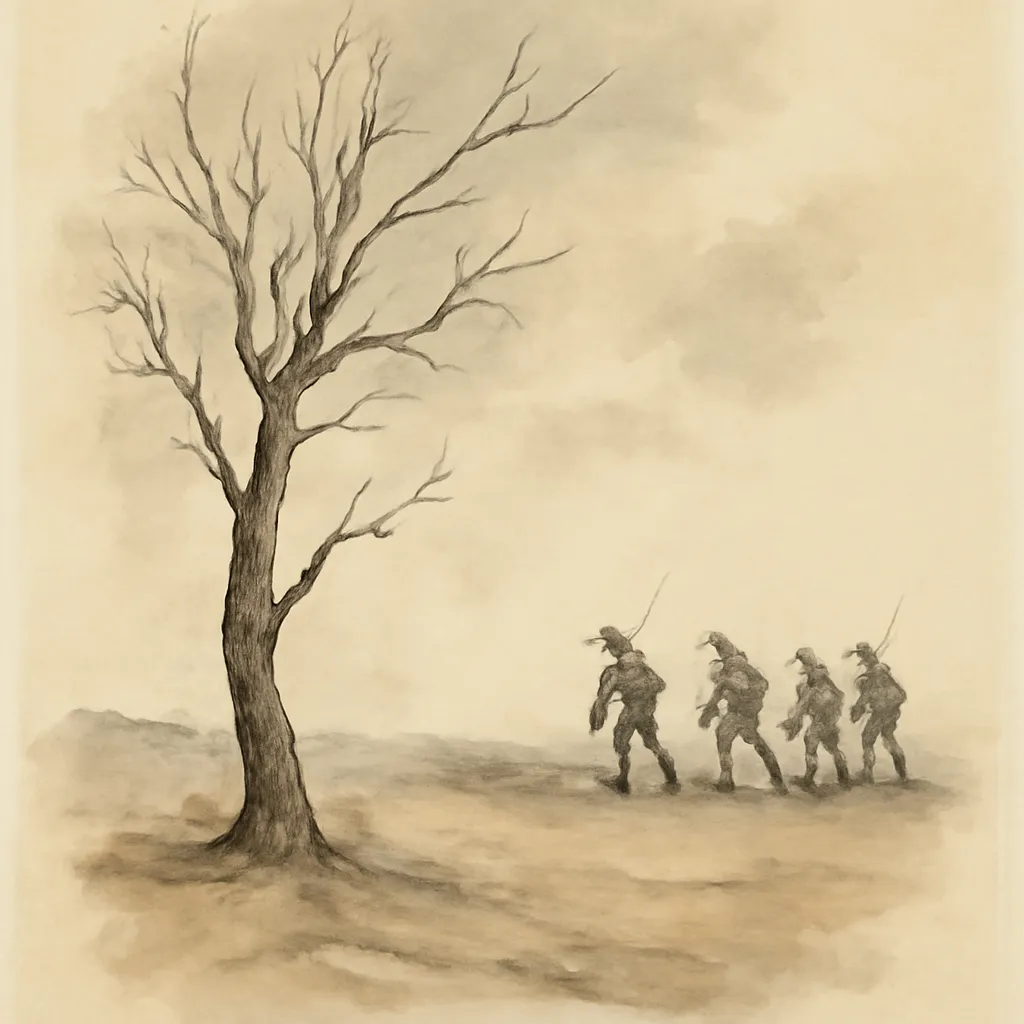
The setting of Fort Lamoine serves as a backdrop that greatly influences the soldiers' morale and mental state. The isolation and harsh conditions faced by the recruits contribute to their discontent and yearning for home. Bob's reflections on his surroundings underscore the psychological toll that military life can take on young men. The fort, while a place of duty, also becomes a symbol of confinement and longing. The men grapple not only with their orders but also with the stark realities of their environment, which can amplify feelings of loneliness and despair. Castlemon adeptly captures how the environment shapes the soldiers' experiences, illustrating that the physical landscape is intertwined with their emotional journeys. The challenges posed by the natural surroundings, combined with the stresses of military life, create an atmosphere that can either galvanize or demoralize troops, depending on their outlook and support systems. This portrayal serves as a potent reminder of how external factors can significantly impact mental health and morale, reinforcing the importance of camaraderie and support among soldiers.
8.The Significance of Training and Preparation
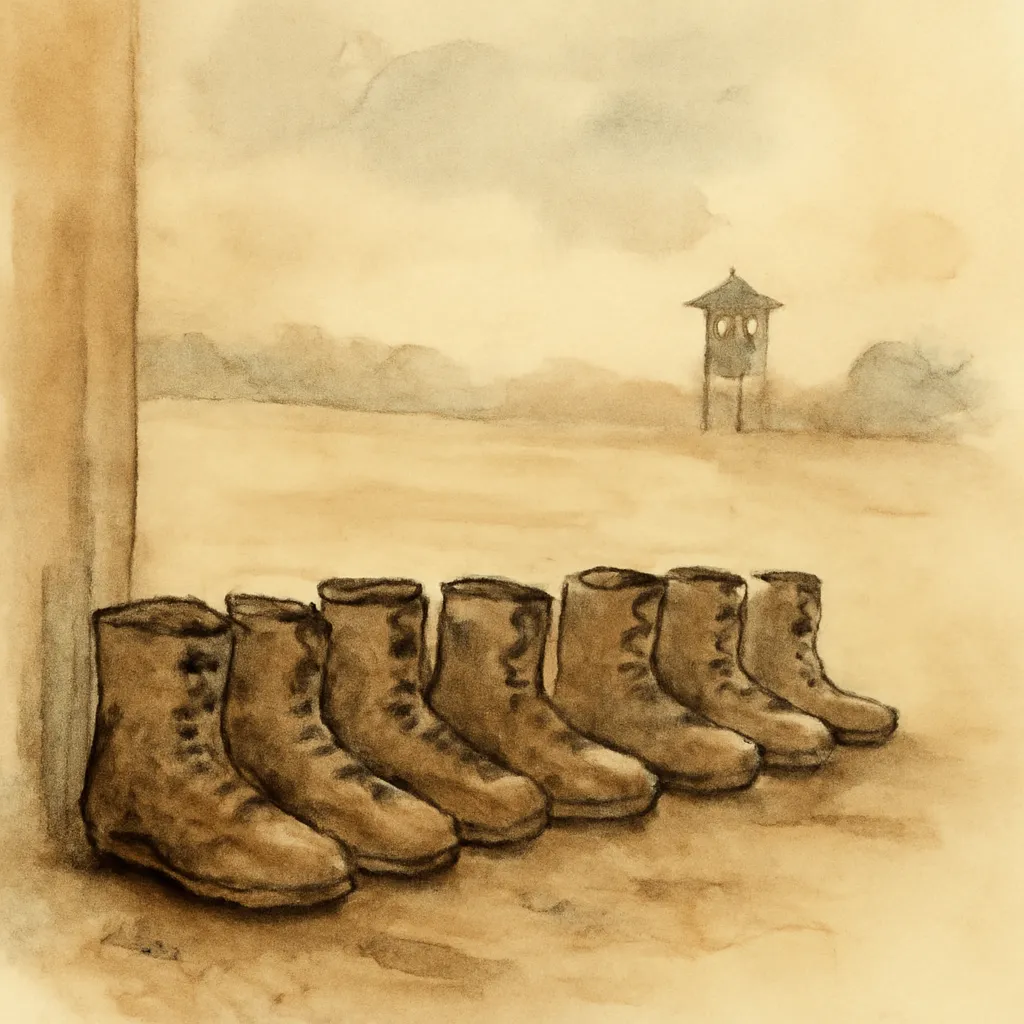
Training and preparation emerge as crucial themes in the narrative, particularly as Bob leads his men on a mission to recapture deserters. The soldiers' experiences highlight the importance of being well-prepared for the unpredictability of military engagements. Bob's strategic thinking and quick decision-making during confrontations reflect the training that underpins effective military operations. This emphasis on preparation serves as a reminder that success in any endeavor often hinges on the groundwork laid beforehand. The narrative illustrates that thorough training can mean the difference between success and failure in high-stakes situations. Bob’s ability to adapt and strategize under pressure showcases the critical role that training plays in shaping competent leaders. Castlemon thus encourages readers to appreciate the discipline and commitment required to excel, not just in military contexts but in all aspects of life, suggesting that preparation is a fundamental attribute of successful individuals.
9.The Transformation of Character Through Adversity

Bob Owens’s character undergoes significant transformation throughout the narrative, shaped by the challenges he faces as a corporal. Initially portrayed as a young soldier grappling with self-doubt, Bob gradually evolves into a decisive and courageous leader. His experiences with desertion, conflict, and camaraderie push him to confront his fears and embrace his responsibilities. This journey of personal growth illustrates the profound impact that adversity can have on character development. Castlemon emphasizes that through struggle and perseverance, individuals can discover their strengths and capabilities, ultimately emerging stronger and more resilient. Bob's evolution serves as an inspiring reminder of the human capacity for growth in the face of challenges. As he navigates the complexities of military life, his maturation reflects a universal journey of self-discovery, encouraging readers to consider their own paths of growth in response to life’s adversities.
10.The Interplay of Duty and Personal Aspirations

The narrative explores the tension between personal aspirations and the obligations of military duty. Characters like Bob Owens grapple with their ambitions, often overshadowed by the demands of the army. The pressure to perform well in his role as a corporal conflicts with Bob's desire to connect with his peers and maintain his sense of self. This interplay serves as a reflection of the broader human experience, where individuals must navigate the expectations placed upon them while striving to fulfill their own dreams. Castlemon invites readers to consider how duty can both shape and constrain personal aspirations, creating a complex landscape of choices and sacrifices. This theme resonates with anyone who has ever had to balance personal goals with societal or professional obligations. As Bob reflects on his duties and personal desires, readers are encouraged to engage with the struggles of balancing responsibility with personal fulfillment, making this theme relatable and deeply relevant.