
A young soldier's courage and ingenuity shine amid the challenges of military life and the complexities of human relationships
Read full overviewShow less›
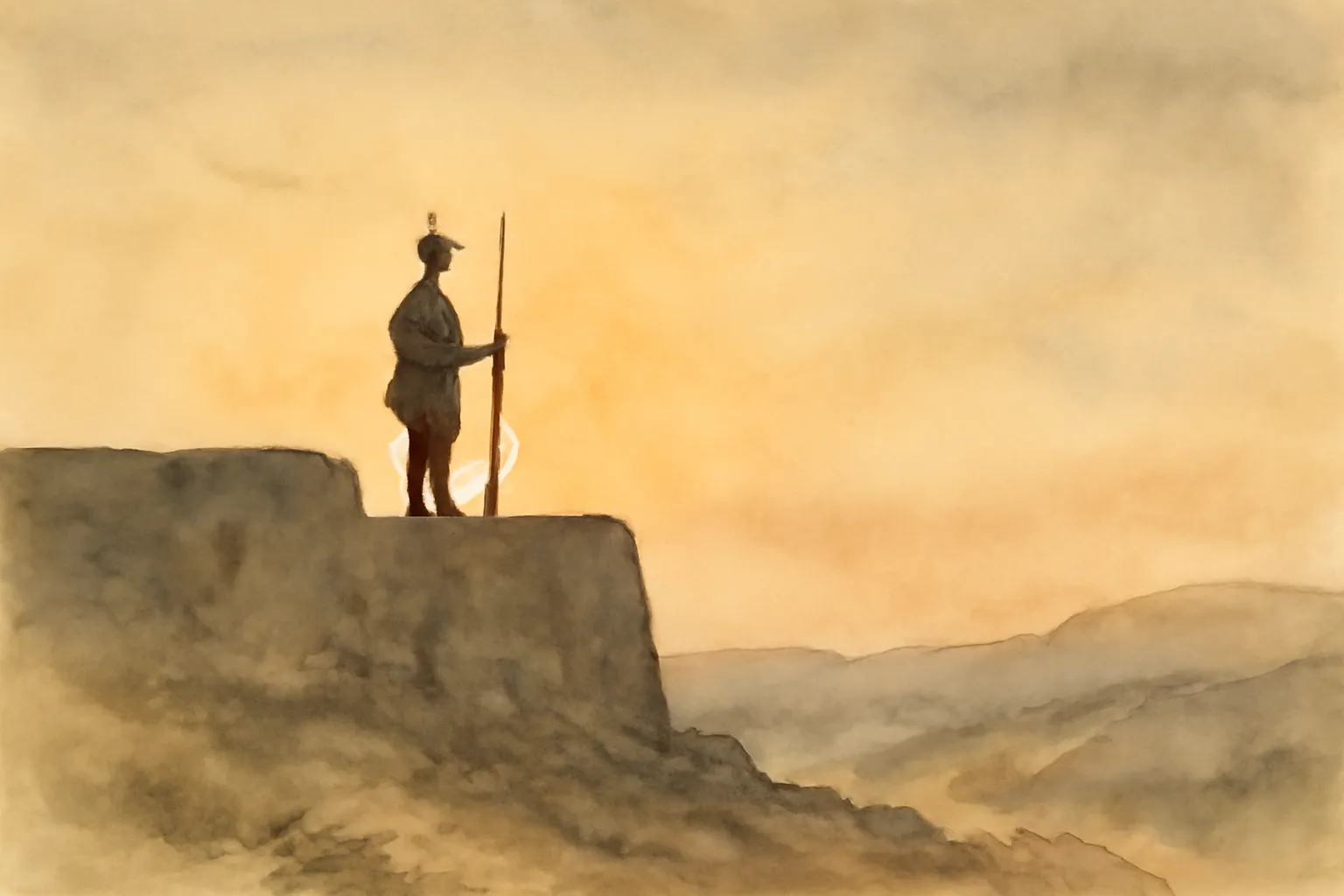
In 'George at the Fort; Or, Life Among the Soldiers,' Harry Castlemon takes readers on a vivid journey through the trials and tribulations faced by young soldiers stationed at Fort Lamoine. The story revolves around Corporal Bob Owens, who grapples with the pressures of leadership, the realities of desertion, and the weight of responsibility while navigating friendships and rivalries. As the characters confront their fears and ambitions, readers gain insight into the camaraderie, bravery, and moral dilemmas that define military life. This engaging narrative not only entertains but also provokes thought about duty, sacrifice, and the bonds formed in the most challenging circumstances.
'George at the Fort; Or, Life Among the Soldiers' offers a compelling exploration of the trials faced by young soldiers, highlighting the interplay between duty, friendship, and personal growth. Through the eyes of Corporal Bob Owens, readers witness the harsh realities of military life, marked by desertion, moral challenges, and the need for courage. The narrative not only entertains but also provokes deeper reflections on the nature of leadership, loyalty, and the bonds forged in adversity. Castlemon's vivid storytelling invites readers to appreciate the complexities of human relationships in the face of conflict and the enduring spirit of those who serve.
- 1The Weight of Leadership
- 2Desertion and Its Consequences
- 3Friendship Amidst Adversity
- 4The Complexity of Morality in War
- 5Courage in the Face of Danger
A glimpse inside

Corporal Bob Owens embodies the struggles of young leaders thrust into positions of responsibility. As he is tasked with locating deserters who have fled the fort, Bob's… Read moreCorporal Bob Owens embodies the struggles of young leaders thrust into positions of responsibility. As he is tasked with locating deserters who have fled the fort, Bob's internal conflict becomes palpable. He battles the fear of failure and the desire to prove himself to his superiors and peers. This reflects a universal truth about leadership: it often comes with heavy burdens. The narrative takes readers through Bob's thought processes as he contemplates the ramifications of his mission. He understands that if he fails, not only will he disappoint Colonel Brown, but he could also compromise the safety of his fellow soldiers. Bob's determination to carry out his orders, despite the risks involved, showcases the courage required to lead effectively. Leadership here is depicted not simply as a role but as an intricate dance of responsibility, honor, and personal integrity. He finds himself at a crossroads where he must choose between loyalty to his friends and his duty to the army, ultimately realizing that true leadership often requires painful decisions. Show less
The theme of desertion pervades the narrative, highlighting the personal and societal implications of such actions. Colonel Brown's frustration over the desertion of sold… Read moreThe theme of desertion pervades the narrative, highlighting the personal and societal implications of such actions. Colonel Brown's frustration over the desertion of soldiers reveals the deep sense of betrayal felt by commanding officers when their men choose to abandon their posts. Each deserter represents a failure not just to the military institution but also to the spirit of brotherhood that binds soldiers together. The deserters, armed and determined, represent a significant threat not only to the military structure but also to their comrades who remain loyal. Bob Owens’s mission to recapture these deserters serves as a critical turning point in the story, illustrating the complexities of loyalty, fear, and the desperate lengths individuals will go to escape the realities of military life. The narrative poses questions about the psychological motivations behind such decisions: is it fear of battle, homesickness, or disillusionment with military life that drives men to desert? As Bob grapples with these questions, he becomes more acutely aware of the emotional turmoil that can lead to such drastic choices among his comrades, making the theme of desertion a poignant reflection on human vulnerability. Show less
Read the full text — free
About the author
Read Harry Castlemon's work free on Lumina — the complete text plus an 8-minute summary and key ideas, no account needed