1.The Struggles of the Lower Classes

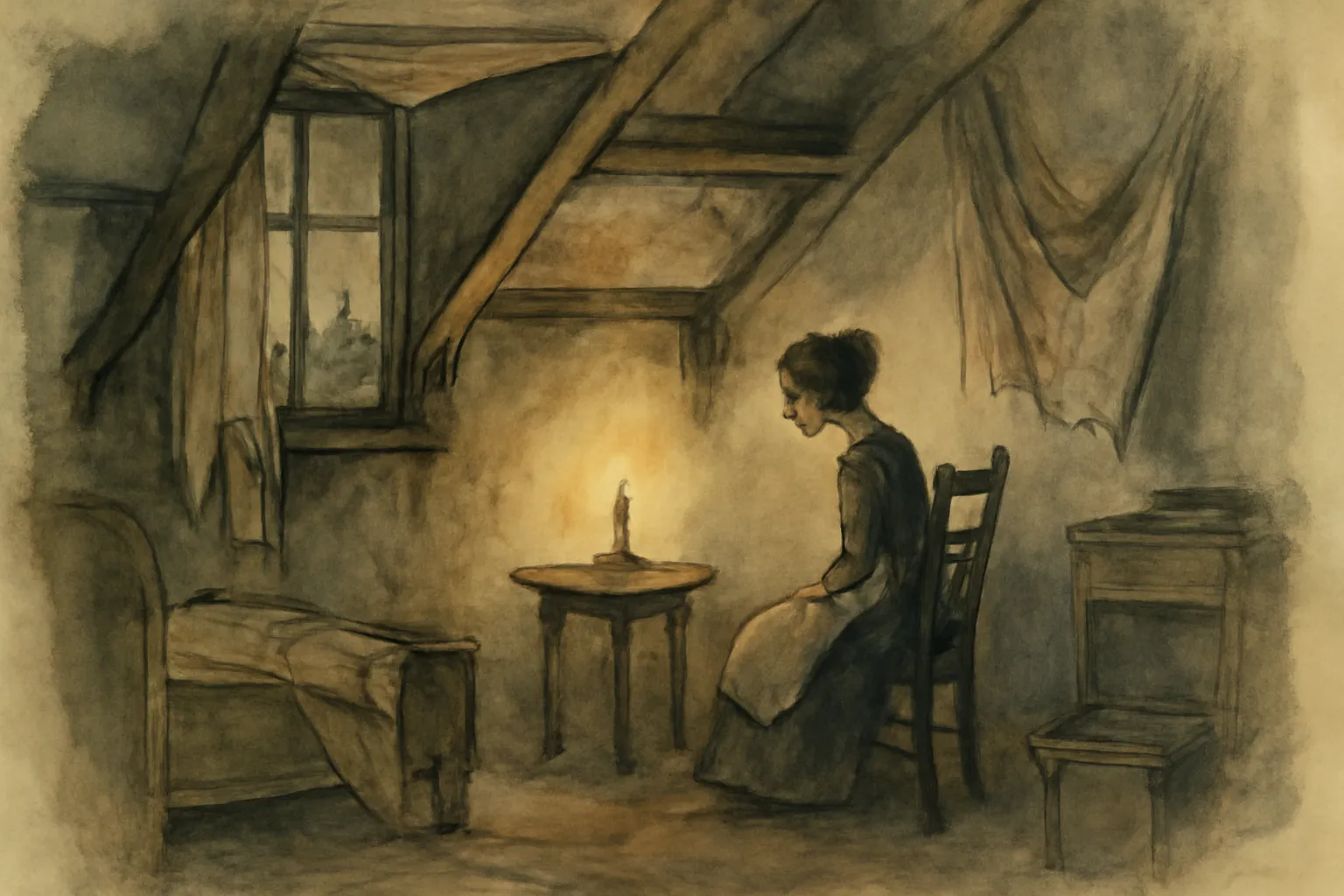
Goncourt's narrative delves into the lives of the lower classes in 19th-century Paris, a demographic often ignored by mainstream literature. Germinie, a maid with an unsophisticated background, encapsulates the struggles faced by working-class women. She endures economic hardship and emotional deprivation, echoing the plight of many who lived in the shadows of wealth and privilege. Through her experiences, Goncourt highlights the indifference of the upper classes toward the suffering of the impoverished, raising questions about the societal structures that perpetuate this cycle of neglect. He asks whether the tears shed over the miseries of the poor can evoke the same compassion as those shed over the rich. Germinie's journey through despair reflects the harsh realities of a life dictated by societal expectations and economic constraints, urging readers to empathize with characters who represent the struggles of countless individuals silenced in literature.
2.A Complex Portrait of Love
At the heart of 'Germinie Lacerteux' is a multifaceted portrayal of love, encompassing desire, yearning, and the anguish of unreciprocated feelings. Goncourt explores the complexities of Germinie's relationship with Jupillon, the son of her mistress, illuminating how love intertwines with power dynamics and social status. Germinie's feelings for Jupillon evolve from innocent yearning to a desperate need for validation, as she seeks a connection that ultimately remains elusive. Her love is imbued with hope and despair, highlighting the duality of affection as both a source of joy and profound sorrow. Goncourt’s depiction of Germinie's emotional turmoil invites readers to reflect on the transformative power of love, emphasizing that it can elevate and devastate, revealing the vulnerabilities inherent in human relationships.
3.The Impact of Class and Society

Goncourt intricately weaves themes of class and societal expectations throughout the narrative, illustrating how they shape personal identities and relationships. Germinie's dreams of marriage and a better life are constantly thwarted by her social standing, reflecting the rigid class structures of the time. The disdain with which upper-class characters view Germinie and her peers reveals a societal hierarchy that dismisses the humanity of the lower classes. Goncourt critiques the way society romanticizes the lives of the wealthy while ignoring the emotional and physical toll exacted on those who serve them. The relationships between characters underscore the power imbalance inherent in class dynamics, as Germinie’s aspirations clash with societal limitations. By portraying Germinie's struggles, the author invites readers to confront the moral implications of class disparity and the responsibilities of those in power to recognize and uplift the marginalized.
4.The Influence of Religion and Spirituality
Religion plays a significant role in the lives of the characters, particularly for Germinie, who seeks solace in the Catholic faith. The priest becomes a confidant for her, representing a source of compassion and understanding that is otherwise absent in her life. Goncourt explores the duality of religion as both a source of comfort and a tool for societal control. For Germinie, confession offers a momentary reprieve from her struggles, allowing her to express her deepest fears and regrets. Yet, the priest's role highlights the limitations of religious institutions in addressing the root causes of suffering. Goncourt's nuanced portrayal of faith invites readers to consider the ways in which spirituality can both uplift and constrain individuals, especially those who are already vulnerable. The narrative emphasizes that while faith can provide solace, it may not always lead to the tangible support needed to navigate life's challenges.
5.A Study of Gender Dynamics

The novel presents a critical examination of gender roles and the expectations placed upon women in society. Germinie embodies the struggles of working-class women who are often relegated to submissive roles, dependent on the whims of their employers and male counterparts. Her aspirations for love and marriage are constantly undermined by societal views that deem her unworthy due to her class and background. Goncourt illustrates how women navigate their desires within a patriarchal framework, often sacrificing their own happiness for the sake of others. The relationships between female characters reveal a complex web of competition, jealousy, and camaraderie, showcasing the multifaceted nature of female existence in a world dominated by men. This exploration prompts a deeper conversation about the systemic inequalities that persist in society, encouraging readers to reflect on the ongoing struggles for gender equality and the ways in which women's voices can be marginalized.
6.The Power of Memory and Reflection
Memory serves as a powerful theme in 'Germinie Lacerteux,' with characters often reflecting on their pasts as a means of understanding their present circumstances. Germinie's recollections of her childhood and her early experiences in Paris shape her identity and inform her desires. Goncourt skillfully uses these memories to illustrate how the past can haunt individuals, influencing their choices and emotional states. For Germinie, the contrast between her hopeful dreams and her harsh realities creates a poignant sense of longing and regret. The act of remembering becomes both a source of pain and a means of coping with her current struggles, as she navigates the complexities of love and loss. This theme resonates with readers, emphasizing the importance of self-reflection in one's journey toward self-acceptance and healing, and invites them to examine how their own pasts shape their present.
7.The Role of Environment and Setting
The physical environment in 'Germinie Lacerteux' plays a crucial role in shaping the narrative and the characters' experiences. Goncourt meticulously describes the settings, from the cramped quarters of Germinie's workplace to the vibrant yet oppressive streets of Paris. The descriptions serve to enhance the emotional weight of the story, reflecting the characters' inner turmoil and societal constraints. The contrast between the bustling city and Germinie's isolated existence highlights the loneliness and despair that permeate her life. Goncourt's attention to detail allows readers to feel the weight of the environment on the characters, deepening their understanding of how place influences identity and emotional well-being. This exploration of setting invites readers to consider the broader implications of urban life and its impact on social dynamics, encouraging reflection on how the spaces we inhabit shape our experiences and identities.
8.The Consequences of Desire and Disillusionment
Desire is a driving force in Germinie's life, shaping her actions and relationships. However, Goncourt illustrates the often painful consequences of unchecked desire and the disillusionment that follows. Germinie's longing for love and acceptance leads her into a tumultuous relationship with Jupillon, whose indifference ultimately shatters her dreams. The novel captures the complexity of desire, portraying it as both a source of hope and a catalyst for suffering. Goncourt's exploration of disillusionment serves as a reminder of the fragility of human connections and the harsh realities that can accompany love. This theme resonates deeply, prompting readers to reflect on their own experiences with desire, fulfillment, and the inevitable disappointments that can arise in the pursuit of happiness. The narrative powerfully conveys that the pursuit of love, while fraught with challenges, is an intrinsic part of the human experience.
9.The Cycle of Suffering and Redemption
Germinie's journey is marked by a continuous cycle of suffering and fleeting moments of redemption. Goncourt masterfully portrays her struggles, emphasizing how her pain shapes her identity and her relationships. Despite the darkness that envelops her life, moments of tenderness and connection provide glimpses of hope. The arrival of her child symbolizes a potential for redemption, a chance to break free from the cycle of despair. However, the subsequent loss of her child plunges Germinie back into anguish, underscoring the fragility of happiness. This cyclical nature of suffering invites readers to contemplate the resilience of the human spirit and the possibility of finding meaning amid adversity. Goncourt's depiction of this cycle serves as a powerful reminder of the complexities of life and the enduring quest for solace, compelling readers to consider how they navigate their own cycles of suffering and recovery.
10.Emotional and Psychological Depth
Goncourt's writing is characterized by its emotional and psychological depth, offering readers a profound insight into the inner lives of his characters. The psychological struggles faced by Germinie are vividly portrayed, allowing readers to empathize with her turmoil and despair. Goncourt's exploration of mental health, particularly the melancholia experienced by Germinie, underscores the impact of societal pressures on individual psyches. The author delves into the complexities of her emotional state, illustrating how societal expectations and personal desires clash within her. This focus on psychological realism invites readers to reflect on their own mental health and the societal factors that influence it. By presenting Germinie’s internal battles with such honesty, Goncourt creates a rich tapestry of human emotion that resonates deeply, reminding us of the shared struggles that define our humanity.