
Germinie Lacerteux presents a haunting exploration of love, despair, and the often-overlooked struggles of the lower classes in 19th-century Paris
Read full overviewShow less›
In a world where the lives of the poor are rarely depicted with depth or empathy, Edmond de Goncourt's 'Germinie Lacerteux' breaks the mold by offering an unflinching portrait of a young woman's tragic existence. Germinie, a maid caught between her desires and her harsh reality, navigates a world filled with emotional turmoil, societal contempt, and the yearning for love and belonging. This novel serves not only as a story of one woman's struggles but also as a broader commentary on class disparities, the nature of love, and the complexities of human emotion. Readers will find themselves immersed in a vivid narrative that challenges the romanticized notions of love and happiness, revealing the often painful truths of life for those at the margins of society.
Ultimately, 'Germinie Lacerteux' serves as a poignant exploration of the human condition, shedding light on the often-unseen struggles of those living on the margins of society. Goncourt's unflinching portrayal of Germinie's life invites readers to confront their own biases and assumptions about love, class, and gender. The novel's rich emotional depth and complex characters resonate long after the final page is turned, challenging us to empathize with those whose stories are often silenced. In a world that continues to grapple with issues of inequality and injustice, Germinie's story remains relevant, reminding us of the enduring power of literature to illuminate the human experience.
Ratings at a glance
- 1The Struggles of the Lower Classes
- 2A Complex Portrait of Love
- 3The Impact of Class and Society
- 4The Influence of Religion and Spirituality
- 5A Study of Gender Dynamics
Notable quotes
“Ah, well! so I must live on!”
“For it is the nature of her sex to seek an outlet for the emotions and an arm to lean upon.”
“What the devil! said she, after a few moments of silent scrutiny, what! is it really you?—Then I have never used my eyes to look at you.”
A glimpse inside

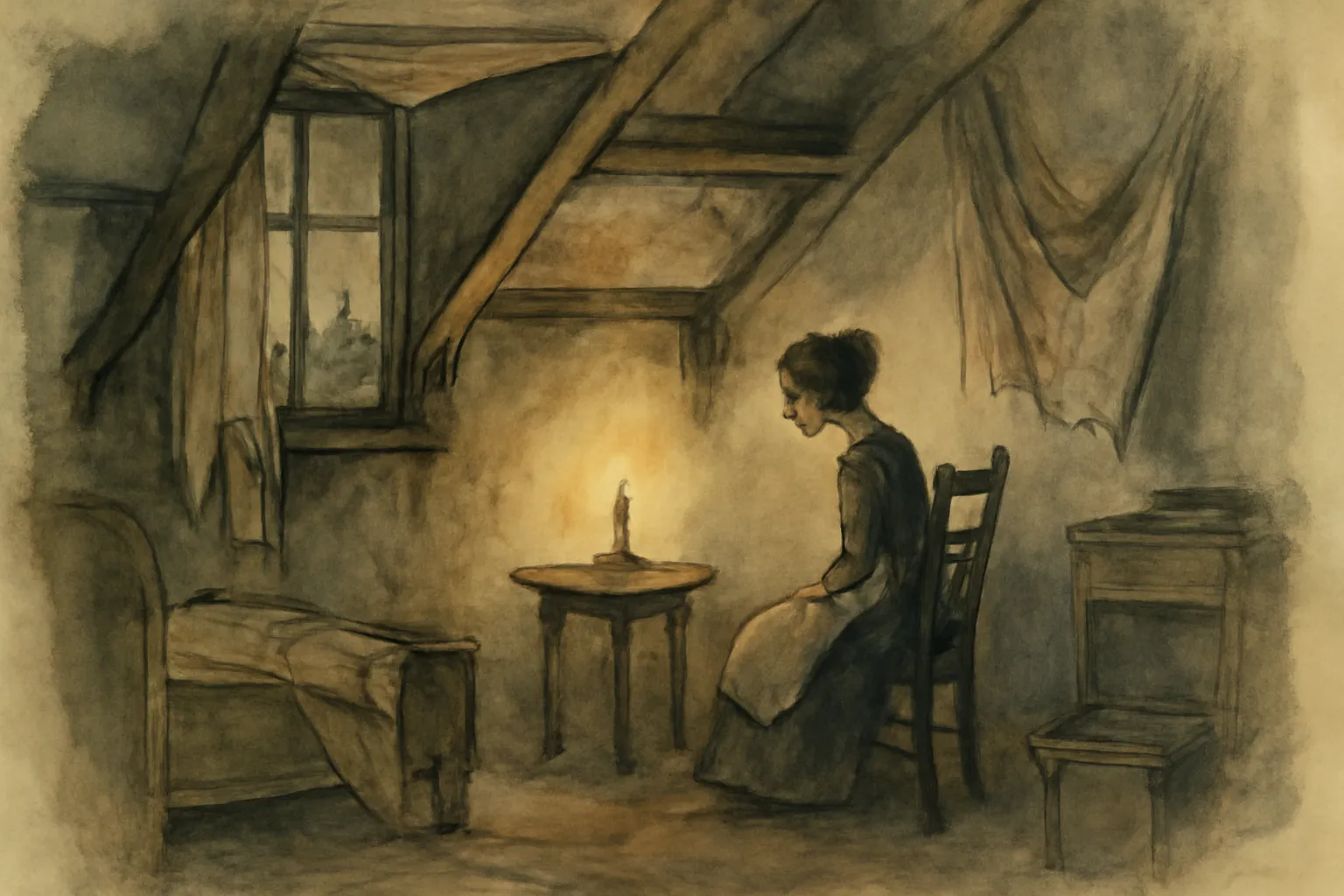
Goncourt's narrative delves into the lives of the lower classes in 19th-century Paris, a demographic often ignored by mainstream literature. Read moreGoncourt's narrative delves into the lives of the lower classes in 19th-century Paris, a demographic often ignored by mainstream literature. Germinie, a maid with an unsophisticated background, encapsulates the struggles faced by working-class women. She endures economic hardship and emotional deprivation, echoing the plight of many who lived in the shadows of wealth and privilege. Through her experiences, Goncourt highlights the indifference of the upper classes toward the suffering of the impoverished, raising questions about the societal structures that perpetuate this cycle of neglect. He asks whether the tears shed over the miseries of the poor can evoke the same compassion as those shed over the rich. Germinie's journey through despair reflects the harsh realities of a life dictated by societal expectations and economic constraints, urging readers to empathize with characters who represent the struggles of countless individuals silenced in literature. Show less
At the heart of 'Germinie Lacerteux' is a multifaceted portrayal of love, encompassing desire, yearning, and the anguish of unreciprocated feelings. Read moreAt the heart of 'Germinie Lacerteux' is a multifaceted portrayal of love, encompassing desire, yearning, and the anguish of unreciprocated feelings. Goncourt explores the complexities of Germinie's relationship with Jupillon, the son of her mistress, illuminating how love intertwines with power dynamics and social status. Germinie's feelings for Jupillon evolve from innocent yearning to a desperate need for validation, as she seeks a connection that ultimately remains elusive. Her love is imbued with hope and despair, highlighting the duality of affection as both a source of joy and profound sorrow. Goncourt’s depiction of Germinie's emotional turmoil invites readers to reflect on the transformative power of love, emphasizing that it can elevate and devastate, revealing the vulnerabilities inherent in human relationships. Show less
Read the full text — free
About the author
Read Edmond de Goncourt's work free on Lumina — the complete text plus an 8-minute summary and key ideas, no account needed