1.The Enchantment of Transformation
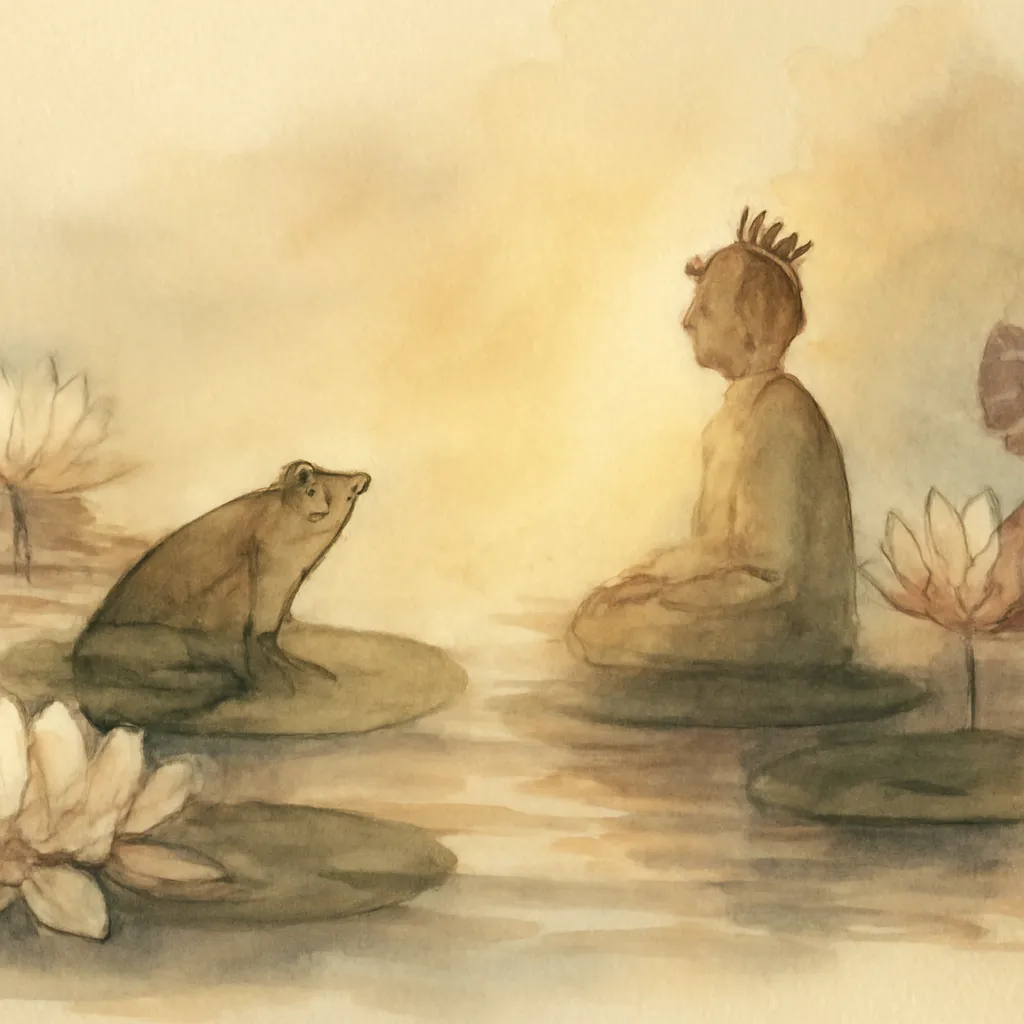
Many of the tales in Grimms' collection revolve around the theme of transformation, where characters undergo significant changes that often reflect their inner journeys. For instance, in stories like 'The Frog Prince,' a seemingly unappealing character transforms into a handsome prince, emphasizing the idea that true beauty lies beneath the surface. This transformation is not merely physical; it represents personal growth and the recognition of one’s true self. The tales suggest that embracing change—whether through trials or magical intervention—can lead to redemption and fulfillment. The recurring motif of transformation serves as a powerful reminder that our circumstances can evolve, and so can we, if we are willing to confront our fears and prejudices.
2.The Consequences of Greed
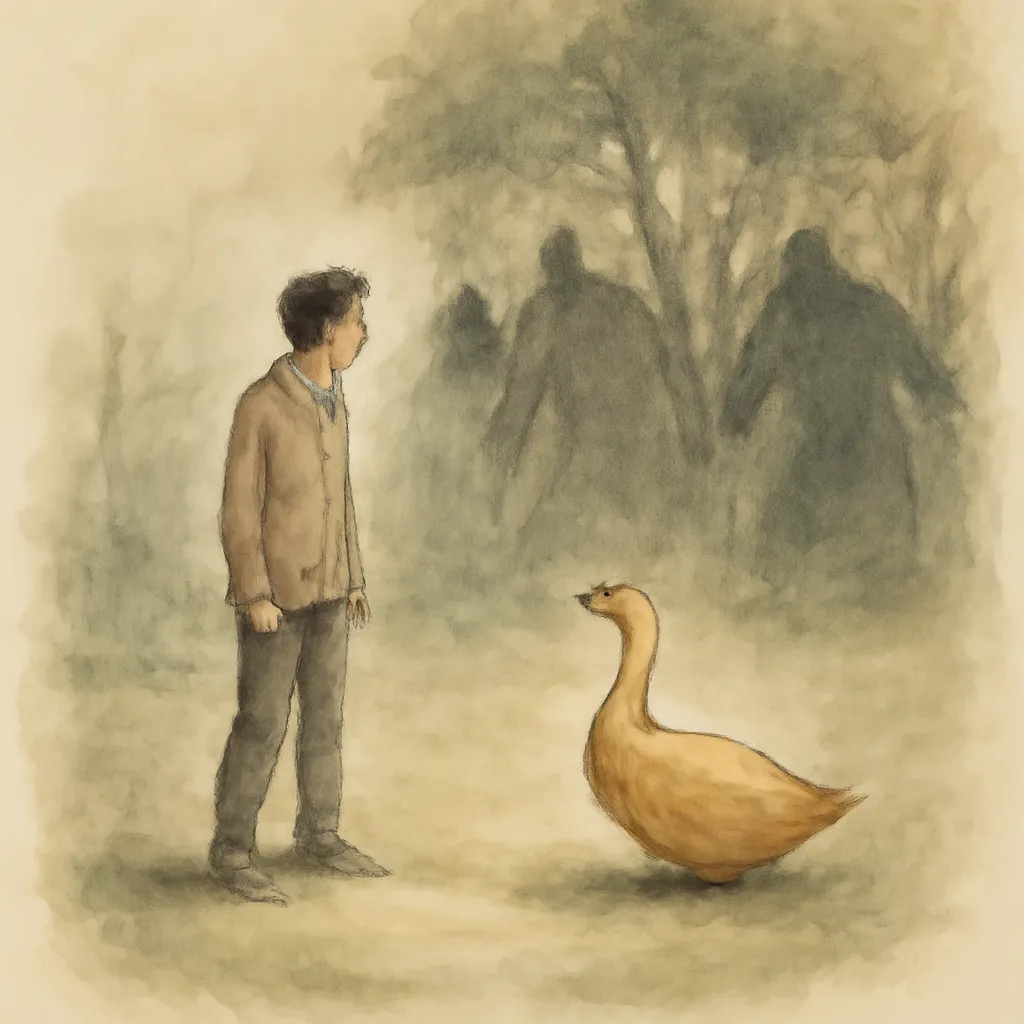
Greed is a prevalent theme in many of the Grimms' tales, serving as a cautionary element that warns against the dangers of excessive desire. In 'The Golden Goose,' for example, a simple young man’s luck changes dramatically when he discovers a goose that produces golden eggs. However, those around him, driven by greed, repeatedly attempt to exploit his fortune, only to face dire consequences. This narrative highlights the destructive nature of greed—not just for the greedy individuals but also for those who are close to them. The stories illustrate that the pursuit of wealth can lead to isolation, betrayal, and ultimately, downfall. The moral is clear: true happiness and fulfillment come from generosity and kindness, rather than material wealth.
3.The Power of Cleverness and Wit
Intelligence and quick thinking are often depicted as the keys to overcoming adversity in Grimms' Fairy Tales. Characters who rely on their wits rather than brute strength often emerge victorious. In 'Rumpelstiltskin,' the protagonist, a miller's daughter, must outsmart the titular character to save her child. Her cleverness in guessing his name becomes the turning point of the story, demonstrating that intellect can triumph over seemingly insurmountable challenges. This theme encourages readers to value intelligence and resourcefulness over physical prowess, suggesting that wisdom is a powerful tool in navigating the complexities of life. The tales celebrate the idea that cleverness can lead to liberation and success, often allowing the underdog to prevail.
4.The Role of Fate and Destiny
Fate plays a significant role in the Grimms' narratives, where characters often find themselves at the mercy of forces beyond their control. In 'The Twelve Brothers,' a king's decision to kill his sons leads to a series of tragic events that ultimately fulfill a predetermined fate. The stories suggest that while individuals may strive to alter their destinies, certain outcomes are inescapable. This theme raises questions about free will and the extent to which our lives are shaped by fate versus our choices. Readers are invited to ponder the balance between action and acceptance, as characters navigate their paths, often learning that they must embrace their fates rather than resist them.
5.Moral Lessons Wrapped in Darkness
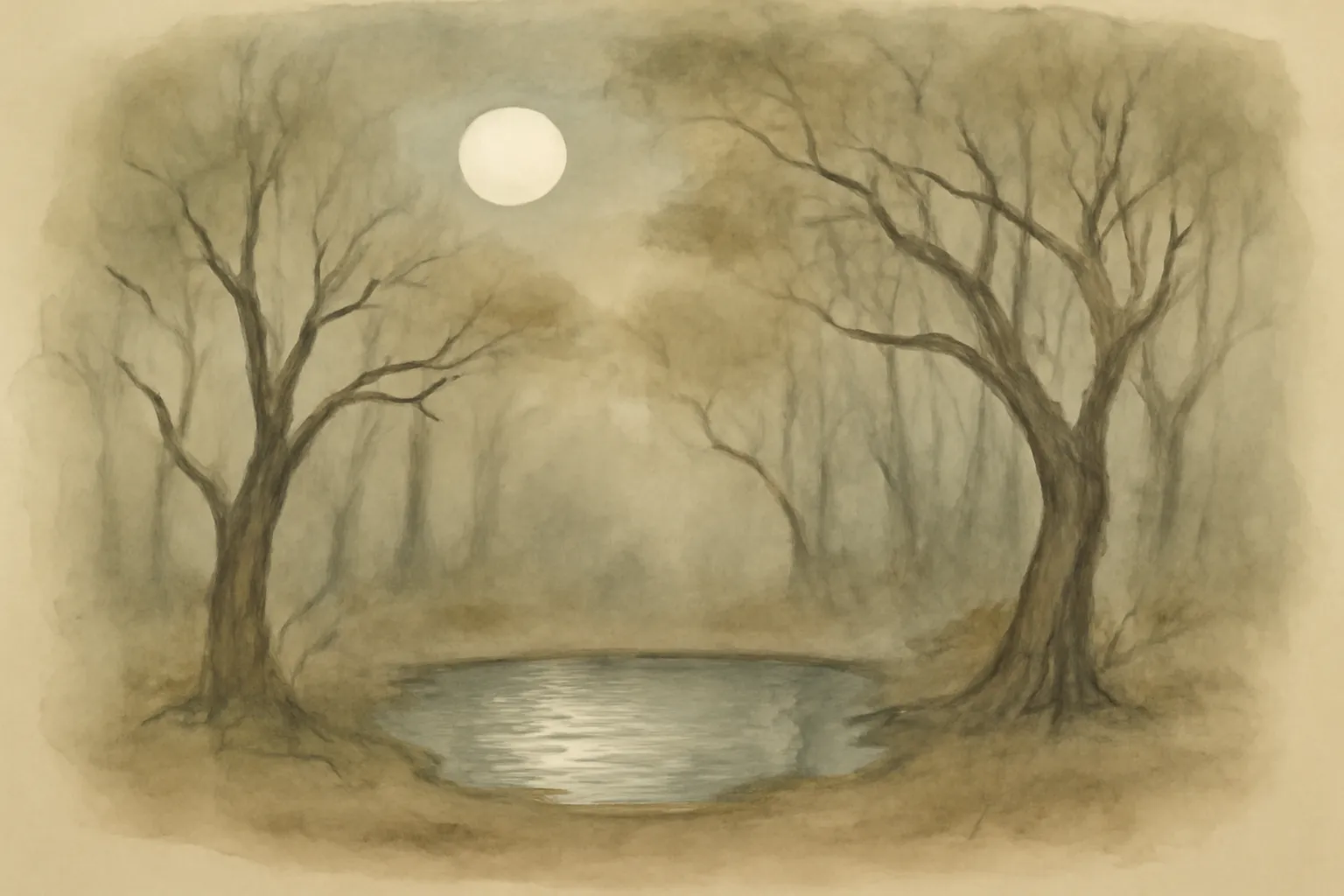
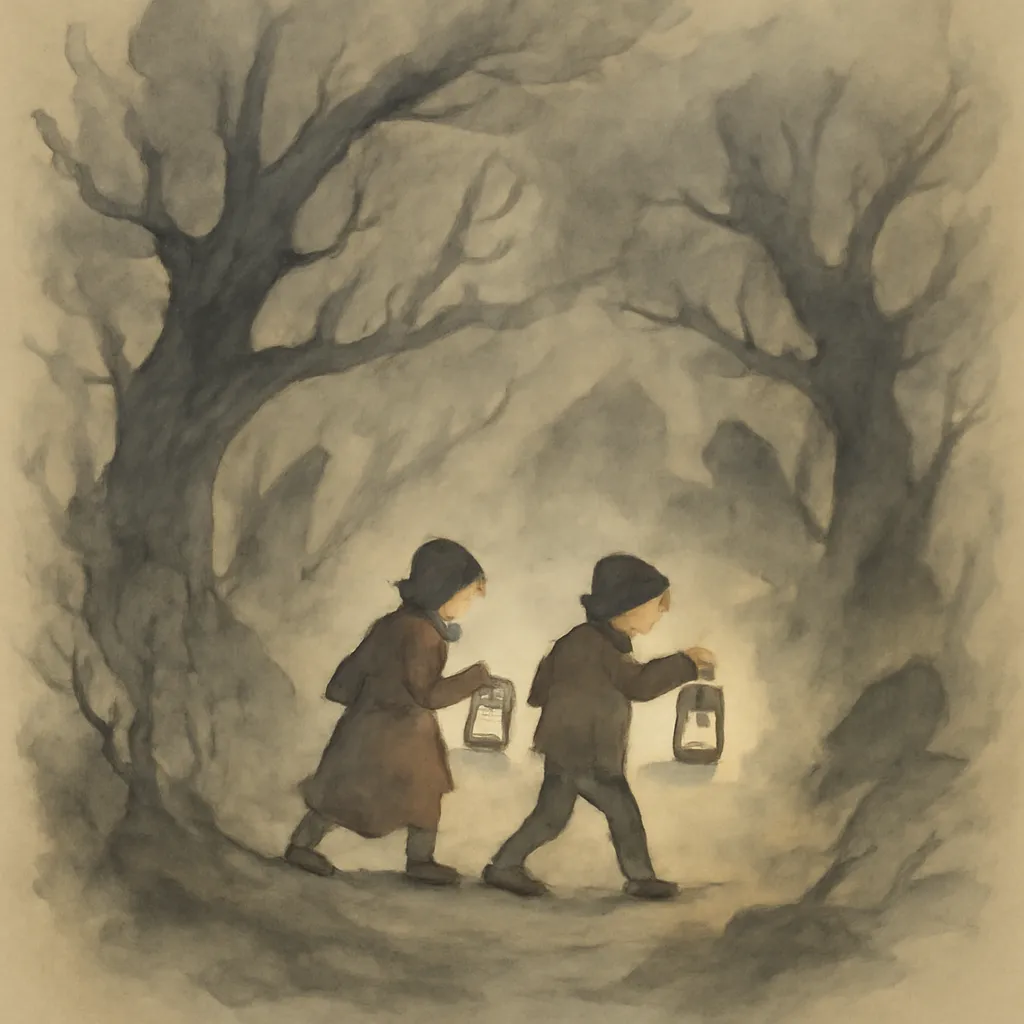
While many of the tales are whimsical and enchanting, they often contain darker elements that serve as moral lessons. Stories like 'Hansel and Gretel' depict the harsh realities of survival and the consequences of parental neglect. The children’s journey through the forest symbolizes the loss of innocence and the struggle against evil. This juxtaposition of light and dark in the narratives serves to reinforce moral instruction, illustrating that life is filled with both joy and sorrow. The tales remind us that challenges and hardships can lead to growth and wisdom, emphasizing the importance of resilience. The darkness in these stories is not merely for shock value; it serves to ground the magic in reality, making the lessons more impactful.
6.The Importance of Family and Community
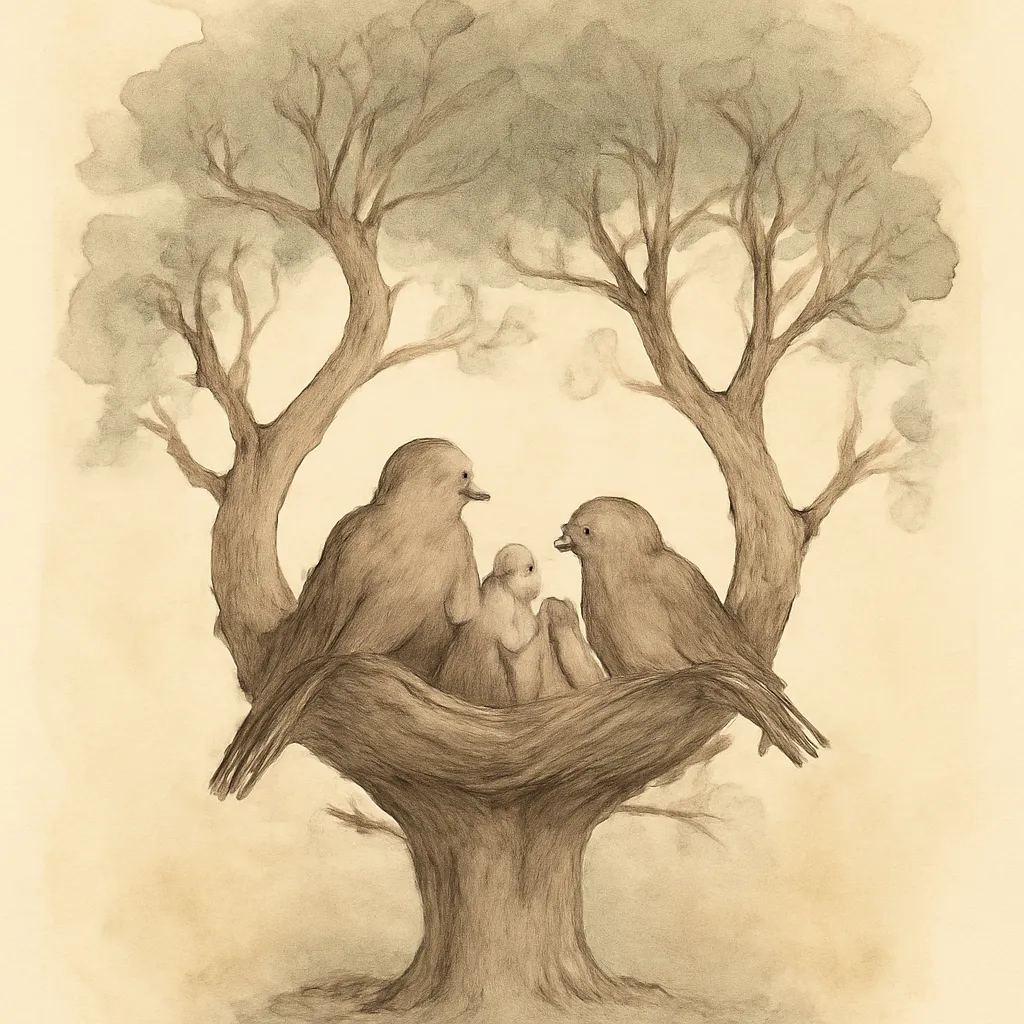
Family bonds and community support are recurring motifs in Grimms' Fairy Tales, highlighting the significance of relationships in overcoming adversity. In tales like 'The Six Swans,' a sister’s unwavering love and determination to save her brothers from a curse underscores the power of familial loyalty. The stories illustrate that unity and cooperation can lead to miraculous outcomes, suggesting that individuals are stronger when they stand together. The importance of community is also reflected in the stories where characters rely on the help of friends or allies to achieve their goals. This emphasis on togetherness reinforces the idea that collective strength and support are crucial in navigating life's trials, reminding readers of the value of connection.
7.The Complexity of Good and Evil
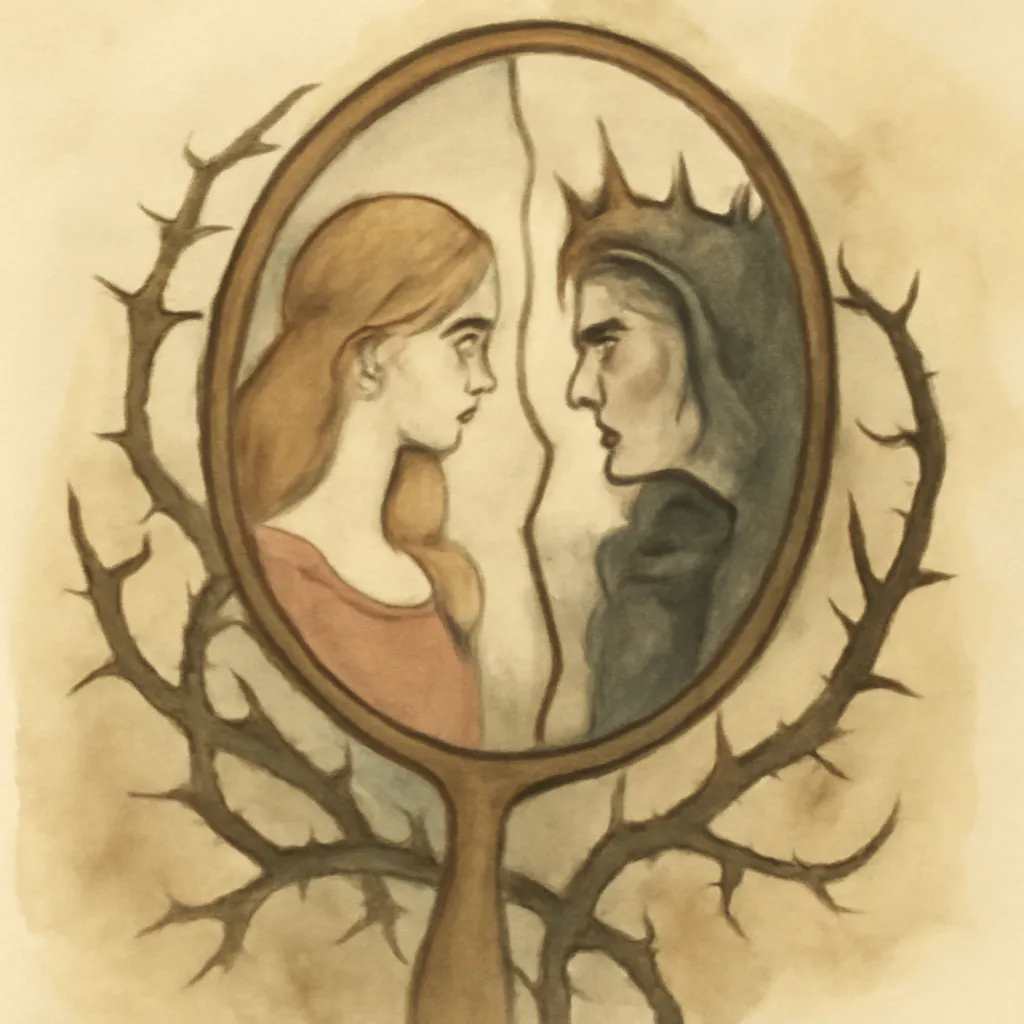
Grimms' Fairy Tales often blur the lines between good and evil, presenting characters with moral complexities that challenge simplistic notions of right and wrong. In 'Snow White,' the wicked queen embodies jealousy and vanity, yet her motivations are rooted in a desire to maintain power. Similarly, characters like the wolf in 'Little Red Riding Hood' are not purely evil; they exhibit cunning intelligence and charm, complicating the reader's perception. This nuanced portrayal of morality encourages readers to consider the motivations behind actions and the consequences they yield. The tales suggest that understanding the complexities of human nature is essential in navigating ethical dilemmas, highlighting that good and evil often coexist within individuals.
8.The Influence of Nature and the Supernatural
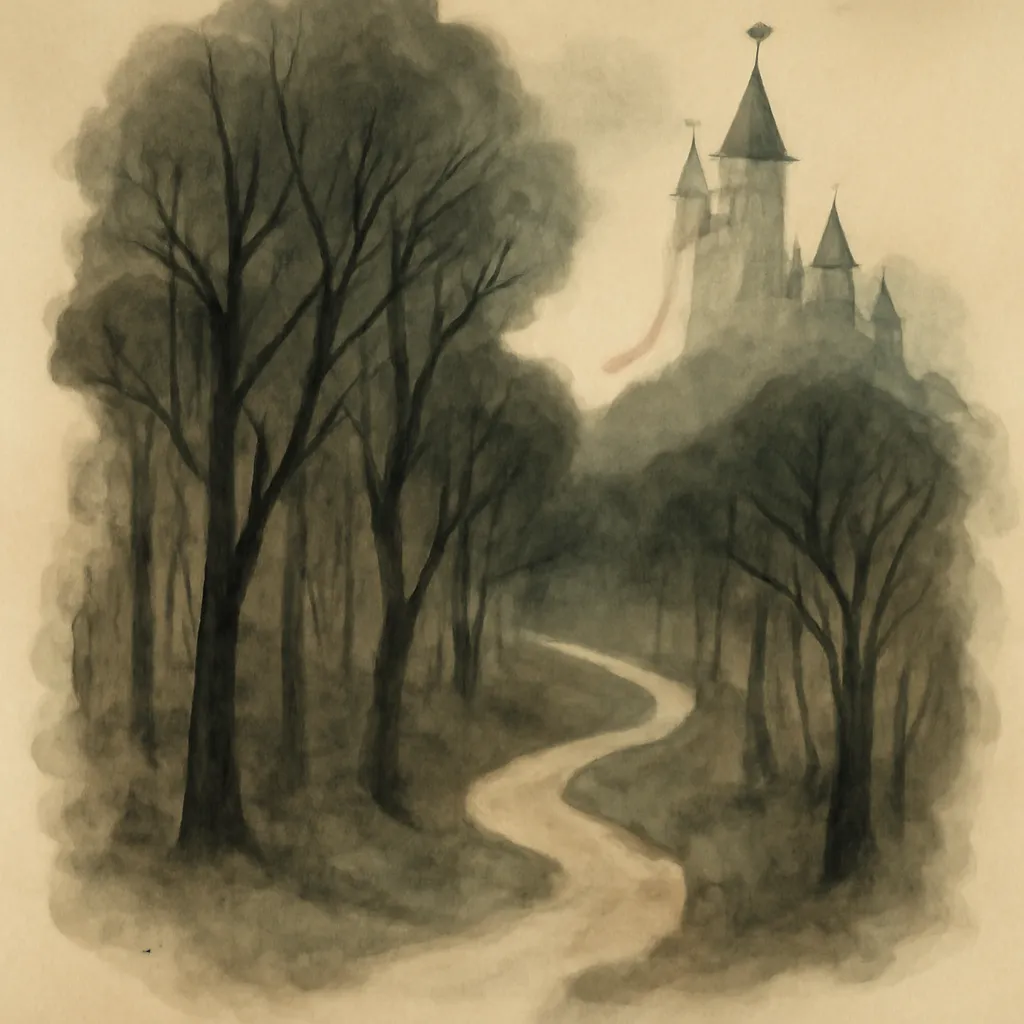
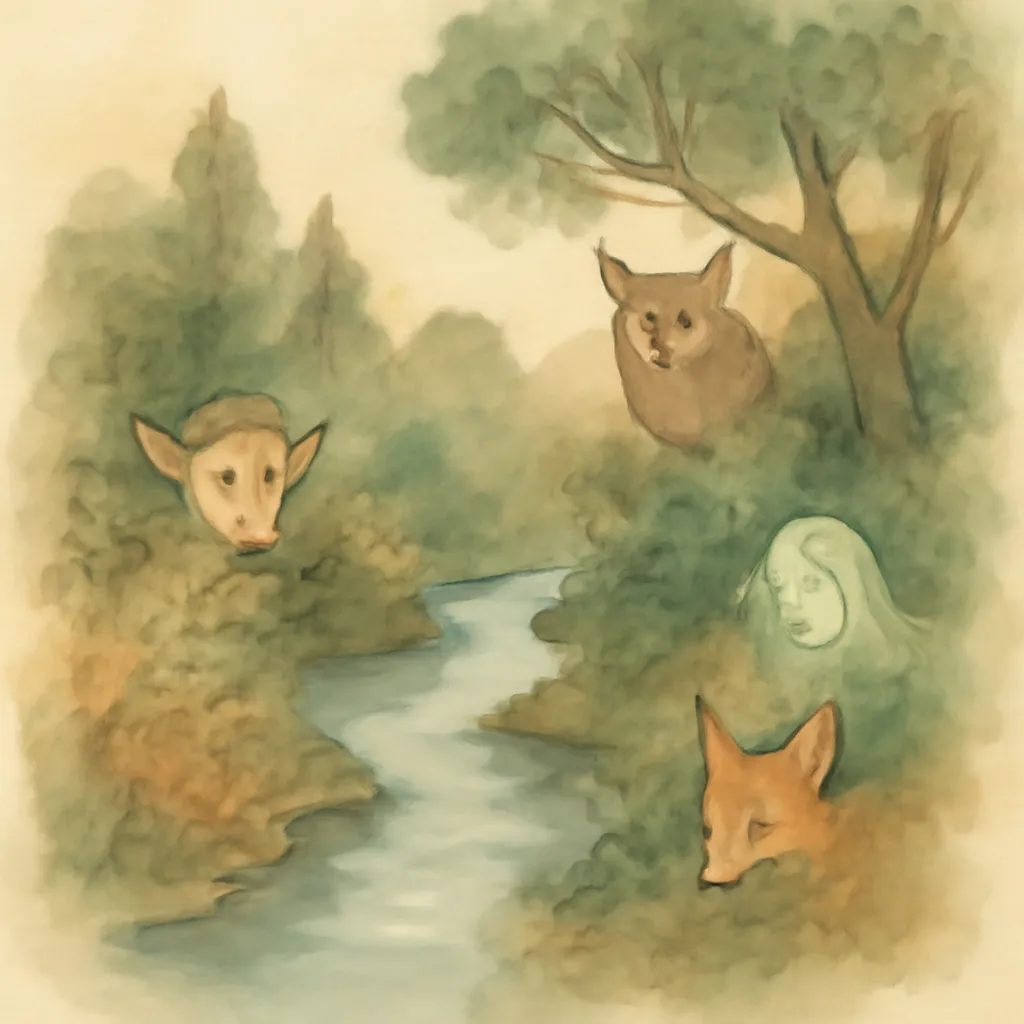
Nature and the supernatural play pivotal roles in shaping the narratives of Grimms' Fairy Tales, often acting as characters in their own right. Forests, rivers, and magical creatures create a rich tapestry that influences the protagonists' journeys. In 'The Fisherman and His Wife,' the sea becomes a source of both fortune and despair, reflecting the protagonist's insatiable desires. The magical elements serve to heighten the sense of wonder while also acting as catalysts for character development. The interplay between the natural world and magical forces emphasizes the connection between humanity and the environment, suggesting that nature is intertwined with human fate. This theme invites readers to respect the power of the natural world and the mysteries it holds.
9.The Legacy of Oral Tradition
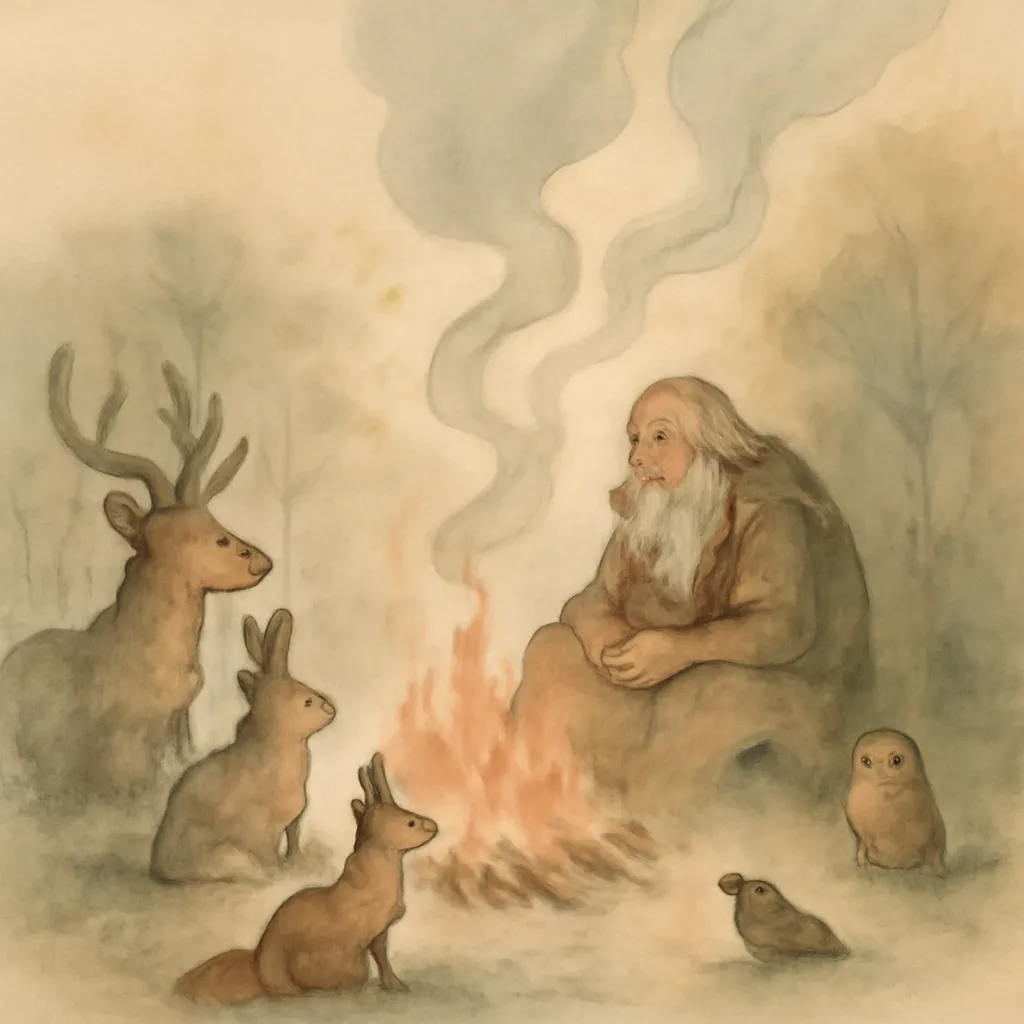
Grimms' Fairy Tales are rooted in oral tradition, capturing the essence of storytelling that has been passed down through generations. Each tale is a reflection of the culture and values of the time, providing insight into the beliefs and customs of the societies from which they originated. The narrative style, characterized by repetition and rhythmic language, engages readers and listeners, making the stories memorable and impactful. This legacy highlights the importance of storytelling as a means of preserving history and imparting wisdom. The tales also demonstrate how folklore evolves, adapting to contemporary contexts while retaining their core messages. The enduring appeal of these stories attests to the power of narrative in shaping our understanding of the world.