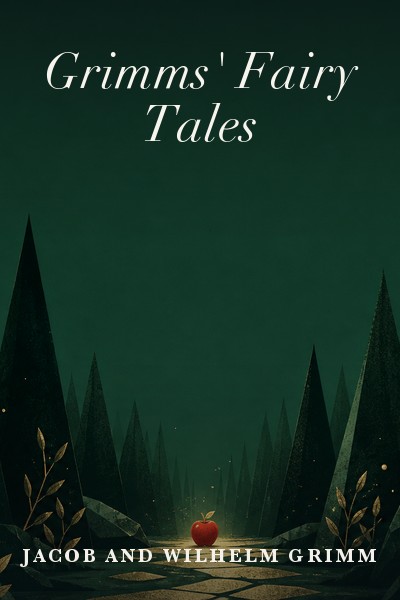

The original, often dark folk tales — Cinderella, Hansel and Gretel, Rapunzel, and dozens more that shaped Western storytelling.
Read full overviewShow less›
Grimms' Fairy Tales is a collection of folklore that transports readers into a world where magic meets moral complexity. Through the lens of classic tales, the Grimms explore themes of ambition, greed, love, and the consequences of one's choices. Each story serves as a reflection of human nature, illustrating the balance between good and evil, and the lessons learned through trials and tribulations. The tales are not merely entertainment; they are rich with cultural significance and psychological insight, making them as relevant today as they were centuries ago. This collection invites readers to contemplate the deeper meanings behind familiar narratives and understand the intricate ways they mirror our own lives.
Grimms' Fairy Tales offer profound insights into the human experience, encapsulating the struggles, triumphs, and moral lessons that resonate across time and cultures. Through enchanting narratives, the tales illuminate the complexities of human nature, the consequences of our choices, and the importance of community and family. They serve as timeless reminders of the values that shape our lives, urging us to reflect on our own journeys and the lessons we can learn from both the magical and the mundane. As we immerse ourselves in these stories, we are reminded that every tale, no matter how fantastical, holds a mirror to our own lives, encouraging us to embrace transformation, wisdom, and the bonds that connect us all.
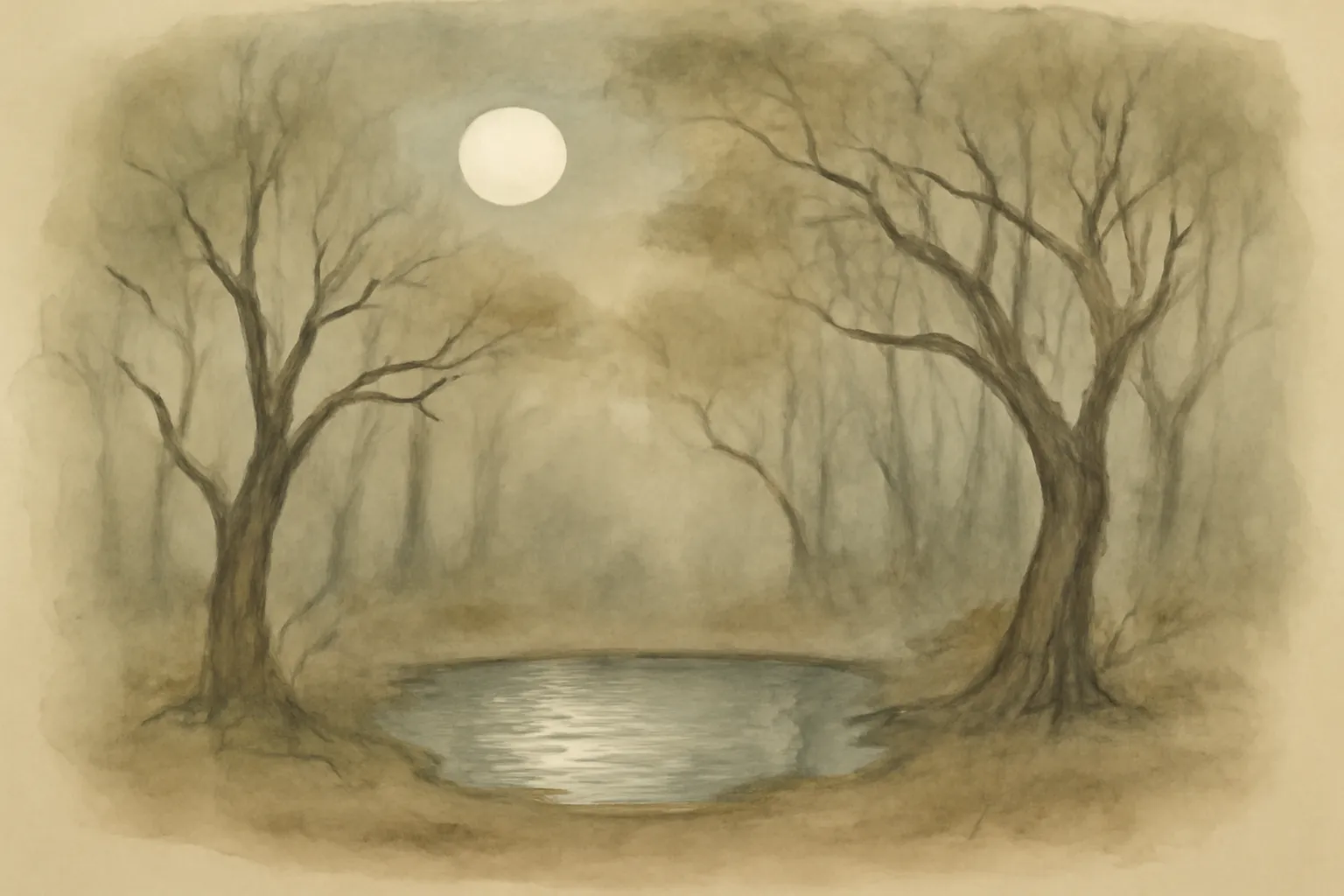
- 1The Enchantment of Transformation
- 2The Consequences of Greed
- 3The Power of Cleverness and Wit
- 4The Role of Fate and Destiny
- 5Moral Lessons Wrapped in Darkness
A glimpse inside

Many of the tales in Grimms' collection revolve around the theme of transformation, where characters undergo significant changes that often reflect their inner journeys. Read moreMany of the tales in Grimms' collection revolve around the theme of transformation, where characters undergo significant changes that often reflect their inner journeys. For instance, in stories like 'The Frog Prince,' a seemingly unappealing character transforms into a handsome prince, emphasizing the idea that true beauty lies beneath the surface. This transformation is not merely physical; it represents personal growth and the recognition of one’s true self. The tales suggest that embracing change—whether through trials or magical intervention—can lead to redemption and fulfillment. The recurring motif of transformation serves as a powerful reminder that our circumstances can evolve, and so can we, if we are willing to confront our fears and prejudices. Show less
Greed is a prevalent theme in many of the Grimms' tales, serving as a cautionary element that warns against the dangers of excessive desire. Read moreGreed is a prevalent theme in many of the Grimms' tales, serving as a cautionary element that warns against the dangers of excessive desire. In 'The Golden Goose,' for example, a simple young man’s luck changes dramatically when he discovers a goose that produces golden eggs. However, those around him, driven by greed, repeatedly attempt to exploit his fortune, only to face dire consequences. This narrative highlights the destructive nature of greed—not just for the greedy individuals but also for those who are close to them. The stories illustrate that the pursuit of wealth can lead to isolation, betrayal, and ultimately, downfall. The moral is clear: true happiness and fulfillment come from generosity and kindness, rather than material wealth. Show less
Read the full text — free
About the author
Read Jacob and Wilhelm Grimm's work free on Lumina — the complete text plus an 8-minute summary and key ideas, no account needed.
Frequently asked
Worlds to get lost in
Take Lumina everywhere
Read offline, listen to AI summaries, speed-read, and sync your progress across devices — free on iPhone.
Download for iPhone