1.The Lilliputians and Power Dynamics
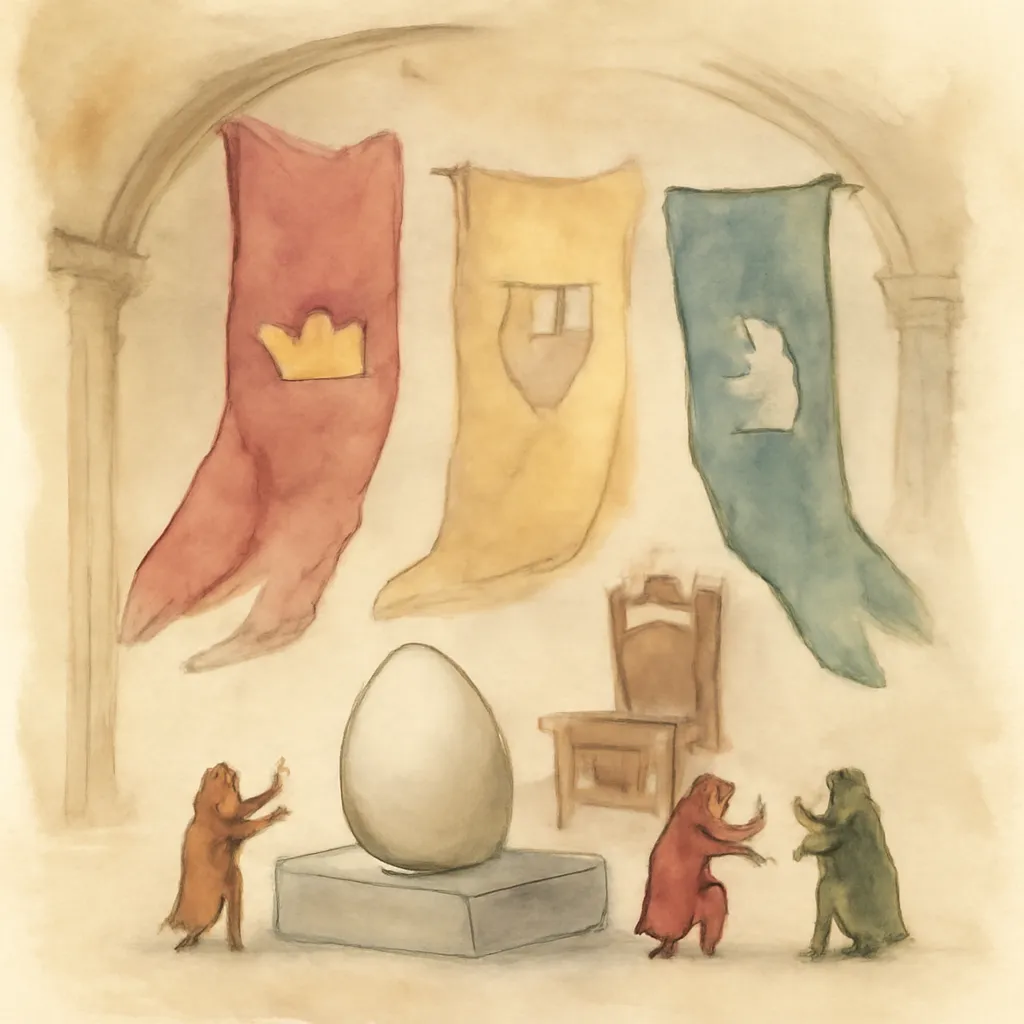
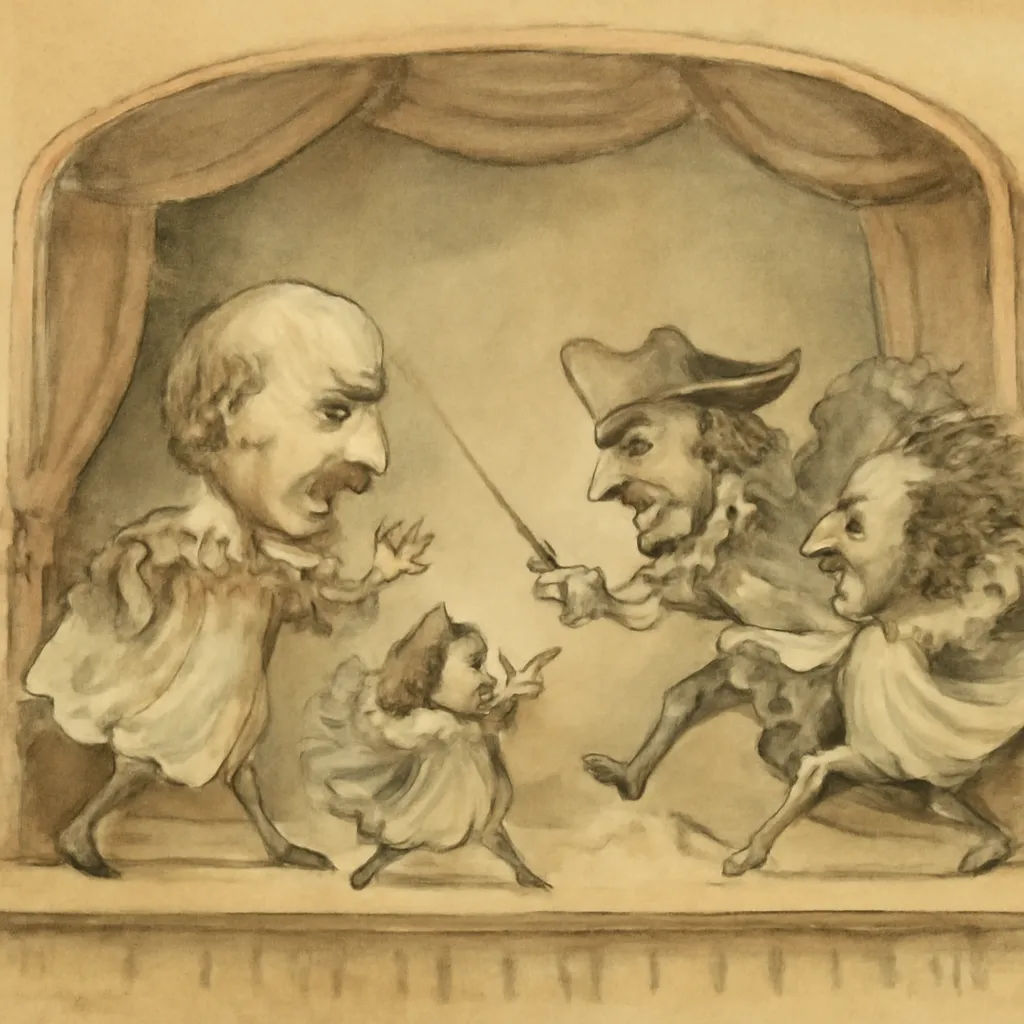
Upon arriving in Lilliput, Gulliver encounters a society of tiny people, no taller than six inches. This peculiar setting serves as a microcosm of human society, where power struggles and political intrigue abound despite the inhabitants' diminutive stature. The Lilliputians' obsession with trivial matters, such as the proper way to break an egg, highlights the absurdity of political conflicts based on petty disagreements. Gulliver’s interactions with the emperor and the court reveal how power can distort reason and lead to absurdity, as the Lilliputians engage in elaborate ceremonies and competitions that prioritize loyalty over merit. This satirical portrayal encourages readers to question the motivations behind political power and the often ridiculous nature of authority figures, reflecting Swift’s critique of the political landscape of his time.
2.The Absurdity of War
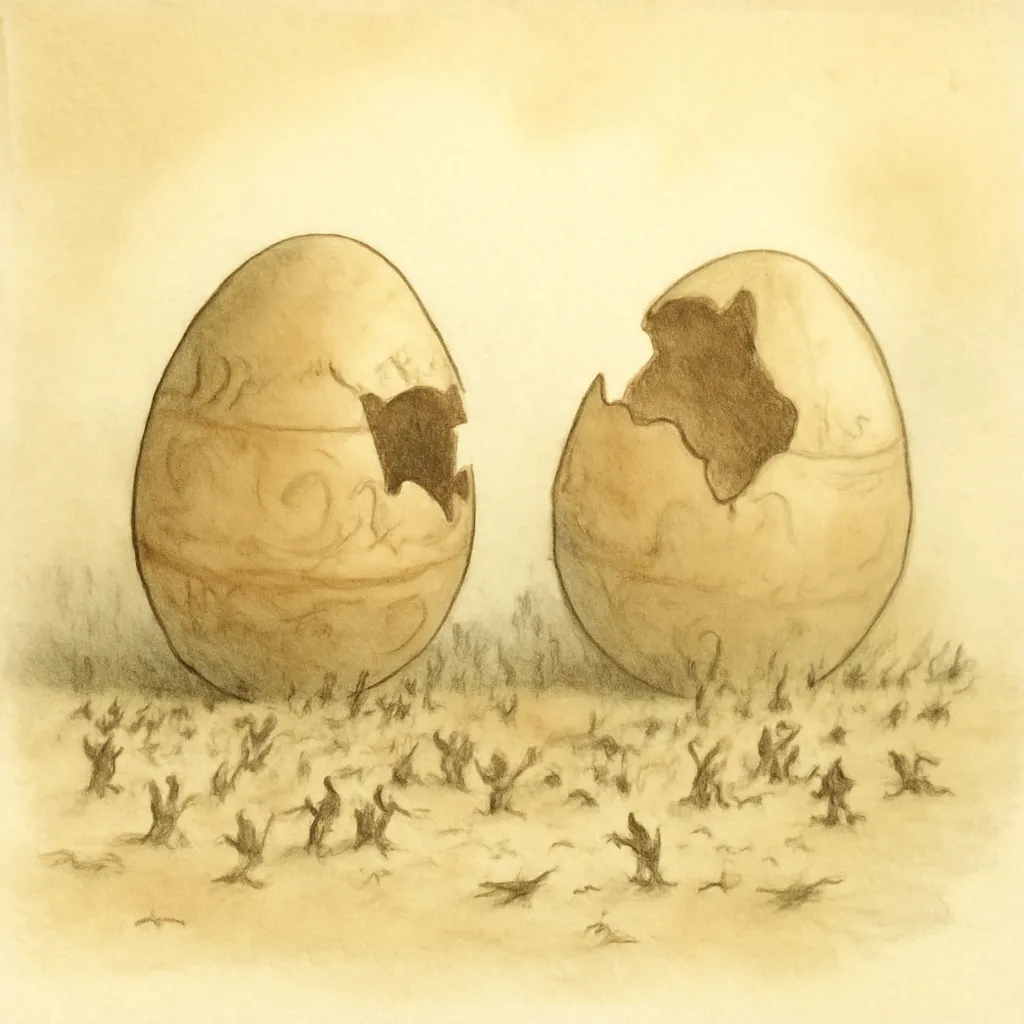
The conflicts between Lilliput and its rival nation, Blefuscu, serve as a satire of the senselessness of war. The war is sparked by a dispute over the correct method of opening eggs, which symbolizes the trivial reasons that often underpin real-world conflicts. Gulliver’s role in the war, where he uses his giant size to defeat the Blefuscudians, illustrates the absurdity of using overwhelming force to resolve disputes that could be settled through dialogue. Swift critiques the glorification of military power and the blind nationalism that fuels such conflicts, inviting readers to reconsider the true cost of war and the often ludicrous justifications that accompany it. The portrayal of war as a farce rather than a noble endeavor serves as a powerful commentary on human folly.
3.The Brobdingnagians: A Reflection on Human Nature
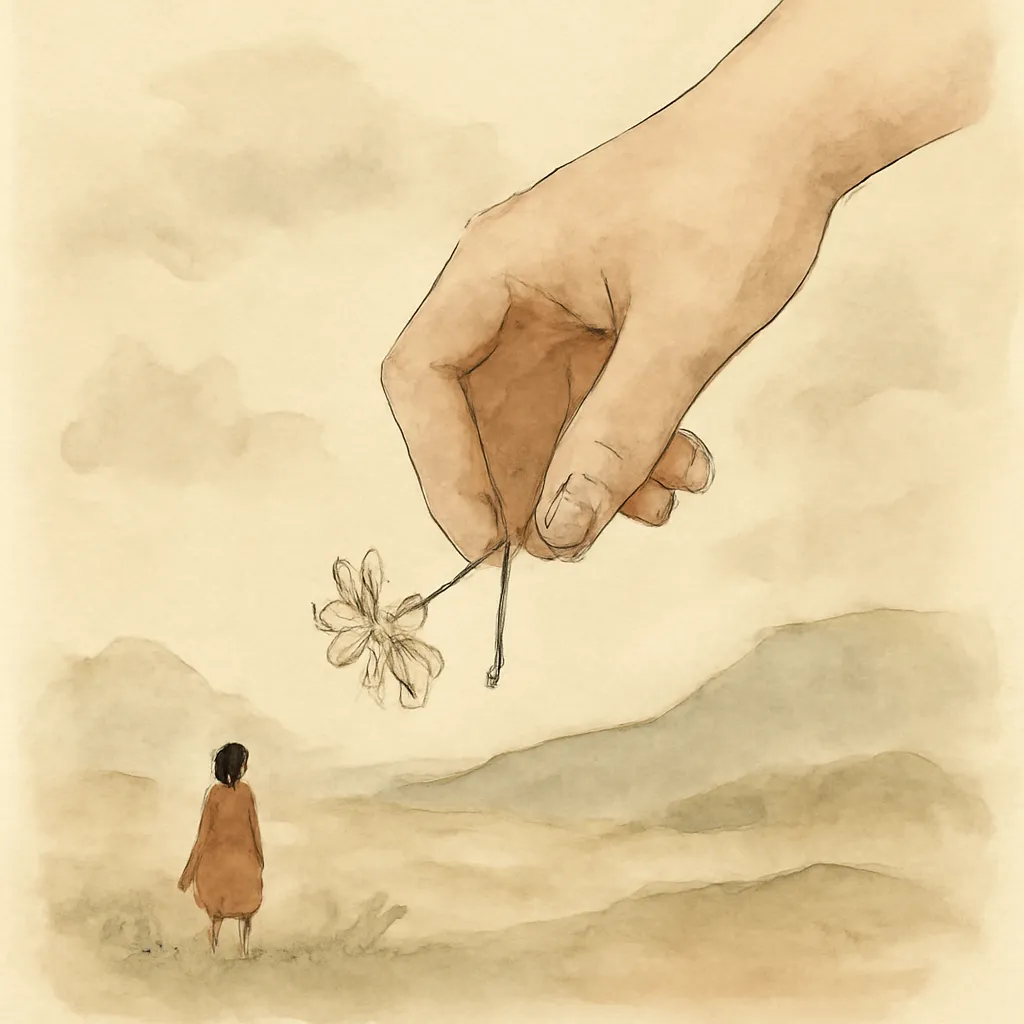
In Brobdingnag, Gulliver finds himself among giants, who, despite their size, possess a more humane and rational perspective than the Lilliputians. The Brobdingnagians are depicted as noble and morally upright, contrasting sharply with the flaws of Gulliver’s own society. The king of Brobdingnag, upon hearing about European customs and politics, expresses disgust at the vices of humanity, such as greed and corruption. This encounter forces Gulliver to confront the moral shortcomings of his own culture. Swift uses the Brobdingnagians to illustrate the idea that size does not determine virtue; rather, it is the values and ethics of a society that define its greatness. This juxtaposition prompts readers to reflect on their own societal norms and the moral implications of their actions.
4.The Houyhnhnms: Rationality and Virtue
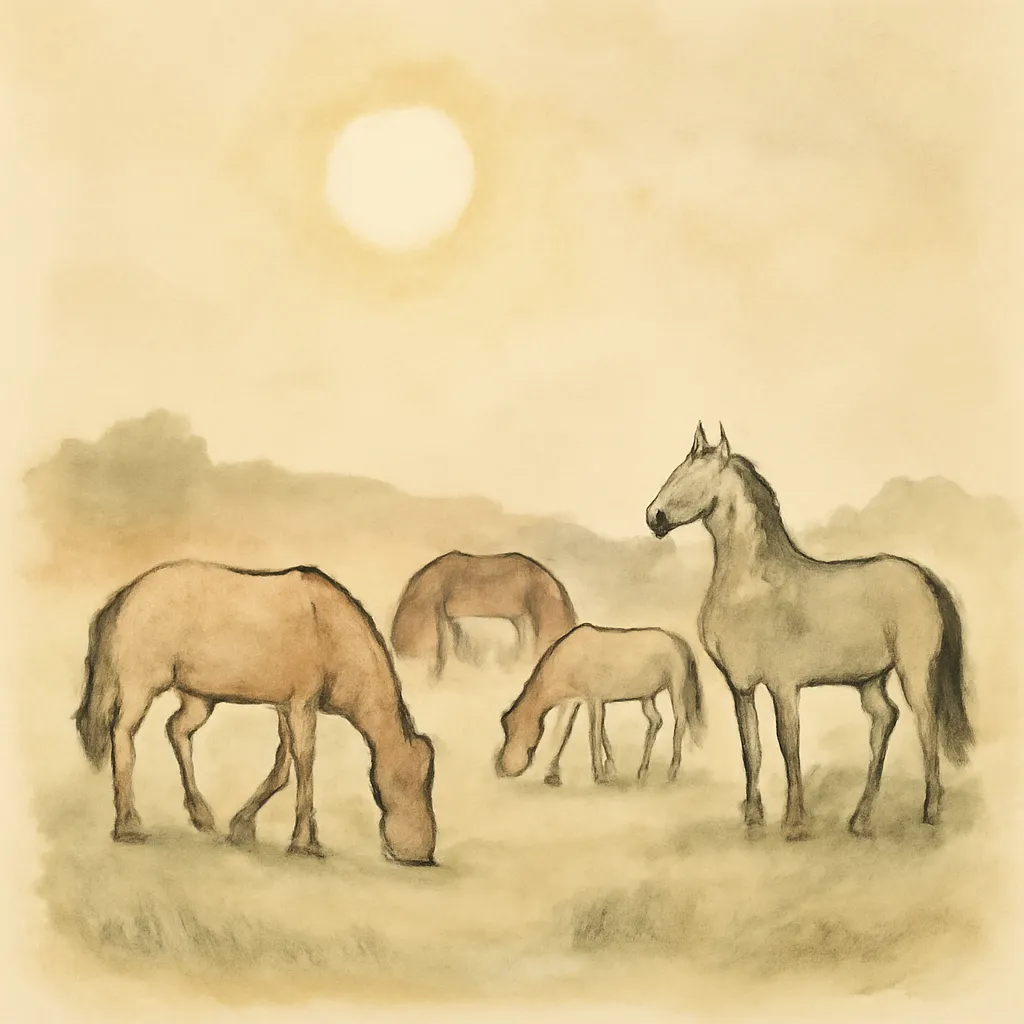
Gulliver’s time with the Houyhnhnms, rational horses who embody reason and virtue, represents the pinnacle of Swift’s philosophical exploration. Unlike humans, the Houyhnhnms live in a society governed by logic and morality, devoid of the vices that plague humanity. Gulliver admires their way of life, which stands in stark contrast to the brutish Yahoos, who represent the basest aspects of human nature. Through this encounter, Swift suggests that true civilization lies in the pursuit of rationality and ethical living. The Houyhnhnms’ disdain for the Yahoos serves as a critique of humanity’s shortcomings, challenging readers to aspire to a higher moral standard. This idealized society raises questions about the nature of humanity and the potential for a more virtuous existence.
5.Satire as a Tool for Social Critique
Swift masterfully employs satire throughout 'Gulliver's Travels' to critique various aspects of society, including politics, science, and human behavior. By presenting exaggerated versions of reality, he exposes the absurdities and contradictions inherent in human nature. The fantastical settings and characters serve as vehicles for Swift’s commentary, allowing him to address serious issues such as tyranny, corruption, and the folly of human pride. The use of irony and humor makes the critique accessible and engaging, prompting readers to reflect on their own lives and societal norms. Swift’s ability to intertwine entertainment with profound philosophical insights demonstrates the power of satire as a means of provoking thought and encouraging change.
6.The Role of the Traveler
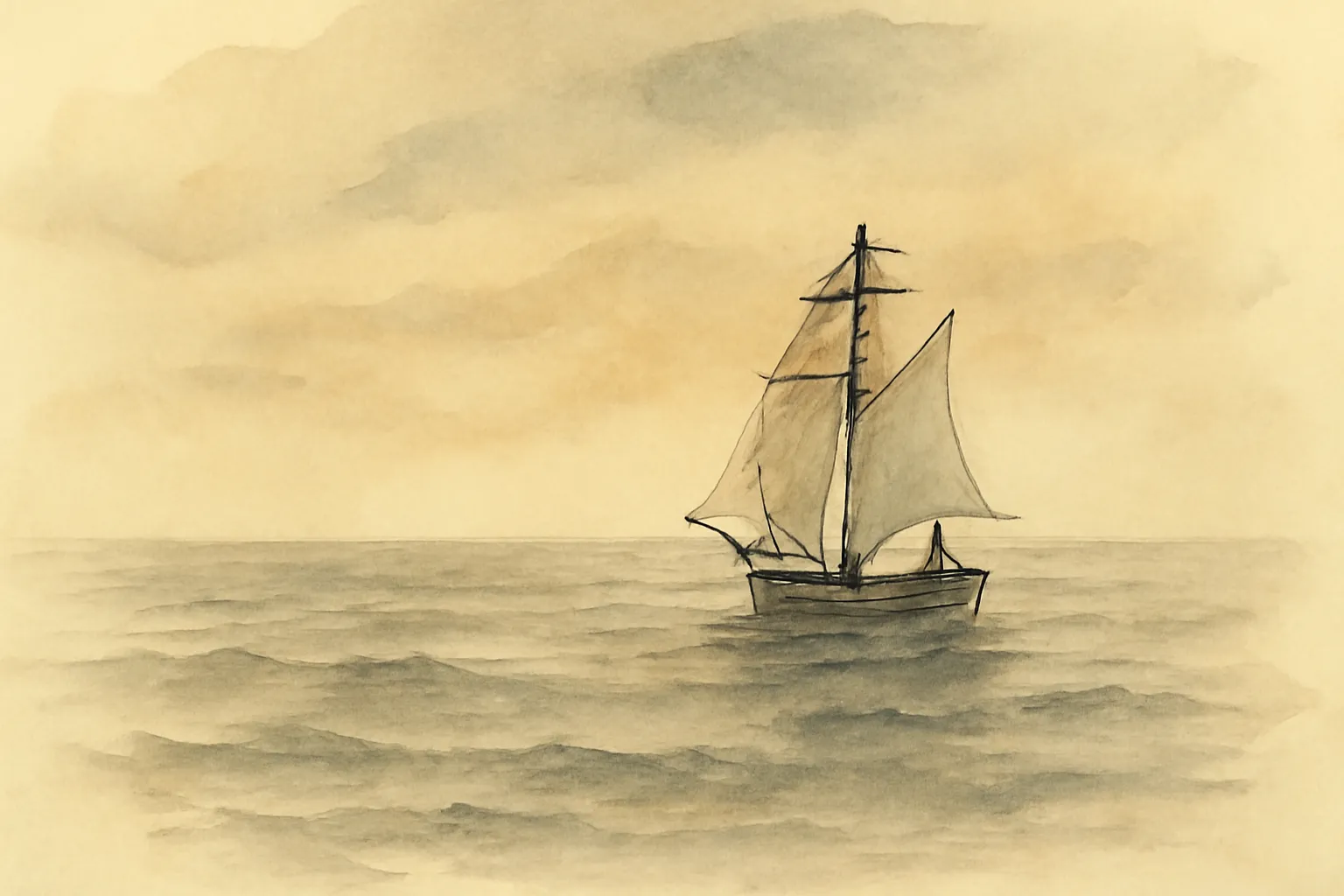
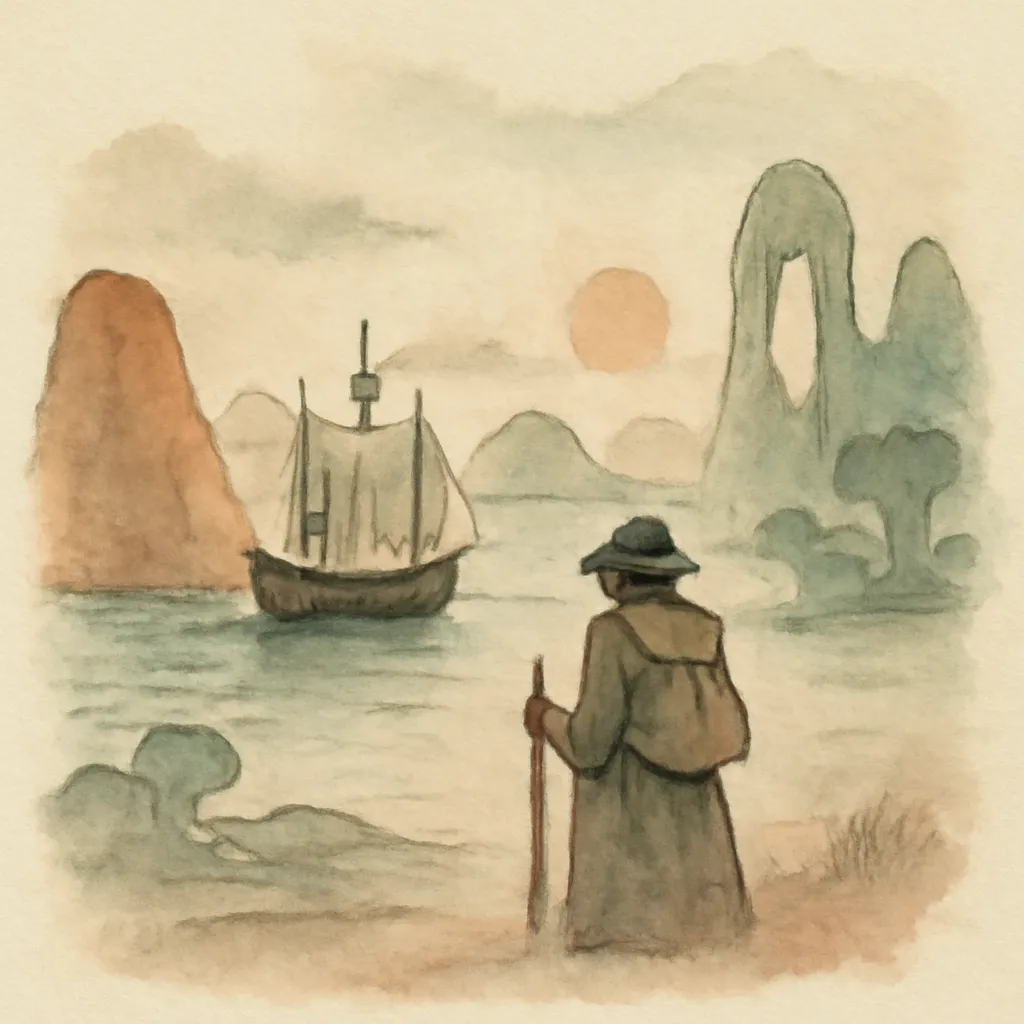
As a traveler, Gulliver serves as both an observer and a participant in the societies he encounters. His unique perspective allows him to draw comparisons between the cultures he visits and his own, highlighting the strengths and weaknesses of each. This role emphasizes the importance of perspective in understanding the complexities of human nature and society. Gulliver’s experiences illustrate the idea that travel can broaden one’s horizons, fostering empathy and understanding for different ways of life. However, his ultimate disillusionment with humanity upon returning to England underscores the challenges of reconciling idealism with reality. Swift suggests that while travel can enlighten, it can also lead to a deeper awareness of one’s own cultural flaws.
7.Critique of Science and Rationalism
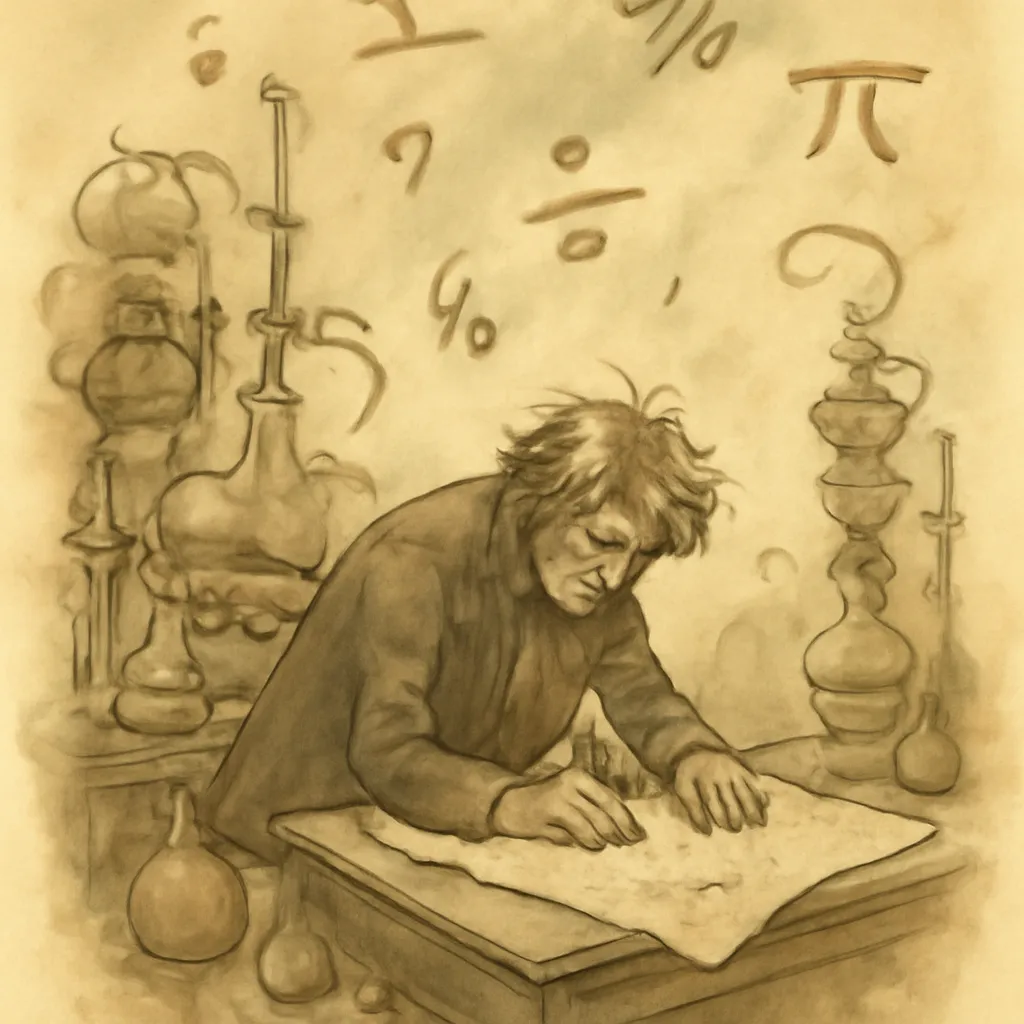
Swift critiques the blind faith in science and rationalism through the absurd practices of the Laputians, who prioritize theoretical knowledge over practical application. The Laputians’ obsession with mathematics and music leads to a disconnection from the real world, resulting in a society that is intellectually advanced yet socially inept. This portrayal serves as a warning against the dangers of valuing abstract knowledge without considering its practical implications. Swift’s skepticism toward the scientific revolution reflects concerns about the potential for knowledge to be misapplied or misunderstood. By exposing the limitations of rational thought, Swift encourages readers to seek a balance between intellect and humanity.
8.The Yahoos: A Mirror of Humanity
The Yahoos, brutish creatures that resemble humans, embody the basest instincts and vices of humanity. Their savage behavior and lack of reason stand in stark contrast to the rationality of the Houyhnhnms, prompting Gulliver to confront the darker aspects of human nature. The Yahoos serve as a powerful metaphor for the potential for depravity that exists within all individuals. Swift’s depiction of the Yahoos challenges readers to examine their own behavior and the societal structures that enable such vices. By presenting humanity in its most grotesque form, Swift compels readers to reflect on their moral choices and the importance of cultivating virtue.
9.Isolation and Alienation
Throughout his travels, Gulliver experiences profound isolation and alienation from the societies he visits. Despite being a giant among the Lilliputians and a curious figure among the Brobdingnagians, he struggles to find genuine connection and belonging. This theme of isolation underscores the idea that true understanding and acceptance are often elusive. Gulliver’s eventual return to England, where he finds himself repulsed by his fellow humans, highlights the emotional toll of his experiences. Swift uses this theme to explore the complexities of identity and the challenges of reconciling one’s experiences with societal expectations. The sense of alienation serves as a poignant reminder of the human desire for connection and the difficulties of navigating a world filled with contradictions.
10.The Complexity of Human Nature
Swift’s exploration of human nature is multi-faceted, revealing both the capacity for greatness and the potential for folly. Through Gulliver’s encounters with various societies, the narrative examines the duality of humanity—the ability to reason, create, and empathize alongside the propensity for greed, violence, and ignorance. This complexity is embodied in Gulliver himself, who oscillates between admiration for the virtues of the Houyhnhnms and despair over the vices of his own kind. Swift’s nuanced portrayal encourages readers to recognize the intricacies of human nature and the importance of striving for a balance between reason and empathy. Ultimately, the narrative serves as a reminder of the ongoing struggle to navigate the moral landscape of existence.