1.The Impact of Family Dynamics on Melville's Identity

Herman Melville's upbringing in a family characterized by both privilege and instability played a crucial role in shaping his literary voice. His father, Allan Melville, was an importer whose genteel pretensions masked deeper insecurities and financial difficulties. Allan's struggles to maintain a facade of respectability created an environment of tension, which deeply influenced Herman's worldview. The contrast between Allan's superficiality and the vibrant, often harsh realities of the provincial countryside instilled in Herman a sense of conflict that would echo throughout his writings. His mother, Maria Melville, while embodying the societal expectations of grace and propriety, also faced the burdens of her husband's failures. This duality within his family cultivated Herman's critical perspective on social norms and expectations. As he navigated the complexities of his familial relationships, Melville developed a keen awareness of the human condition, ultimately exploring themes of authenticity and moral ambiguity in his narratives. The interplay of familial pressures and personal aspirations became a recurring motif in Melville's work, shaping his characters' struggles against societal constraints.
2.The Profound Effect of Early Loss on Melville's Life
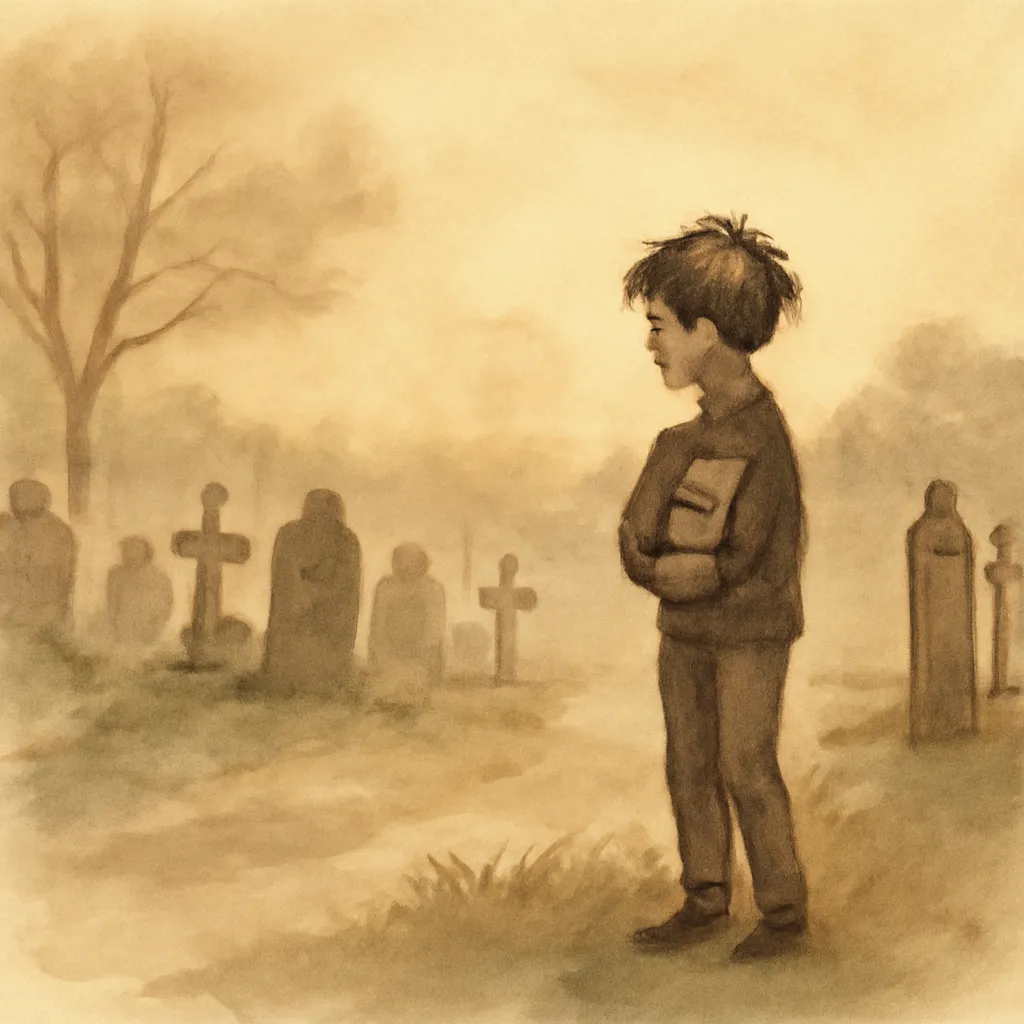
The death of Allan Melville when Herman was just thirteen marked a pivotal turning point in his life. This loss left Herman grappling with the absence of paternal guidance and the emotional turmoil that accompanied his father's bankruptcy. As a young boy, he was thrust into a harsh reality, forced to confront the fragility of stability and the weight of expectations. Allan's image transformed from a flawed man into a 'shrine' of idealized virtue and goodness, which Herman clung to as a source of inspiration. This complex relationship with his father's legacy became a driving force behind his literary explorations of loss, memory, and the quest for identity. For Melville, the void left by Allan's death permeated his characters, often depicting them as haunted figures searching for meaning in a world stripped of certainties. This theme of loss and longing would resonate throughout Melville's oeuvre, reflecting a deep engagement with the existential questions that define the human experience.
3.Seafaring as a Microcosm of Human Experience
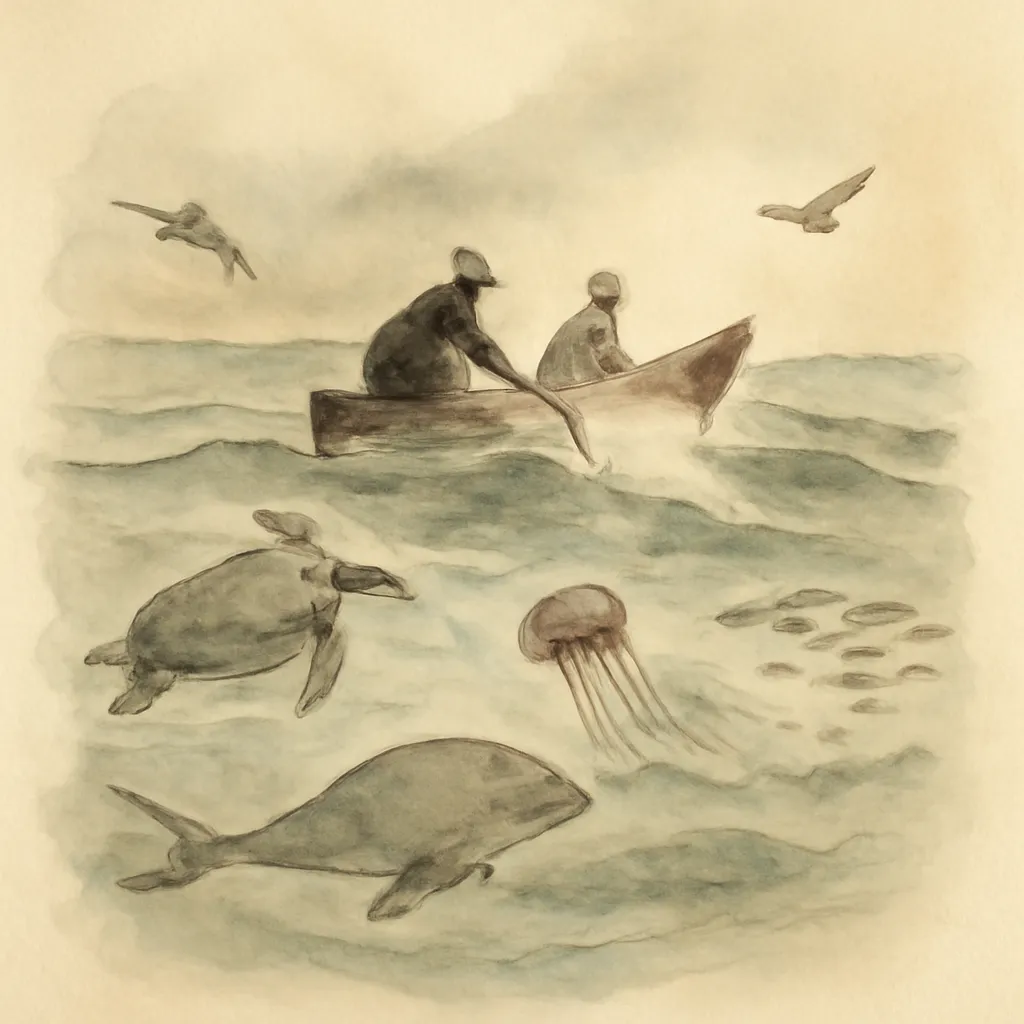
Melville's formative experiences at sea provided a rich metaphor for the struggles of human existence, allowing him to explore the breadth of humanity in a confined space. His early voyages exposed him to a diverse array of characters, from the brutal and uncouth sailors to the dignified captains, enriching his understanding of human nature. The harsh realities of life aboard ship mirrored the challenges of navigating societal expectations and personal ambitions. Melville's depiction of the ship as a microcosm of society highlights the complexities of human relationships, morality, and existential crises that unfold in this confined environment. This experience profoundly influenced his most famous work, 'Moby-Dick,' where the whaling ship Pequod becomes a stage for examining themes of obsession, revenge, and the search for meaning in an indifferent universe. Through the lens of seafaring, Melville grappled with the fundamental questions of life, urging readers to confront the depths of their own existence, as he illustrated the dichotomy between the grandeur of nature and the limitations of humanity.
4.The Quest for Authenticity Amid Societal Expectations

A central theme in Melville's works is the quest for authenticity in a world rife with duplicity and pretense. His early writings, such as 'Typee' and 'Omoo,' present an idealized vision of the South Seas, contrasting the simplicity and honesty of the islanders with the hypocrisy of Western civilization. In 'Typee', Melville romanticizes the lives of the native Polynesians, celebrating their perceived freedom from societal constraints. However, as he matured as a writer, his perspective shifted, leading him to critique the very ideals he once celebrated. His later works, especially 'Mardi', navigate the complexities of human nature, revealing the darker undercurrents of civilization and the illusions that bind individuals to societal norms. This evolution in Melville's thought mirrors his own struggles with identity and integrity, as he sought to reconcile his experiences with the expectations of his audience. Ultimately, his writings challenge readers to reflect on their own authenticity and the societal pressures that shape their lives, urging them to question the cost of conformity.
5.The Interplay of Dreams and Reality in Melville's Narratives
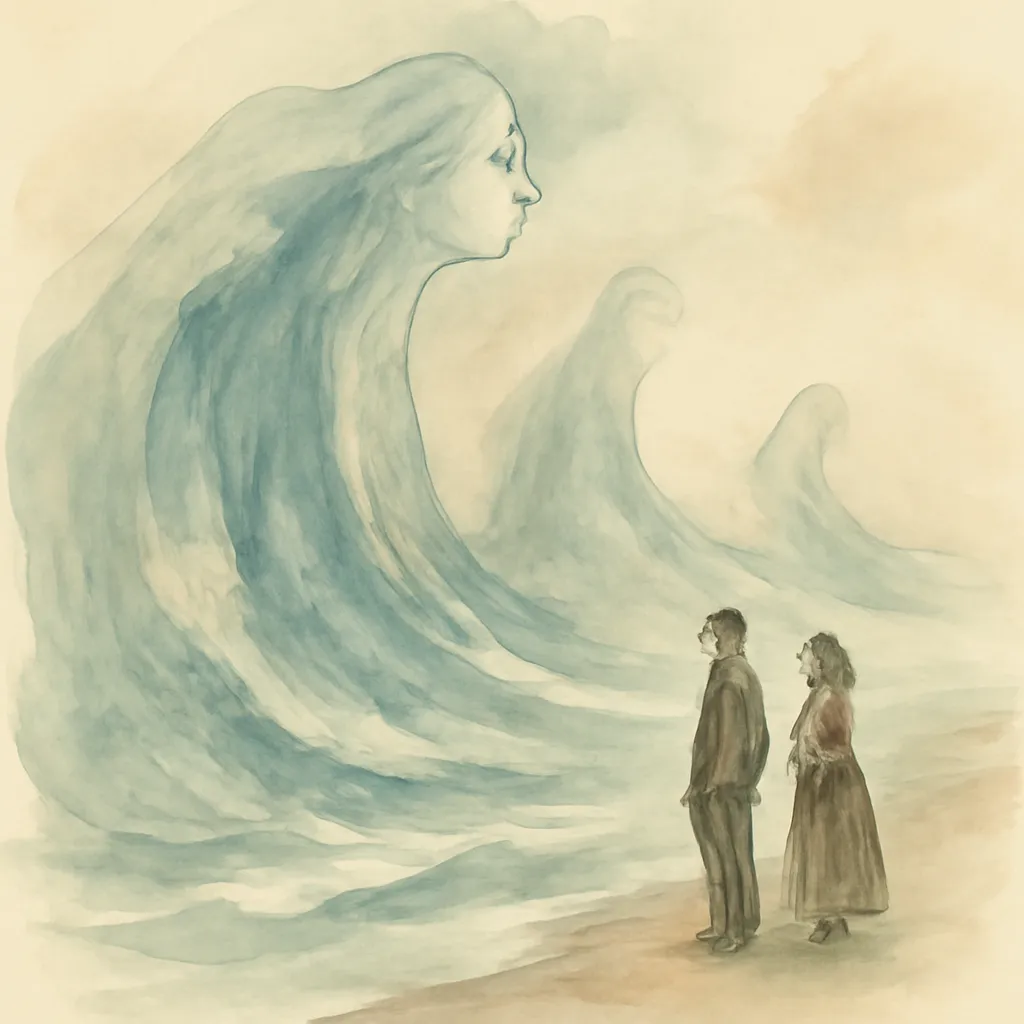
Melville's exploration of dreams and reality serves as a vital lens through which to understand his characters and their journeys. In works like 'Moby-Dick', the boundary between aspiration and the harshness of reality becomes blurred, reflecting the complexities of human desires. The character of Ishmael embodies this tension, seeking to escape the limitations of societal expectations while grappling with the existential weight of his quest. Melville's prose often oscillates between lyrical beauty and stark realism, creating a narrative landscape where dreams are both liberating and burdensome. This interplay invites readers to consider the nature of their own aspirations and the often painful realities that accompany them. Through this examination, Melville reveals the inherent contradictions of the human experience, urging us to confront the dissonance between our dreams and the world around us. This dynamic is particularly evident in Ahab's obsession with the white whale, which symbolizes both a quest for meaning and an inevitable confrontation with the nature of fate.
6.Melville's Critique of Religion and Morality

Melville's writings frequently engage with themes of religion and morality, often challenging conventional beliefs and practices. His early admiration for Christianity becomes complicated as he observes the moral failings of its proponents. In 'Typee', Melville critiques the missionaries' efforts to impose Western values on the Polynesian islanders, suggesting that their zeal often undermines the very humanity they seek to uplift. This ambivalence towards religion culminates in 'Moby-Dick', where Captain Ahab's obsessive quest for revenge against the whale becomes a metaphor for humanity's struggle against divine providence. The novel raises profound questions about the nature of evil, the role of fate, and the limits of human understanding. Melville's characters grapple with questions of faith, morality, and the existence of suffering, reflecting his profound engagement with the complexities of spiritual life. His exploration invites readers to examine their own beliefs and consider the moral implications of their actions in a world fraught with ambiguity, ultimately asking whether true virtue can exist in the face of existential despair.
7.The Role of Nature in Melville's Philosophy

Nature plays a crucial role in shaping Melville's philosophical outlook, often serving as a backdrop for his characters' inner turmoil and existential quests. His vivid descriptions of the sea and landscapes evoke a sense of the sublime, reflecting both beauty and terror. In 'Moby-Dick', the ocean becomes a symbol of the vast, uncontrollable forces of nature that mirror the chaos within the human soul. Melville's reverence for nature is tempered by an awareness of its indifference to human suffering, as seen in Ahab's battle against the whale. This duality highlights the tension between humanity's desire for connection with the natural world and the often harsh realities that accompany such aspirations. Through his depictions of nature, Melville urges readers to confront their own relationship with the environment and the existential questions it raises about life, death, and the search for meaning. The sea, in particular, symbolizes both freedom and entrapment, revealing the complexities of existence in a world governed by natural laws that often defy human understanding.
8.Melville's Literary Evolution: From Adventure to Complexity
Melville's literary journey reflects a profound evolution in his style and thematic concerns, transitioning from adventure narratives to complex philosophical explorations. His early works, characterized by vivid descriptions and straightforward storytelling, laid the groundwork for his later, more ambitious compositions. As he matured as a writer, Melville began to experiment with form and structure, incorporating elements of allegory, symbolism, and satire. This evolution culminated in 'Moby-Dick', which stands as a monumental achievement in American literature, blending narrative, philosophy, and poetic language. The novel's intricate structure, shifting perspectives, and philosophical depth reveal Melville's mastery of storytelling, demonstrating his ability to intertwine personal experience with universal themes. Melville's willingness to push the boundaries of traditional storytelling allowed him to tackle profound questions about existence, morality, and the human condition. This literary evolution not only reflects his personal growth but also serves as a testament to the transformative power of art in grappling with life's complexities.
9.The Enduring Legacy of Melville's Work
Melville's legacy endures as one of the most significant figures in American literature, whose works continue to resonate with readers across generations. His ability to capture the human experience in all its complexity has inspired countless writers and thinkers, solidifying his place in the literary canon. The themes of existentialism, the quest for meaning, and the critique of societal norms found in Melville's writings remain relevant today, inviting ongoing exploration and interpretation. His influence can be seen in the works of modern authors who grapple with similar themes, as well as in the broader cultural discourse surrounding identity, morality, and the human condition. Melville's commitment to authenticity and his fearless examination of life's ambiguities challenge readers to confront their own beliefs and experiences, making his work a vital part of the ongoing conversation about what it means to be human. The depth of his insights and the richness of his narratives ensure that Melville's work will remain a touchstone for those seeking to understand the complexities of existence.