
Herman Melville's life and literary journey reveal profound explorations of humanity and the complexities of existence
Read full overviewShow less›
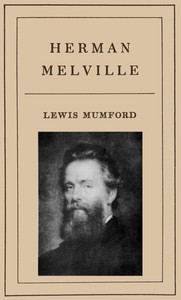
Lewis Mumford's in-depth exploration of Herman Melville shines a light on the intricate interplay between the author's life experiences, his literary works, and the philosophical questions that permeate his narratives. By drawing upon Melville's unpublished letters, notebooks, and insights from his family, Mumford constructs a nuanced portrait of Melville as both a man and an artist, revealing how personal struggles and societal observations shaped his writing. This examination delves into Melville's quest for meaning, authenticity, and understanding in a world filled with contradictions. Readers will gain a richer appreciation of Melville's contributions to literature, including the timeless themes of identity, loss, and the inherent conflicts of life that continue to resonate with audiences today.
Lewis Mumford's exploration of Herman Melville offers readers a profound understanding of the author's life and works, emphasizing the interplay between personal experience and literary expression. Melville's struggles with identity, societal expectations, and the quest for authenticity resonate throughout his narratives, inviting readers to engage with the complexities of the human experience. By examining the themes of loss, nature, morality, and the search for meaning, Mumford sheds light on Melville's enduring legacy in American literature. Ultimately, this study serves as a reminder of the transformative power of art to illuminate the depths of the human condition, encouraging readers to reflect on their own journeys and the narratives they create.
- 1The Impact of Family Dynamics on Melville's Identity
- 2The Profound Effect of Early Loss on Melville's Life
- 3Seafaring as a Microcosm of Human Experience
- 4The Quest for Authenticity Amid Societal Expectations
- 5The Interplay of Dreams and Reality in Melville's Narratives
Notable quotes
“I should not be surprised,” said Melville’s Redburn, “if there were more words than things in the world.”
“Claret for boys, port for men,” he exclaimed in White-Jacket, is a good rule for travel.”
“The white jacket gave the narrative a unity without introducing the extraneous mechanism of a plot.”
A glimpse inside

Herman Melville's upbringing in a family characterized by both privilege and instability played a crucial role in shaping his literary voice. Read moreHerman Melville's upbringing in a family characterized by both privilege and instability played a crucial role in shaping his literary voice. His father, Allan Melville, was an importer whose genteel pretensions masked deeper insecurities and financial difficulties. Allan's struggles to maintain a facade of respectability created an environment of tension, which deeply influenced Herman's worldview. The contrast between Allan's superficiality and the vibrant, often harsh realities of the provincial countryside instilled in Herman a sense of conflict that would echo throughout his writings. His mother, Maria Melville, while embodying the societal expectations of grace and propriety, also faced the burdens of her husband's failures. This duality within his family cultivated Herman's critical perspective on social norms and expectations. As he navigated the complexities of his familial relationships, Melville developed a keen awareness of the human condition, ultimately exploring themes of authenticity and moral ambiguity in his narratives. The interplay of familial pressures and personal aspirations became a recurring motif in Melville's work, shaping his characters' struggles against societal constraints. Show less
The death of Allan Melville when Herman was just thirteen marked a pivotal turning point in his life. This loss left Herman grappling with the absence of paternal guidanc… Read moreThe death of Allan Melville when Herman was just thirteen marked a pivotal turning point in his life. This loss left Herman grappling with the absence of paternal guidance and the emotional turmoil that accompanied his father's bankruptcy. As a young boy, he was thrust into a harsh reality, forced to confront the fragility of stability and the weight of expectations. Allan's image transformed from a flawed man into a 'shrine' of idealized virtue and goodness, which Herman clung to as a source of inspiration. This complex relationship with his father's legacy became a driving force behind his literary explorations of loss, memory, and the quest for identity. For Melville, the void left by Allan's death permeated his characters, often depicting them as haunted figures searching for meaning in a world stripped of certainties. This theme of loss and longing would resonate throughout Melville's oeuvre, reflecting a deep engagement with the existential questions that define the human experience. Show less
Read the full text — free
About the author
Read Lewis Mumford's work free on Lumina — the complete text plus an 8-minute summary and key ideas, no account needed