1.The Challenge of Shelter
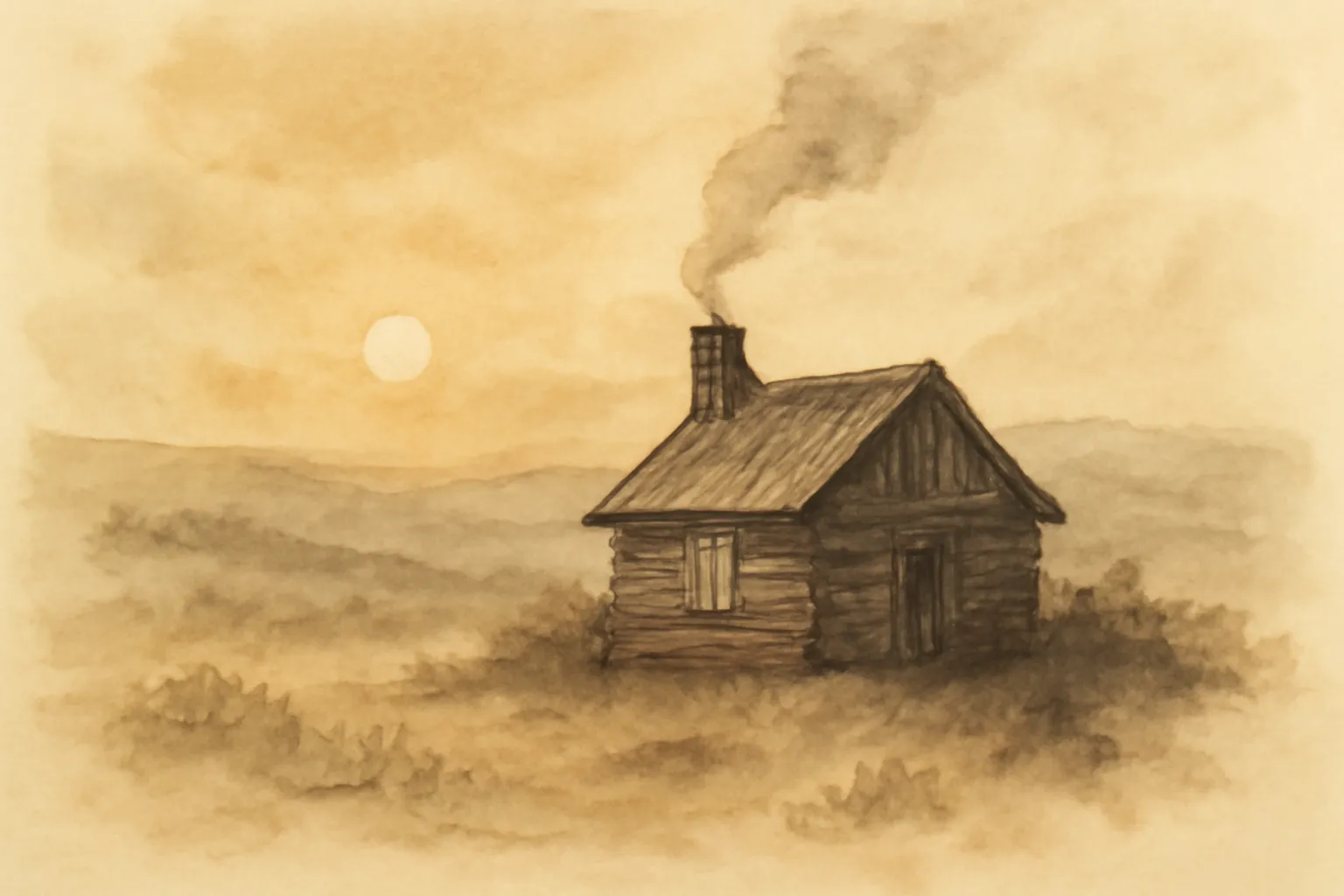
The first settlers faced immense challenges in securing shelter upon their arrival in America. With no sawmills or tools to cut timber, the colonists had to rely on primitive means to create their homes. Some resorted to digging cave-dwellings in Pennsylvania, which served as temporary shelters while they prepared to build log houses. Historical accounts describe these caves as rudimentary, often made from sod, brush, and tree limbs, and while they were far from comfortable, they provided essential protection from the elements. The use of cave-dwellings was not just a necessity for poorer settlers; even some wealthier individuals adopted this method to expedite their settlement process. Within a few decades, however, these makeshift homes were abandoned in favor of more permanent structures, illustrating the colonists' adaptability and determination to establish a foothold in this new land.
2.Innovative Lighting Solutions
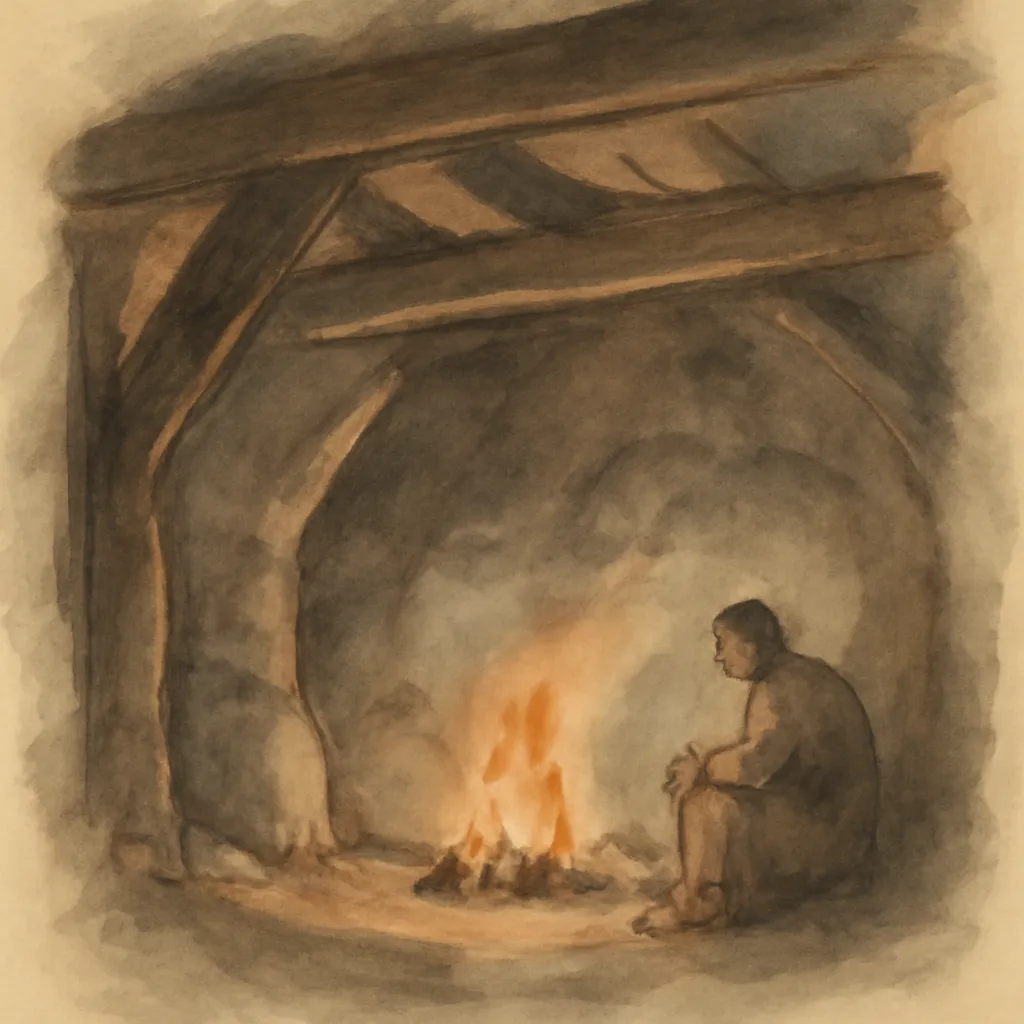
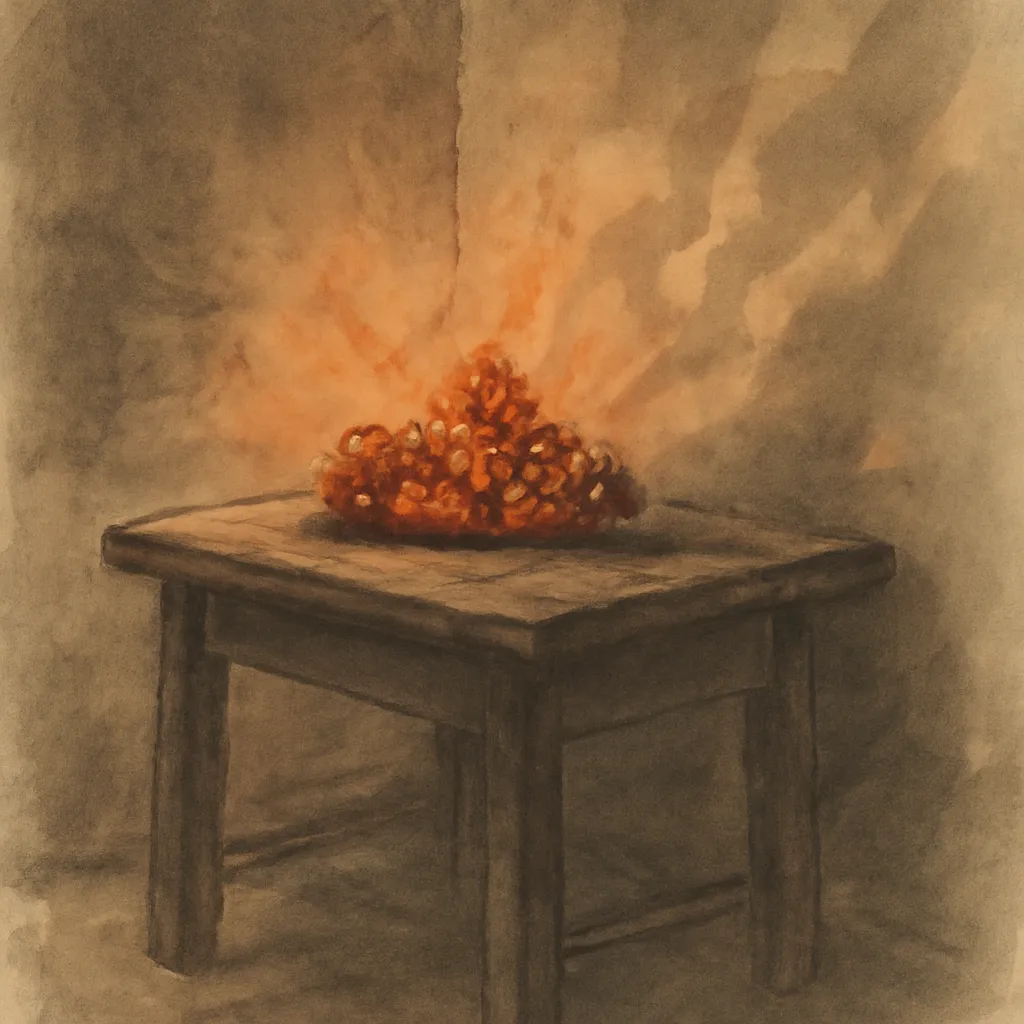
In the absence of modern lighting, colonists relied on natural resources for illumination, with pine knots being the most common source. These knots, rich in pitch, provided a bright flame but also produced a smoky residue that required careful handling. Governor John Winthrop noted their widespread use in both northern and southern colonies, showcasing how colonists ingeniously adapted to their environment. The practice of burning pine knots illustrates not only resourcefulness but also the connection to the natural landscape, as settlers utilized what was readily available. As the demand for more effective lighting grew, the colonists began to craft candles from tallow or beeswax, indicating a shift towards more sustainable and manageable solutions for domestic lighting. This evolution in lighting reflects the broader theme of ingenuity that characterized colonial life.
3.The Heart of the Home: The Kitchen
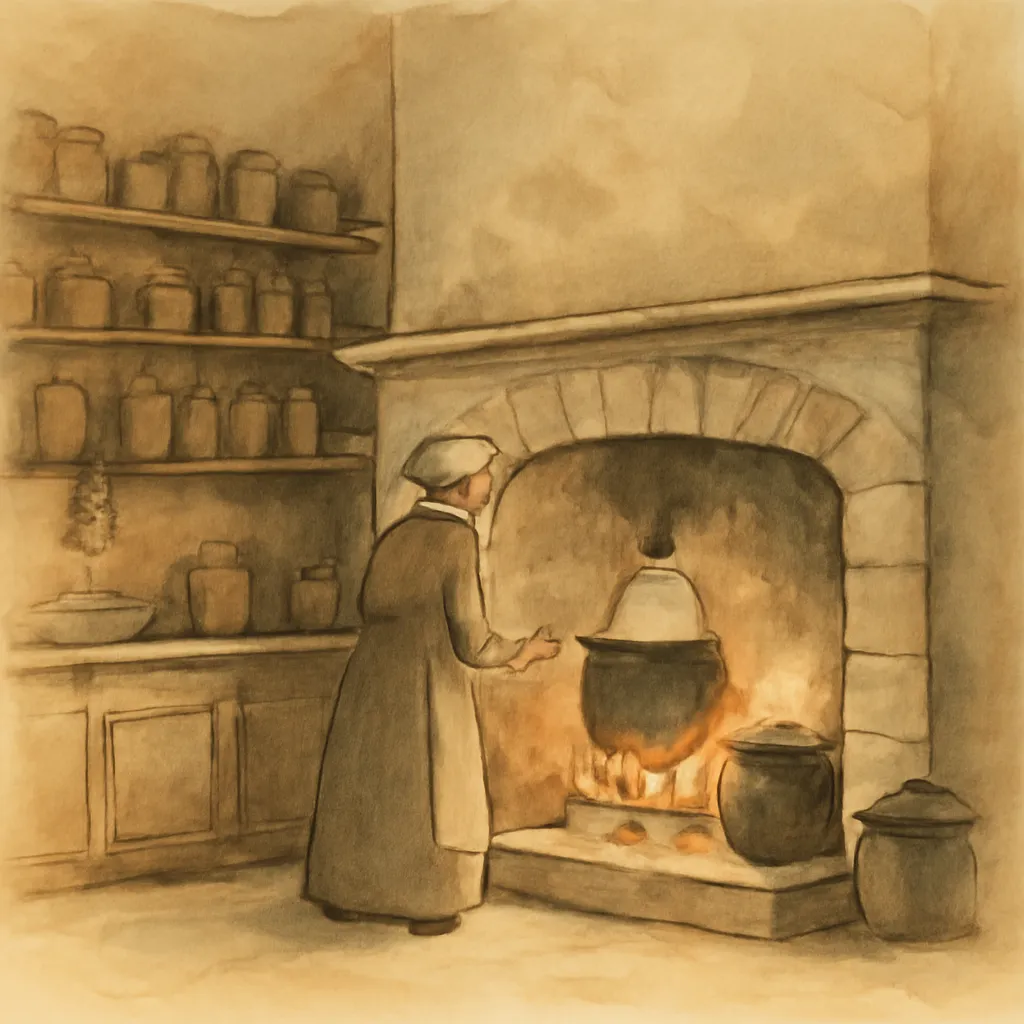
The kitchen served as the vibrant heart of colonial homes, where warmth and light created a welcoming atmosphere. Despite their often simple and bare appearance, kitchens were central to family life, bustling with activity and serving as gathering places. The massive fireplaces, capable of accommodating large logs, were the focal point, with various pots and kettles suspended over the flames using intricate iron hooks and chains. This setup not only facilitated cooking but also fostered a sense of community, as families and neighbors would gather around the fire. Over time, as resources became scarcer and the forests diminished, these grand fireplaces shrank in size, reflecting the changing realities of colonial life. The kitchen, however, remained a cherished space, where culinary traditions were passed down and the family bond was strengthened through shared meals.
4.Dining Rituals and Table Customs
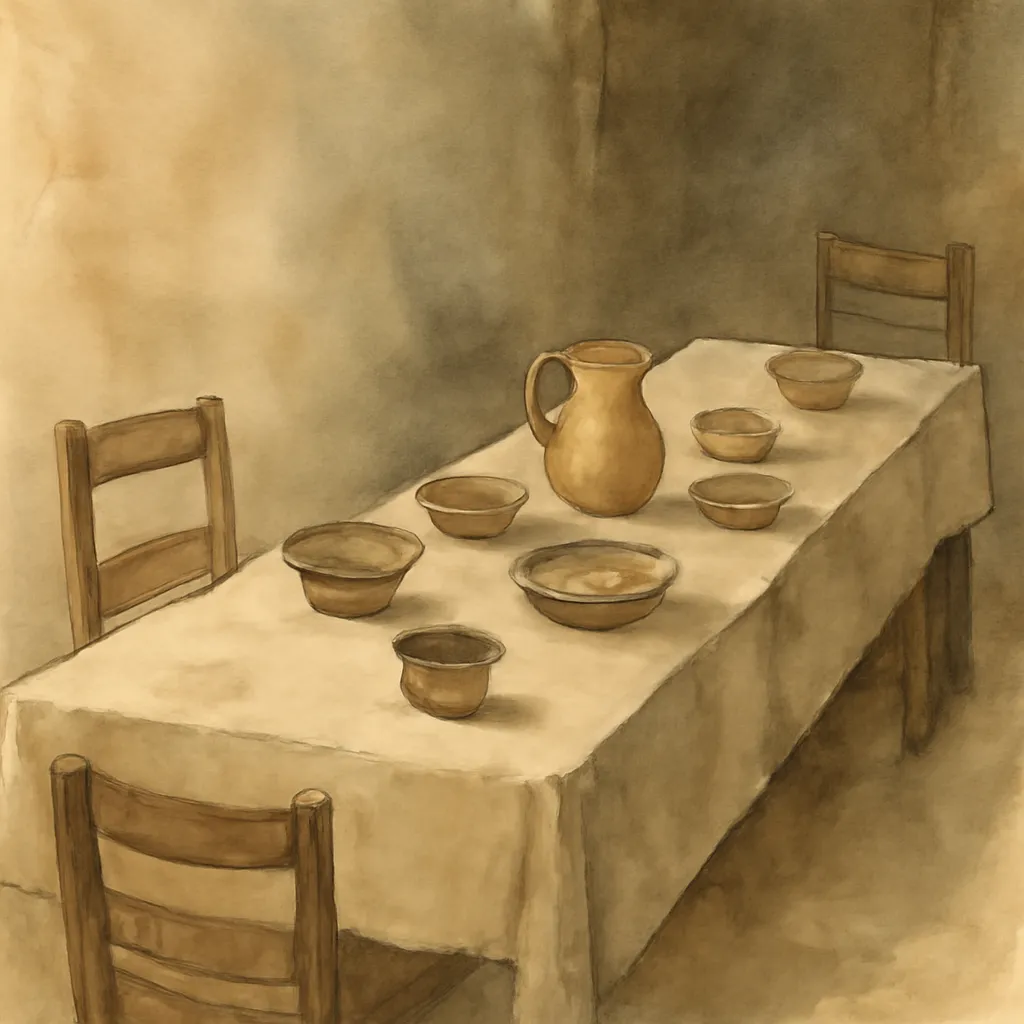
The manner of serving meals in colonial households starkly contrasts with contemporary dining practices. Early colonists utilized long, narrow boards as dining tables, often resting on trestles, which were referred to as 'table-boards.' This makeshift approach underscores the scarcity of resources and the importance of repurposing materials. Table linens were not called tablecloths but rather 'board-cloths,' reflecting the practicality of colonial life. Napkins were in abundance, as forks were virtually unknown, necessitating the use of hands for eating. The first fork was introduced to America in 1633 for Governor Winthrop, marking a significant shift in dining customs. This evolution not only highlights the changing social norms but also emphasizes the colonists' adaptation to their new environment, balancing practicality with the desire for comfort and decorum during meals.
5.A Bounty from Nature: Food Sources
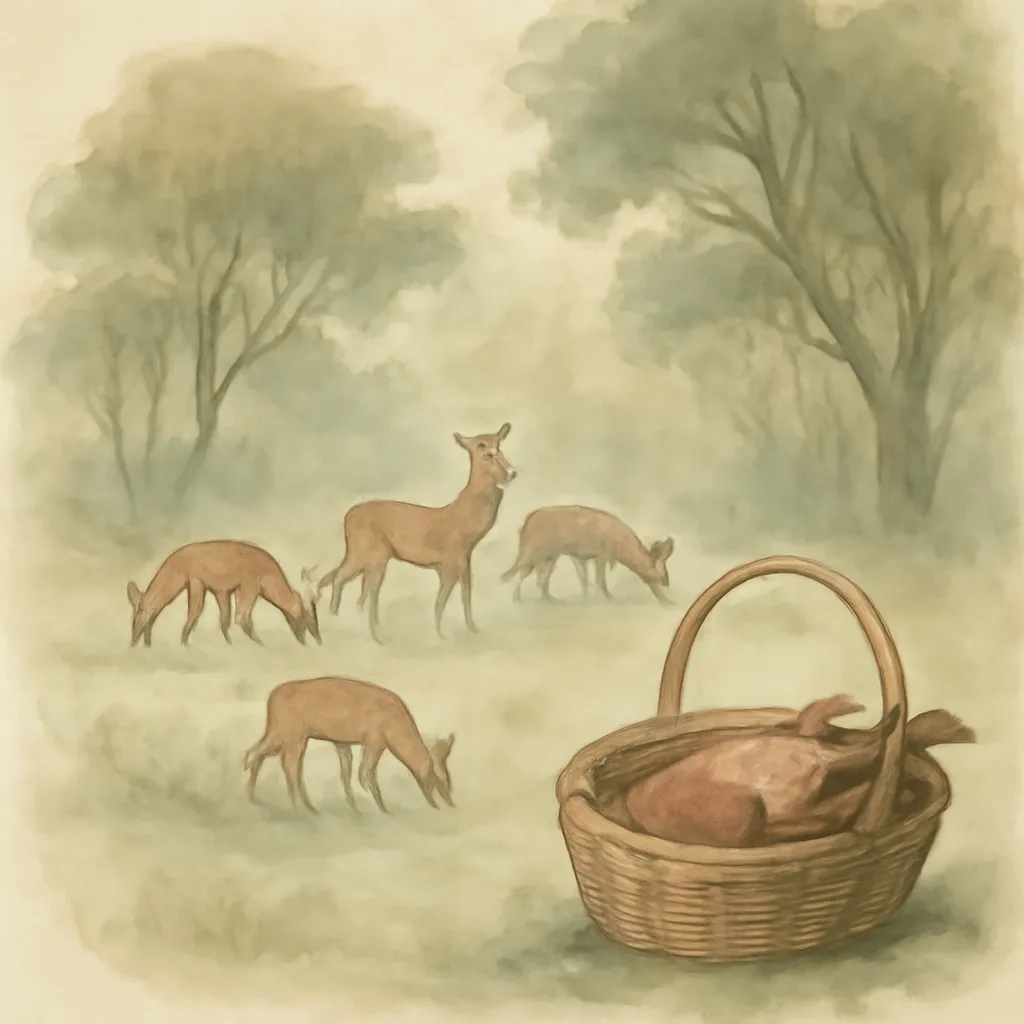
The early colonists quickly learned to rely on the land for sustenance, turning to the abundant resources available in their new environment. Deer were plentiful, and venison became a staple in many households, often provided by Native Americans who introduced settlers to hunting practices. In Virginia, the ease of hunting led to overpopulation of deer, resulting in unsustainable practices like fire-hunting, which drove deer into traps. This reliance on natural resources extended beyond game; settlers also foraged for nuts, berries, and other edible plants. The colonists' ability to adapt their diets to include these local foods illustrates a profound shift in their relationship with the land. Over time, they began cultivating crops like corn, which proved essential for survival, especially during periods of famine. This agricultural shift not only sustained families but also laid the groundwork for the economic development of the colonies.
6.The Importance of Indian Corn
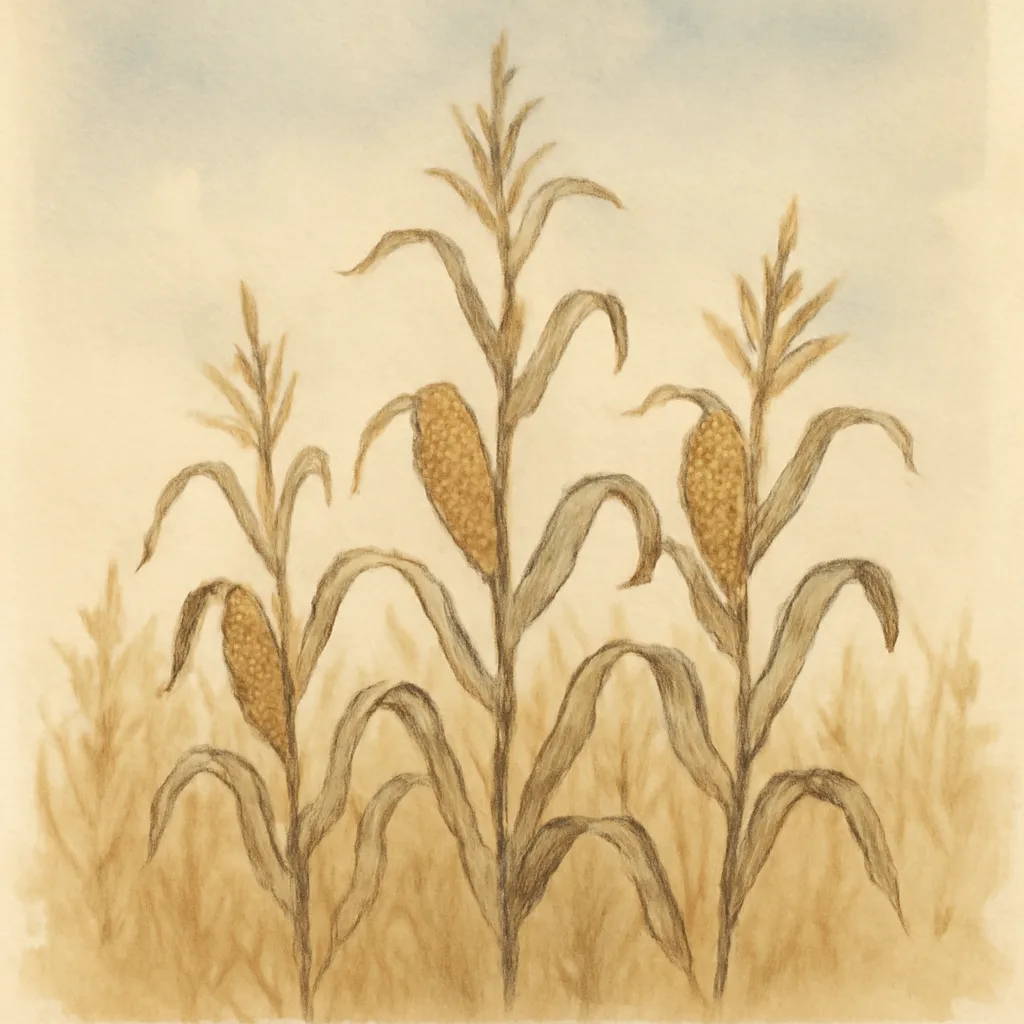
Indian corn, a staple crop cultivated by Native Americans, played a crucial role in the survival of early settlers. Its adaptability to various soils and climates made it an ideal crop for colonists who were learning to farm in unfamiliar terrain. Initially, many settlers struggled with starvation, as they were unaccustomed to the agricultural practices suited to their new environment. The arrival of Powhatan, who taught the colonists how to plant corn, marked a turning point in their agricultural success. By embracing corn cultivation, settlers not only secured a reliable food source but also began to diversify their diets. The introduction of corn led to innovations in cooking and food preparation, as settlers incorporated it into various dishes, transforming their culinary landscape. This reliance on corn symbolizes the deepening relationship between colonists and the land, ultimately shaping their identity as American farmers.
7.Textiles and the Home Economy
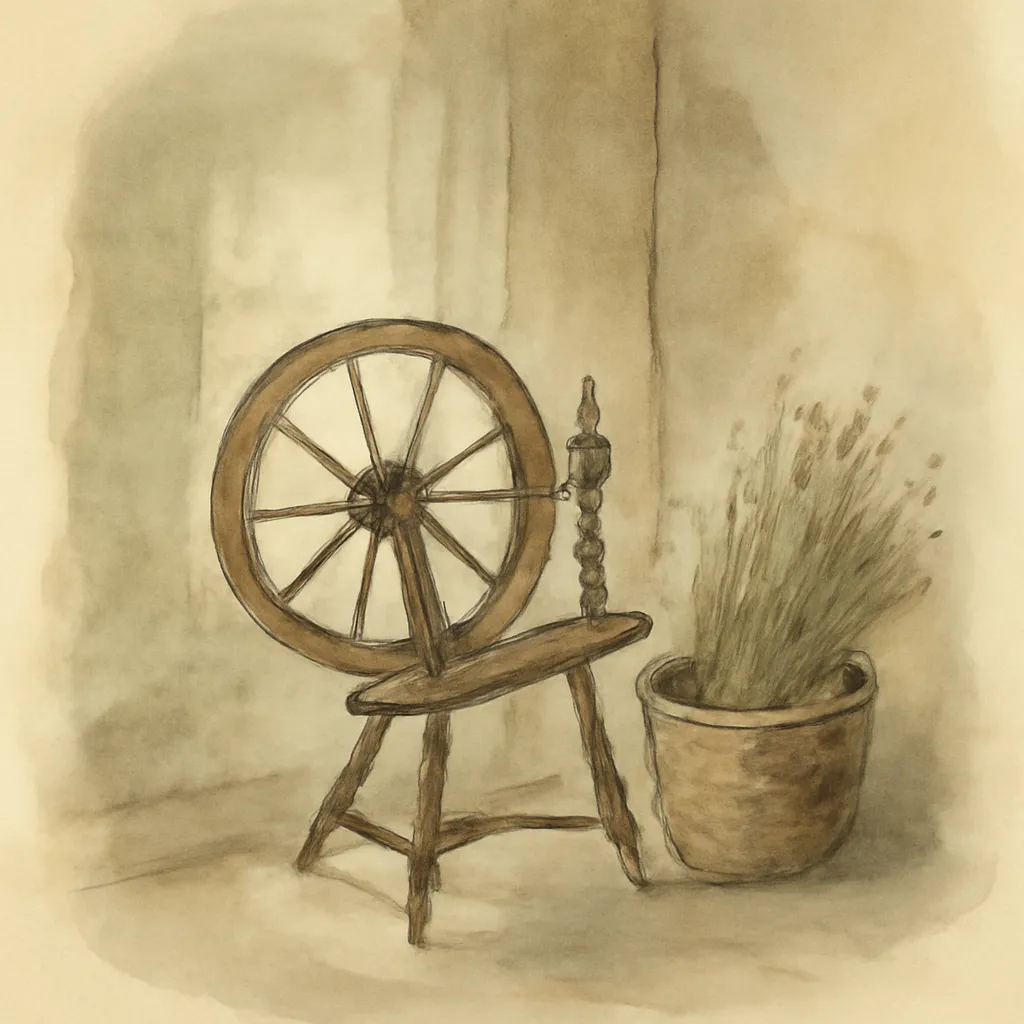
Textile production was a vital aspect of colonial life, with every household engaged in some form of weaving and spinning. Women played a central role in creating clothing, utilizing flax and wool grown on their farms. The process of spinning was not merely a chore but a respected craft that contributed to the household economy. The presence of flax-wheels and looms in homes illustrates the importance of self-sufficiency, as families produced their own textiles rather than relying on imported goods. The skill of hand-weaving became a point of pride, with many families showcasing their creations to neighbors. This focus on home industries fostered a sense of independence and community, as women often shared techniques and materials. The flourishing textile industry not only supported families but also laid the groundwork for future economic growth in the colonies, highlighting the crucial role of women's labor in shaping American society.
8.The Role of Community in Daily Life
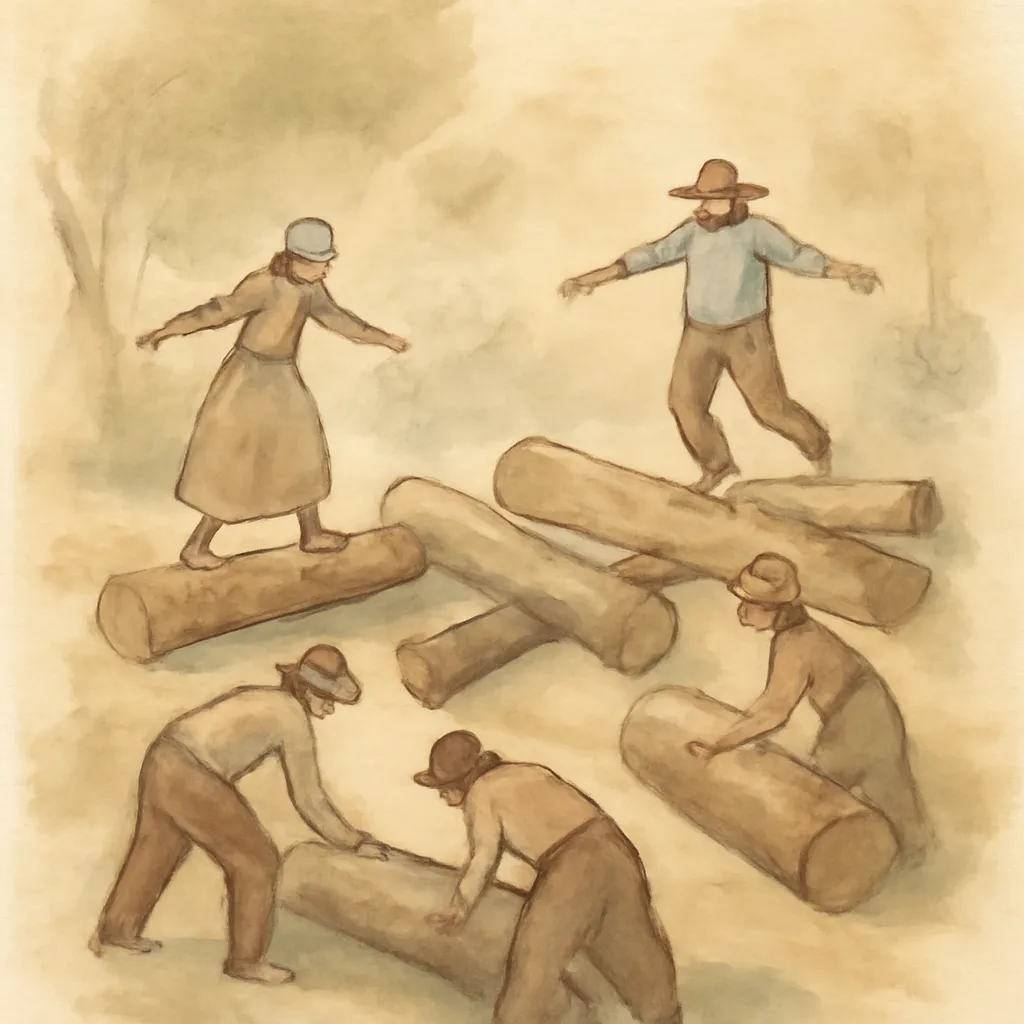
Colonial life was characterized by a strong sense of community, where neighbors relied on one another for support and assistance. This spirit of cooperation was evident in various communal activities, such as log-rolling and house-raising, where families came together to help one another. This interdependence was crucial in a time when individual households faced numerous challenges, from agricultural labor to domestic emergencies. The concept of neighborliness extended beyond mere assistance; it fostered social bonds and a sense of belonging. As families gathered for communal tasks, they shared knowledge, resources, and companionship, creating a network of mutual support. This emphasis on community not only helped settlers thrive in their new environment but also laid the foundation for the social fabric of American society. The loss of these communal practices over time reflects the broader shifts in social dynamics and the increasing individualism of modern life.
9.The Evolution of Dress and Fashion

The clothing of the early American colonists was deeply influenced by European customs, yet it evolved to reflect the practical needs of colonial life. Initially, the settlers adhered to the styles of their homelands, but as they adapted to their new surroundings, they embraced simpler, more functional garments. The Puritans, in particular, sought to discourage extravagance in dress, passing sumptuary laws that restricted the use of luxurious fabrics and embellishments. This focus on modesty and practicality was a reflection of their values and the harsh realities of frontier life. Clothing was often handmade, with families producing their own textiles and garments, reinforcing the importance of self-sufficiency. Over time, as trade routes expanded and resources became more accessible, colonial fashion began to incorporate elements of style from Europe, leading to a unique blend of practicality and elegance. This evolution highlights the dynamic nature of colonial identity and the interplay between tradition and adaptation.
10.Colonial Gardens and Their Significance
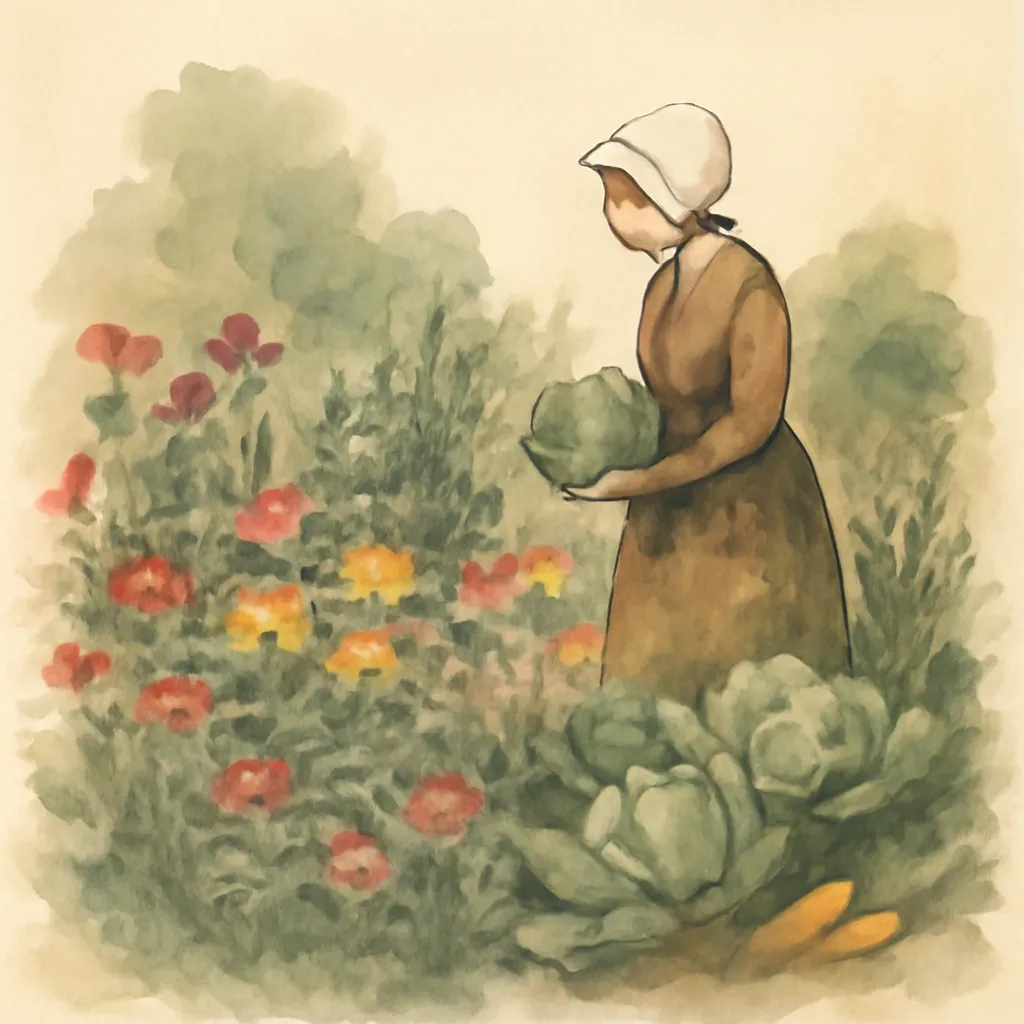
Gardening played a significant role in the lives of colonial families, serving both practical and aesthetic purposes. Flower gardens were not merely decorative; they provided medicinal herbs and ingredients for cooking, reflecting the settlers' reliance on the land for sustenance and well-being. The beauty of these gardens was a source of pride, as families cultivated a variety of plants that flourished in the rich American soil. The act of gardening fostered a connection to nature and offered a respite from the rigors of daily life. The preservation of old-fashioned gardens, filled with heirloom flowers, serves as a testament to the enduring legacy of colonial horticulture. These gardens were often tended with care and affection, embodying the values of hard work and creativity that defined colonial existence. The traditions of gardening continue to resonate today, reminding us of the importance of nurturing both our environment and our heritage.